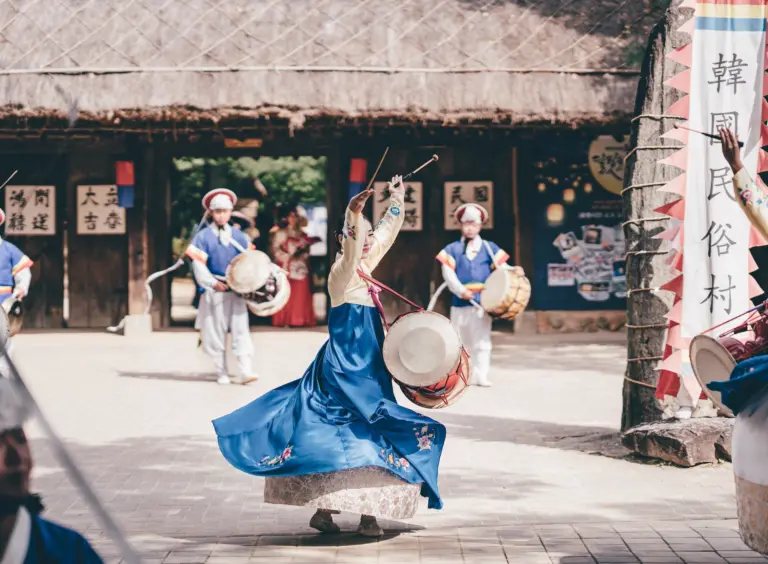
The ancient city of Nara, just a short journey from the nearby cities of Kyoto and Osaka, offers a serene day-trip experience, inviting you into a world where tradition and tranquility reign supreme.
Here, Buddhism is a living, breathing part of the city’s soul. The air seems to hum with centuries of spiritual practice.
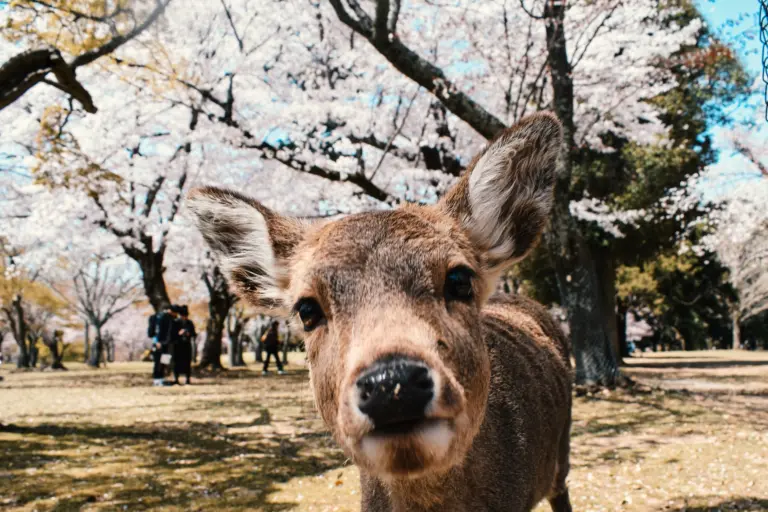
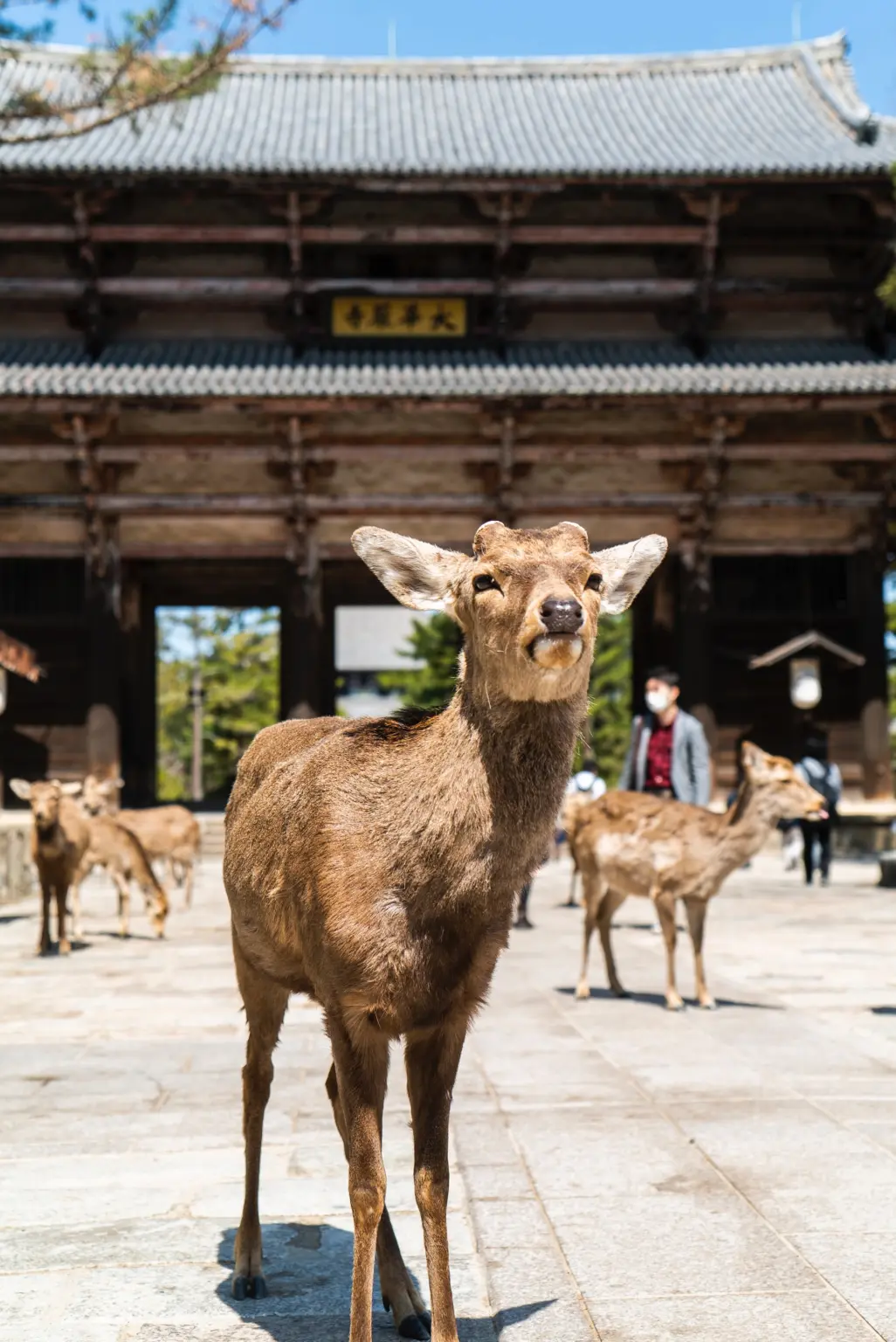
The city is of course, famously home to hundreds of free-roaming deer, considered messengers of the gods in the Shinto religion. These graceful creatures wander amidst the historical landmarks, unfazed by the human visitors who are equally enchanted by them.
As the sun sets over Nara, casting a golden glow on the temples and trees, it’s easy to see why this city is more than just a travel destination. Nara isn’t just a day trip; it’s a tranquil escape into the very soul of Japan.
Table of Contents
Toggle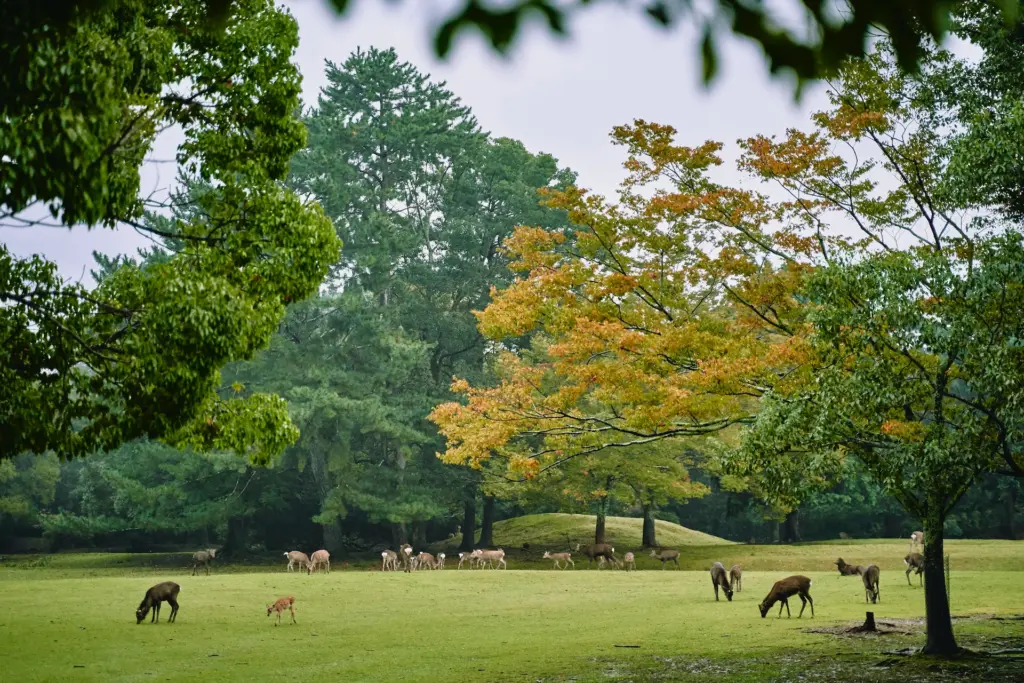
History of Nara
Nara’s story begins in the 8th century. In 710 AD, the city, then known as Heijo-kyo, was established as the first permanent capital of Japan. This marked a departure from the previous practice of changing the capital with the succession of each new emperor.
The choice of Nara as the capital was influenced by the Chinese Tang dynasty’s model of a centralized government, reflecting a period of extensive cultural and political exchange between Japan and China.
During its time as the capital, Nara emerged as a cradle of Japanese civilization. It was a period of profound cultural development, heavily influenced by the introduction of Buddhism from Korea in the 6th century.
The Nara period, spanning from 710 to 794 AD, was also notable for the compilation of Japan’s first written records. The Kojiki and Nihon Shoki, chronicles of Japanese mythology and history, were completed during this time.
However, the city’s status as the capital was relatively short-lived. In 784 AD, the capital was briefly moved to Nagaoka-kyo and then to Heian-kyo (present-day Kyoto) in 794 AD. This shift marked the end of the Nara period and the beginning of the Heian period.

Why are the Deer Sacred in Nara?
The sacred status of the deer in Nara is primarily linked to a legend involving Takemikazuchi-no-Mikoto, a deity in the Shinto religion. According to the legend, this god visited Mt. Mikasa riding a white deer. Since then, deer have been revered as heavenly animals, protectors, and messengers of the gods.
This divine association was particularly strong in Kasuga Taisha. The shrine, known for its deep connection with the Fujiwara clan, one of Japan’s most powerful families, revered the deer as sacred beasts. They were believed to be the divine messengers of the Kasuga gods, and harming them was considered a grave offense even punishable by death!
Over time, this belief became ingrained in the local culture not just in Nara but also in other places like Miyajima near Hiroshima. The deer were given free rein to roam through the city. They have become a symbol of the city and are now a significant tourist attraction.
Top Things to Do in Nara

1. Kasuga Taisha
Kasuga Taisha, a Shinto shrine with its striking vermilion architecture, is nestled in the verdant embrace of the Kasugayama Primeval Forest.
The approach to the shrine is mystical. Thousands of stone and bronze lanterns line the pathways, donated by worshippers over the centuries. These lanterns, especially when lit during the Mantoro Festival in February and August, create an ethereal glow that transforms the shrine into a world from a dream.
The shrine’s architecture is also a sight to behold. The main sanctuary, a National Treasure, exhibits the Kasuga-zukuri style, marked by its simplistic elegance and distinctive color scheme of bright vermilion and soothing green.
The shrine also houses the Kasuga Taisha Homotsukan, a treasure house displaying sacred relics, traditional masks, and costumes.
2. Nara Park
Nara Park, covering over 500 hectares, is an inviting blend of open lawns, tranquil ponds, and meandering pathways.
Its spaciousness and natural charm provide a perfect counterpoint to the historic temples and shrines that dot its landscape.
One of the most endearing aspects of Nara Park is its famous residents: the hundreds of free-roaming deer. They mingle with visitors, who can feed them special deer crackers, known as shika-senbei.
For those seeking a moment of tranquility, the park’s numerous ponds and gardens offer peaceful retreats. The reflective waters, dotted with lotuses and framed by willow trees, are perfect for contemplation and relaxation.
If you’re interested in a more hands-on approach, you can join the city highlights tour or foodie walking tours by clicking the links!

3. Todai-ji
Todai-ji is renowned for housing the world’s largest bronze statue of Buddha!
At the heart of Todai-ji is the Daibutsuden, or the Great Buddha Hall, one of the most awe-inspiring wooden structures in the world. Despite its current form being a reconstruction from the 17th century, it retains a grandeur that speaks of its illustrious past.
The hall houses the Great Buddha, or Daibutsu, a 15-meter-tall (49 ft) bronze statue representing Vairocana Buddha. The other two Great Buddhas of Japan are located in Kamakura and Toyama. You can also find larger than life statues of the Shitennou (Four Heavenly Kings) guarding the entrance.
The temple’s origins date back to the Nara period when Emperor Shomu established it in the 8th century as a statement of the power of Buddhism in Japan. In this case, Todai-ji was not just a religious center but also played a significant role in the government.
The temple complex includes various other historical and cultural treasures, such as the Nandaimon Gate, a magnificent wooden structure guarded by two fierce-looking Nio statues.

4. Heijo Palace
The Heijo Palace Site Historical Park is a remarkable window into Japan’s ancient past, specifically the Nara period when the city was the capital of Japan.
This park, a UNESCO World Heritage Site, is where the Heijo Palace once stood. Today, it serves as a vivid reminder of the city’s former glory as the seat of power. If you’re interested, you can join a half-day UNESCO Heritage & Local Walking Tour through here.
What makes the Heijo Palace Site so fascinating is its vast open space, which gives a sense of the scale of the original palace. Key structures, such as the former audience hall and the Suzaku Gate, have also been rebuilt.
One of the most intriguing aspects of the Heijo Palace Site is how it reflects the influence of Chinese and Korean culture on Japan during the Nara period. The architectural style, layout, and artifacts found here bear witness to the cultural exchanges that took place between these ancient civilizations.

5. Toshodai-ji
Toshodai-ji, founded in 759 AD by the Chinese monk Ganjin (Jianzhen), is another temple born out of the profound cultural exchange between Japan and China.
The main hall of Toshodai-ji, known as the Kondo or Golden Hall, is a masterpiece of ancient Japanese architecture and also houses a statue of the Vairocana Buddha. The simplicity and elegance of the hall’s design are characteristic of the Nara period’s architectural style, emphasizing harmony and balance.
One of the most remarkable aspects of Toshodai-ji is its connection to Ganjin, the revered monk who endured many hardships to reach Japan from China. Despite losing his sight during his arduous journey, Ganjin’s determination to spread Buddhist teachings was unwavering.
His legacy is celebrated at the temple, particularly in the Ganjin’s Memorial Hall, which honors his contributions to Japanese Buddhism.
As a UNESCO World Heritage Site, Toshodai-ji is not just a religious sanctuary but also a cultural treasure!

6. Ukimido
Ukimido, also known as the “Floating Pavilion,” is a picturesquespot located in Nara Park. This charming gazebo, set on the tranquil waters of the Sagiike Pond, is a hidden gem that offers a moment of peace amidst the historical grandeur of Nara.
The structure of Ukimido is a feat of traditional Japanese architecture, characterized by its elegant, curved roof and open design.
It’s connected to the shore by a narrow bridge, creating the enchanting illusion of it floating on the water.

7. Yoshiki-en Garden
Yoshikien Garden is a beautiful representation of traditional Japanese landscape gardening.
The garden is divided into three distinct areas, each showcasing a different aspect of Japanese garden design. The Pond Garden, as the name suggests, features a large central pond surrounded by meticulously manicured lawns, trees, and shrubs.
The Moss Garden is a lush, green paradise, showcasing a variety of mosses in different shades of green. This part of the garden exudes a sense of serenity, inviting you to slow down and appreciate the subtle beauty of nature.
The third area, the Tea Ceremony Flower Garden, is designed to embody the aesthetics of the traditional Japanese tea ceremony. This section features seasonal flowers and plants arranged in a way that complements the tea houses and the ritual’s serene nature. Be sure to drop by for a cup of tea as well!

8. Kofuku-ji
Originally founded in Kyoto in 669, Kofuku-ji was relocated to Nara in 710, coinciding with the establishment of the city as the capital.
Among its most notable features are the two pagodas. The Five-Story Pagoda, standing at about 50 m (164 ft), is a symbol of Nara and one of the tallest in Japan. This pagoda, along with the smaller Three-Story Pagoda, beautifully exemplifies the architectural elegance of the Asuka and Nara periods.
Kofuku-ji’s Northern Octagonal Hall contains important statues, including a revered image of the Medicine Buddha.

9. Isui-en Garden
Isuien Garden is divided into two main parts, each representing different styles.
The front garden, dating back to the Edo period, features a classic Japanese stroll garden layout. It’s designed to present a variety of landscapes and vistas as you walk through it. This section includes a central pond, elegantly manicured lawns, and carefully placed stones and trees, all combining to create a harmonious environment.
The back garden, added during the Meiji period, incorporates a more open design and includes a large pond that reflects the surrounding trees and structures. This part of the garden is particularly striking in its use of borrowed scenery, or “shakkei,” integrating the distant mountains and the nearby Todai-ji temple into its overall composition.
Adjacent to Isuien Garden is the Neiraku Museum. The museum, housed in a stylish modern building, displays a collection of East Asian art, including Chinese ceramics and Korean pottery, as well as Japanese tea ceremony utensils.

10. Yakushi-ji
Founded in the 7th century by Emperor Tenmu, the Yakushi-ji temple is dedicated to Yakushi Nyorai, or the Medicine Buddha, reflecting the hope for the recovery of the emperor’s ailing wife.
One of the most striking features of Yakushi-ji is its symmetrical layout, a rarity in Japanese temple architecture. The temple’s main hall, the Kondo, along with the East Pagoda, form a harmonious balance that is both aesthetically pleasing and symbolically significant. The Kondo houses an impressive statue of Yakushi Nyorai, flanked by two Bodhisattvas.
As part of the UNESCO World Heritage Site “Historic Monuments of Ancient Nara,” Yakushi-ji stands as a center of Buddhist culture.

11. Nara National Museum
Established in 1889, the Nara National Museum is renowned for its extensive collection of Buddhist art, which is among the most impressive in Japan.
The museum’s architecture itself is a blend of historical and modern styles, with the original building showcasing a classic French Renaissance style, while the newer wings adopt a more contemporary design.
The museum is particularly famous for its comprehensive collection of Buddhist statues, paintings, and ritual objects. These pieces, many of which date back to the Nara and Heian periods, provide an invaluable insight into the evolution of Buddhist art in Japan.
One of the highlights of the museum is its annual Shoso-in Exhibition. The Shoso-in is an ancient storehouse belonging to the nearby Todai-ji Temple, which contains treasures from the 8th century.

12. Horyu-ji
Horyu-ji, located just outside Nara in Ikaruga, is one of the most ancient and significant temples in Japan.
Founded in 607 by Prince Shotoku, who is credited with promoting Buddhism in Japan, Horyu-ji holds the distinction of being one of the oldest wooden structures in the world!
The temple complex is divided into two main areas: the Western Precinct (Saiin Garan) and the Eastern Precinct (Toin Garan).
The Western Precinct houses the temple’s most iconic structures, including the five-story pagoda and the main hall, known as Kondo. The five-story pagoda, standing at about 32 m (104 ft) high, is a stunning example of Asuka period architecture and contains relics of the Buddha.
The Eastern Precinct includes the Yumedono (Hall of Dreams), which is famous for its octagonal shape and houses a statue of Prince Shotoku. This hall, along with other structures in the precinct, reflects the temple’s ongoing religious significance and its role in Japanese Buddhism.
In 1993, Horyu-ji was designated as a UNESCO World Heritage Site.
13. Nara Kingyo Museum
The Nara Kingyo Museum is dedicated to the art and history of goldfish!
Kingyo, meaning goldfish in Japanese, have been a beloved part of Japanese culture for centuries, admired for their grace and beauty. The Nara Kingyo Museum explores this fascination through a diverse collection of goldfish-themed art and artifacts.
The exhibits include traditional and contemporary goldfish paintings, sculptures, and even live goldfish displays, providing a comprehensive look at the cultural significance of goldfish in Japan.
The museum also delves into the history of goldfish in Japan, tracing their journey from being a symbol of wealth in aristocratic society to becoming a popular pet. Interactive exhibits and informative displays provide insight into how goldfish breeding and culture have evolved over the years.
Where to Stay in Nara
While most tourists end up in either Kyoto or Osaka, staying in Nara gives you an off-the-beaten-path opportunity to escape the usual crowds come nighttime. In addition, the prices here are much cheaper compared to its more popular neighbors. Here are some of the most recommended places to stay.
Best Hotels in Nara:
- Daiwa Roynet Hotel Nara Natural Hot Spring – featuring a natural hot spring, this hotel offers a range of amenities including an on-site restaurant, round-the-clock front desk service, and a designated area for luggage storage. You can enjoy the convenience of complimentary WiFi access across the hotel premises. Additionally, private parking facilities are provided for those arriving by car.
- Iroha Grand Hotel Kintetsu Nara Ekimae – offers comfortable accommodations with air-conditioned rooms, each featuring a private bathroom. These rooms are equipped with modern amenities like a desk, flat-screen TV, bed linen, and towels, ensuring a pleasant stay. The entire property is designed to be allergy-free and provides free WiFi access. Adding to the comfort, the hotel’s reception staff are bilingual in English and Japanese, ready to assist guests with their needs.
- Miroku Nara by the Share Hotels – offers a unique experience with its bar and terrace. The hotel also provides air-conditioned rooms with complimentary WiFi and private bathrooms. The rooms are well-equipped with amenities like a flat-screen TV, closet, bed linen, and towels. Additionally, some rooms offer a scenic mountain view.
Best Hostels in Nara:
- The Deer Park Inn – nestled at the foot of Mt. Wakakusa, it provides guests a serene escape in a setting filled with nature and history. The inn, set in a newly renovated Japanese house, features brand new shared shower rooms and private rooms with scenic views. You can enjoy amenities such as free WiFi, a communal lounge, and a fully-equipped kitchen, all within a relaxed, lodge-like atmosphere. Surrounded by over a thousand wild deer, the Deer Park Inn is a perfect retreat for those looking to experience the tranquility and rich cultural heritage of Nara.
- Nara Guesthouse Kamunabi – features a unique lodging experience with an on-site bar. While the rooms have shared bathrooms, they come equipped with thoughtful extras like slippers, complimentary toiletries, and a hairdryer. You also have access to a shared kitchen. For those looking to explore the area, the guesthouse provides bike rental services.
- Yuzan Guesthouse – offers a blend of traditional and modern accommodations with two Japanese-style and two Western-style rooms, the latter featuring bunk beds. Each room is equipped with air conditioning and comes with its own key. The guesthouse operates on a self-service model, differing from the full-service approach of ryokans or hotels, yet it offers reasonable rates. Facilities include shared shower rooms and toilets, a kitchen for guests to cook their own meals, and a common space. Guests can enjoy free amenities like WiFi, coffee, tea, and access to a hair dryer.
How to Get Around Nara
Whether you’re interested in exploring its historical sites, picturesque gardens, or charming neighborhoods, there are several options for getting around Nara:
Walking: Many of the main attractions are within walking distance of each other, making walking a pleasant and practical way to explore the city.
Bicycles: Renting a bicycle is a popular and efficient way to get around Nara. Many guesthouses, hotels, and rental shops offer bicycles for rent.
Buses: Nara has an extensive network of city buses that connect major tourist spots, train stations, and other areas of the city. The Nara Bus Pass, available for one or two days, offers unlimited travel on buses and is a cost-effective option if you plan to visit multiple sites spread around the city.
Taxis: Taxis are readily available are a convenient option, especially if you are traveling in a group or with lots of luggage. They can be hailed on the street, found at taxi stands, or called by phone. However, they are more expensive compared to other modes of transportation.
Loop-Line Bus: There is also a loop-line bus service that connects Nara’s main sights. This can be particularly usefulif you want to see the major attractions without too much walking.

Best Time to Visit Nara
The best time to visit Nara is during Spring or Autumn!
In Spring, specifically from late March to early April, Nara transforms into a wonderland of cherry blossoms. The average temperatures range from 10°C – 20°C (50°F – 68°F). This is the time when Nara Park and other historical sites are adorned with the soft pink hues of cherry blossoms, creating a picturesque landscape.
Autumn, from mid-November to early December, is equally spectacular in Nara. The city is awash with the vibrant reds, oranges, and yellows of fall foliage. Temperatures during this time are mild, averaging between 10°C – 17°C (50°F – 63°F), offering a pleasant climate for exploring the city.
Both seasons are popular among tourists, so it’s wise to plan ahead for accommodation and be prepared for some crowds, especially on weekends and holidays. However, the natural beauty of Nara during these times make it well worth the visit.
How to Get to Nara
Here’s how you can travel to Nara from both Kyoto and Osaka:
From Kyoto to Nara:
- By Train: The easiest way to get to Nara from Kyoto is by train. There are two main options:
- JR Line: Take the JR Nara Line from Kyoto Station to JR Nara Station. The journey takes about 45 minutes on the rapid service and around 70 minutes on the local service. This route is covered by the Japan Rail Pass if you have one.
- Kintetsu Line: Take the Kintetsu Kyoto Line from Kyoto’s Kintetsu Station (located at Kyoto Station) to Kintetsu Nara Station. The express service takes about 35 minutes. Although this line isn’t covered by the Japan Rail Pass, it’s often preferred as Kintetsu Nara Station is closer to many of Nara’s main attractions compared to JR Nara Station.
From Osaka to Nara:
- By Train: Similar to Kyoto, the train is the most convenient mode of transportation from Osaka to Nara. Again, there are two main options:
- JR Line: Take the JR Yamatoji Line from JR Osaka Station or JR Tennōji Station to JR Nara Station. The journey takes about 50 minutes from Osaka Station and about 30 minutes from Tennōji Station. This is convenient for Japan Rail Pass holders.
- Kintetsu Line: Take the Kintetsu Nara Line from Osaka’s Kintetsu Namba Station or Kintetsu Uehommachi Station to Kintetsu Nara Station. The express service from these stations takes about 40 minutes.
Plan Your Trip to Nara | Best Travel Resources
Book Your Accommodations
- Booking.com – the world’s leading online booking platform for accomodations around the world, they have an extensive amount of available listings with zero booking fees and best price guarantees.
- Hostelworld – a backpacker’s best friend, Hostelworld has the largest collection of hostels and guesthouses for affordable prices.
Don’t Forget Insurance
- SafetyWing – from Nomad Insurance, an insurance by nomads for nomads. They understand our lifestyle well and have really comprehensive and flexible plans that cater to any traveler.
Find Cheap Flights
- Kiwi.com – my go-to for booking and finding the cheapest flights and it’s helped me save tons of money. They do virtual interlining which is connecting flights from airlines that do not codeshare, so you can find routes that you wouldn’t be able to find normally.
Join Tours & Activities
- GetYourGuide – is one of the best places to find unique tours and activities. I found that it’s an excellent way to meet fellow travelers and create fond memories. They are not only limited to tours as they also offer niche services such as skip-the-line tickets or private transfers.
Catch a Ride
- Rentalcars.com – nothing beats the freedom of the road, Rentalcars.com is the world’s largest online car rental service. They operate across 160 countries so they’re the perfect partner to work with if you find yourself wanting a ride.