Kagoshima, often called the “Naples of the East”, is a land where dramatic landscapes meet rich history and warm hospitality. Nestled at the southern tip of Kyushu, here, time seems to slow, allowing you to soak in the subtropical climate, savor its culinary treasures, and immerse yourself in the timeless traditions that shape its soul. Much like its neighbor, Miyazaki, Kagoshima effortlessly captivates and promises experiences that linger long after you’ve left its gentle shores.
Table of Contents
ToggleHistory of Kagoshima
As the gateway to southern Japan, the region has long played a significant role in shaping the nation’s development. For centuries, Kagoshima served as the seat of the Shimazu Clan, one of Japan’s most powerful samurai families. During the Edo period (1603-1868), Kagoshima—then known as Satsuma—became a center of trade and diplomacy, forming connections with nearby Ryukyu Kingdom (modern-day Okinawa) and beyond. These interactions exposed the region to unique ideas, creating a cultural blend still visible today.
Kagoshima also played a pivotal role in Japan’s modernization during the Meiji Restoration (1868). The Satsuma Rebellion, led by Saigo Takamori, one of the most revered samurai in Japanese history, marked a turning point in the transition from feudalism to modern Japan.
Top Things to Do in Kagoshima

1. Visit Sakurajima Island
No visit to Kagoshima is complete without experiencing Sakurajima, the iconic symbol of the region. As one of Japan’s most active volcanoes, Sakurajima rises majestically from Kagoshima Bay, its smoke and ash often visible as a reminder of nature’s raw power.
The island can be explored by taking a short ferry ride from Kagoshima City, which offers spectacular views of the volcano as you approach its shores. Once there, you can hike through carefully curated trails, visit stunning observation points for panoramic views, and marvel at the volcanic landscape shaped by centuries of eruptions. You can also join this tour for a more curated experience.
One of Sakurajima’s highlights is its lava fields, where hardened lava from past eruptions creates a surreal, otherworldly terrain dotted with resilient plant life. For relaxation, unwind at the foot baths (ashiyu) using natural hot spring water warmed by Sakurajima’s volcanic energy. It’s the perfect way to soak in the beauty of the bay while enjoying the therapeutic warmth.
2. Admire the Fish at Kagoshima City Aquarium
Dive into the wonders of the sea at Kagoshima City Aquarium, a vibrant and family-friendly destination that celebrates the marine life of Kagoshima’s coastal waters. Perfectly located near the waterfront and just a short walk from the ferry terminal to Sakurajima, this aquarium offers an immersive journey into the rich biodiversity of Kinko Bay and beyond.
The star of the show is the massive Kuroshio Tank, where you’ll come face-to-face with sleek whale sharks, the gentle giants of the sea, gliding gracefully through the water. As you watch schools of fish and rays weave through the tank, you’ll feel as though you’re right in the depths of the ocean itself.
3. Walk Around Sengan-en Garden
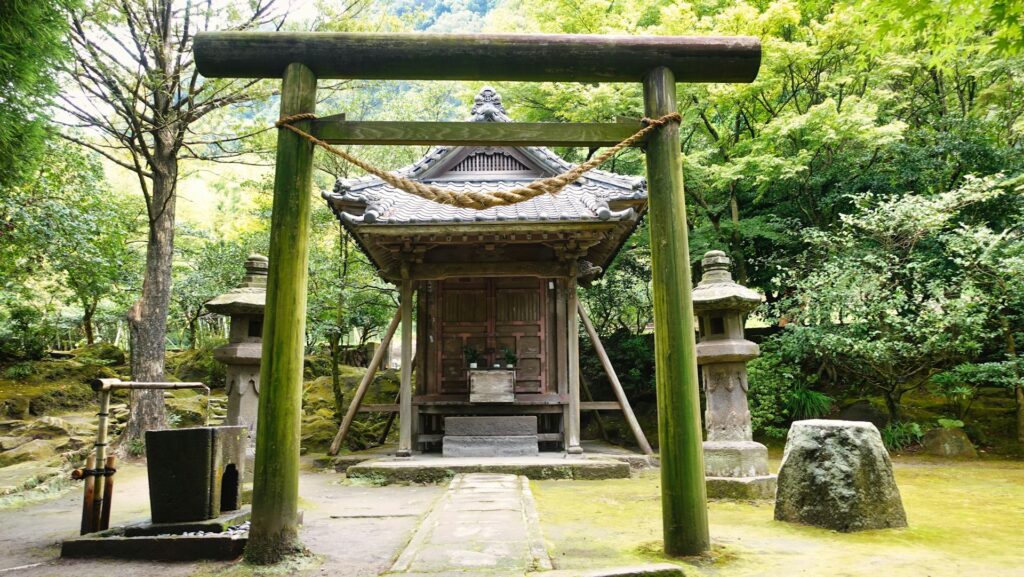
Step into the elegance at Sengan-en, a stunning Japanese garden that transports you back to the days of samurai sophistication. Once the residence of the powerful Shimazu Clan, Sengan-en offers a rare glimpse into the lifestyle of one of Japan’s most influential families while immersing you in a serene, beautifully landscaped world.
The garden itself is a masterpiece of design, harmoniously incorporating the natural beauty of Kagoshima Bay and Sakurajima as part of its “borrowed scenery” (shakkei). As you wander through paths lined with seasonal flowers, koi ponds, and traditional teahouses, every turn reveals a picture-perfect view. Keep an eye out for the Kagoshima-specific elements, such as the stone lanterns and bamboo groves that add to the garden’s charm.
4. Visit the Tsurumaru Castle Ruins
Built in the early 1600s as the seat of the Shimazu Clan, Tsurumaru Castle may now be a ruin but its grandeur endures in its walls. As you wander through this storied site, you’ll feel a connection to the samurai past and the timeless strength of a region steeped in history.
Unlike many Japanese castles, Tsurumaru Castle was constructed without a central keep (tenshu), an intentional choice that reflected the Shimazu Clan’s confidence in their authority and their focus on governance rather than war. Instead, its strength lay in its formidable stone walls, wide moats, and intricate layout—elements that remain intact to this day.
Though much of the castle was destroyed over time—first by fire and later during the upheavals of the Meiji Restoration—the ruins tell a story of perseverance.
5. Pray at Kirishima Jingu
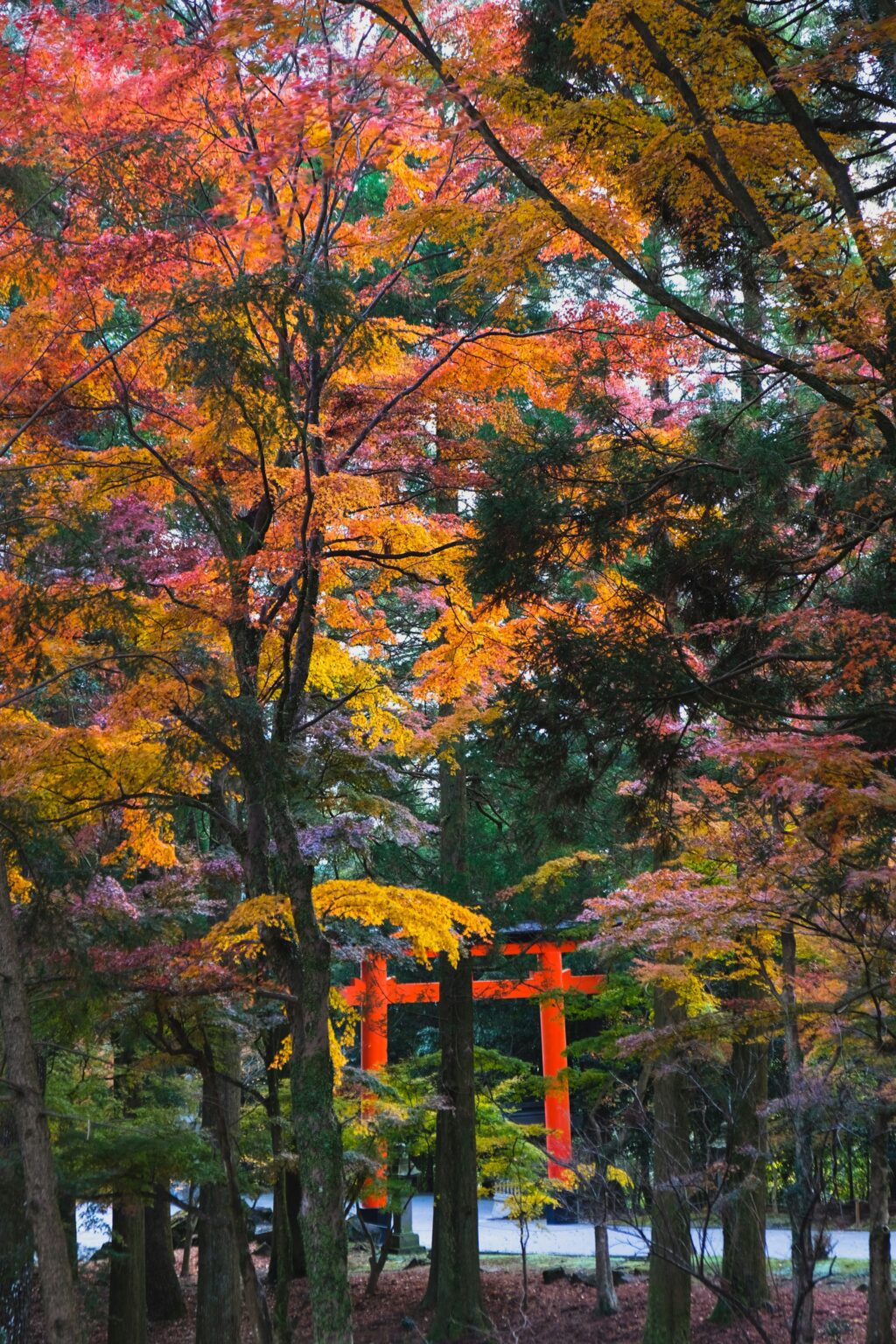
Kirishima Jingu is one of Kagoshima’s most revered spiritual sites. Unlike typical Shinto shrines (jinja), a “jingu” holds special significance, as the title is reserved for shrines closely associated with the Imperial family or enshrining deities of national importance. Kirishima Jingu, sometimes referred to as the “Nikko of the West”, reflects this elevated status through its grandeur, architectural detail, and deeply rooted cultural significance.
The shrine is dedicated to Ninigi-no-Mikoto, the grandson of the sun goddess Amaterasu, who, according to Japanese mythology, descended from the heavens to rule the Earth from the sacred peaks of Kirishima. This mythological event, known as Tenson Korin, is a cornerstone of Japan’s spiritual history, making Kirishima Jingu not just a place of worship but a gateway to Japan’s divine origins.
As you approach the shrine, the brilliant red vermilion torii gate welcomes you, standing in stark contrast to the deep greens of the surrounding forest. Walking through its grounds, you’ll be mesmerized by the shrine’s intricate carvings, bold lacquered colors, and sweeping roofs that exude majesty.
6. Climb up to Shiroyama Park Observation Deck
For one of the most breathtaking views in Kagoshima, make your way to the Shiroyama Park Observation Deck. Perched atop Mt. Shiroyama and standing at 107 meters above sea level, this scenic spot offers sweeping vistas that capture the heart of Kagoshima’s natural beauty.
Shiroyama is more than just a vantage point—its name, meaning “Castle Mountain,” pays tribute to its history as part of the defensive grounds of Tsurumaru Castle. The area was also a pivotal site during the Satsuma Rebellion of 1877, where Saigo Takamori, the legendary “last samurai,” made his final stand.
7. Explore Uenohara Jomon no Mori
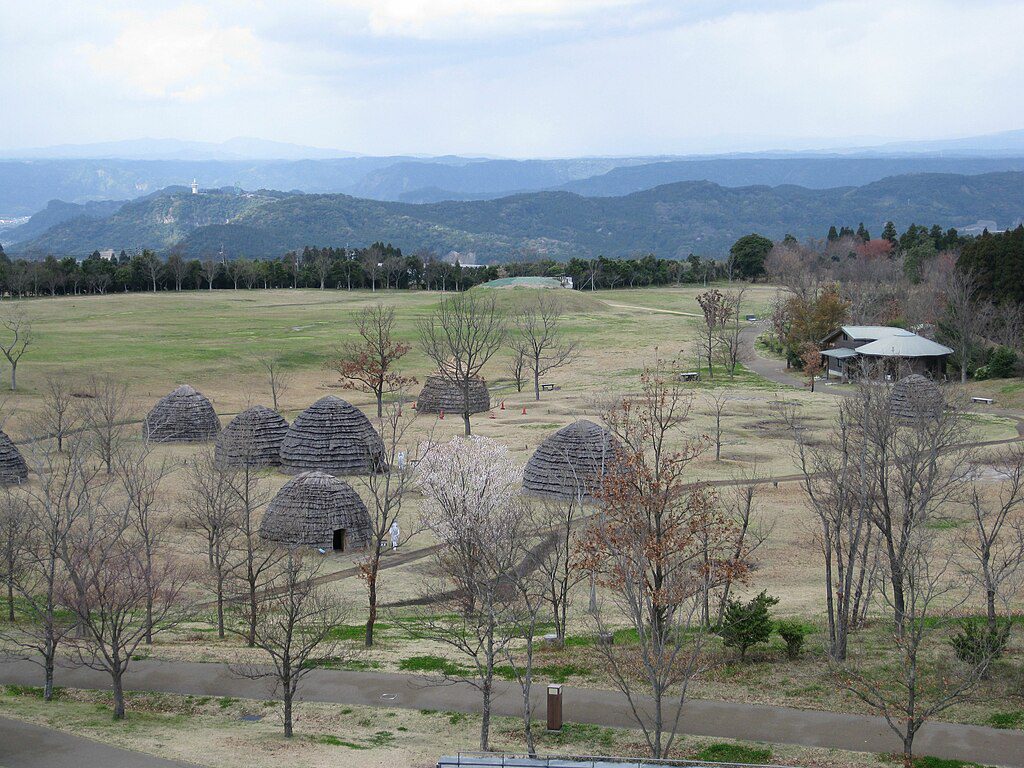
Uenohara Jomon no Mori is a fascinating archaeological site and open-air museum that immerses you in the life and culture of the Jomon Period (approximately 13,000–300 BCE).
Discovered in the 1990s, Uenohara is home to some of the country’s oldest Jomon-era artifacts and remains, including tools, pottery, and ancient dwellings that date back over 9,000 years. These discoveries make the site a critical piece of Japan’s cultural puzzle, offering insights into the lives of the hunter-gatherers who once thrived here.

8. Experience the Ibusuki Sand Onsen
For a one-of-a-kind relaxation experience, head to Ibusuki and indulge in the unique sand onsen—a natural hot sand bath unlike anything you’ll find elsewhere in Japan. Located along Kagoshima’s southern coastline, Ibusuki is famous for its volcanic activity, which heats the sand along the shore, creating a therapeutic and unforgettable spa experience.
At the Ibusuki Sand Onsen, you’ll trade a traditional hot spring soak for a natural sand bath. After donning a light yukata (cotton robe), attendants will gently cover you in warm, mineral-rich sand heated by geothermal springs flowing below the surface. As you lie back, the weight and warmth of the sand envelop your body, stimulating blood circulation, soothing tired muscles, and drawing out toxins. It’s like being cradled by the earth itself, with the gentle sounds of the sea providing a calming backdrop.
The recommended time to stay buried is about 10–15 minutes, during which you’ll feel a pleasant heat spreading throughout your body. Once finished, rinse off the sand and enjoy a dip in the nearby hot spring baths for the ultimate rejuvenation. The combination of sand and onsen therapy leaves you feeling light, refreshed, and deeply relaxed.
9. Cross through Ishibashi Memorial Park
Ishibashi Memorial Park pays homage to three magnificent stone bridges (ishibashi), which were once essential landmarks in Kagoshima before being relocated to this site following a devastating natural disaster.
Originally constructed in the mid-19th century during the Edo period, the bridges—Nishida Bridge, Tamae Bridge, and Kotsuki Bridge—showcase the advanced stone masonry techniques of the time. They were carefully designed to withstand Kagoshima’s frequent rains and volcanic ash. The bridges spanned the Kotsuki River for over a century, serving as vital links for the city’s people and goods.
However, in 1993, heavy flooding caused severe damage to the bridges. To preserve their legacy, two were carefully reconstructed and moved to their current location in Ishibashi Memorial Park, while the remnants of the third serve as a historical exhibit.
10. Hike up Mt. Kaimon
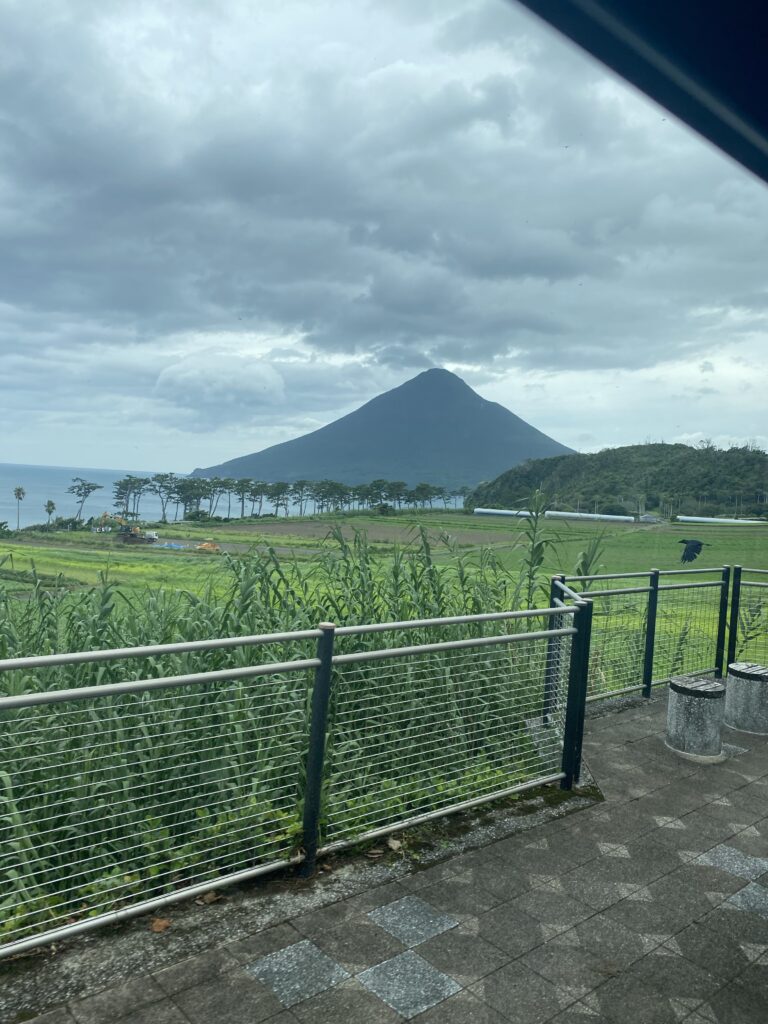
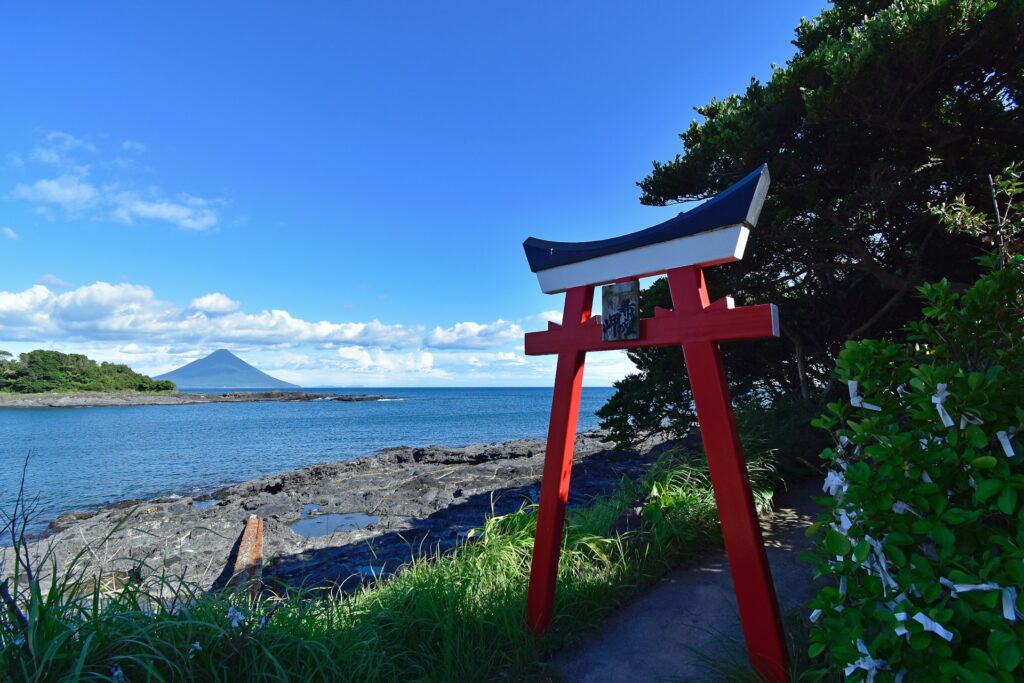
Rising majestically over the southern edge of Kagoshima Prefecture, Mt. Kaimon—often called the “Fuji of Satsuma”—is one of the most iconic natural landmarks in the region. Standing at 924 meters, this perfectly conical volcano offers a stunning silhouette against the backdrop of the blue skies.
Although Mt. Kaimon is a dormant volcano, its presence exudes quiet grandeur and has long been revered as a sacred mountain. For adventurers, hiking to the summit is a rewarding challenge. The well-maintained trail takes about 4–5 hours round trip, winding through lush forests, rocky terrain, and moss-covered pathways. For a more in-depth look at Kaimondake, you can check out my hiking guide on it here. On the other hand, there is also a tour that takes you to both Ibusuki and Mt. Kaimon that you can check out through here.
Where to Stay in Kagoshima
When it comes to finding the perfect place to stay in Kagoshima, you’ll be spoiled for choice with options that cater to every type of traveler. Cozy ryokan with onsen baths or budget-friendly hostels in the heart of the city, Kagoshima has something for everyone. Wherever you choose to stay, you’ll find warm hospitality and an authentic taste of southern Japan’s charm.
Best Hotels in Kagoshima:
- JR Kyushu Hotel Kagoshima – features modern guest rooms with free Wi-Fi and essential amenities like LCD TVs, air conditioning, and private bathrooms. You can enjoy traditional Kagoshima cuisine and a hearty breakfast buffet at the on-site Ekitei Satsuma restaurant. The hotel also offers services such as luggage storage, in-room massages, dry cleaning, and coin laundry facilities for a comfortable and hassle-free stay.
- Kagoshima Sun Royal Hotel – offers a luxurious stay with a 13th-floor hot-spring bath overlooking Kagoshima Bay, complemented by French and Japanese dining options and a Sky Bar with panoramic views. The hotel features rooms with city or Sakurajima Island views, en suite baths, and modern amenities like LCD TVs and free internet.
- Henn na Hotel Kagoshima Tenmonkan – for something a bit more unique, Henn na Hotel features themed rooms with a huge variety. The hotel features air-conditioned rooms equipped with a flat-screen TV, fridge, and private bathroom.
Best Hostels in Kagoshima:
- Green Guest House – offers excellent access to Southern Kyushu’s attractions. The rooftop provides stunning views of Sakurajima, while free 24-hour amenities include showers, internet, and a shared kitchen. Rooms are air-conditioned, with Wi-Fi available throughout the building. Note that the hostel has no elevator, which may be a consideration for those with mobility issues.
- Guesthouse M104 Kagoshima – offers a warm and welcoming atmosphere, perfect for travelers seeking comfort and convenience. You can enjoy air-conditioned rooms with free Wi-Fi, relax in the chill-out room with cable TV, or connect with loved ones using the property-wide internet. The guesthouse also features a restaurant, a terrace, and luggage storage for a comfortable and enjoyable stay.
How to Get Around Kagoshima
With its well-connected public transport and scenic routes, getting around Kagoshima is pretty easy:
Tram (Kagoshima City View Line): The trams operate frequently, and the flat fare system makes it simple to hop on and off as you explore the city.
Bus: The Kagoshima City View Bus is a sightseeing loop that connects major attractions, while regional buses make it easy to reach destinations like Ibusuki, Kirishima, or Uenohara Jomon no Mori.
- Train: Kagoshima is well-connected by train, with the JR Kyushu network providing access to nearby cities. The Kyushu Shinkansen brings you to Kagoshima-Chuo Station in style and speed, while the local Ibusuki Makurazaki Line offers scenic coastal rides to destinations like Ibusuki and Mt. Kaimon.
- Car: For maximum flexibility, renting a car is the best option, especially if you’re exploring Kagoshima’s countryside, hot springs, or mountains.
- Taxi: Taxis are widely available in Kagoshima and are a convenient option for short distances or late-night travel. While more expensive than public transport, drivers are courteous and professional, and many taxis accept cashless payment options.
Consider purchasing a Cute Pass, a budget-friendly transportation pass that covers unlimited rides on trams, buses, and ferries for one or two days. More info can be found at the official website.
Best Time to Visit Kagoshima
The best time to visit Kagoshima is in spring (March to May) or autumn (September to November) when the weather is mild, and the natural beauty of the region is at its peak. In spring, temperatures range from 10–20°C (50–68°F), making it perfect for enjoying cherry blossoms at places like Shiroyama Park and Sengan-en or hiking in the Kirishima mountains under clear skies.
Autumn offers similarly comfortable temperatures, averaging 15–25°C (59–77°F), with the added bonus of stunning fall foliage in areas like Kirishima Jingu and the countryside. These seasons are ideal for exploring Kagoshima’s outdoor attractions, indulging in local cuisine, and enjoying the cultural festivals that often occur during these times.
Plan Your Trip to Japan | Best Travel Resources
Book Your Accommodations
- Booking.com – the world’s leading online booking platform for accomodations around the world, they have an extensive amount of available listings with zero booking fees and best price guarantees.
- Hostelworld – a backpacker’s best friend, Hostelworld has the largest collection of hostels and guesthouses for affordable prices.
Don’t Forget Insurance
- SafetyWing – from Nomad Insurance, an insurance by nomads for nomads. They understand our lifestyle well and have really comprehensive and flexible plans that cater to any traveler.
Find Cheap Flights
- Kiwi.com – my go-to for booking and finding the cheapest flights and it’s helped me save tons of money. They do virtual interlining which is connecting flights from airlines that do not codeshare, so you can find routes that you wouldn’t be able to find normally.
Join Tours & Activities
- GetYourGuide – is one of the best places to find unique tours and activities. I found that it’s an excellent way to meet fellow travelers and create fond memories. They are not only limited to tours as they also offer niche services such as skip-the-line tickets or private transfers.
Catch a Ride
- Rentalcars.com – nothing beats the freedom of the road, Rentalcars.com is the world’s largest online car rental service. They operate across 160 countries so they’re the perfect partner to work with if you find yourself wanting a ride.