Polish culture is a dynamic blend of deep-rooted traditions, resilience, and an unwavering sense of identity. It is a culture that has withstood the test of time, shaped by a storied history, a strong connection to heritage, and an innate warmth that defines its people.
What makes Polish culture truly distinct is its ability to balance old-world customs with modern influences, creating a sense of continuity that spans generations. It is a culture that values hospitality, where traditions are not merely relics of the past but vibrant, living practices that continue to shape daily life. Whether expressed through language, folklore, or social customs, Poland’s cultural identity remains both deeply personal and universally welcoming.
In this article, we will explore the many facets of Polish traditions and customs, uncovering what makes Poland’s cultural heritage not only unique but also deeply cherished by those who call it home.
Table of Contents
ToggleCultural Concepts in Poland
Gościnność
Hospitality is a cornerstone of Polish culture. The concept of gościnność emphasizes warmth, generosity, and making guests feel welcome, often expressed through an abundance of food, drink, and lively conversation. When visiting a Polish home, it is customary for the host to offer plenty of food, and guests are expected to accept—even if they insist they are not hungry. This tradition reflects the deep-rooted Polish belief in caring for others and making them feel at home.
Załatwić
The art of getting things done, Polish style. The verb załatwić roughly translates to “to get something done,” but in Polish culture, it carries a nuanced meaning. It refers to the ability to navigate bureaucracy, solve problems, or find creative ways to accomplish tasks, often through personal connections and resourcefulness.
Janosikowe
Inspired by the legendary Polish-Slovak outlaw Janosik, who stole from the rich to give to the poor, Janosikowe refers to a redistribution tax in Poland. It requires wealthier regions to contribute to less-developed areas, much like a modern Robin Hood principle. While it’s an official financial term, it also reflects the broader cultural theme of social fairness and supporting the less fortunate.
Zastaw się, a postaw się
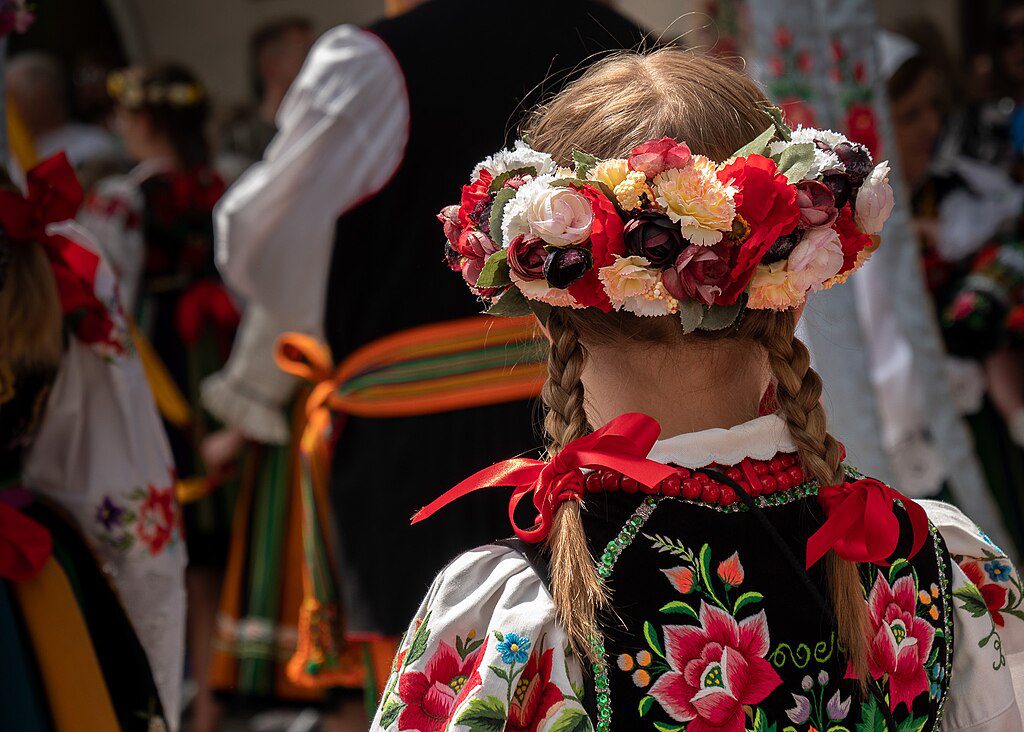
This old Polish saying means “go into debt if you must, but make an impression.” It refers to the cultural emphasis on hospitality, generosity, and maintaining appearances, even if it requires personal sacrifice. While less prevalent today, this mindset can still be seen in how Poles go above and beyond when hosting guests or celebrating important occasions.
Ojczyzna
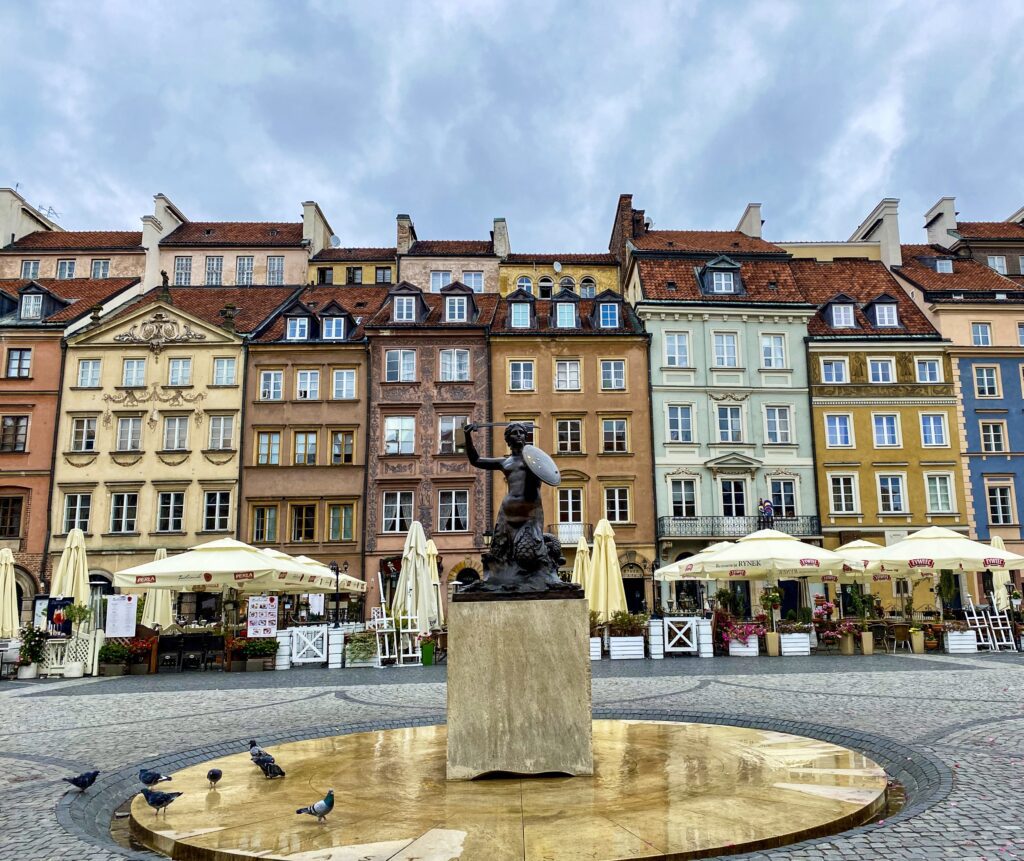
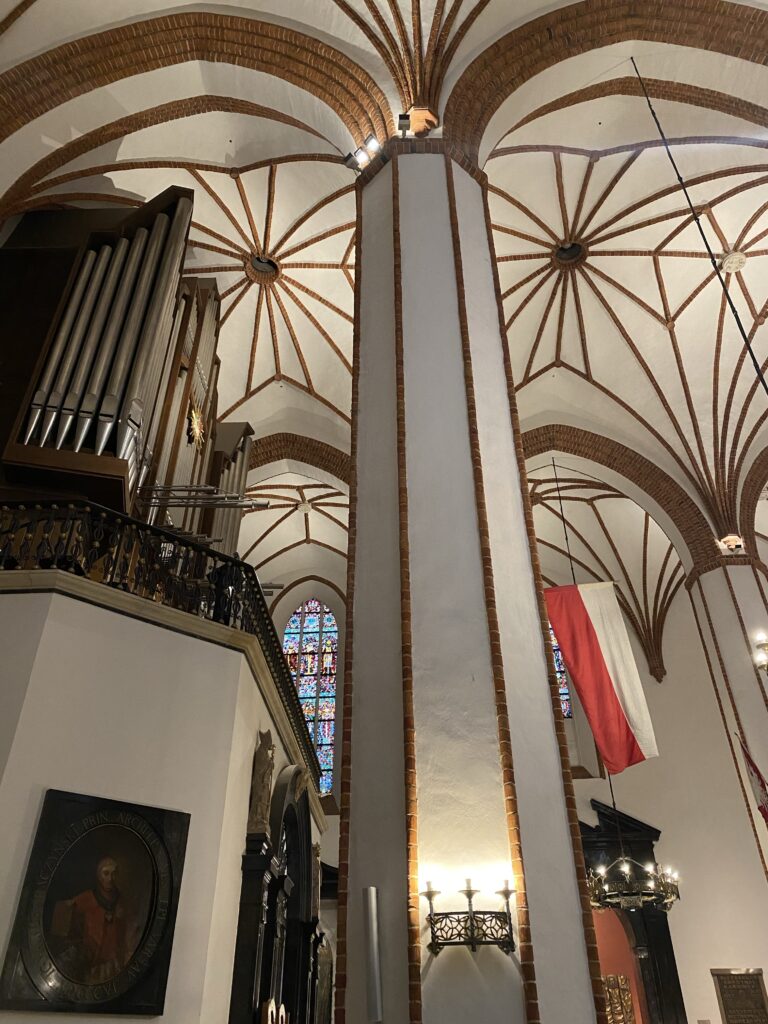
The word ojczyzna conveys more than just a homeland—it represents a deeply emotional and patriotic connection to Poland. Throughout its turbulent history (such as Warsaw), Poles have fought and sacrificed to preserve their nation and identity, making ojczyzna a sacred concept tied to national pride and resilience. This deep sense of belonging and love for Poland is evident in literature, poetry, and everyday expressions of patriotism.
What is the Religion in Poland?
Poland is one of the most religious countries in Europe, with the overwhelming majority of its population adhering to Roman Catholicism.
According to recent statistics from Poland’s Central Statistical Office (GUS) and the Catholic Church, approximately 87-90% of Poles identify as Roman Catholic. The Catholic Church has historically been a unifying force, particularly during times of foreign occupation, war, and political upheaval.
While Poland is predominantly Catholic, it is also home to minority religious communities, including: Orthodox Christianity, Protestantism, Judaism & Islam.
What are the Traditions in Poland?
Sto Lat
Instead of the English “Happy Birthday” song, Poles sing Sto Lat, which translates to “One Hundred Years.” This song is not only sung at birthdays but also at weddings, name days (imieniny), and other special occasions. It is a wish for long life, health, and happiness, often accompanied by toasts of vodka or another celebratory drink.
Andrzejki
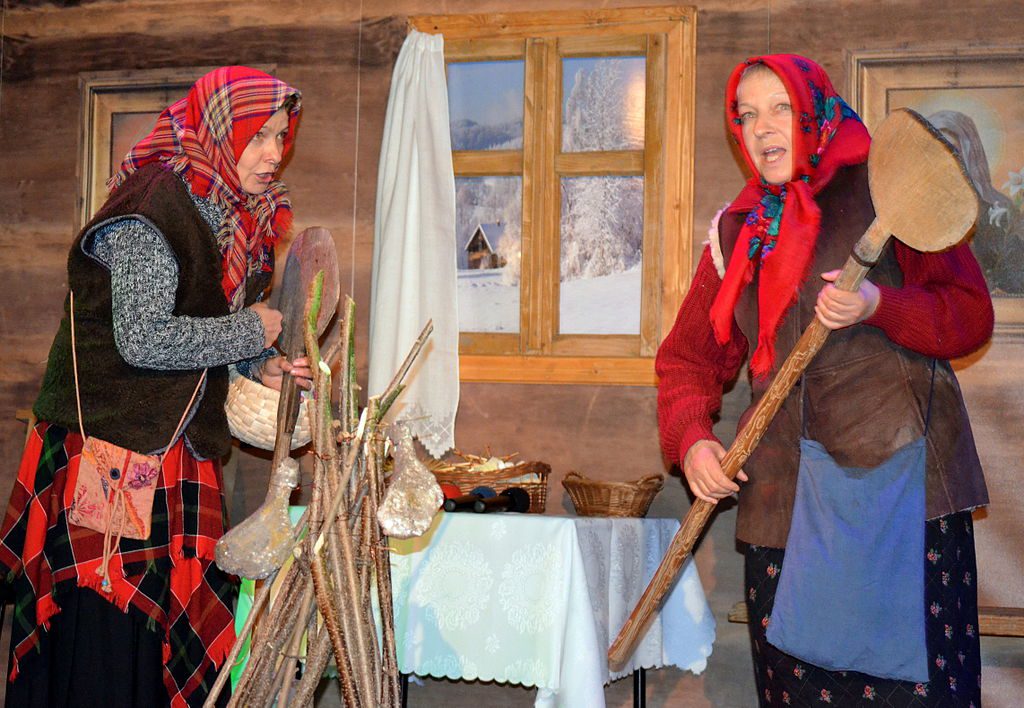
On the eve of St. Andrew’s Day (Andrzejki), Poles participate in fortune-telling rituals, especially young people who seek insights into their future love lives. One of the most famous traditions involves wax pouring, where melted wax is dripped into cold water and the resulting shape is interpreted as a sign of the future. Another custom includes placing names under pillows or in bowls of water and drawing them at random to predict a future spouse.
Topienie Marzanny
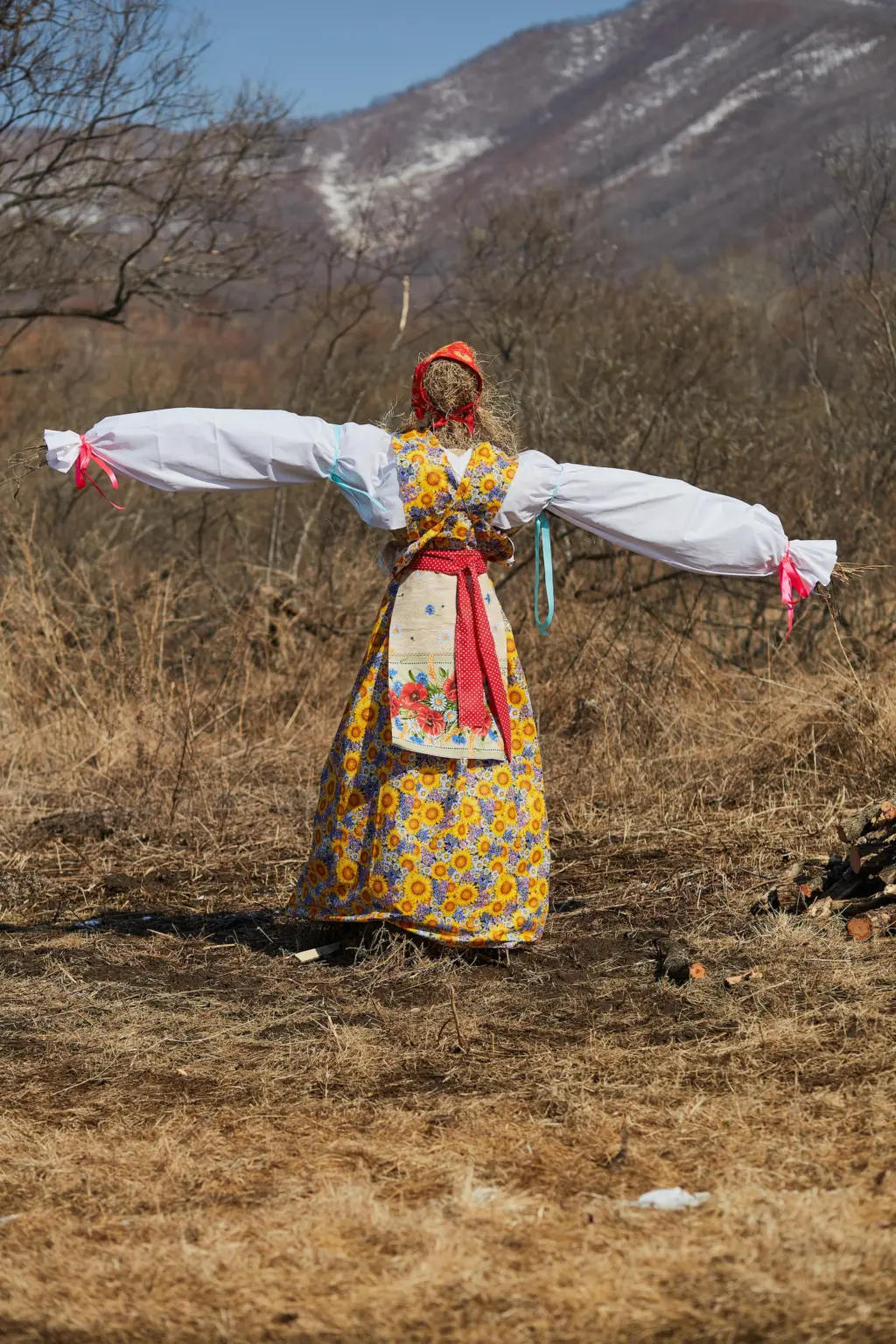
A unique Slavic tradition in Poland is the Topienie Marzanny ritual, which marks the end of winter and the arrival of spring. Children and villagers create an effigy of Marzanna, the Slavic goddess of winter and death, and either burn or drown her in a river to symbolically say goodbye to the cold season. This fun and dramatic event is still practiced in schools and rural areas, especially on the first day of spring.
Pasowanie na Ucznia
One of Poland’s charming school traditions is Pasowanie na ucznia, a formal ceremony where first-graders are officially welcomed into school. During this event, teachers symbolically “knight” each child by touching their shoulder with a giant pencil. This marks their transition into the world of education and is often accompanied by performances and speeches.
Polish Traditional Dance
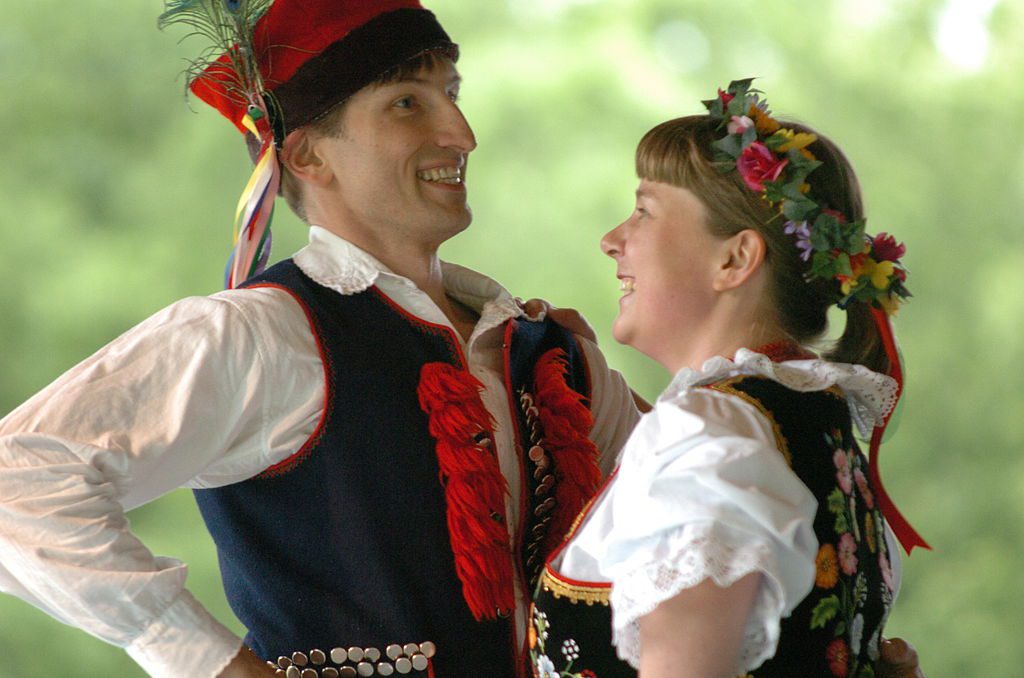
Traditional Polish dances have been performed for centuries at celebrations, weddings, and festivals, with some even gaining official recognition as national symbols. Let’s get to know them a bit more:
The Five National Dances of Poland
- Polonez – A stately and elegant dance that symbolizes Polish nobility and grace. Traditionally performed at royal courts and special occasions, the Polonez features a slow, dignified pace with dancers moving in a procession, often holding hands.
- Mazur – A fast-paced and dynamic dance with intricate footwork and quick, rhythmic steps. Originating from the Mazovia region, the Mazur is known for its lively jumps and turns, making it one of Poland’s most spirited dances.
- Krakowiak – A dance from the Krakow region, recognized for its fast tempo and syncopated rhythm. It is performed with high-energy steps, quick turns, and dynamic group formations. The Krakowiak often features bold, colorful costumes inspired by the Krakow tradition.
- Kujawiak – A slow and romantic dance originating from the Kujawy region. It has a flowing, swaying motion, reflecting the gentle and melancholic melodies of its accompanying music. Dancers often perform in pairs, moving gracefully to express deep emotion.
- Oberek – The fastest and most vigorous of the Polish national dances, the Oberek is full of spinning, twirling, and quick foot movements. Dancers must be highly skilled to keep up with the rapid tempo and complex choreography.
Polish Traditional Music
Polish traditional music is a rich and diverse element of the country’s cultural heritage, shaped by regional influences, folk traditions, and national identity. One of the most distinct features of Polish folk music is its use of traditional instruments, many of which have been passed down for generations:
- Suka Biłgorajska – A rare Polish folk instrument similar to a violin but played vertically, like a cello. It produces a deep, resonant sound and was historically popular in rural music.
- Dudy – Used mainly in southern Poland, especially in the Podhale region, these bagpipes are often played during traditional highland music.
- Cymbały – A stringed instrument struck with small hammers, producing a shimmering, percussive sound. It is commonly used in eastern Poland and is associated with folk and Romani traditions.
- Bębenek – A small drum, often played with a stick or hand, providing rhythm in folk ensembles.
- Lira Korbowa – A medieval instrument with a crank handle that produces a continuous drone while keys create melodies. It was historically played by wandering musicians and remains a rare but iconic instrument in Polish folk music.
What to Eat in Poland
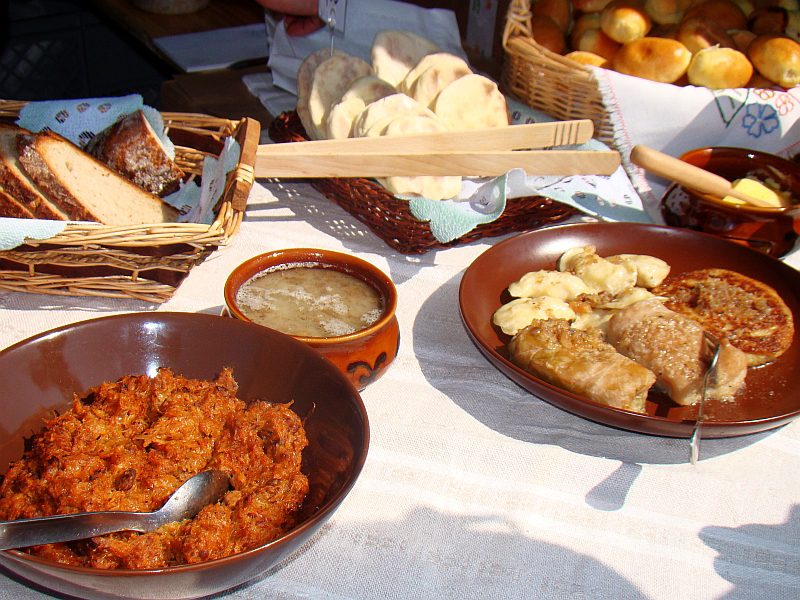
From comforting soups to iconic dumplings and indulgent desserts, Polish food is a celebration of warmth, hospitality, and culinary heritage. Here are some must-try dishes:
- Pierogi – Poland’s most famous dish, these stuffed dumplings come with a variety of fillings, including potato and cheese, meat, mushrooms and cabbage, or sweet options like blueberries.
- Bigos – Known as “hunter’s stew,” this dish combines sauerkraut, fresh cabbage, various meats, and spices, simmered together for a deep, smoky flavor. This is also Poland’s national dish.
- Kotlet Schabowy – A breaded and fried pork cutlet similar to schnitzel, often served with potatoes and a side of cabbage or beetroot salad.
- Placki Ziemniaczane – Crispy potato pancakes, often eaten with sour cream, mushroom sauce, or a sprinkle of sugar for a sweet version.
- Zapiekanka – A popular street food, this is an open-faced baguette topped with cheese, mushrooms, and other toppings, then baked until crispy.
- Barszcz – A deep red beetroot soup, often served with dumplings called uszka or as a clear broth.
- Szarlotka – A Polish apple pie, often served with whipped cream or ice cream.
- Pierniki – Spiced gingerbread cookies from Torun, sometimes filled with plum jam or covered in chocolate.
What is Polish Language like?
The Polish language (język polski) is the official language of Poland, spoken by over 45 million people worldwide, including large Polish diaspora communities in countries such as the United States, Canada, the United Kingdom, and Germany. It belongs to the West Slavic branch of the Indo-European language family, sharing similarities with Czech and Slovak but maintaining a distinct phonetic and grammatical structure.
Polish is known for its rich vocabulary, complex grammar, and unique pronunciation, making it both fascinating and challenging for learners. One of its most striking features is the frequent use of consonant clusters, which result in words that may seem difficult to pronounce for non-native speakers, such as chrząszcz (beetle) or szczęście (happiness). The language also employs a system of seven grammatical cases that modify nouns, pronouns, and adjectives based on their function in a sentence, adding layers of complexity to its structure.
The Polish alphabet is based on the Latin script but contains 32 letters, including special characters with diacritical marks such as ą, ć, ę, ł, ń, ó, ś, ź, and ż. Additionally, Polish nouns are categorized into three grammatical genders—masculine, feminine, and neuter—which influence verb conjugations and adjective endings.
Useful Polish Phrases for Travel
|
Polish
|
English
|
|---|---|
|
Dzień dobry (jen DOH-bri)
|
Good day
|
|
Do widzenia (doh veed-ZEH-nyah)
|
Goodbye
|
|
Proszę (PRO-sheh)
|
Please
|
|
Dziękuję (jen-KOO-yeh)
|
Thank you
|
|
Nie ma za co (NYEH ma ZA tso)
|
You're welcome
|
|
Przepraszam (pshe-PRA-sham)
|
Excuse me / Sorry
|
|
Tak
|
Yes
|
|
Nie
|
No
|
|
Poproszę menu (po-PRO-sheh MEH-noo)
|
The menu, please
|
|
Poproszę rachunek (po-PRO-sheh ra-HOO-nek)
|
Can I have the bill, please?
|
|
Ile to kosztuje? (EE-leh toh kosh-TOO-yeh?)
|
How much does this cost?
|
|
Pomocy! (po-MO-tsy!)
|
Help!
|
|
Nie rozumiem (nyeh ro-ZOO-myem)
|
I don’t understand
|
Traditional Festivals in Poland
Christmas
Christmas in Poland is one of the most important and cherished holidays, with Wigilia (Christmas Eve) being the centerpiece of celebrations. On the evening of December 24th, families gather for a solemn and traditional supper, breaking the opłatek (Christmas wafer) to share blessings and good wishes. The meal consists of 12 meatless dishes, including pierogi, barszcz (beet soup), and carp. A special place is often left at the table for an unexpected guest, symbolizing Polish hospitality. Midnight Mass (Pasterka) is attended by many, and Christmas Day (Boże Narodzenie) is a time for rest, joy, and family gatherings.
Easter
Easter in Poland is a deeply religious and festive time, starting with Palm Sunday and culminating in the Easter Sunday feast. The holiday begins with Wielka Sobota (Holy Saturday), when families bring baskets of food to church to be blessed. Easter Sunday is marked by a celebratory breakfast featuring traditional dishes like żurek (sour rye soup) and babka (Easter cake). The festivities continue on Śmigus-Dyngus (Wet Monday), a playful custom where people splash water on one another, symbolizing purification and spring renewal.
All Saints’ Day
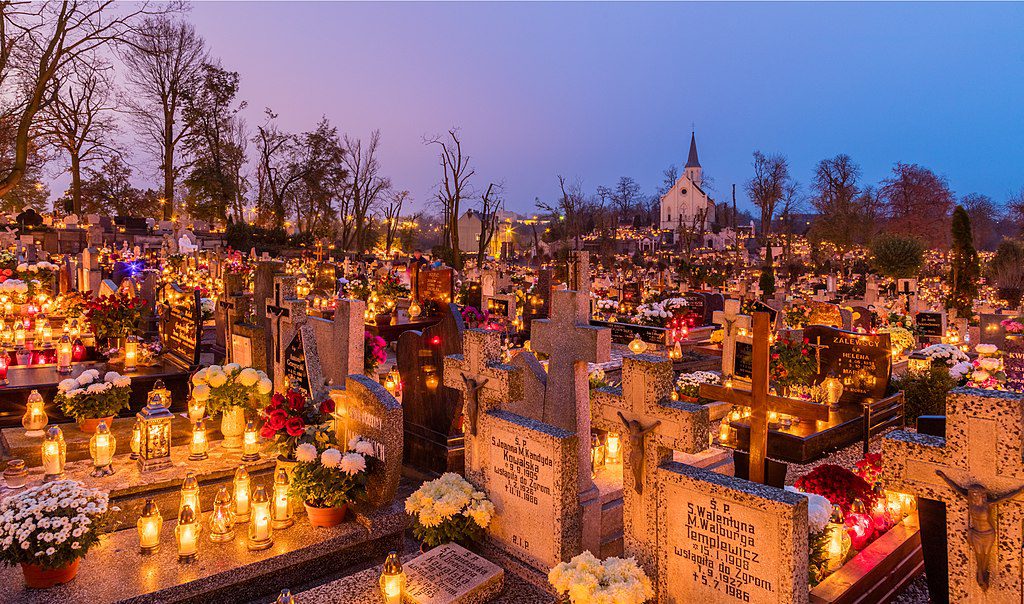
All Saints’ Day is a solemn and reflective holiday dedicated to honoring deceased loved ones. On November 1st, millions of Poles visit cemeteries to light candles on graves, creating a breathtaking sea of flickering lights at night. Families lay flowers, say prayers, and remember their ancestors, making this one of the most deeply spiritual and visually striking traditions in Poland. The atmosphere is one of quiet remembrance, reinforcing the strong connections of family heritage.
Harvest Festival
Dożynki, or the Polish Harvest Festival, is a centuries-old Slavic tradition celebrated in late summer or early autumn, marking the end of the harvest season. Originally a rural celebration, it has grown into a nationwide festival featuring folk dances, music, and parades. The most symbolic part of Dożynki is the wreath ceremony, where beautifully woven grain wreaths are presented as a gesture of gratitude for a bountiful harvest. Traditionally, the best loaf of bread is given to local leaders, emphasizing the importance of food and community.
Customs in Poland
- One of the most strictly observed customs in Poland is removing shoes before entering a home. Regardless of the weather or occasion, Poles expect guests to take off their shoes at the door.
- Poles place great emphasis on formal speech, especially when addressing elders, professionals, or strangers. Instead of using first names immediately, Poles use titles and last names, such as Pan (Mr.) or Pani (Mrs./Ms.) followed by the surname. Only after a closer relationship is formed does first-name basis become acceptable, and even then, it is often invited rather than assumed.
- When making a toast in Poland, it is customary to maintain eye contact while clinking glasses. Breaking eye contact is sometimes seen as disrespectful or even bad luck. The traditional Polish toast is Na zdrowie! (To health!), and failing to participate in the toast may be considered rude.
- Before a meal, it is customary to say “Smacznego!” (Enjoy your meal!), whether at home or in a restaurant. While it is not required, failing to say it when dining with others may feel like a missed social cue.
- Polish weddings (wesele) are known for their long, extravagant celebrations that typically last at least two days. The first day includes the main reception with food, dancing, and alcohol, while the second day, known as poprawiny, is a more relaxed continuation of the festivities. Guests are expected to stay and celebrate for as long as possible!
- Whistling indoors is considered bad luck in Poland, especially in homes. An old superstition suggests that whistling may “call in” evil spirits or bring financial misfortune. Many older Poles still frown upon this habit.
- Poles take name meanings seriously, and many traditional names have deep historical or religious significance. This is reflected in Imieniny (Name Days), where individuals celebrate the day associated with their name rather than their actual birthday. It is also why choosing a baby’s name is often a highly meaningful decision for Polish parents.
Plan Your Trip to Poland | Best Travel Resources
Book Your Accommodations
- Booking.com – the world’s leading online booking platform for accomodations around the world, they have an extensive amount of available listings with zero booking fees and best price guarantees.
- Hostelworld – a backpacker’s best friend, Hostelworld has the largest collection of hostels and guesthouses for affordable prices.
Don’t Forget Insurance
- SafetyWing – from Nomad Insurance, an insurance by nomads for nomads. They understand our lifestyle well and have really comprehensive and flexible plans that cater to any traveler.
Find Cheap Flights
- Kiwi.com – my go-to for booking and finding the cheapest flights and it’s helped me save tons of money. They do virtual interlining which is connecting flights from airlines that do not codeshare, so you can find routes that you wouldn’t be able to find normally.
Join Tours & Activities
- GetYourGuide – is one of the best places to find unique tours and activities. I found that it’s an excellent way to meet fellow travelers and create fond memories. They are not only limited to tours as they also offer niche services such as skip-the-line tickets or private transfers.
Catch a Ride
- Rentalcars.com – nothing beats the freedom of the road, Rentalcars.com is the world’s largest online car rental service. They operate across 160 countries so they’re the perfect partner to work with if you find yourself wanting a ride.