Warsaw isn’t just a city; it’s a force. A living testament to survival and transformation, this vibrant metropolis pulses with the energy of reinvention at every turn. From its cobblestone alleys steeped in history to its cutting-edge creative scenes, Warsaw dares you to look beyond the obvious.
It’s a city that refuses to be defined by its past yet wears its scars with pride—a place where tradition collides with modernity in the most unexpected ways. Here, the old world dances with the new, and every moment is an invitation to dive deeper.
Ready to uncover its secrets?
Table of Contents
ToggleHistory of Warsaw
Warsaw’s history is not for the faint of heart. It’s a saga of resilience and defiance, where every chapter is more gripping than the last. From its humble beginnings as a small trading settlement to becoming the capital of a burgeoning Polish-Lithuanian Commonwealth, Warsaw quickly grew into a cultural and political powerhouse.
The city’s story took a dark turn during the 20th century, enduring unimaginable devastation during World War II. By 1945, over 85% of Warsaw lay in ruins—a deliberate attempt to erase its existence. But Warsaw is no stranger to comebacks. Rising from its ashes, the city rebuilt itself brick by brick, reclaiming its skyline and spirit through the tireless efforts of its people. Warsaw’s history runs deep in its cobblestones and skies. To understand it is to understand the very essence of survival.
Legend of Warsaw
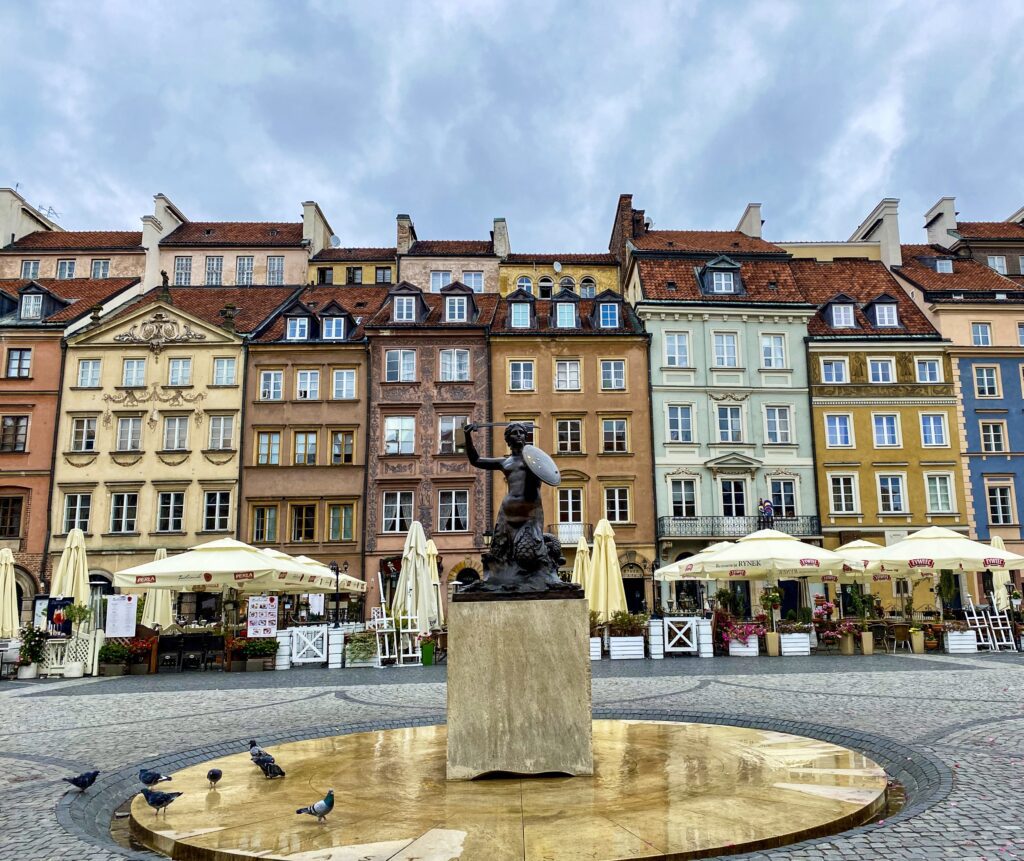
Long ago, a beautiful mermaid swam from the Baltic Sea into the Vistula River, drawn by its serene waters and lush surroundings. She eventually found a place so enchanting that she decided to stay. The mermaid spent her days swimming in the river and her nights singing hauntingly beautiful songs that captivated anyone who heard them.
Local fishermen noticed strange disturbances in the river—nets being tangled and fish vanishing. One evening, they discovered the mermaid as the cause. Instead of fearing her, they were enchanted by her kindness and beauty and decided to befriend her. However, a greedy merchant saw an opportunity to exploit the mermaid’s voice for profit. He captured her and locked her in a cage, planning to charge people to hear her sing.
The mermaid cried out for help, and her pleas reached a kind-hearted fisherman named Wars, who lived by the river. He, along with his friends, freed her from the merchant’s captivity. During this time, Wars fell deeply in love with the mermaid, and to everyone’s amazement, she loved him in return. Her name, as it turned out, was Sawa. Wars and Sawa decided to stay together, and their love became the foundation of the small settlement by the Vistula River.
As the community grew around them, the settlement came to be known as Warszawa (Warsaw in English), combining the names of the fisherman Wars and the mermaid Sawa. Over time, the city of Warsaw rose from these humble beginnings, with the mermaid becoming its enduring symbol. She vowed to protect the city and its people, standing guard with her sword and shield whenever danger loomed. To this day, the mermaid remains the emblem of Warsaw, embodying strength, resilience, and the magical origins of the city’s name.
Polish Cultural Overview
Polish culture is rooted in szlachta (noble) values and sarmatian influences, yet dynamically embracing contemporary global trends, the city reflects the multifaceted nature of Polish identity.
The folk traditions of mazurka music and kujawiak dance still resonate in Warsaw, blending with cutting-edge jazz and the electronic beats of modern Polish composers. The city is a hub of culinary revival, where classic dishes like pierogi, bigos, and zurek are reimagined by young chefs in milk bars and Michelin-starred kitchens alike.
For an in-depth exploration of Poland’s cultural richness, from its traditional arts to its avant-garde innovations, check out the Polish Culture guide here.
Top Things to Do in Warsaw
1. Explore Warsaw Old Town
No visit to Warsaw is complete without wandering through its enchanting Old Town (Stare Miasto), a UNESCO World Heritage Site. Rebuilt brick by brick after World War II, it shows the city’s dedication to preserving its heritage while creating a space that feels alive and welcoming.
Start your journey at the iconic Castle Square (Plac Zamkowy), the gateway to the Old Town. Marvel at the majestic Royal Castle (Zamek Królewski), a stunning reconstruction of the 17th-century royal residence, and snap a photo with the towering Sigismund’s Column (Kolumna Zygmunta), an enduring symbol of Poland’s monarchy.
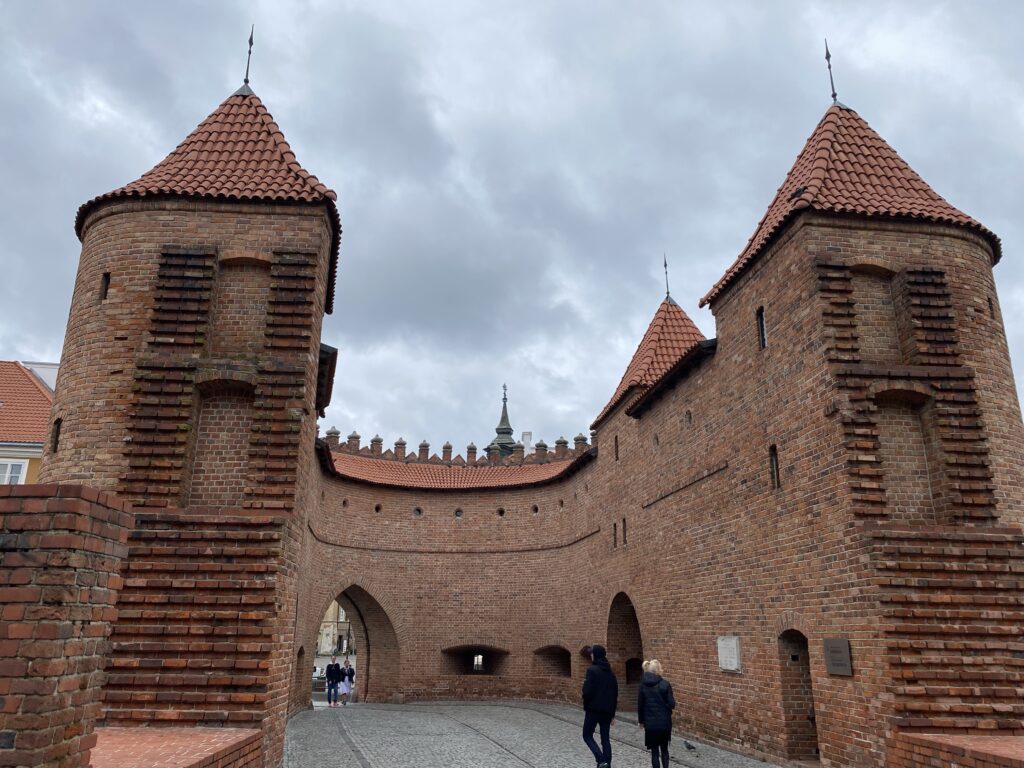
Wander further to the Barbican, a 16th-century fortress that once defended the city walls. Its red-brick towers and atmospheric surroundings provide a perfect backdrop for photos and a deeper dive into Warsaw’s medieval past.
You can join a guided walking tour through here or for more details on the must-see attractions around Warsaw’s Old Town, check out my detailed walking guide on it here.
2. Visit the Museum of Fryderyk Chopin
Immerse yourself in the world of Poland’s most celebrated composer at the Museum of Fryderyk Chopin. Nestled in the historic Ostrogski Palace, this museum offers a sensory-rich exploration of Chopin’s life, music, and legacy.
Spread across multiple floors, the museum showcases a blend of traditional artifacts and cutting-edge multimedia displays. Step into Chopin’s world through his personal letters, manuscripts, and even his death mask. The collection also includes the composer’s original Pleyel piano, a treasure for music enthusiasts.
The interactive exhibits invite you to experience Chopin’s genius firsthand. Listen to his compositions in dedicated sound rooms, discover the inspirations behind his works, and explore the social and cultural contexts that shaped his artistry.
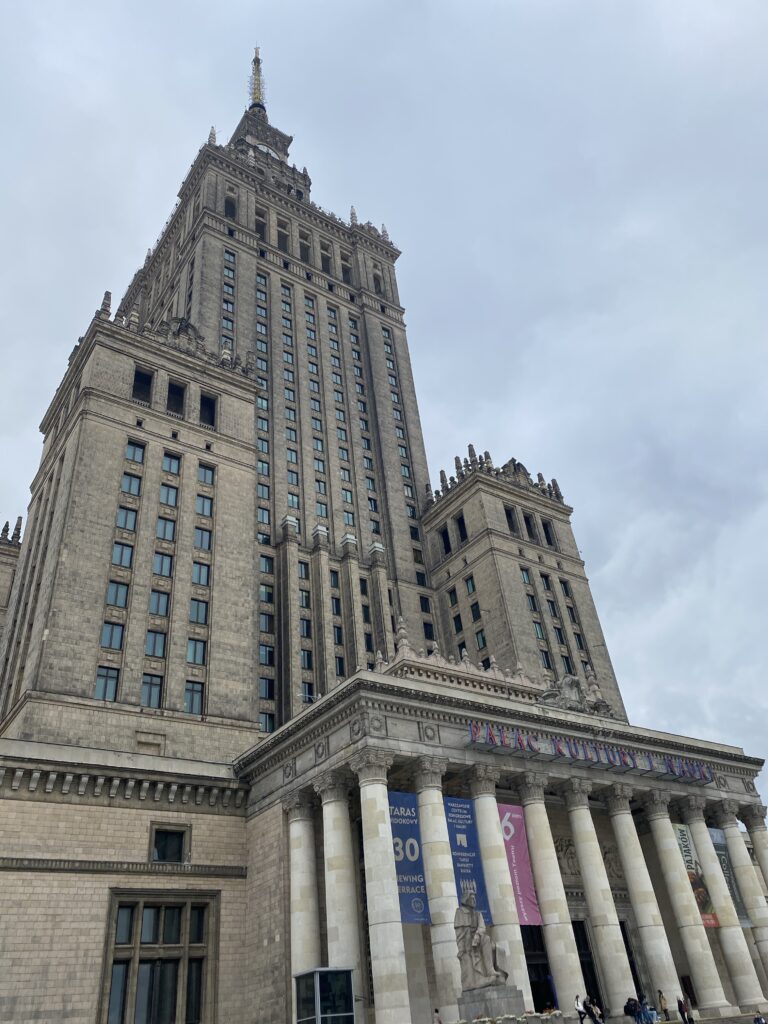
3. See the Views at Palace of Culture and Science
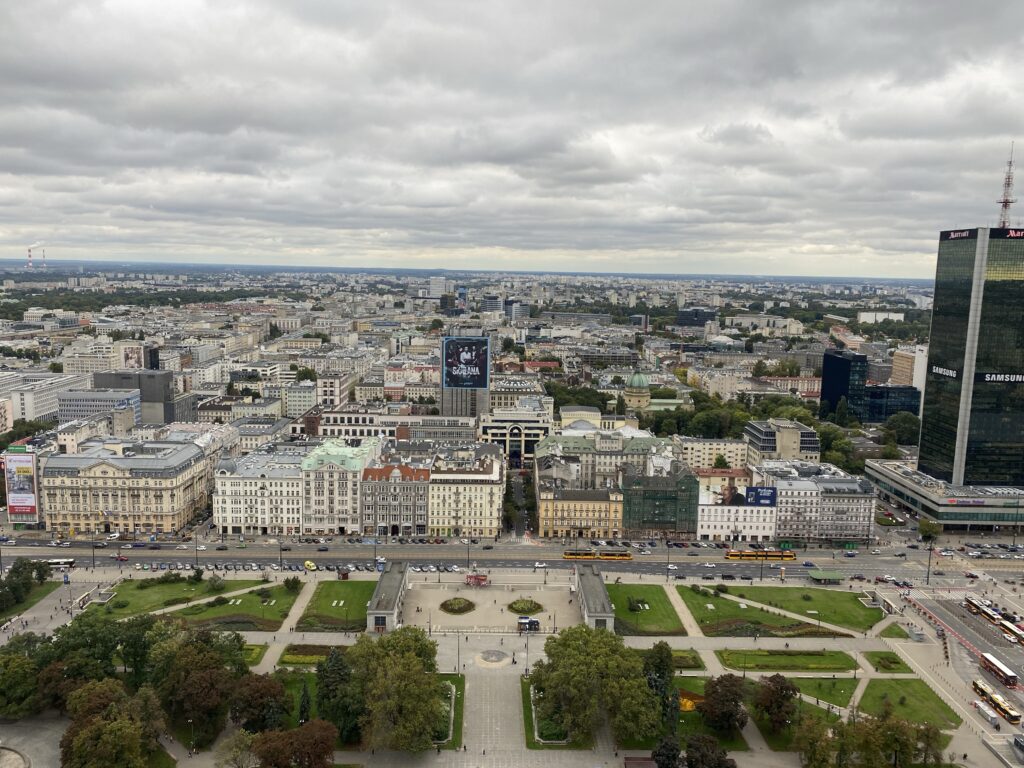
Towering over the city at 237 meters, the Palace of Culture and Science is one of Warsaw’s most recognizable landmarks. Gifted to Poland in the 1950s by the Soviet Union, this imposing structure blends Socialist Realist architecture with Art Deco influences, earning it both admiration and controversy.
Step inside to explore the palace’s many offerings. The 30th-floor observation deck, known as the taras widokowy, is a must-visit, offering panoramic views of Warsaw’s skyline that stretch as far as the horizon on clear days. Note that it can get really chilly and windy up there! For a cultural dive, the palace houses multiple theaters, cinemas, and museums, including the Museum of Technology and the Museum of Evolution, perfect for curious minds of all ages.
4. Drop by the Tomb of the Unknown Soldier
The Tomb of the Unknown Soldier stands as a solemn tribute to Poland’s fallen heroes. This iconic memorial honors the countless soldiers who gave their lives for the nation’s freedom throughout history.
The tomb, sheltered under the remains of the Saxon Palace’s colonnade, features a perpetually burning eternal flame and is guarded 24/7 by the Honor Guard. The changing of the guard ceremony, held every hour, is a dignified and moving spectacle that highlights Poland’s deep respect for its history and those who fought to defend it. Don’t miss the ceremonial guard change while you’re there which happens every hour.
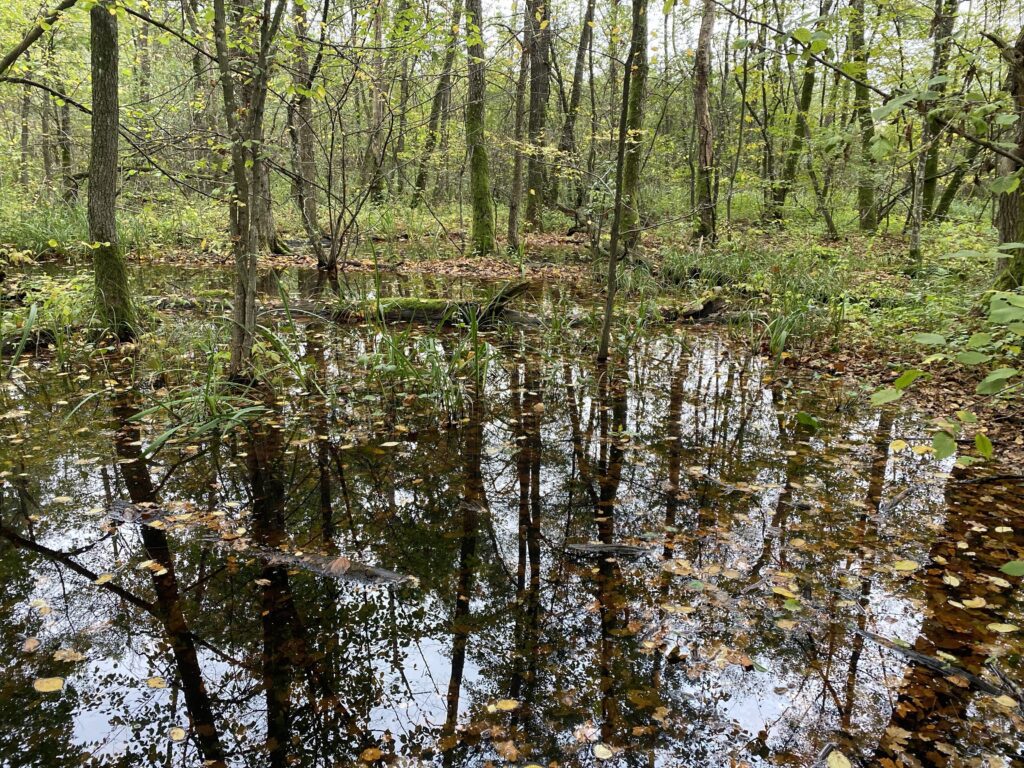
5. Hike Around Kampinos National Park
Escape the urban bustle and immerse yourself in the pristine wilderness of Kampinos National Park, just a short drive from Warsaw. Spanning over 38,000 hectares, this UNESCO-designated Biosphere Reserve is a haven for nature lovers.
The park is crisscrossed by an extensive network of hiking and cycling trails, making it a paradise for outdoor enthusiasts. Keep an eye out for the park’s wildlife, including moose, deer, wild boars, and a variety of bird species, such as white storks and owls. The serene wetlands are particularly striking, offering a tranquil setting for birdwatching and photography.
6. Go to the POLIN Museum of the History of Polish Jews
The POLIN Museum of the History of Polish Jews is a masterpiece of storytelling. This award-winning museum chronicles 1,000 years of Jewish life in Poland, from their arrival in the Middle Ages to their vibrant pre-war communities and the tragic events of the Holocaust, and beyond.
The museum’s design itself is symbolic: the striking undulating glass facade represents the parting of the Red Sea, a powerful nod to themes of survival and renewal. Inside, the Core Exhibition takes you on a chronological journey through eight interactive galleries.
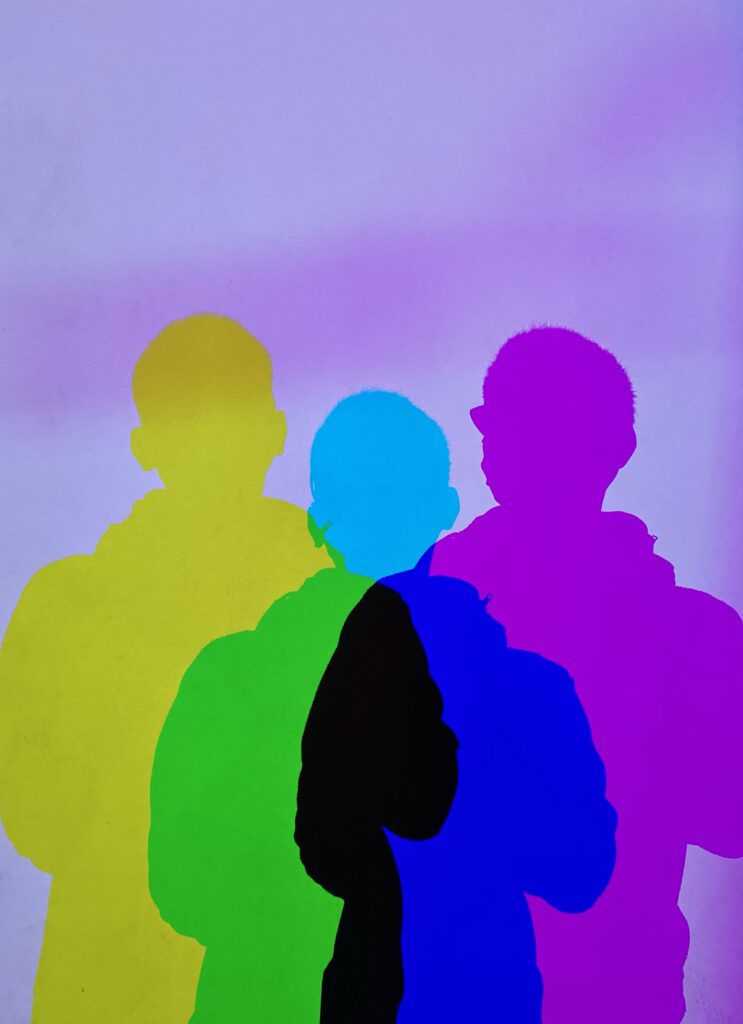
7. Check out the Copernicus Science Museum
Step into the Copernicus Science Centre (Centrum Nauki Kopernik),located on the banks of the Vistula River, this interactive museum offers a hands-on exploration of the wonders of science, making it a must-visit for curious minds of all ages.
With over 400 engaging exhibits, the Copernicus Science Centre invites you to experiment, discover, and play. Create your own weather patterns, experience the power of an earthquake simulator, or explore the intricacies of the human body. Every exhibit encourages interaction, turning complex scientific concepts into fascinating, accessible experiences.
8. Marvel at Lazienki Palace
The Lazienki Palace or “Palace on the Isle,” was once a private bathhouse for King Stanislaw August Poniatowski, the last King of Poland. Perched on an island in the middle of a tranquil lake, the palace reflects beautifully in the surrounding water, creating an idyllic scene.
Inside, the richly decorated interiors reveal a glimpse into 18th-century royal life. Highlights include the Ballroom, with its stunning frescoes, and the Rotunda, adorned with classical sculptures.
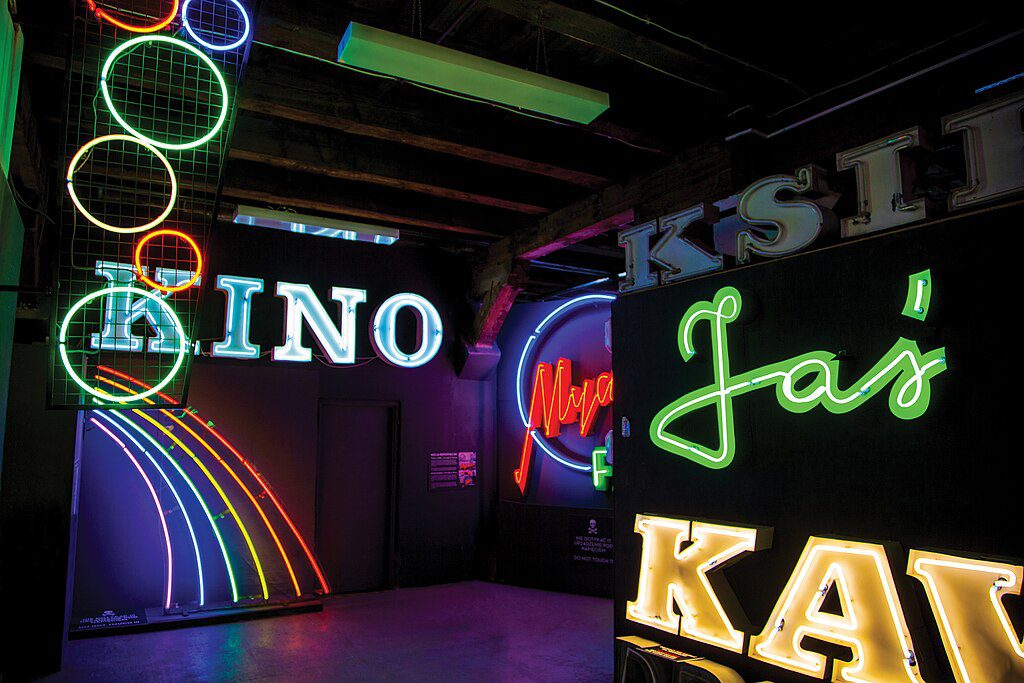
9. Drop by the Neon Museum
Experience a vibrant slice of mid-20th-century Warsaw at the Neon Museum, where colorful, vintage signage illuminates the city’s history and culture. Located in the trendy Soho Factory complex in the Praga district, this unique museum is dedicated to preserving and showcasing the neon signs that once lit up Poland’s urban landscapes during the Communist era.
The museum houses a stunning collection of restored neon signs, each a masterpiece of design and typography. From advertisements for local shops to cultural institutions, these glowing artworks capture the creativity and optimism of a bygone era, blending elements of Socialist Realism with modernist aesthetics. When it comes to snapping that Instagram worthy photo, you can’t go wrong with this place.
10. Discover at National Museum of Ethnography
The National Museum of Ethnography offers a fascinating journey through the traditions, art, and lifestyles of cultures from around the world.
The permanent collection highlights Polish folk culture, with intricately embroidered costumes, traditional ceramics, and beautifully crafted wycinanki (paper cuttings). You can also explore the colorful world of Polish festivals, customs, and rituals, gaining insight into the everyday lives and spiritual practices (such as Slavic Paganism) of communities across the country.
Where to Stay in Warsaw
From luxurious hotels in the heart of the city to cozy boutique stays tucked away in charming neighborhoods, Warsaw offers accommodations to suit every traveler’s style and budget. Here are some of the best places to stay in Warsaw:
Best Hotels in Warsaw:
- Warsaw Aparthotel – located in Warsaw’s modern 19th District housing complex, the property offers free WiFi and features apartments equipped with flat-screen TVs, kitchens with dishwashers and ovens, and private bathrooms.
- Courtyard by Marriott – offers 24-hour amenities, including a fitness club and The Market shop. Its cozy, air-conditioned rooms feature laptop-size safes, soundproofed windows, large flat-screen TVs with satellite channels, and tea and coffee-making facilities. Free internet access is available throughout the property, and the 24-hour front desk provides laundry and dry-cleaning services.
- ibis Styles Warszawa – features elegant, air-conditioned rooms with free Wi-Fi, satellite TV, and private bathrooms with heated floors. Each room also includes an electric kettle and a safety deposit box. The hotel offers a daily breakfast buffet in the dining room and serves warm dishes in the evening from 6 PM to 11 PM. Drinks are available at the bar, and guests can enjoy 24-hour front desk service.
Best Hostels in Warsaw:
- Oki Doki Old Town Hostel – a vibrant, family-owned hostel in Warsaw’s Old Town, housed in an 18th-century architectural monument within a UNESCO World Heritage Site. Surrounded by restaurants and historic landmarks, it offers a unique mix of a youthful atmosphere and historical charm. The hostel features a fully equipped kitchen with free tea and coffee, a TV room for relaxing, and the Fretka Bar, which serves Polish beers and offers a happy hour.
- Safestay Warsaw Old Town – offers a range of accommodations, from private en-suite rooms to mixed and female-only dorms, all with orthopaedic mattresses, free linen, and under-bed storage lockers. Amenities include complimentary Wi-Fi, a fully equipped kitchen, and a cozy top-floor communal area with plush sofas, a cafe-bar serving breakfast waffles, savory dinners, and evening beers.
- Kapsula Hostel – Poland’s premier capsule hostel, surrounded by restaurants, pubs, and clubs. Get to stay in spacious, secure capsules equipped with automatic roller blinds, power sockets, lighting, and individual air-conditioning connections. The capsule room maintains a 24-hour quiet zone for a peaceful stay. The bright, spacious lounge is perfect for meals, work, or relaxation, and the reception desk operates from 2 to 10 PM.
How to Get Around Warsaw
Navigating Warsaw is a breeze, thanks to its well-developed and efficient transportation network. Whether you prefer the convenience of public transit, the flexibility of cycling, or the simplicity of walking, the city offers plenty of options to explore its vibrant landmarks. Here’s how to go about it:
- Metro: Warsaw’s metro consists of two lines, M1 and M2, which connect key areas of the city. Trains are frequent and fast, making the metro a top choice for getting around.
- Trams: With an extensive network crisscrossing the city, trams are a scenic and efficient way to travel.
- Buses: Buses cover areas beyond the reach of the metro and trams, including late-night services.
- Cycling: Warsaw is a bike-friendly city, with dedicated bike lanes and the convenient Veturilo bike-sharing system. Stations are scattered throughout the city, making it easy to pick up and drop off bikes.
- Taxis: Taxis are widely available but can be expensive compared to public transport. Stick to reputable companies like Ele Taxi or iTaxi to avoid overcharging. Ride-sharing apps like Bolt, Uber, and Free Now are also popular alternatives.
How to Stay Safe in Warsaw
Warsaw is a relatively safe city, but understanding its unique aspects can help you navigate with confidence. While the city center, Old Town, and major tourist areas are generally well-policed and secure, it’s wise to be mindful in less frequented areas like parts of Praga after dark, which can feel quieter or less lit than central districts. Stick to main streets and well-known venues if you’re exploring the area at night.
Opt for off-peak travel when possible to avoid overcrowding, and if you’re using the metro, stay alert in major stations like Centrum, where tourists and locals converge.
Warsaw’s nightlife is vibrant, and while venues are generally safe, some establishments may take advantage of tourists. Stick to well-reviewed bars and clubs, and always check the bill before paying. If you’re sampling Polish vodka or craft beer, pace yourself and ensure you have a safe way back to your accommodation.
Finally, Warsaw’s seasons can impact safety. Winters are cold and snowy, making sidewalks and roads slippery, while summers can bring sudden rainstorms.
For peace of mind during your trip, travel insurance like SafetyWing offers flexible coverage to protect against unexpected medical expenses, travel disruptions, and other unforeseen events.
Best Time to Visit Warsaw
Warsaw is a year-round destination, but the best time to visit depends on your interests and what you hope to experience. Each season offers its own charm, from vibrant festivals to peaceful snow-covered streets, ensuring there’s always something unique to discover.
The ideal time to experience Warsaw is from late May to early September, when the city comes alive with outdoor events, warm weather, and lush greenery. Temperatures during this period are pleasant, ranging from 18–25°C (64–77°F), though late summer can occasionally see highs of 30°C (86°F).
Plan Your Trip to Poland | Best Travel Resources
Book Your Accommodations
- Booking.com – the world’s leading online booking platform for accomodations around the world, they have an extensive amount of available listings with zero booking fees and best price guarantees.
- Hostelworld – a backpacker’s best friend, Hostelworld has the largest collection of hostels and guesthouses for affordable prices.
Don’t Forget Insurance
- SafetyWing – from Nomad Insurance, an insurance by nomads for nomads. They understand our lifestyle well and have really comprehensive and flexible plans that cater to any traveler.
Find Cheap Flights
- Kiwi.com – my go-to for booking and finding the cheapest flights and it’s helped me save tons of money. They do virtual interlining which is connecting flights from airlines that do not codeshare, so you can find routes that you wouldn’t be able to find normally.
Join Tours & Activities
- GetYourGuide – is one of the best places to find unique tours and activities. I found that it’s an excellent way to meet fellow travelers and create fond memories. They are not only limited to tours as they also offer niche services such as skip-the-line tickets or private transfers.
Catch a Ride
- Rentalcars.com – nothing beats the freedom of the road, Rentalcars.com is the world’s largest online car rental service. They operate across 160 countries so they’re the perfect partner to work with if you find yourself wanting a ride.