Warsaw’s Old Town (Stare Miasto) isn’t just a collection of pretty streets and historic buildings—it’s the soul of the city. Every brick and cobblestone here has a story, not just of kings and castles, but of destruction and resilience. Almost completely wiped off the map during World War II, it was painstakingly rebuilt, not just as a tribute to its past, but as proof that Warsaw refuses to disappear. Today, it’s one of the most vibrant parts of the city, filled with life, color, and the echoes of history.
This isn’t a museum behind glass. It’s a place to walk, to explore, and to take in the details that make it special. This guide will take you through Old Town on foot, stopping at its most important landmarks, hidden corners, and the best spots to take in the city. No rush, no checklist—just a walk through Warsaw’s history, one step at a time.
Table of Contents
Toggle
History of Warsaw Old Town
Founded in the late 13th century, the Old Town grew around the Royal Castle and became the heart of political and commercial life in Poland. For centuries, it flourished as a bustling hub of merchants, craftsmen, and nobility, with its distinctive colorful townhouses and medieval fortifications shaping the city’s skyline.
Like much of Warsaw (you can find the travel guide for the city here), Old Town has seen its share of turmoil. It was invaded, burned, and rebuilt multiple times, but nothing compared to what happened during World War II. In 1944, after the Warsaw Uprising, Nazi forces deliberately destroyed over 90% of the district in retaliation, reducing it to rubble. What stands today is not the original Old Town, but a reconstruction so precise that it earned a place on UNESCO’s World Heritage List. Using old paintings, photographs, and architectural plans, Warsaw painstakingly rebuilt its historic core—stone by stone, mural by mural—restoring everything from its baroque churches to the medieval city walls.
Today, Old Town is a living, breathing part of the city. It may look centuries old, but its foundations rest on resilience, determination, and the unwavering spirit of Warsaw.
How to Get to Warsaw Old Town
Warsaw’s Old Town is centrally located and easy to reach using public transport, taxis, or even on foot from other parts of the city.
The most convenient way to get there is by taking the metro, bus, or tram to nearby stops. The closest metro station is Ratusz Arsenal (M1 line), about a 10-minute walk from Castle Square, the entrance to Old Town. Several buses and trams stop even closer, with Plac Zamkowy and Stare Miasto being the key transit points.
If you’re coming from Warszawa Centralna (the main train station), you can take bus 175 or tram 4, 15, or 35 to get near Old Town in about 10-15 minutes. From Warsaw Chopin Airport, bus 175 also offers a direct route which is what I did upon arriving.
Walking is another great option, especially if you’re exploring the Krakowskie Przedmiescie and Nowy Swiat streets, which lead directly into Old Town from the south. Taxis and ride-sharing apps like Uber and Bolt are also available, but since the Old Town is largely pedestrianized, you’ll likely be dropped off near Castle Square or at a nearby street entrance.
Top Things to Do Around Warsaw Old Town
1. St. Anne’s Church
Start your tour at St. Anne’s Church standing right at the entrance to Old Town. While it may look like just another elegant baroque church from the outside, it holds two major reasons to visit: its stunning interior and its viewing terrace, which offers the best panoramic view of Old Town.
The church itself dates back to the 15th century and has survived multiple wars and reconstructions. Inside, you’ll find an impressive neoclassical design with towering columns, intricate frescoes, and a beautifully decorated main altar. It’s also one of the city’s most important churches for organ concerts, thanks to its renowned acoustics.
However, the real highlight is the St. Anne’s Church Bell Tower. Climbing the 150+ steps to the top is worth the effort, as the terrace provides the best aerial view of Castle Square, with the Royal Castle, Sigismund’s Column, and the pastel-colored facades of Old Town stretching out below. If you come at sunset, you’ll get a stunning golden-hour view of Warsaw, with the modern skyline in the background and the historic district glowing in the foreground.
Tip: The bell tower has a small entrance fee (around 6 PLN), but it’s one of the best spots for photography in the entire city.
2. Sigismund's Column
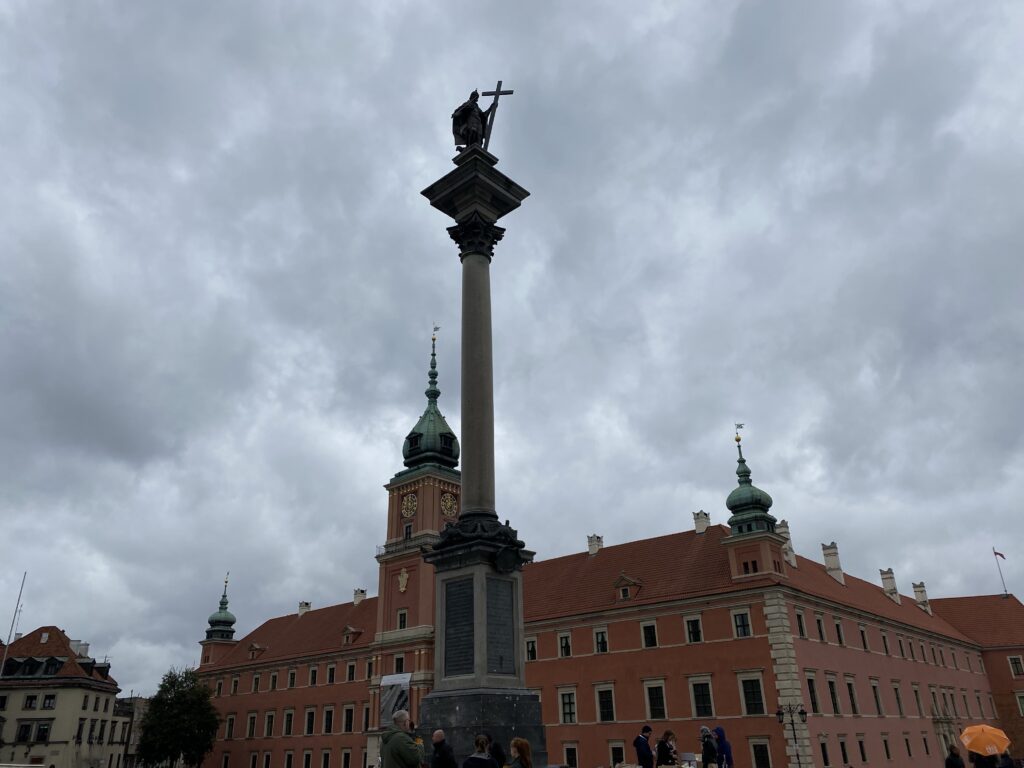
Sigismund’s Column is one of the most recognizable landmarks in Warsaw, standing tall in Castle Square at the entrance to Old Town. Erected in 1644, it honors King Sigismund III Vasa, the ruler who moved Poland’s capital from Krakow to Warsaw in 1596. At 22 meters (72 feet) high, it’s one of the oldest and tallest monuments of its kind in Europe.
The column has survived centuries of history, including being toppled and destroyed by the Nazis during World War II. After the war, it was meticulously reconstructed using original fragments, and you can still see some of the damaged pieces displayed nearby. The statue of Sigismund III stands on top, holding a sword in one hand and a cross in the other, symbolizing both his military strength and Christian faith.
3. The Royal Castle
The Royal Castle is one of the city’s most important landmarks, standing proudly at Castle Square as the gateway to Old Town. Once the official residence of Polish kings, it has witnessed centuries of historical events, from royal coronations to the signing of Poland’s first constitution.
Originally built in the 14th century, the castle has undergone numerous reconstructions, expansions, and—most notably—a complete destruction during World War II. Like much of Old Town, it was reconstructed in the 1970s, using salvaged materials and historical documents to restore it to its former grandeur.
Inside, you can explore opulent royal chambers, intricate ceiling frescoes, and original paintings by Rembrandt and Canaletto. Some of the highlights include the Great Assembly Hall, the Throne Room, and the stunning Senators’ Hall, where Poland’s May 3rd Constitution—the first democratic constitution in Europe—was adopted in 1791.
The castle’s exterior courtyard is free to enter, making it a great spot to take in the architecture without a ticket. There is also free admissions on Wednesdays for those on a budget.
4. St. John’s Archcathedral
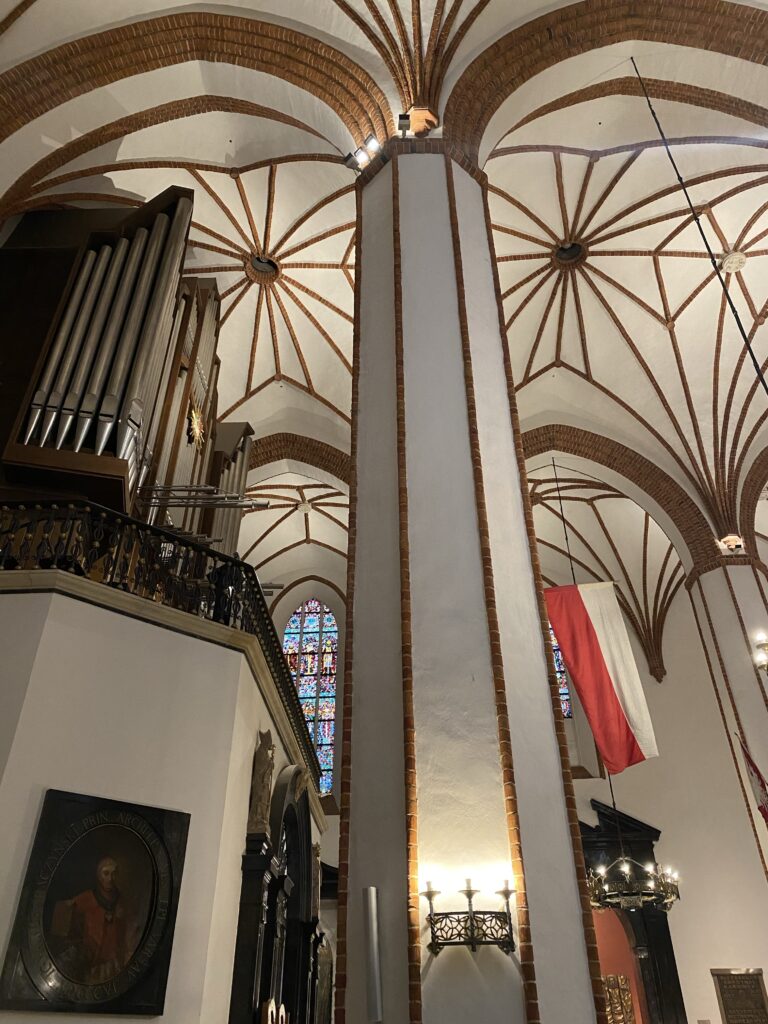
St. John’s Archcathedral is Warsaw’s oldest cathedral, dating back to the 14th century. Over the centuries, it has hosted royal coronations, funerals, and political events, making it one of Poland’s most historically important religious sites.
The cathedral’s Gothic facade, with its distinct stepped gable, may look modest compared to more ornate churches, but inside, it holds a wealth of history. The crypt contains the tombs of Polish kings, notable figures like Duke Janusz I of Mazovia (who helped establish Warsaw as the capital), and famous Polish writer Henryk Sienkiewicz.
Like much of Old Town, St. John’s was completely destroyed during World War II. The Nazis blew up the cathedral with explosives during the Warsaw Uprising, leaving it in ruins. The current structure is a faithful reconstruction, based on medieval designs rather than its pre-war appearance.
Tip: If you enjoy classical music, check the schedule for evening organ concerts, which take advantage of the cathedral’s acoustics. The crypt is also worth a visit for those interested in Polish history.

5. Old Town Market Square
Old Town Market Square (Rynek Starego Miasta) is the heart of Warsaw’s Old Town and one of its most photogenic spots. Surrounded by colorful merchant houses, cafes, and restaurants, the square is a lively mix of history, culture, and everyday life. Originally established in the late 13th century, it served as the center of trade, celebrations, and public gatherings for centuries.
At the center of the square stands the Mermaid of Warsaw statue (Pomnik Syrenki Warszawskiej), the city’s symbol. According to legend, a mermaid once emerged from the Vistula River to protect Warsaw, and she remains a beloved emblem of the city.
In summer, the square is filled with outdoor cafes, artists selling paintings, and street performers, making it one of the most vibrant spots in the city. In winter, it transforms into a magical Christmas market, complete with festive lights, traditional Polish treats, and an ice-skating rink.
6. Dung Hill Lookout Point
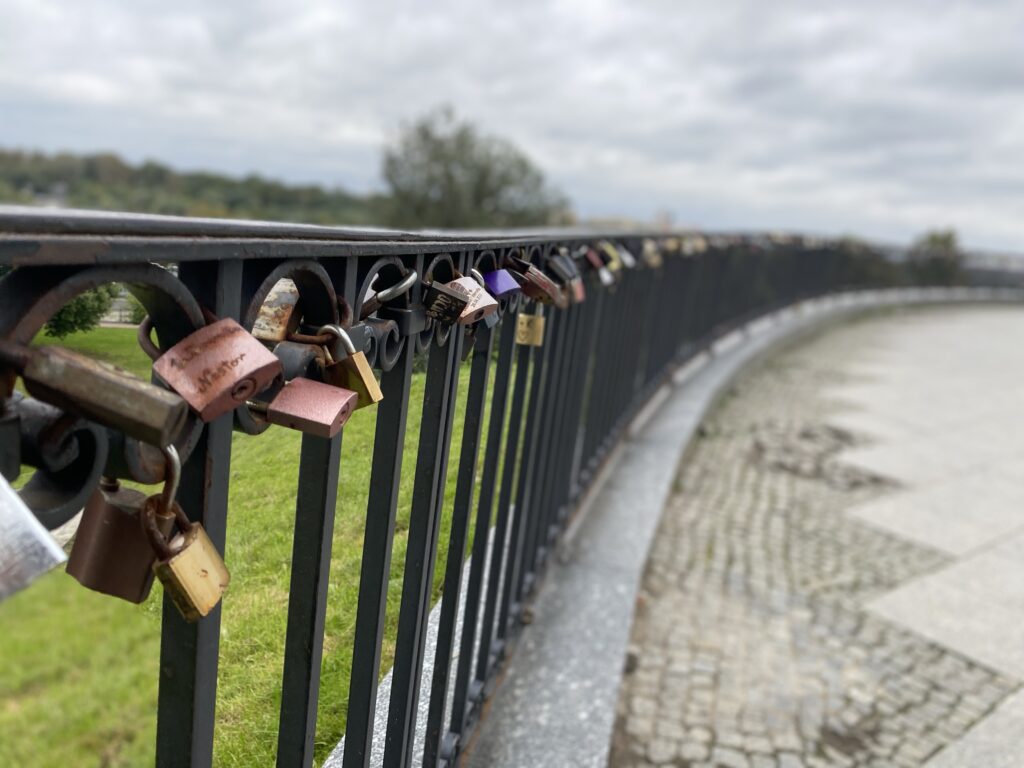
Dung Hill Lookout Point (Gnojna Gora) is one of the best hidden gems in Warsaw’s Old Town. Despite its unappealing name, this small elevated spot offers a fantastic panoramic view of the Vistula River and the modern part of the city. Located just a short walk from the Old Town Market Square, it’s one of the most peaceful places to take in the scenery.
The name Gnojna Gora literally means “Dung Hill” because, in medieval times, it was used as a garbage dump. However, by the 18th century, it became a popular health retreat, as people believed the air here had healing properties. Today, it’s simply a quiet viewpoint where you can escape the crowds and get a different perspective on the city.
A small terrace with benches makes it a great place to take a break while exploring Old Town. If you visit at sunset, the view over the river and the bridges is especially stunning.
7. Museum of Warsaw
The Museum of Warsaw (Muzeum Warszawy) is the best place to dive deep into the city’s past, especially if you want to understand the history behind Old Town’s reconstruction. Located right in Old Town Market Square, the museum spans several historic townhouses, each restored to their original appearance, making the building itself part of the experience.
Instead of a traditional chronological exhibition, the museum presents over 300,000 artifacts that tell the story of Warsaw through everyday objects, artwork, and personal items. You’ll find everything from pre-war photographs and 18th-century maps to items recovered from the rubble after World War II. One of the most interesting sections is the “Things of Warsaw” exhibition, which showcases objects that define the city’s character over the centuries.
The museum also has a rooftop viewpoint, offering a unique perspective over Old Town’s rooftops. Since it’s less crowded than other viewpoints in the area, it’s a great spot for a quieter panoramic view.
Plan to spend at least an hour here, especially if you’re interested in the detailed history of Warsaw’s destruction and reconstruction. The museum offers free admission on Tuesdays if you’re visiting on a budget.
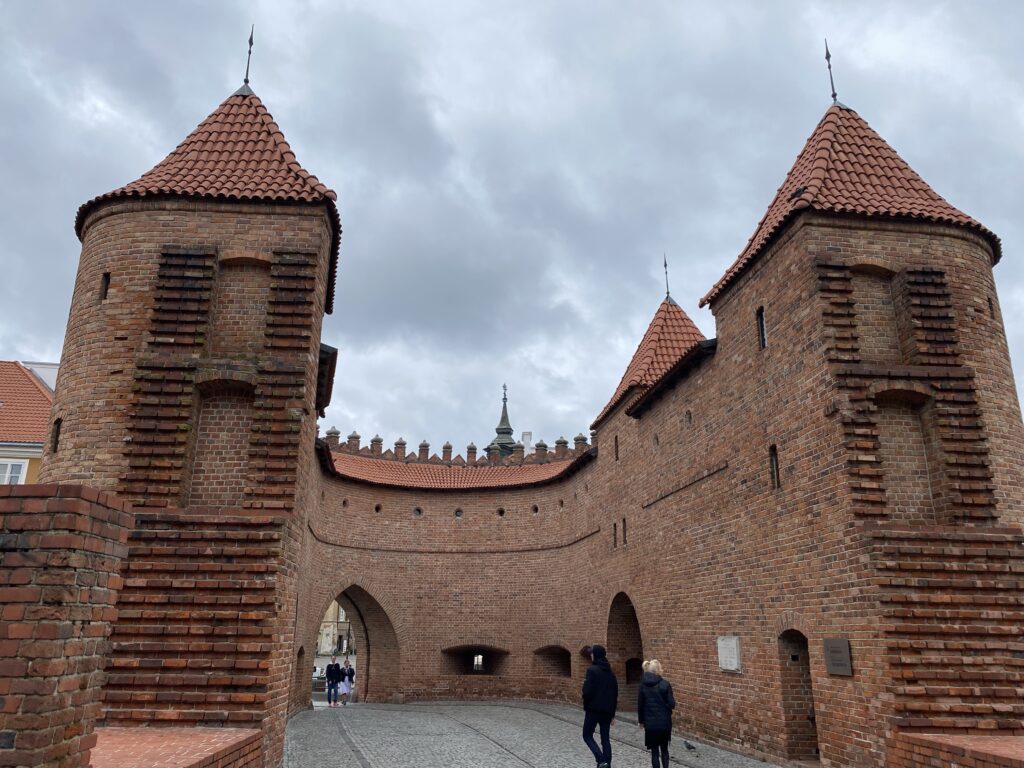
8. The Barbican
The Barbican (Barbakan Warszawski) is one of the last remaining medieval fortifications in Warsaw and marks the northern entrance to Old Town. Built in 1548, it was originally designed as a defensive gate to protect the city from invaders.
The structure itself is an impressive red-brick semicircular fortress, with thick walls, arched entryways, and small lookout towers. It was part of the larger system of Warsaw’s city walls but was mostly dismantled in the 18th century when the city expanded. Like much of Old Town, the Barbican was also completely destroyed during World War II and later rebuilt.
Today, the area around the Barbican is a lively pedestrian zone, often filled with street musicians, artists, and small souvenir stalls. Walking along the old city walls here gives a unique view of both Old Town and the New Town (Nowe Miasto) beyond.
9. Warsaw Uprising Monument
The Warsaw Uprising Monument is one of the most powerful and dramatic memorials in the city, dedicated to the 1944 Warsaw Uprising—one of the most heroic but tragic chapters in Poland’s history. Located just outside Old Town at Krasinski Square, it commemorates the thousands of Polish resistance fighters who took up arms against Nazi occupation in a desperate bid to liberate the city.
Unveiled in 1989, the monument consists of two striking bronze sculptures. The first depicts fighters emerging from rubble, weapons in hand, symbolizing the sudden and determined beginning of the uprising. The second shows insurgents descending into the city’s sewers, representing the underground escape routes used when the uprising began to fail. The intensity of the figures—muscles tensed, faces filled with urgency—captures the raw emotion of that time.
The uprising lasted 63 days but ended in devastation, as the Nazis crushed the resistance and systematically destroyed Warsaw in retaliation. This monument stands as a tribute to those who fought and died, and as a reminder of Warsaw’s resilience.
Where to Stay in Warsaw
From luxurious hotels in the heart of the city to cozy boutique stays tucked away in charming neighborhoods, Warsaw offers accommodations to suit every traveler’s style and budget. Here are some of the best places to stay in Warsaw:
Best Hotels in Warsaw:
- Warsaw Aparthotel – located in Warsaw’s modern 19th District housing complex, the property offers free WiFi and features apartments equipped with flat-screen TVs, kitchens with dishwashers and ovens, and private bathrooms.
- Courtyard by Marriott – offers 24-hour amenities, including a fitness club and The Market shop. Its cozy, air-conditioned rooms feature laptop-size safes, soundproofed windows, large flat-screen TVs with satellite channels, and tea and coffee-making facilities. Free internet access is available throughout the property, and the 24-hour front desk provides laundry and dry-cleaning services.
- ibis Styles Warszawa – features elegant, air-conditioned rooms with free Wi-Fi, satellite TV, and private bathrooms with heated floors. Each room also includes an electric kettle and a safety deposit box. The hotel offers a daily breakfast buffet in the dining room and serves warm dishes in the evening from 6 PM to 11 PM. Drinks are available at the bar, and guests can enjoy 24-hour front desk service.
Best Hostels in Warsaw:
- Oki Doki Old Town Hostel – a vibrant, family-owned hostel in Warsaw’s Old Town, housed in an 18th-century architectural monument within a UNESCO World Heritage Site. Surrounded by restaurants and historic landmarks, it offers a unique mix of a youthful atmosphere and historical charm. The hostel features a fully equipped kitchen with free tea and coffee, a TV room for relaxing, and the Fretka Bar, which serves Polish beers and offers a happy hour.
- Safestay Warsaw Old Town – offers a range of accommodations, from private en-suite rooms to mixed and female-only dorms, all with orthopaedic mattresses, free linen, and under-bed storage lockers. Amenities include complimentary Wi-Fi, a fully equipped kitchen, and a cozy top-floor communal area with plush sofas, a cafe-bar serving breakfast waffles, savory dinners, and evening beers.
- Kapsula Hostel – Poland’s premier capsule hostel, surrounded by restaurants, pubs, and clubs. Get to stay in spacious, secure capsules equipped with automatic roller blinds, power sockets, lighting, and individual air-conditioning connections. The capsule room maintains a 24-hour quiet zone for a peaceful stay. The bright, spacious lounge is perfect for meals, work, or relaxation, and the reception desk operates from 2 to 10 PM.

Best Time to Visit Warsaw Old Town
The best time to visit Warsaw’s Old Town depends on what you’re looking for—quiet streets, perfect photos, or a lively atmosphere.
For fewer crowds and the best photo opportunities, early mornings (before 9 AM) or late evenings (after 8 PM) are ideal. Mornings offer soft light for photography, while evenings bring a golden glow over the pastel buildings, especially around Castle Square and the Market Square. Midday, particularly between 11 AM and 4 PM, is the busiest, with tourists and school groups filling the streets.
If you’re looking for the best season to visit, late spring (May – early June) and early autumn (September – early October) offer the perfect balance of good weather and fewer crowds. Temperatures in May and September range from 15-22°C (59-72°F), making it comfortable for walking.
For a more magical experience, winter (December) turns Old Town into a postcard-perfect scene, with Christmas lights, a festive market, and a dusting of snow. However, it can be cold, with temperatures averaging -2 to 3°C (28-37°F). If you don’t mind bundling up, it’s one of the most atmospheric times to visit.
Summer (June-August) is lively but can be crowded, with temperatures reaching 25-30°C (77-86°F). If visiting in peak season, aim for early morning walks to avoid the rush.
Plan Your Trip to Poland | Best Travel Resources
Book Your Accommodations
- Booking.com – the world’s leading online booking platform for accomodations around the world, they have an extensive amount of available listings with zero booking fees and best price guarantees.
- Hostelworld – a backpacker’s best friend, Hostelworld has the largest collection of hostels and guesthouses for affordable prices.
Don’t Forget Insurance
- SafetyWing – from Nomad Insurance, an insurance by nomads for nomads. They understand our lifestyle well and have really comprehensive and flexible plans that cater to any traveler.
Find Cheap Flights
- Kiwi.com – my go-to for booking and finding the cheapest flights and it’s helped me save tons of money. They do virtual interlining which is connecting flights from airlines that do not codeshare, so you can find routes that you wouldn’t be able to find normally.
Join Tours & Activities
- GetYourGuide – is one of the best places to find unique tours and activities. I found that it’s an excellent way to meet fellow travelers and create fond memories. They are not only limited to tours as they also offer niche services such as skip-the-line tickets or private transfers.
Catch a Ride
- Rentalcars.com – nothing beats the freedom of the road, Rentalcars.com is the world’s largest online car rental service. They operate across 160 countries so they’re the perfect partner to work with if you find yourself wanting a ride.