Imagine waking up to a gloomy sky on the day of your big outdoor event. In Japan, there’s a cute little trick to chase those clouds away—a teru teru bozu. Literally meaning “shine, shine monk,” these handmade, ghost-like dolls are a beloved part of Japanese culture. Made from simple materials like tissue paper or cloth, teru teru bozu are hung outside windows and doors with one hopeful wish: to bring sunny weather!
This charming tradition goes beyond just wishing for a good day. It’s deeply woven into Japanese childhood memories, festivals, and even school trips. Whether you’re a kid looking forward to a picnic or an adult hoping your weekend plans don’t get washed out, these little dolls hold the magical power (or at least, the hopeful belief) to keep the rain at bay.
But where did this sunny superstition come from? Let’s dive into the story behind the teru teru bozu and how a simple paper doll became such a bright symbol of good weather!
Table of Contents
ToggleOrigin of the Teru Teru Bozu
History
The origins of the teru teru bozu may be rooted in a much older tradition that came to Japan from China during the Heian period (794–1185). This practice, known as Saoqing Niang, involved a symbolic weather-watching figure: a young girl carrying a broom who was believed to sweep away the rain clouds. In this version of the story, the girl was sacrificed to the heavens during heavy rainfall to save a city from flooding. In return, she became a symbol of clear skies, and people would make paper cutouts of her to hang outside, hoping for good weather.
As this custom made its way to Japan, the figure eventually transformed from a young girl with a broom into the now-familiar teru teru bozu—a bald-headed monk with the power to summon sunshine. The Heian period saw the start of hiyorimi, weather-watching practices that would later evolve during the Edo period (1603–1867), when urban dwellers in Japan began making teru teru bozu dolls for sunny weather.
Legends
There are several legends tied to the origins of teru teru bozu, and they range from whimsical to downright tragic. One of the most popular stories involves a “good weather monk” who promised a village plagued by constant rain that he could bring sunshine. When he failed to deliver, the angry villagers decapitated him, wrapped his head in a white cloth, and hung it outside in a desperate attempt to stop the rain.
Another version of the legend echoes the Chinese origins of the tradition. In this tale, a young girl was sacrificed to the heavens during a time of heavy rainfall to appease the gods and save her city. People began hanging figures resembling the girl in her honor, hoping to prevent future rainstorms. Over time, this figure evolved into the teru teru bozu we know today.
Cultural Traditions
Traditionally, teru teru bozu are hung outside windows or on porches the day before an important event when good weather is desired. Whether it’s a child’s first school trip or a big outdoor festival, families and children make and hang these dolls, believing in their power to prevent rain. The dolls are especially popular during Japan’s rainy season, tsuyu, when summer activities are often threatened by showers.
Interestingly, the teru teru bozu can also be used to do the opposite—bring rain. By simply hanging the doll upside down, the intention is reversed. So, if you’re hoping for a rainy day (perhaps to cancel an event or just enjoy a peaceful indoor afternoon), you can hang your teru teru bozu upside down!
Rituals and Beliefs
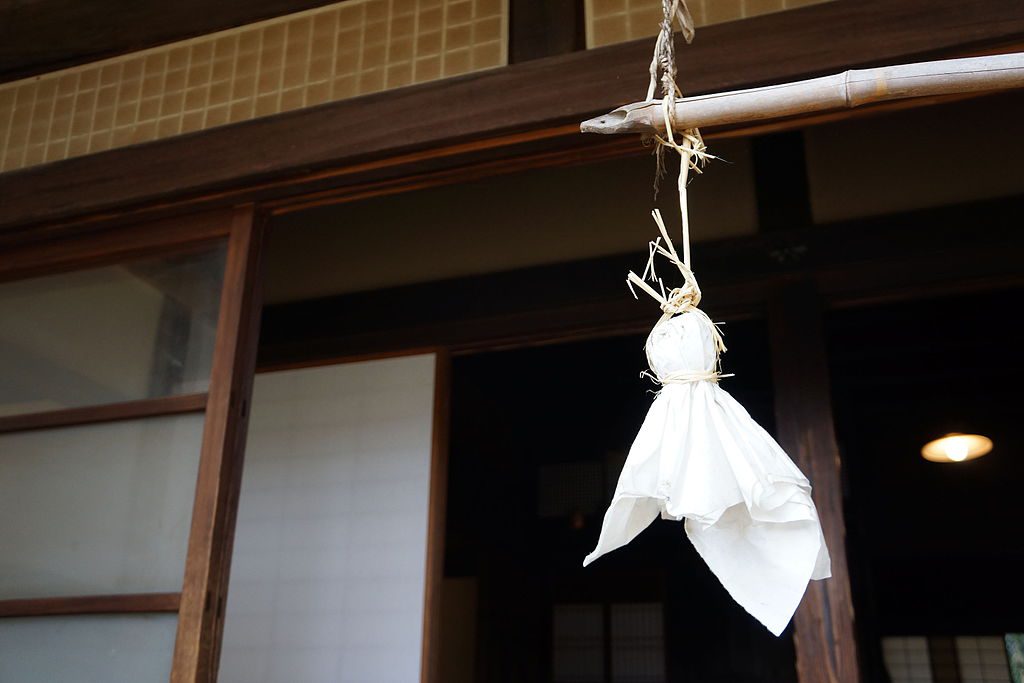
Typically, the doll is made from white cloth or tissue paper, with a string tied around its “neck” to form the head. It’s hung outside, often with a blank face, as the person waits to see if the weather will comply with their wishes. If the weather does turn out sunny, the doll is rewarded with a hand-drawn smile and, in some cases, a small offering of sake. In older traditions, this sake would be poured over the doll and then it would be set adrift in a river to honor its success.
However, if the teru teru bozu fails to bring good weather, the consequences can be grim—at least symbolically. In the traditional nursery rhyme sung by children, the doll is threatened with decapitation if the weather doesn’t improve. This dark but playful punishment reflects the deeper connection to Japan’s historical reliance on agriculture, where sunny weather could mean the difference between a successful harvest or failure.

Symbolism
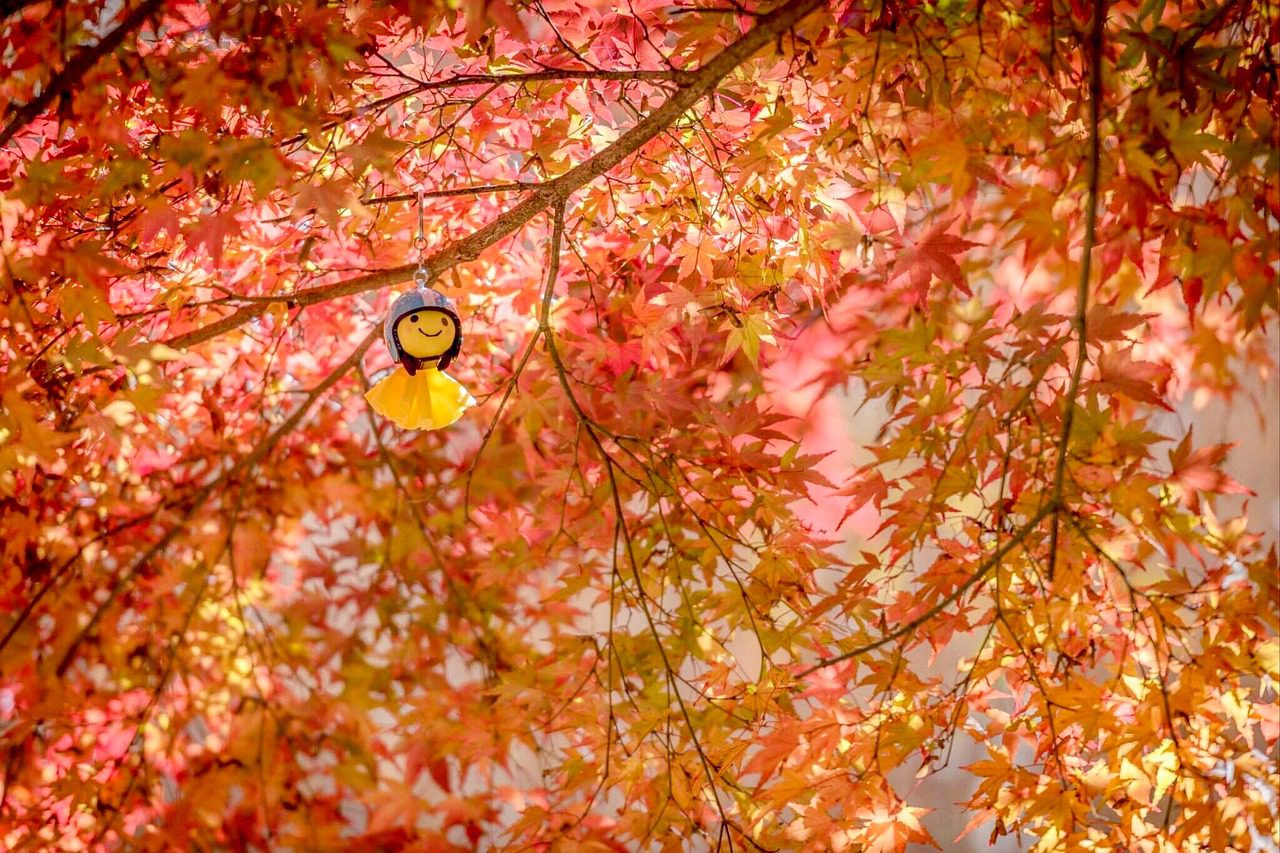
At first glance, the teru teru bozu resembles a small, ghost-like figure. Its round head is tied off at the neck, giving it the look of a bald, floating figure. This design is thought to represent the shaved head of a Buddhist monk, specifically one who possesses spiritual powers to influence the weather. In Japan, monks have long been associated with rituals and prayers aimed at controlling natural forces, and the teru teru bozu taps into this belief.
The monk’s shiny bald head—reminiscent of a sunny day—reinforces the idea that the teru teru bozu can bring clear skies. This visual connection between the doll’s appearance and its intended purpose is a clever and powerful symbol, drawing on both the physical and spiritual attributes of the monk.
What’s especially interesting is how the teru teru bozu maintains its basic design across generations. Whether made from tissue paper, cloth, or even plastic, its minimalist structure—just a head, a neck, and a hanging cloth—remains the same. This simplicity allows it to be easily created by children, yet its visual symbolism carries weight even for adults.
The Teru Teru Bozu Song
One of the most famous elements tied to the teru teru bozu tradition is a nursery rhyme that has been sung by children for over a century. Written in 1921 by Kyoson Asahara and composed by Shinpei Nakayama.
The teru teru bozu song was originally created as a children’s warabe uta (nursery rhyme) and quickly became a staple in Japanese culture. As children hang their weather dolls, they sing this song in the hopes that the monk will bring sunny skies.
Lyrics
Teru-teru-bozu, teru bozu
Do make tomorrow a sunny day
Like the sky in a dream sometime
If it’s sunny, I’ll give you a golden bell
Teru-teru-bozu, teru bozu
Do make tomorrow a sunny day
If you make my wish come true
We’ll drink lots of sweet rice wine
Teru-teru-bozu, teru bozu
Do make tomorrow a sunny day
But if the clouds are crying
Then I shall snip your head off
How to Make a Teru Teru Bozu
Creating your own teru teru bozu is simple and fun! You only need a few materials, and the process is quick, making it a perfect activity for kids or anyone hoping for a sunny day. You can also use this video as a reference if needed.
Materials Needed:
- 2 squares of tissue paper (or cloth)
- String or rubber band
- Scissors
- Markers (optional, for drawing a face)
- Ribbon or thread (for hanging)
Step by Step Instructions
Prepare the Head: Take one piece of tissue paper (or cloth) and crumple it into a small ball. This will form the head of your teru teru bozu.
Wrap the Head: Place the second square of tissue paper over the ball. Gather the edges around the ball to form a head shape. The rest of the paper will flow down like the body or cloak of the doll.
Tie the Neck: Use a piece of string, ribbon, or a rubber band to tie just below the ball, securing the head in place. This creates the round head and flowing body that gives the teru teru bozu its iconic look.
Add a Face: Traditionally, teru teru bozu dolls are hung with a blank face, and only if the weather improves do you draw a smile. However, you can also draw a face right away using a marker to personalize your doll.
Hang Your Teru Teru Bozu: Attach a piece of ribbon or thread to the top of the doll’s head so you can hang it up. Place it outside your window, on your porch, or anywhere that allows it to catch the breeze.
Wish for Sunny Weather As part of the tradition, sing the teru teru bozu song, asking for a sunny day. If the weather turns out well, you can reward the doll with a drawn smile or a small offering of sake.
And that’s it! You’ve made your own teru teru bozu! Now all that’s left is to wait and see if your little weather charm can help bring clear skies or rain—whatever you’re hoping for!