
Incense burning is an ancient practice that transcends cultures, religions, and time. For thousands of years, the aromatic smoke of incense has been a bridge between the physical and spiritual realms, used in sacred rituals, meditation, and as offerings to the divine. The gentle waft of incense not only enhances the atmosphere of a space but also serves as a conduit for prayers, a symbol of purification, and a means to elevate the spirit. Among the myriad of materials used in incense, Agarwood and Sandalwood stand out as two of the most revered and sacred.
This article delves into the rich history, spiritual significance, and unique properties of Agarwood and Sandalwood. By exploring their roles in various traditions, as well as their distinct aromatic qualities, the article aims to highlight what makes these two woods so special in the art of incense.
Table of Contents
Toggle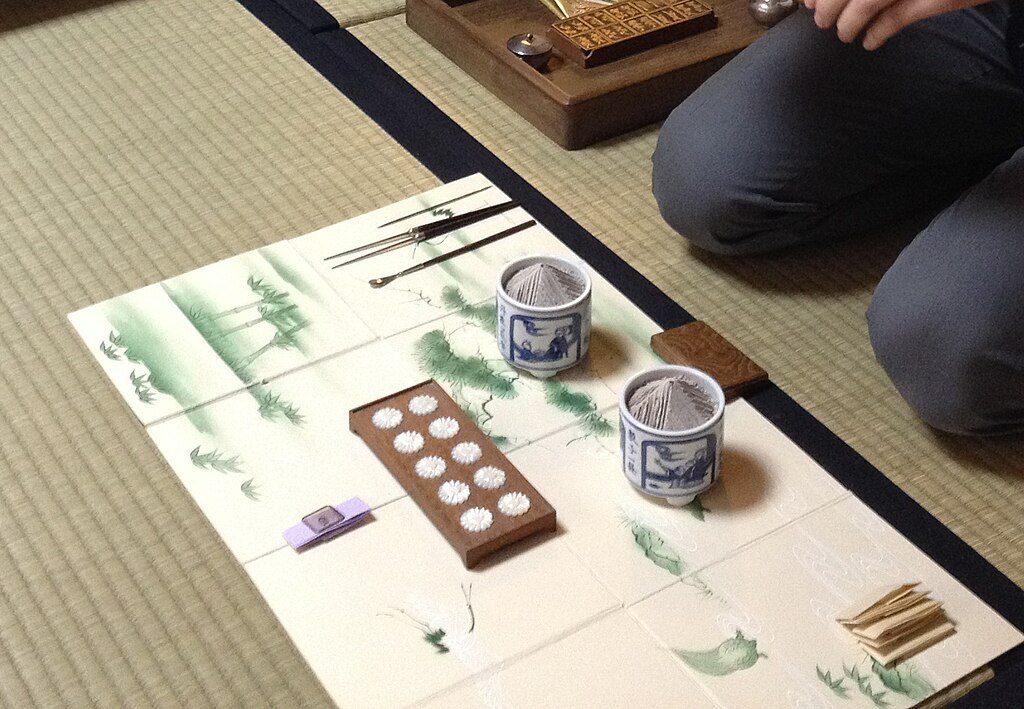
The Art of Incense Listening
Before we start with the article, I’d like to mention that here in Japan, incense holds a special place in both cultural and spiritual practices, particularly through the art of “listening to incense,” known as Kodo (The Way of the Fragrance). Unlike simply burning incense for its fragrance, Kodo is a refined and meditative practice where participants engage in “listening” to the subtle qualities of the incense. This practice is deeply rooted in Japanese aesthetics and spirituality, where the appreciation of incense goes beyond the sense of smell, engaging the mind and spirit in a contemplative experience.
Kodo involves a ritualistic approach to incense, where various aromatic woods, such as Agarwood and Sandalwood, are carefully selected and prepared. Participants then take turns “listening” to the incense by inhaling its fragrance and reflecting on its subtle notes and the emotions it evokes. The experience is both personal and communal, often shared in a serene environment that enhances the spiritual and introspective nature of the practice.
In the context of Agarwood and Sandalwood, Kodo exemplifies how these sacred woods are not only valued for their aromatic properties but also for their ability to facilitate deep spiritual connection and mindfulness.

Historical Background
Agarwood
Originating primarily in the dense tropical forests of countries like India, Vietnam, Cambodia, and Laos, the Aquilaria trees, from which Agarwood is derived, have been highly valued for centuries. The significance of Agarwood can be traced back to ancient civilizations where it was not only prized for its rare and fragrant resin but also revered for its spiritual and medicinal properties.
Sandalwood
In India, Sandalwood has played a central role in religious ceremonies and rituals, especially in Hinduism. In addition to its spiritual uses, Sandalwood has been an integral part of Ayurvedic medicine for centuries. Known for its cooling and anti-inflammatory properties, Sandalwood is used to treat a variety of ailments, including skin conditions, fever, and anxiety. Its therapeutic benefits are well-documented in ancient Ayurvedic texts, where it is prescribed for both physical and mental well-being.
In China, Sandalwood was introduced primarily through the spread of Buddhism, where it became a vital component of spiritual practices. Additionally, Sandalwood was used in traditional Chinese medicine, where its soothing properties were harnessed to treat anxiety, insomnia, and other stress-related conditions.
Botanical Overview
Agarwood
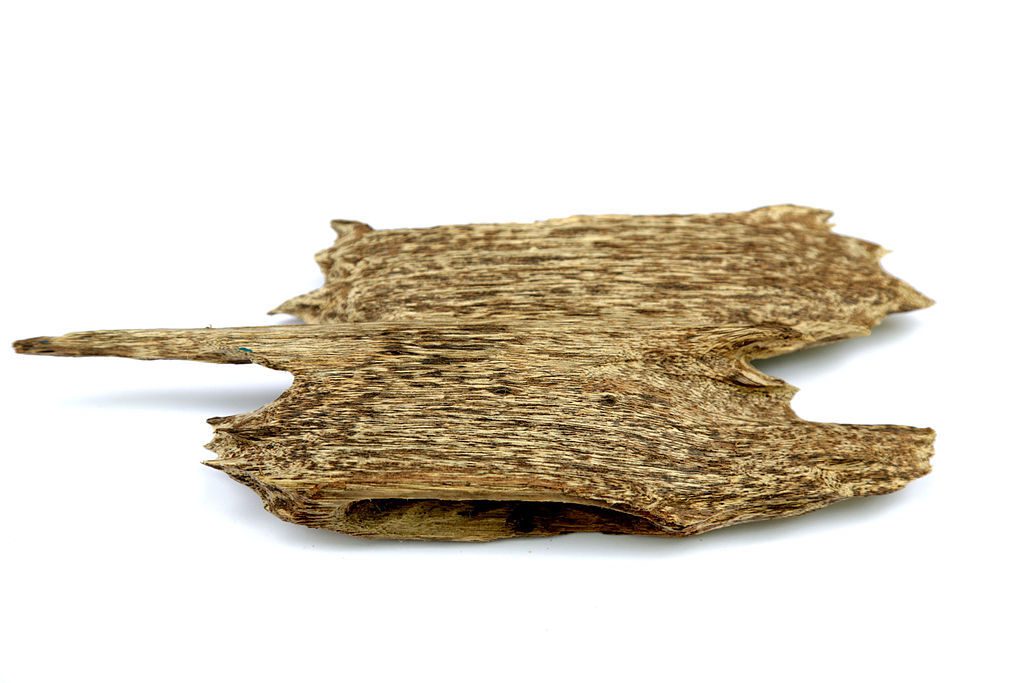
Agarwood comes from the Aquilaria tree, a genus within the Thymelaeaceae family, which is native to the tropical forests of Southeast Asia. The species most commonly associated with high-quality Agarwood are Aquilaria malaccensis, Aquilaria crassna, and Aquilaria sinensis. These trees can grow up to 40 meters tall and thrive in warm, humid climates with well-drained soil, typically found in countries like India, Vietnam, Cambodia, Laos, and Malaysia.
The formation of Agarwood resin is a rare and unique process that occurs when the Aquilaria tree is infected by a specific type of mold (Phialophora parasitica) or experiences physical injury, such as from insect attacks or natural damage. In response to this infection or injury, the tree produces a dark, aromatic resin as a defense mechanism. This resin gradually saturates the heartwood of the tree, transforming the light-colored wood into the dense, dark, and fragrant Agarwood. The longer the tree is left to produce resin, the more valuable and aromatic the Agarwood becomes.
Sandalwood
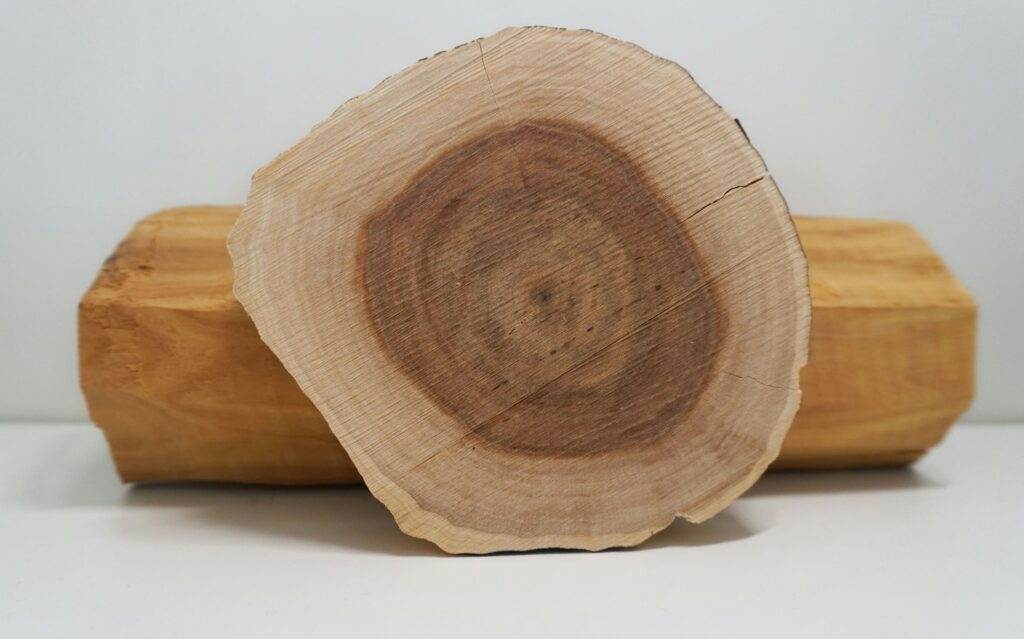
Sandalwood is derived from the Santalum genus, a group of slow-growing, fragrant trees that are native to regions such as India, Australia, and the Pacific Islands. The most prized species, Santalum album, commonly known as Indian Sandalwood, is primarily cultivated in southern India. This species is renowned for its rich, warm, and creamy fragrance, making it highly valuable in perfumery, religious rituals, and traditional medicine.
Sandalwood trees are semi-parasitic, meaning they rely on the roots of host plants to obtain essential nutrients, which adds complexity to their cultivation. These trees typically require 15 to 20 years to mature before they can produce the highly aromatic heartwood that is prized in various applications.
The extraction of Sandalwood begins with the careful harvesting of the mature trees. Once the trees are cut down, the heartwood is separated from the less fragrant sapwood. The heartwood is where the essential oil, known as Sandalwood oil, is concentrated. For incense and other applications, the heartwood can also be ground into a fine powder or used in solid form.
Spiritual Significance
Agarwood
Agarwood, often referred to as “the wood of the gods,” has held a sacred and revered place in variou spiritual practices across cultures, particularly in Buddhism, Islam, and Hinduism.
In Buddhism, Agarwood is highly valued for its calming and grounding properties. The burning of Agarwood incense in Buddhist temples and homes is a common practice, used to purify the environment and create a serene atmosphere conducive to meditation. The rich, deep aroma of Agarwood is thought to help clear the mind of distractions, allowing practitioners to focus more deeply on their spiritual journey. Additionally, the scent of Agarwood is believed to attract beneficial spirits and energies.
In Islam, Agarwood, known as “Oud,” holds a special place in religious and personal practices. It is often used during religious ceremonies to perfume the air and create an environment of sanctity. The Prophet Muhammad is said to have favored the fragrance of Oud, which has led to its widespread use in Islamic traditions.
In Hinduism, Agarwood is considered one of the most sacred materials, often used in puja (worship). The smoke from burning Agarwood incense is believed to carry prayers to the heavens, acting as a bridge between the material world and the divine.

Sandalwood
In Hinduism, Sandalwood is considered sacred and is extensively used in various ceremonies. The wood is ground into a fine paste, which is then applied to the foreheads of devotees as a mark of devotion and to symbolize purity. This practice, known as “tilak” or “bindi,” is believed to help calm the mind. Sandalwood paste is also used to anoint statues of deities. The fragrance of Sandalwood is said to attract positive energies and is often associated with Lord Shiva, who is believed to reside in the sacred scent of this wood.
In Buddhist rituals, Sandalwood is often burned as an offering to the Buddha, symbolizing the practitioner’s devotion and desire for spiritual awakening. The wood is also used in the construction of prayer beads (malas).
In Jainism, for example, Sandalwood is used in rituals to symbolize the purification of the soul and the pursuit of spiritual enlightenment. The wood’s fragrance is believed to have a purifying effect, helping to cleanse the mind of impurities and negative thoughts.
Metaphysical Properties
Agarwood
Grounding: Anchors energy and stabilizes emotions, fostering a deep connection with the Earth.
Calming: Soothes the mind, alleviates stress and anxiety, and enhances mental clarity and relaxation.
Transformative: Facilitates the release of negative patterns and emotional blockages
Spiritual Connection: Deepens meditation, opens pathways for divine communication, and strengthens the connection to higher realms.
Emotional Healing: Aids in processing and releasing emotional pain
Sandalwood
Relaxation: Promotes physical and mental relaxatio
Balance: Harmonizes emotions
Focus: Enhances concentration and clarity
Spiritual Purity: Cleanse and purify both the environment and the mind.
Protection: Provides a protective energy that guards against negative influences and promotes inner strength.
Aromatic Profiles
Agarwood
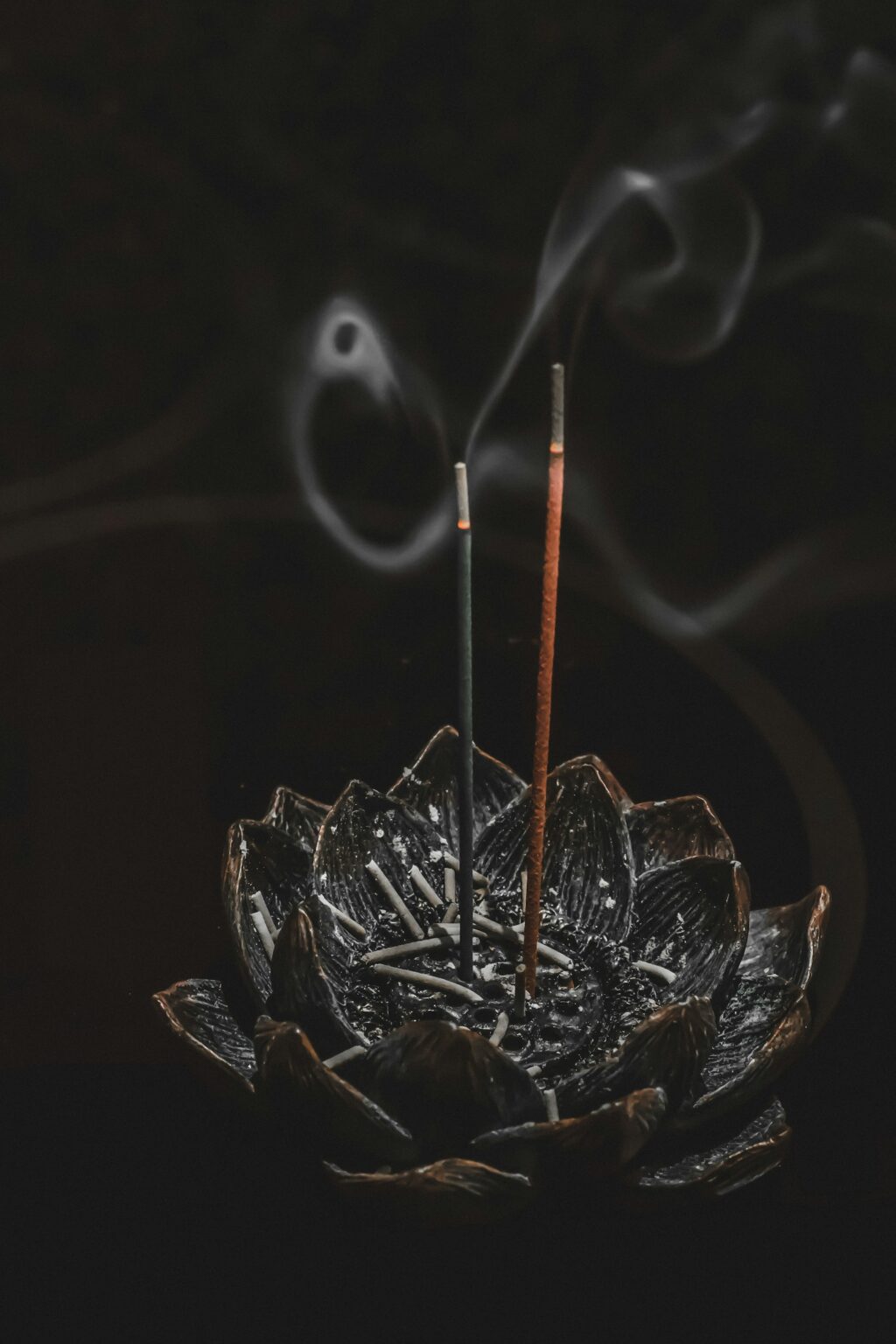
The scent of Agarwood is unique, characterized by its deep, earthy, and woody notes, often accompanied by sweet, spicy, and slightly fruity undertones. This multifaceted aroma is both intoxicating and grounding, making it one of the most sought-after scents in the world.
The fragrance of Agarwood is often described as warm and balsamic, with a luxurious depth that evolves over time as it is burned or worn. The complexity of its scent is due to the intricate process of resin formation within the Aquilaria tree, where natural factors such as the age of the tree, the type of mold infection, and the length of resin formation all contribute to the final aroma. This complexity is what makes Agarwood so distinctive and highly valued, particularly in high-end incense and perfumes.
Sandalwood
Sandalwood is celebrated for its warm, woody, and creamy fragrance, a scent that is both comforting and enduring. The aroma of Sandalwood is often described as soft yet rich, with a distinctive smoothness that sets it apart from other woods. Its scent profile is characterized by a gentle sweetness, a slightly milky quality, and a warm, earthy undertone that evokes a sense of calm and tranquility.
The fragrance of Sandalwood is remarkably consistent and long-lasting, making it a favored ingredient in a variety of applications. Its creamy, balsamic notes blend harmoniously with other scents, which is why Sandalwood is frequently used as a base note in perfumes, where it provides a grounding and cohesive quality to the overall composition.
Environmental Considerations
Agarwood and Sandalwood have both faced significant environmental challenges due to overharvesting, driven by the high demand for their aromatic and spiritual properties. The depletion of wild populations has made these resources increasingly rare, necessitating sustainable cultivation practices to meet global demand without further endangering their natural habitats.
In response to the decline in wild Agarwood and Sandalwood, managed plantations have become a key strategy for sustainable production. For Agarwood, techniques like inoculation are used to stimulate resin formation in Aquilaria trees, while Sandalwood is cultivated using agroforestry systems that integrate it with other crops. These methods aim to reduce pressure on wild populations while ensuring a steady supply of these valuable materials.
The environmental impact of harvesting and processing these woods has been significant. Clear-cutting for Sandalwood and the selective harvesting of Agarwood have led to habitat destruction, loss of biodiversity, and soil degradation. Challenges remain in the sustainable production of both Agarwood and Sandalwood. The long growth cycles of these trees, their susceptibility to disease, and the complexity of their cultivation make sustainable production a challenging endeavor.
Choosing Between Agarswood vs Sandalwood
When choosing between Agarwood and Sandalwood, several factors should be considered, including your spiritual intentions, personal preferences, and the specific requirements of the practices you intend to perform. Both woods are revered for their unique properties, but they serve different purposes and offer distinct experiences. Here are some factors to consider:
Spiritual Intentions:
- Agarwood is often chosen for practices that involve deep meditation, spiritual transformation, and emotional healing. Its rich, complex aroma is believed to facilitate a connection with higher realms, making it ideal for rituals that seek to enhance spiritual growth or purify the mind and soul.
- Sandalwood, on the other hand, is associated with tranquility, peace, and spiritual clarity. It is commonly used in practices that aim to calm the mind, promote inner peace, and create a serene atmosphere. If your intention is to foster relaxation or achieve a balanced, centered state, Sandalwood may be the better choice.
Personal Preferences:
- The scent profile of each wood can greatly influence your choice. Agarwood offers a deep, earthy, and complex fragrance that evolves over time. It is ideal for those who appreciate a bold, luxurious scent with layers of woody, sweet, and spicy notes.
- Sandalwood provides a warm, creamy, and soft fragrance, characterized by its smooth, woody aroma with a subtle sweetness. If you prefer a more soothing and consistent scent that promotes relaxation and comfort, Sandalwood is likely to be more appealing.
Specific Requirements:
- If your practices require a scent that aligns with themes of protection, purification, or deep spiritual insight, Agarwood may be more appropriate. It is often used in intense spiritual ceremonies and high-end incense due to its revered status and potent aroma.
- For rituals that emphasize purity, tranquility, or the enhancement of meditation, Sandalwood is commonly chosen. Its calming properties make it suitable for daily worship, meditation, and yoga practices.