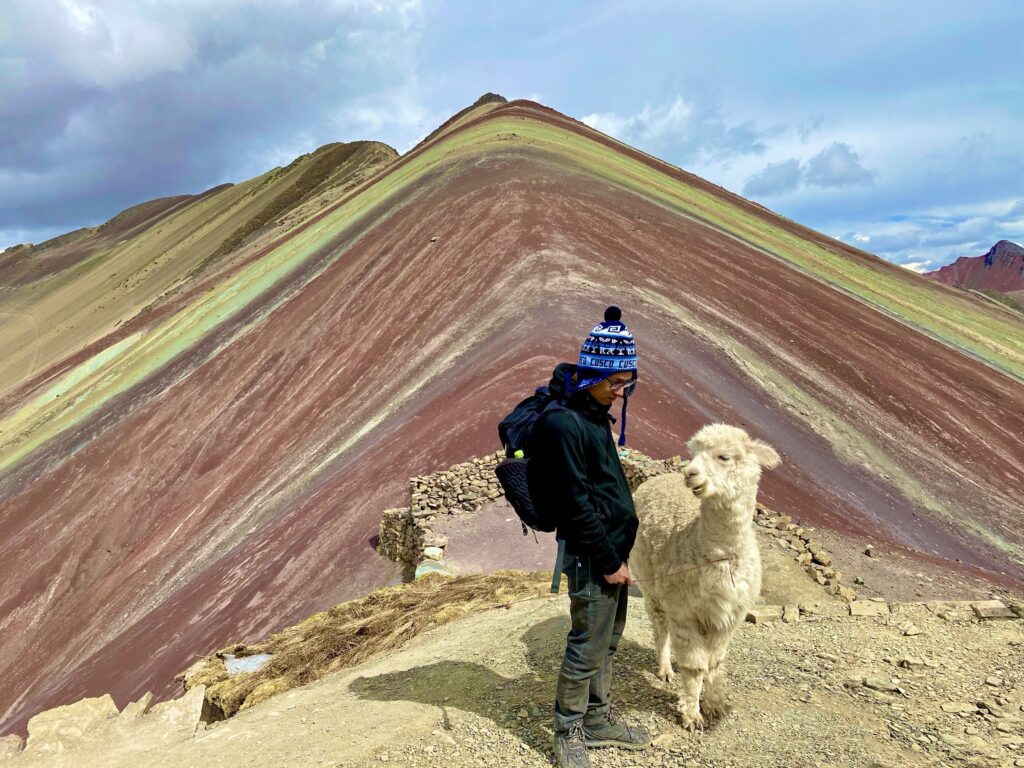
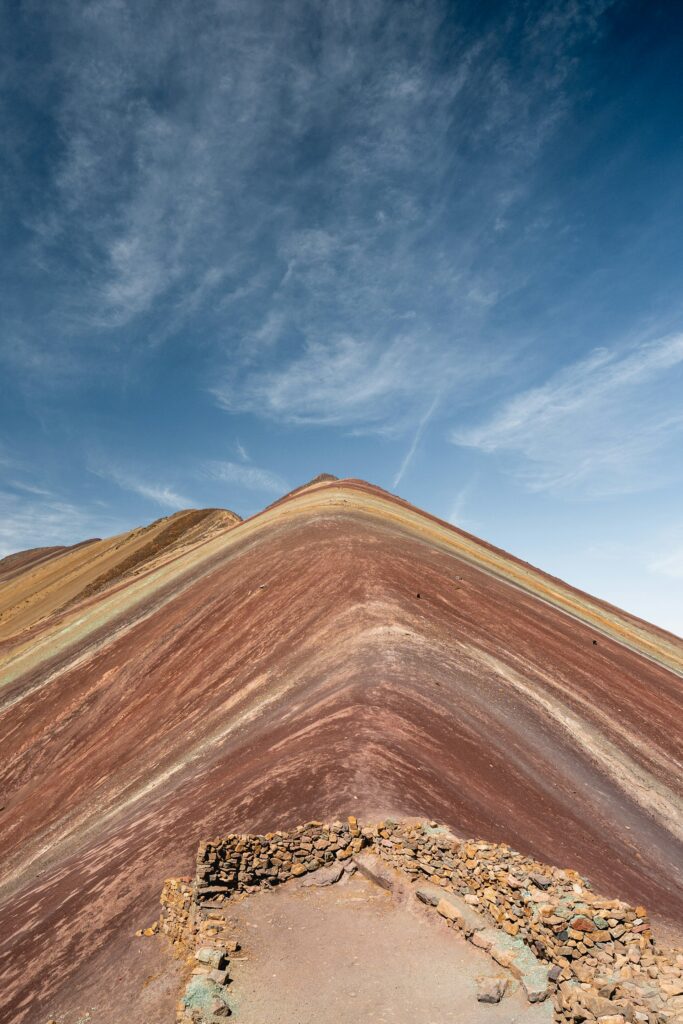
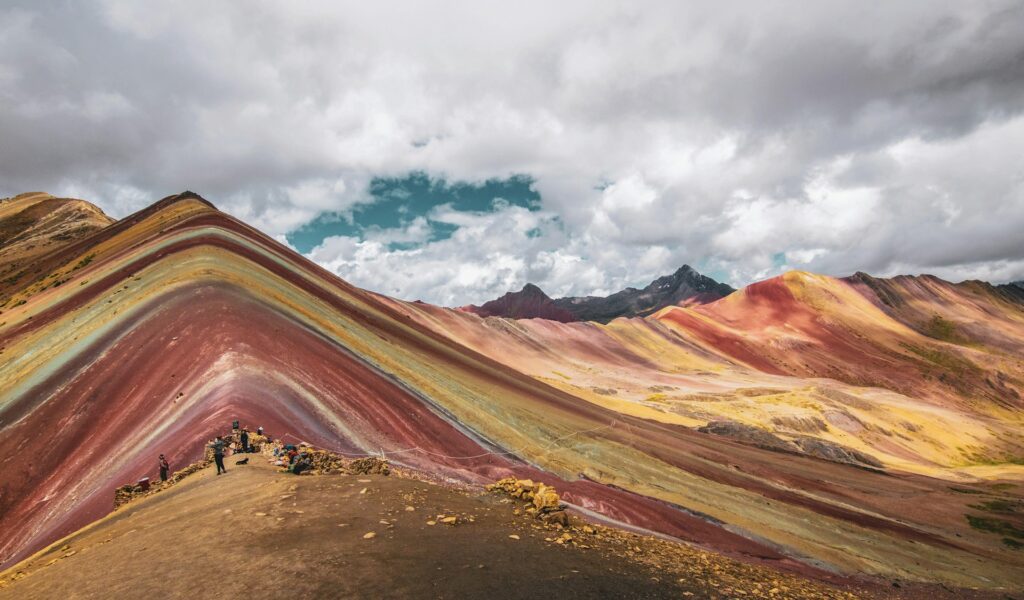
Rainbow Mountain, known locally as Vinicunca or Montana de Siete Colores, is one of Peru’s most breathtaking natural wonders. Nestled high in the Andes, about 3 hours from Cusco, the mountain is famous for its stunning, multicolored layers of sedimentary rock that create a “rainbow” effect. These vibrant colors, ranging from deep reds and oranges to yellows and greens, are a result of mineral deposits, giving the mountain its signature appearance.
The hike, though not long, presents a challenging experience due to its altitude, making it a rewarding trek for those looking to push their physical limits. In addition, the panoramic views of snow-capped peaks, sprawling valleys, and the nearby Ausangate Mountain make the journey to Rainbow Mountain a visually stunning and unforgettable experience.
Table of Contents
Toggle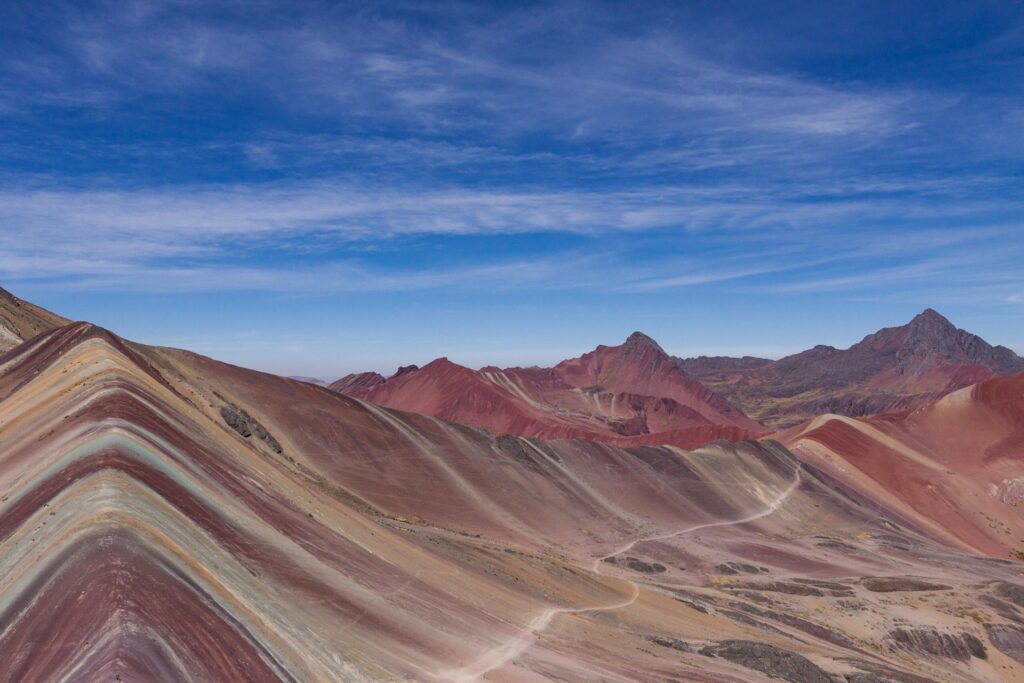
History of Rainbow Mountain
Although Rainbow Mountain was relatively unknown until 2015, its discovery quickly made it one of the most popular attractions in Peru. Today, it ranks second only to Machu Picchu in terms of visitors.
Its rise to fame began when images of its striking, multicolored layers started circulating on social media. Before this, the mountain’s signature colors were hidden beneath a thick layer of snow and ice for centuries. It wasn’t until climate change and global warming began to melt the snow that the vibrant mineral layers underneath were revealed to the world. The sudden exposure of such a unique geological feature quickly caught the attention of travelers and tour operators, leading to the mountain’s rapid growth in popularity.
The mountain’s colorful layers are the result of a natural process of sediment deposition that occurred millions of years ago. Each layer was formed from different minerals: the red comes from iron oxide, the yellow from sulfur, and the green from chlorite, to name a few. Over time, tectonic activity pushed these layers upward, creating the striking rainbow effect that hikers now admire today. The mountain’s colors change with the weather and time of day, making each visit a unique visual experience.
How to Get to the Rainbow Mountain
Via Tour
Getting to Rainbow Mountain can be done through organized tours or, for the more adventurous, independently. However, due to its remote location and limited public transportation options, most travelers choose to join an organized tour from Cusco for convenience and efficiency.
Organized tours are the most popular and practical way to reach Rainbow Mountain. These tours typically include early morning pick-up from your accommodation in Cusco, transportation to the trailhead, breakfast, and lunch. Many tours also provide a guide and paraphernalia to help with the effects of high altitude such as coca leaves and perfume. The entire trip lasts a full day, with tours departing between 4:00 and 5:00 AM. For those looking for a tour, I highly recommend this one as it also includes a visit to the nearby Red Valley which is not to be missed!
Without a Tour
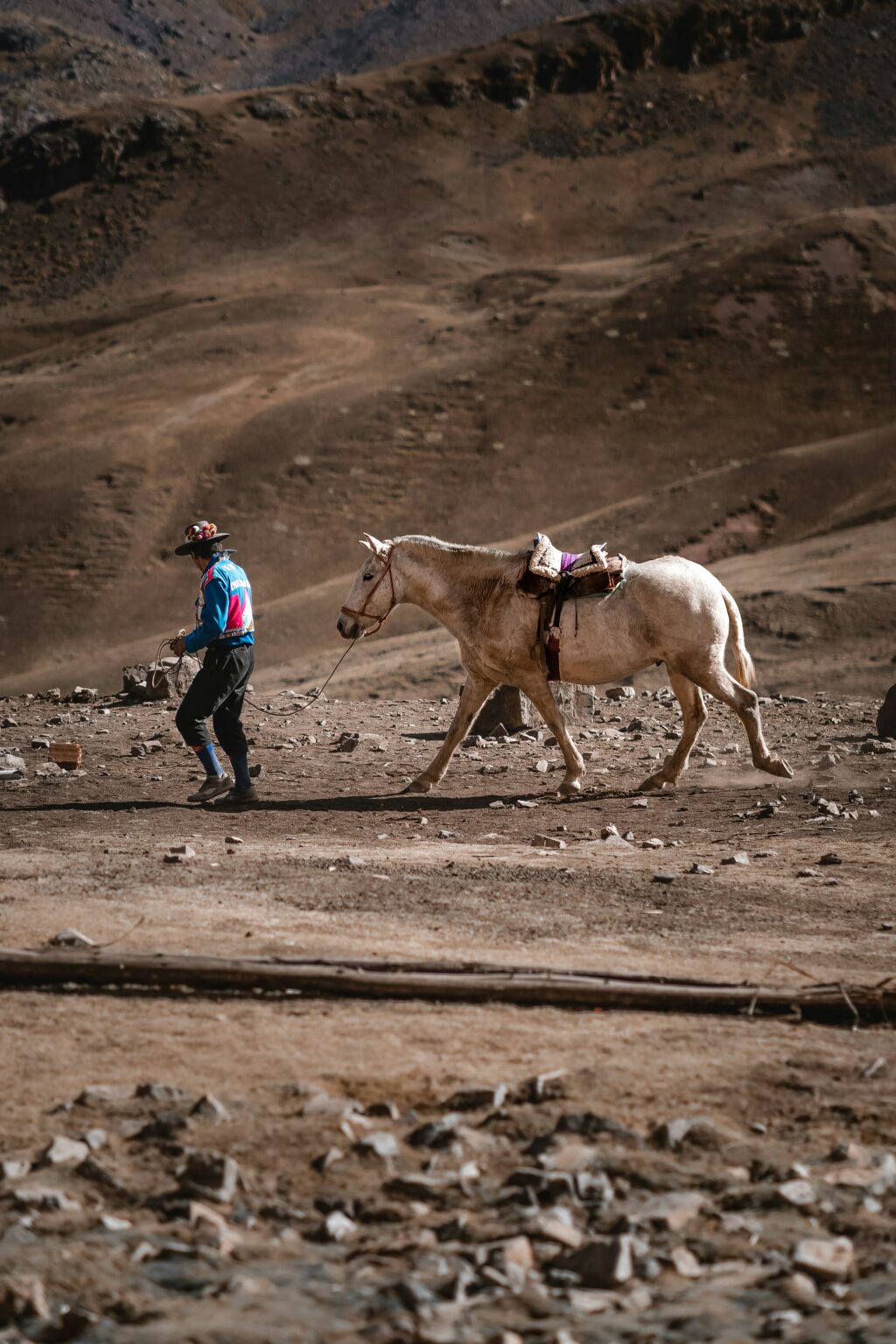
For travelers looking to explore independently, getting to Rainbow Mountain without a tour requires some effort. You’ll need to arrange private transportation or rent a car to make the 3-hour drive from Cusco to the trailhead. Be aware that driving through the Andean mountains can be challenging due to rough roads and high altitudes. Public transportation is unreliable, with no direct bus routes to the mountain, making independent travel a more difficult option but definitely doable.
Where to Stay in Cusco
Whether you’re seeking luxury accommodations with breathtaking views, a cozy boutique hotel in a historic neighborhood, or a budget-friendly hostel close to the action, Cusco offers a wide range of options to suit every traveler’s style and budget. Let’s explore the best places to stay in this vibrant Andean city:
Best Hotels in Cusco
- Casa Cristobal Siete Cuartones Casona Colonial – features a garden. The hotel is near key attractions and you can can enjoy amenities such as a 24-hour front desk, airport transportation, room service, and free WiFi. Rooms come with a patio, closet, and flat-screen TV. Bed linen and towels are provided.
- Amaru Colonial – a charming colonial inn that features a beautifully lit central courtyard with a colorful flower garden. Rooms are decorated with bold Peruvian accents and offer private bathrooms and central heating, with free WiFi available in public areas.
- MOAF Cusco Boutique Hotel – enjoy a 24-hour front desk, airport transportation, a shared kitchen, and free WiFi throughout the property. Room offer city views and all are equipped with a private bathroom, flat-screen TV, and hairdryer. A buffet, continental, or American breakfast is served daily.
Best Hostels in Cusco
- Samay Wasi Youth Hostels – offers a safe, clean, and comfortable stay with stunning views of the city. The hostel provides cozy single, double, and shared rooms, all with private bathrooms and heating. You enjoy free internet, breakfast, cable TV, a fully equipped kitchen, and 24-hour hot water.
- Viajero Kokopelli Hostel – housed in a unique 200-year-old building with a focus on providing everything a traveler needs, the hostel offers free WiFi throughout, 24/7 reception and security, and a range of amenities including a restaurant, bar, and live music events.
- Pariwana Hostel Cusco – where high-quality accommodation meets affordability, ensuring an exceptional stay without breaking the bank. Pariwana offers both shared and private rooms with exceptional comfort, putting you close to the vibrant local culture. With a variety of daily activities and the chance to connect with travelers from around the world, your time here promises to be an exciting adventure.
What to Know About Rainbow Mountain
Difficulty
The difficulty of hiking Rainbow Mountain largely stems from its high altitude rather than the distance or terrain itself. The trek begins at an elevation of approximately 4,600 meters (15,100 feet) above sea level, with the summit reaching an impressive 5,200 meters (17,060 feet). This altitude presents a significant challenge for many hikers, as the air becomes thinner and oxygen levels decrease, making physical exertion more difficult. This was even after I had finished a 3 day trek to Machu Picchu via the Salkantay trail.
Altitude sickness is a common issue for visitors who are not properly acclimatized. Symptoms include headaches, dizziness, shortness of breath, and nausea. It is crucial to spend at least 2-3 days in Cusco before attempting the hike. Additionally, staying hydrated, avoiding alcohol, and taking it slow on the trail can help mitigate the effects of altitude. My guide had a lot of coca leaves and this perfume that sort of helped but I remember just how gruesome it was.
While the actual path to Rainbow Mountain is not technically difficult, the high altitude can make even moderate inclines feel much more strenuous. I found myself needing to stop frequently to catch my breath.
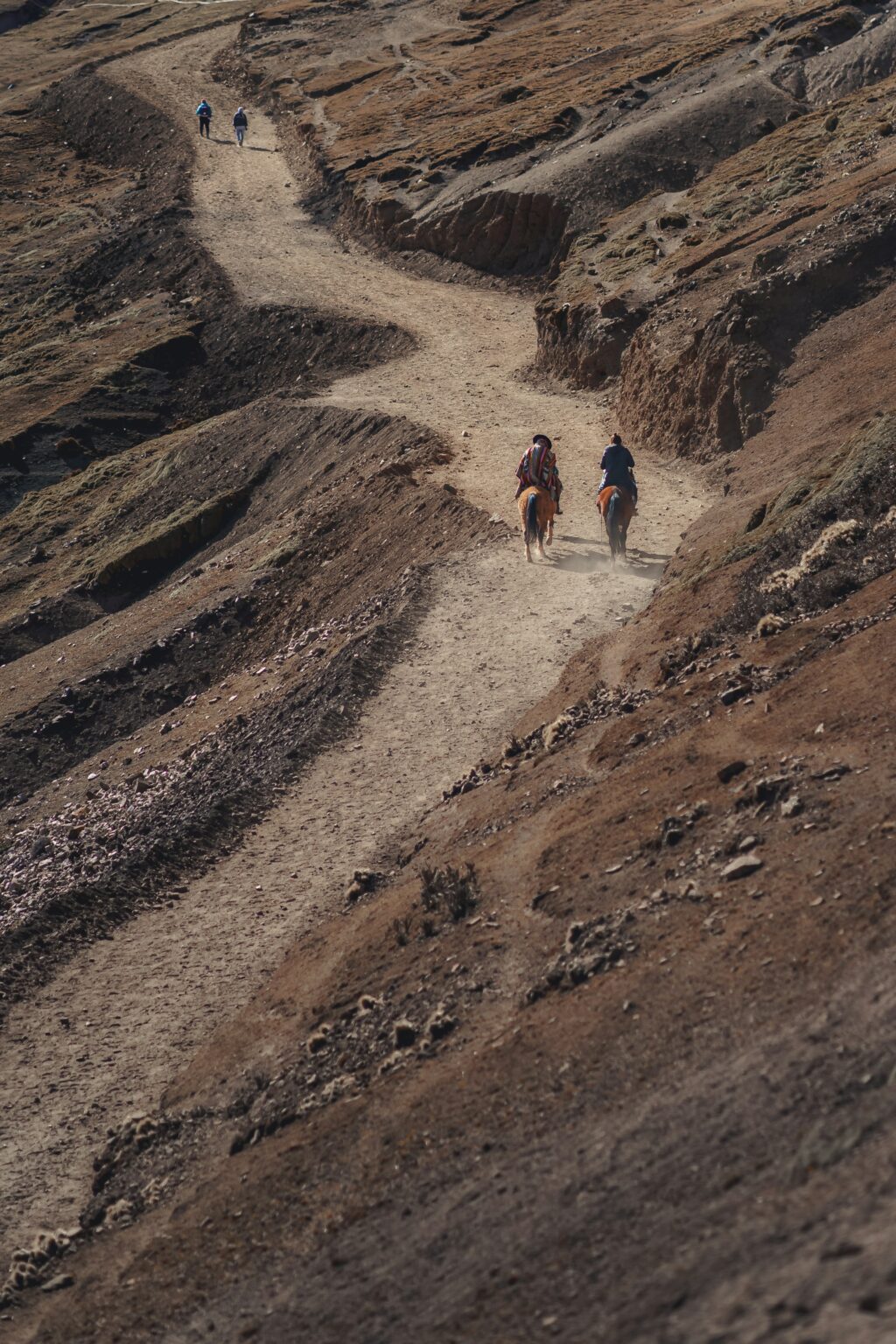
For those who struggle with the altitude, there are horses available for rent along the trail. However, it’s still important to be cautious and aware of altitude-related risks, as the hike’s steepest section near the summit must be completed on foot.
Distance
The hike to Rainbow Mountain covers a total distance of approximately 7 kilometers (4.3 miles) round-trip. The trek is relatively short compared to other hikes in the region, but the high altitude makes it feel more challenging. The trail begins at the parking area and winds through scenic valleys where you can see some llamas and alpacas and up gentle inclines before reaching the final, steeper ascent to the viewpoint.
The path itself is primarily dirt and gravel, making it accessible for most hikers with basic fitness levels.
Duration
The duration of the Rainbow Mountain hike varies depending on individual fitness levels and acclimatization to the altitude. On average, most hikers take between 1.5 to 2 hours to reach the summit. The return trip typically takes about 45 minutes to 1 hour, as it is mostly downhill.
For those struggling with altitude or taking frequent breaks, the overall duration can extend to 3-4 hours. It’s important to pace yourself and not rush the hike, especially considering the high elevation, which can slow down even experienced hikers. Plan for a full day trip when visiting Rainbow Mountain, as the entire tour (including travel time from Cusco) usually lasts 10-12 hours.
Best Time to Visit Rainbow Mountain
The best time to visit Rainbow Mountain is during the dry season, which runs from March to November. This period offers clearer skies, more stable weather conditions, and better visibility of the mountain’s vibrant colors. The dry season is also cooler, making the hike more comfortable, although temperatures can still drop significantly in the mornings and at higher elevations.
In contrast, the wet season, from November to April, presents a greater challenge for hikers. Frequent rain, snow, and muddy trails can make the hike more difficult and less enjoyable. Additionally, cloud cover can obscure the view of the mountain’s colors, making the trek feel less rewarding. If you’re visiting during the rainy season, be prepared for unpredictable weather and consider postponing your hike if heavy rain is forecast.
To avoid crowds, aim to visit during the shoulder months of March or November, when there are fewer tourists but still good weather conditions. For the best experience, consider booking a tour that departs early in the morning. Most visitors arrive mid-morning, so starting your hike at sunrise helps you avoid the heaviest crowds. Additionally, weekdays tend to be less crowded than weekends, making them a better choice for a quieter experience.
The Rainbow Mountain Hike
- Distance: 7 km (4.3 mi) round-trip
- Time: 1.5 to 2 hours up, 45 minutes to 1 hour down
- Difficulty: Challenging due to high altitude
- Summit: 5,200 ms (17,060 ft)
- Best Time to Go: Dry season (March to November)
- Crowds: Heaviest mid-morning and on weekends; early morning and weekdays are quieter
- GPS & Map: Rainbow Mountain & Red Valley
Red Valley
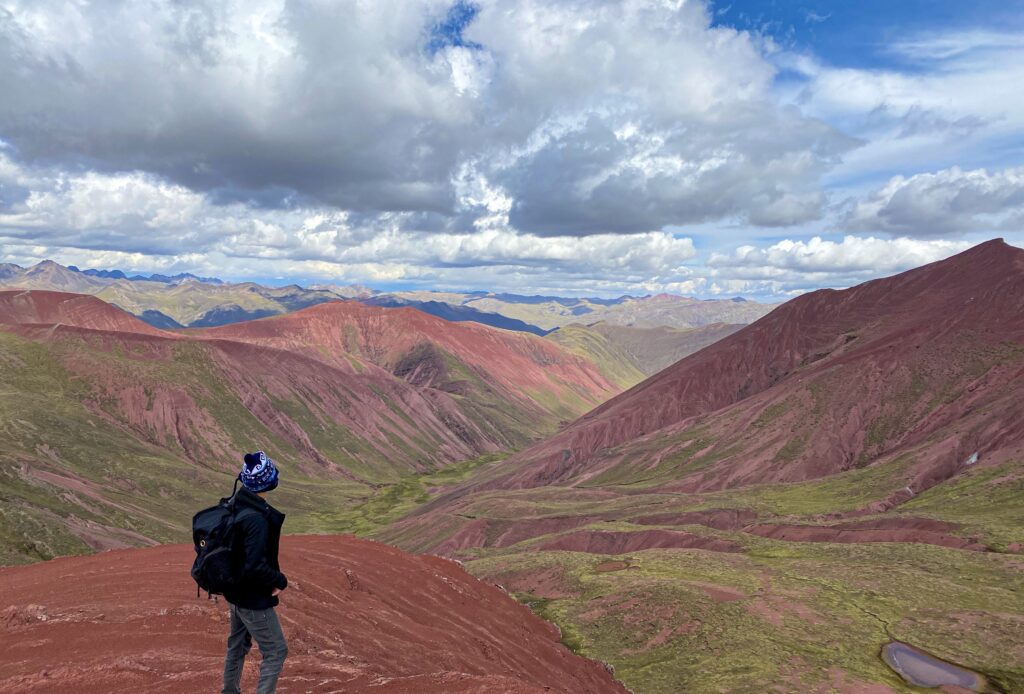
The nearby Red Valley, located just a short hike from Rainbow Mountain, is a hidden gem that many visitors miss. While Rainbow Mountain dazzles with its vibrant multi-colored stripes, the Red Valley offers an equally stunning yet contrasting landscape. Its deep red and earthy hues, shaped by iron oxide-rich soil, stretch across the valley, creating a Mars-like terrain that is simply surreal.
Visiting the Red Valley is a fantastic side trip for several reasons. First, it provides a more peaceful and secluded experience compared to the often-crowded Rainbow Mountain viewpoint. Since fewer tour groups make the extra trek to the Red Valley, you’ll have a chance to enjoy the dramatic scenery in relative solitude. The valley also offers unique photo opportunities, with fewer tourists and a raw, untouched landscape.
The hike to the Red Valley typically takes an additional 1.5 hours roundtrip, but the reward is well worth the effort. For those who want to maximize their experience in the region, adding this side trip gives you the chance to see two very distinct landscapes in one day, making the journey even more memorable. If you’re booking a tour, be sure to check whether the Red Valley option is included, as it may not be offered by all companies which is why I recommend going with this one.
What to Pack for Rainbow Mountain
When preparing for the hike to Rainbow Mountain, packing the right gear and supplies is essential for both comfort and safety. Here’s what you should bring:
- Footwear: Sturdy hiking shoes with good grip are highly recommended. Avoid regular sneakers without proper support, as the trail can be rocky and slippery, especially after rain.
- Clothing: Wear moisture-wicking base layers and bring warm layers such as a fleece or down jacket. It’s important to dress in layers to adjust to changing temperatures throughout the day.
- Rain Gear: A waterproof jacket or poncho is a must, as weather in the Andes can change rapidly, even during the dry season.
- Hat and Gloves: Temperatures can drop at higher altitudes, so having a warm hat and gloves is important for early morning hikes.
- Water: Bring at least 1.5 liters of water per person to stay hydrated throughout the hike. Especially useful to counter the high altitude.
- Snacks: High-energy snacks like nuts, dried fruit, or energy bars will help you stay fueled during the hike.
- Sun Protection: The high altitude increases exposure to UV rays, so pack sunscreen (SPF 50+), sunglasses, and a hat to protect yourself from the sun.
- First Aid Kit: A basic first aid kit with band-aids, antiseptic wipes, and pain relievers is essential for minor injuries.
- Altitude Medication: If you’re concerned about altitude sickness, bring over-the-counter medications like acetazolamide (Diamox) or ibuprofen to ease symptoms. Coca leaves can also help with altitude sickness.
Plan Your Trip to Peru | Best Travel Resources
Book Your Accommodations
- Booking.com – the world’s leading online booking platform for accomodations around the world, they have an extensive amount of available listings with zero booking fees and best price guarantees.
- Hostelworld – a backpacker’s best friend, Hostelworld has the largest collection of hostels and guesthouses for affordable prices.
Don’t Forget Insurance
- SafetyWing – from Nomad Insurance, an insurance by nomads for nomads. They understand our lifestyle well and have really comprehensive and flexible plans that cater to any traveler.
Find Cheap Flights
- Kiwi.com – my go-to for booking and finding the cheapest flights and it’s helped me save tons of money. They do virtual interlining which is connecting flights from airlines that do not codeshare, so you can find routes that you wouldn’t be able to find normally.
Join Tours & Activities
- GetYourGuide – is one of the best places to find unique tours and activities. I found that it’s an excellent way to meet fellow travelers and create fond memories. They are not only limited to tours as they also offer niche services such as skip-the-line tickets or private transfers.
Catch a Ride
- Rentalcars.com – nothing beats the freedom of the road, Rentalcars.com is the world’s largest online car rental service. They operate across 160 countries so they’re the perfect partner to work with if you find yourself wanting a ride.