Tulum.
Nestled on the Caribbean coastline of Mexico’s Yucatan Peninsula.
A destination that effortlessly blends breathtaking natural beauty with a profound spiritual allure. Known for its pristine beaches, lush jungles, and the mesmerizing ruins of an ancient Maya port city.
Amidst this scenic paradise lies a lesser-known, yet deeply intriguing aspect of Tulum’s spiritual landscape: the Bufo Alvarius toad. This amphibian is renowned for its secretion, which contains 5-MeO-DMT, a potent psychoactive substance.
Often referred to as the “God Molecule,” 5-MeO-DMT is sought after for its profound psychedelic experiences, which many describe as transformative and life-altering.
In Tulum, the use of this substance in carefully guided ceremonies connects you to ancient traditions of spiritual exploration, setting the stage for an experience that is as introspective as it is interconnected with the natural world around them.
Table of Contents
Toggle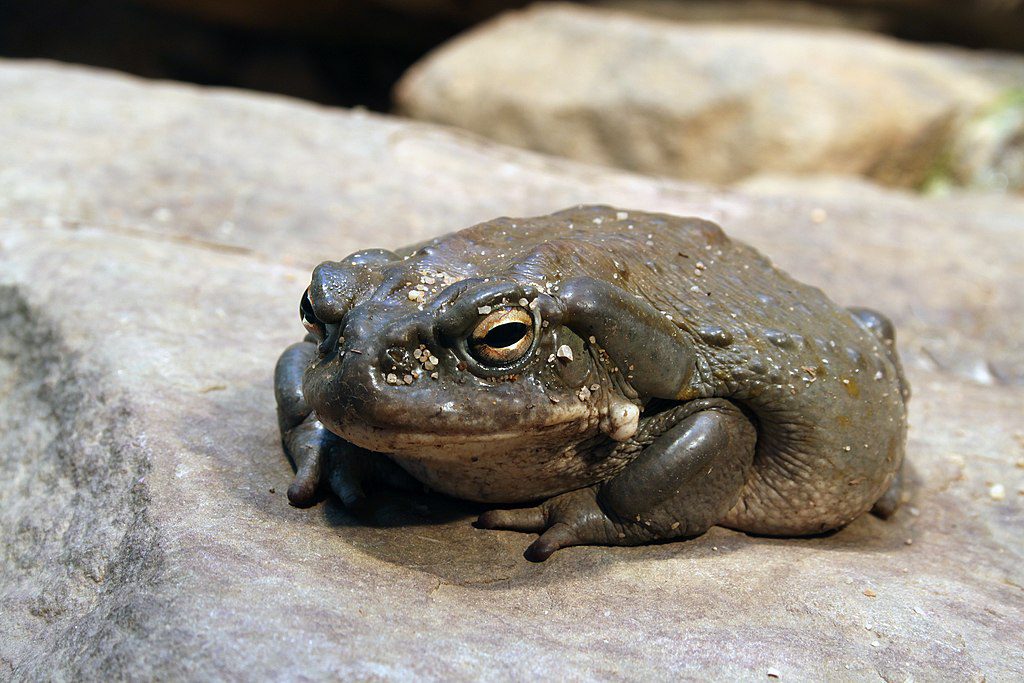
The Bufo Alvarius
The Bufo Alvarius, also known as the Colorado River Toad or the Sonoran Desert Toad, is one of the largest toads found in North America. It is particularly noted for its distinctive appearance and significant size, capable of growing up to seven inches in length. The toad’s skin is thick and leathery, typically olive green or dark brown in color, with a smooth, shiny texture interspersed with glands.
Native to the southwestern United States and parts of northern Mexico, Bufo Alvarius thrives in desert and semi-arid areas. It is a nocturnal creature, spending most of the day burrowed underground to escape the desert heat and emerging at night to feed and mate. The toad’s diet primarily consists of insects, small rodents, and other small animals.
One of the most remarkable features of the Bufo Alvarius is its ability to produce a potent toxin known as bufotoxin, which it secretes from glands located around its neck and limbs. This secretion is a defense mechanism against predators, but it also contains 5-MeO-DMT, a powerful psychoactive substance. When dried and smoked, this secretion induces an intense, short-lasting psychedelic experience, which has been described by many as life-changing.
5-MeO-DMT: The God Molecule
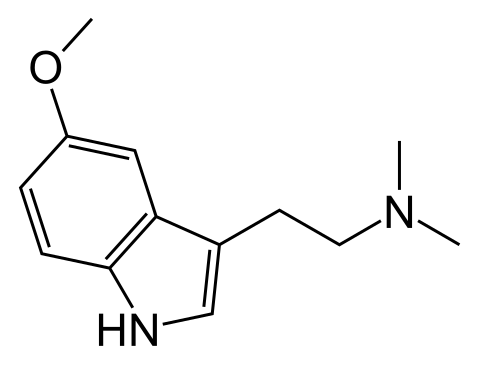
5-MeO-DMT, commonly referred to as the “God Molecule,” is a powerful psychedelic compound that is found in the secretions of the Bufo Alvarius toad, as well as in a variety of plants and can also be synthetically produced. Unlike its more famous relative DMT (dimethyltryptamine), which is known for its vivid visual hallucinations, 5-MeO-DMT is often associated with non-visual, more introspective and overwhelming experiences that many describe as unifying or transcendent. It is the very essence of non-duality.
Upon ingestion, 5-MeO-DMT acts rapidly, often within seconds, and its effects usually last around 30 minutes. It primarily affects the serotonin receptors in the brain, which leads to an intense alteration of consciousness. Many reports from those who have experienced its effects include feelings of profound peace, cosmic unity, and a dissolution of the ego, which some interpret as a spiritual awakening or even enlightenment. The intensity and nature of the experiences can vary widely, but many report transformative outcomes, including significant reductions in stress, depression, and anxiety.
What About DMT?
While DMT—found in ayahuasca—produces a long, involved trip with complex visual and narrative hallucinations (it can also be smoked for a shorter but even more intense trip), 5-MeO-DMT’s effects are generally more abstract and less visual. The experience is often described as being catapulted into a vast space of overwhelming presence, which can be more introspective and less recreational than the colorful, story-like journeys elicited by DMT or the emotional, sensory enhancement induced by psilocybin (found in magic mushrooms). This fundamental difference makes 5-MeO-DMT unique in the landscape of psychedelics, appealing to those seeking deep spiritual insight or rapid psychological healing.
Recent studies and anecdotal evidence suggest that 5-MeO-DMT may have significant therapeutic benefits, particularly in the treatment of mood disorders and PTSD. The profound experiences of ego dissolution and unity with the universe can provide users with a new perspective on their lives and problems, often leading to lasting changes in their psychological well-being.
My Bufo Alvarius Experience
The hotel I stayed at was also called Bufo Alvarius and they offered the ceremony for 100 USD.
My own encounter with this ceremony started early in the morning. A guide dressed in flowing robes led me into the ceremonial tent, where I spent some time meditating. The atmosphere was calm, charged with a quiet anticipation. The guide debriefed me on what to expect and handed me a vaporizer containing the precious substance.
Eager and a bit nervous, I inhaled deeply but, unfortunately, I didn’t hold it in long enough, leading to a less intense experience than expected. Despite this, the effects were profound, albeit brief and somewhat underwhelming. I didn’t exactly breakthrough but at the same time, I think I just wasn’t ready yet. But still, in those brief few moments, I was higher than I have ever been, more than any other substance. So while I can say it was underwhelming, it was still pretty strong.
I just couldn’t get where I wanted to be. So my biggest tip is make sure to hold it in for as long as you can, and get another puff while you’re at it. I’m definitely going to try it again in the near future.
The guide ensures that participants understand how to use the substances properly and helps them navigate the intense emotions and sensations that can arise. He played some nice instrument that sounded heavenly to send me off. In my case, even though I was told to hold the inhalation, I was just too nervous and treated it like cannabis instead.
After the ceremony, I left the tent in a daze, my senses heightened and my visuals saturated with intense colors. This experience, though fleeting and chaotic, does show the importance of set and setting, for those familiar with the great Terrence McKenna.

How to Get to Tulum
The closest major airport to Tulum is Cancun International Airport (CUN). So if you’re coming from Mexico City, it’s advisable to fly over to Cancun then making the trip from there.
From Cancun to Tulum:
- By Bus: The ADO bus is a popular and affordable option for traveling from Cancun to Tulum. Buses from the airport and downtown Cancun run directly to Tulum and are well-equipped with air conditioning.
- By Car: Renting a car from Cancun Airport is a convenient option if you prefer driving yourself. The journey takes about 2 hours via Highway 307, heading directly south.
- By Taxi or Private Transfer: For a more comfortable and direct route, you can book a private transfer or catch a taxi. This is the quickest way to get to Tulum but also the most expensive.
Where to Stay in Tulum
I had my Bufo Alvarius ceremony at the Bufo Alvarius Sanctuary in Tulum, a place that served both as my sanctuary and a spiritual retreat center. The room where I stayed was spectacular, designed as a giant transparent box with glass walls that harmoniously blended the indoors with the lush surroundings.
The place itself radiated a profound spiritual essence, centered around a swimming pool adorned with Buddha statues, creating a serene atmosphere. A far cry from the usual Mexican culture fanfare but I liked how it felt like you were in a forest this whole time. There were dream catchers hanging around, and everything was very natural and eco-friendly.
Other Things to Do in Tulum
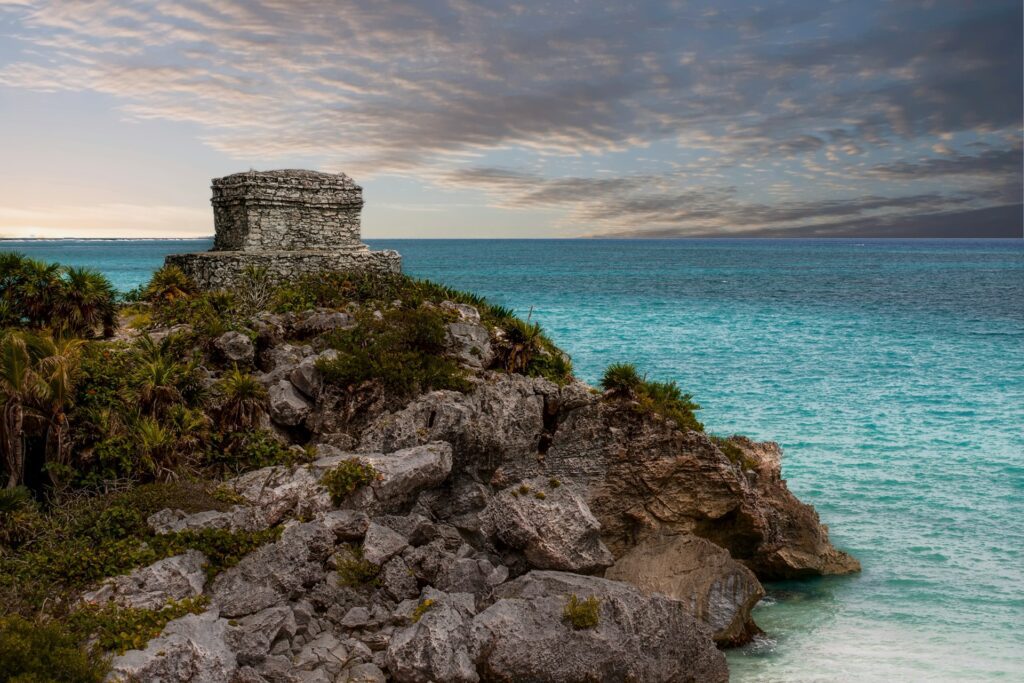
Visit the Tulum Ruins: Explore the well-preserved Mayan ruins perched on a cliff overlooking the Caribbean Sea, notable for the iconic El Castillo.
Explore the Cenotes: Dive into the crystal-clear waters of cenotes like Gran Cenote and Cenote Dos Ojos, perfect for snorkeling and swimming.
Relax on the Beaches: Unwind on the pristine beaches such as Playa Paraiso and Las Palmas, known for their soft white sands and turquoise waters.
Discover Sian Ka’an Biosphere Reserve: Adventure through this UNESCO World Heritage Site, which offers a rich array of wildlife, mangroves, and ancient Mayan sites.