Mexico’s culture is a unique blend of indigenous roots and Spanish colonial influence, this culture is not just a relic of the past but a living, breathing part of everyday life, seen in the bustling markets, heard in the music that fills the air, and tasted in each bite of its rich cuisine.
For the Mexicans, it’s quite clear how integral family and community are to their way of life. Celebrations are not only about festivity but also about coming together, honoring heritage, and forging communal bonds. These traditions are passed down through generations, each adding their own flavors and stories to the practices that define them.
Understanding Mexican culture requires an appreciation of the subtleties that make it so enduring. This is just the beginning of a journey into the rich cultural landscape of Mexico, a journey that promises plenty of colorful discoveries.
Table of Contents
ToggleCultural Concepts in Mexico
Machismo
This concept involves a strong sense of masculine pride intertwined with responsibilities and protective qualities. While it can have negative connotations associated with male dominance and chauvinism, the positive aspects emphasize courage, honor, responsibility, and the protection provided by men in their roles as fathers and husbands.
Marianismo
As a counterpart to machismo, marianismo is the ideal of female virtue and purity influenced by the Virgin Mary. It extols women as being morally superior to and spiritually stronger than men, tasked with maintaining the moral fiber of the family. Women are seen as the caretakers who sacrifice for the good of the family, emphasizing selflessness.
La Familia
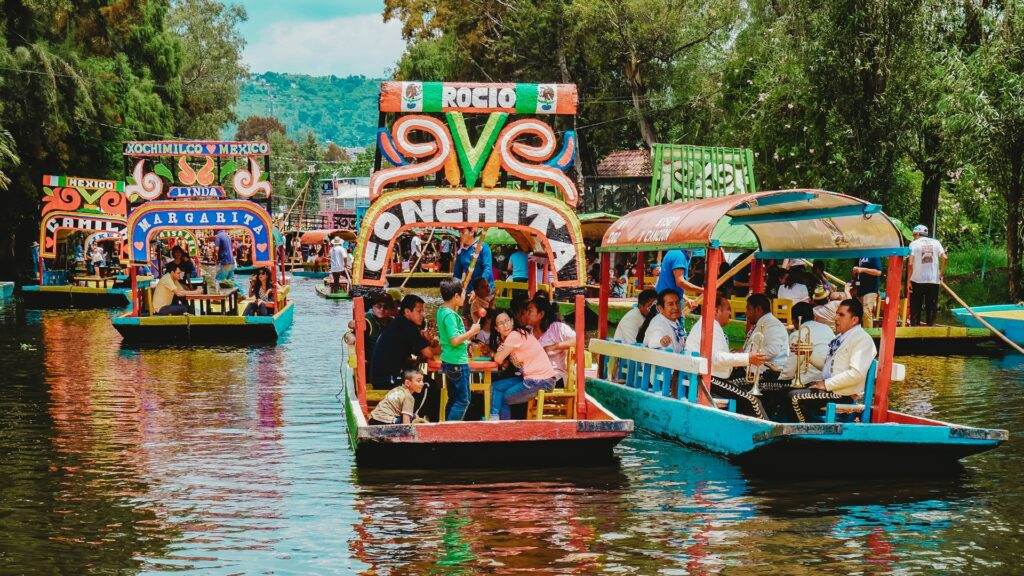
While the importance of family is a universal concept, in Mexico, the family unit extends beyond the nuclear family to include extended family and even close family friends, known as “compadres” and “comadres.” This broad definition of family influences social structure, obligations, and support systems. Decision-making often involves considering the impact on the family as a whole, reflecting a deep-seated value of familial unity.
Fatalismo
The belief in fatalism reflects a deep-rooted idea that life’s path is largely predetermined, influencing how individuals react to life’s events. This concept can lead to a more relaxed attitude toward life and an acceptance of circumstances as they are, which can be seen as a form of resilience and contentment in face of adversity.
What is the Religion in Mexico?
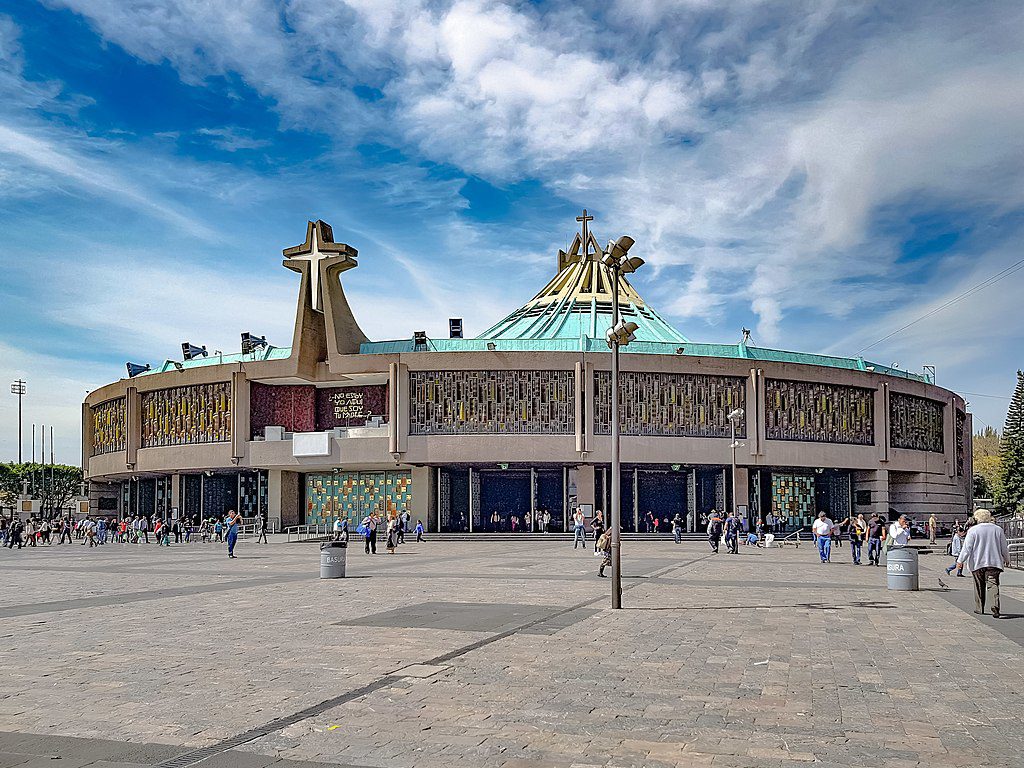
Approximately 77% of the Mexican population identifies as Roman Catholic, making it the dominant faith. Protestantism and Evangelical Christianity represent about 9% of the population and have grown in recent decades. About 2% adhere to non-Christian religions such as Judaism, Islam, and various indigenous beliefs, while around 10% of Mexicans claim no religious affiliation, a number that has been increasing, particularly among younger generations.
What are the Traditions in Mexico?
La Quinceanera
This is a significant rite of passage for 15-year-old girls in Mexico, marking their transition from childhood to womanhood. The celebration involves a religious ceremony followed by a festive reception where the “quinceanera” wears a formal dress, receives gifts, and enjoys a special dance, typically with her father and other important male figures in her life.
Charreada
Often described as Mexican rodeo, charreada is a competitive event similar to rodeo and consists of various equestrian activities. It’s considered the national sport of Mexico and showcases the skills of “charros” (Mexican cowboys), including horse reining, bull riding, and roping skills.

Lucha Libre
Lucha Libre, or Mexican wrestling, is a characterized by its high-flying maneuvers, rapid sequences, and especially the colorful masks worn by wrestlers, it offers a unique spectacle combining athletic prowess with dramatic storytelling.
The masks are particularly significant in Lucha Libre, symbolizing the luchadores’ alter egos and personal mythology. These masks help build a mystique around the wrestlers, who often never reveal their true identities in public.
Pinatas
Although pinatas are now common in various parts of the world, they have a particular significance in Mexican culture, especially during Christmas and birthday celebrations. The traditional Mexican pinata has a religious origin, often made of clay and designed with seven points representing the seven deadly sins; breaking the pinata symbolizes the struggle against temptation and sin.
Las Posadas
These are communal celebrations held on each of the nine nights leading up to Christmas, from December 16th to 24th. They reenact Mary and Joseph’s search for lodging in Bethlehem. Participants go from house to house singing traditional songs and asking for shelter, ending with a party at a different home each night.

Mexican Traditional Dance
Mexican traditional dance is a vivid expression of the country’s diverse cultural history, combining indigenous, African, and Spanish influences:
Jarabe Tapatio: Often considered the national dance of Mexico, the Jarabe Tapatio originated in Jalisco. It’s a courtship dance performed by a couple, featuring a charro and a woman dressed in a traditional China Poblana outfit. The dance is characterized by rhythmic footwork that mimics a tap dance and a playful, flirtatious interplay between the dancers.
Danza de los Voladores: This ancient ritual, which is believed to have originated with the Nahua, Huastec, and Otomi peoples of central Mexico, involves four dancers climbing a 30-meter pole. One dancer remains on top playing a flute and drum, while the others leap off, tied by ropes, to gracefully descend in circles. It’s said to be a plea to the gods to end a severe drought.
La Conquista: A dramatic dance that narrates the story of the Spanish conquest of Mexico. Dancers wear elaborate costumes representing Spanish and indigenous warriors. The dance is a blend of both cultures’ music and dance styles and serves as a historical reenactment that tells the stories of resistance and survival.
Mexican Traditional Music
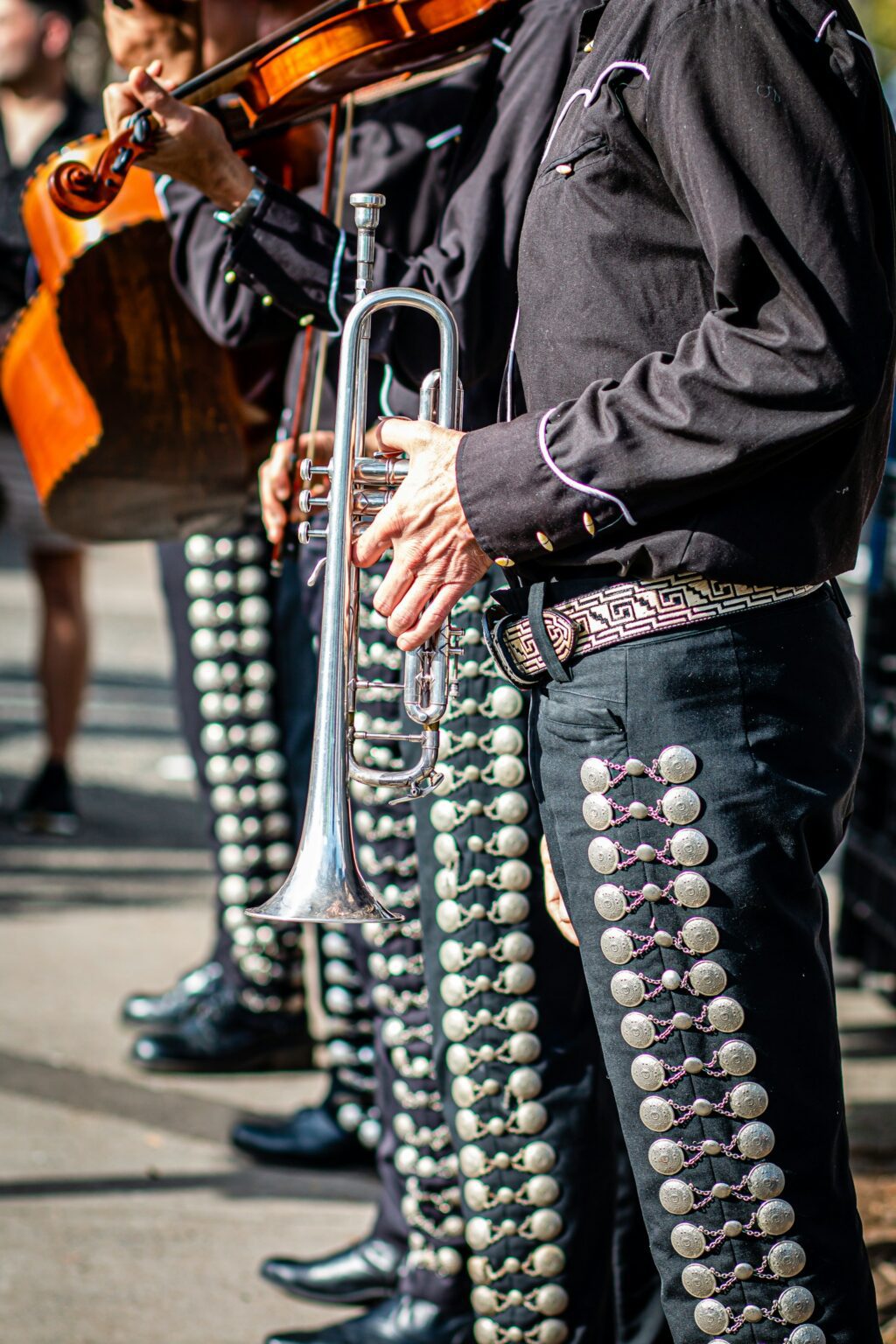
Mexican traditional music carries its own unique sound and significance, and many are accompanied by specific traditional instruments that contribute to their distinctive musical character:
Mariachi: Mariachi is perhaps the most famous genre of Mexican music, known worldwide for its vibrant and festive sound. The ensemble typically consists of violins, trumpets, a guitar, a vihuela (a high-pitched, five-string guitar), and a guitarron (a large, deep-bodied acoustic bass guitar).
Norteno: This genre is prevalent in the northern regions of Mexico and is strongly influenced by German and Czech immigrants’ music styles, such as polkas and waltzes. Key instruments include the accordion and the bajo sexto, a twelve-string guitar that provides a rhythmic and harmonic base.
Son Huasteco: Also known as Huapango, this style is typical of the Huasteca region spanning several states. It is known for its high-pitched falsetto singing and intricate violin play. The huapanguera (a large guitar) and the jarana huasteca (a small guitar-like instrument) provide the musical foundation.
What to Eat in Mexico
Mexican cuisine is known for its bold spices and colorful presentations! Here’s a guide to some must-try dishes when you visit Mexico:
Tacos – Perhaps the most famous Mexican dish, tacos come in many varieties. They can be filled with anything from grilled meats (like carne asada or al pastor) to seafood or vegetables, all wrapped in soft corn tortillas.
Tamales – These are corn dough parcels, stuffed with a range of ingredients like meats, cheeses, fruits, or chilies, then wrapped in banana leaves or corn husks and steamed.
Enchiladas – Soft corn tortillas rolled around fillings such as chicken, cheese, or beans, covered with a chili sauce. Enchiladas can be topped with additional cheese, sour cream, and onions.
Chiles en Nogada – A patriotic dish featuring poblano chiles stuffed with picadillo (a mixture of meat, fruits, and spices) topped with a walnut-based cream sauce and pomegranate seeds, representing the colors of the Mexican flag.
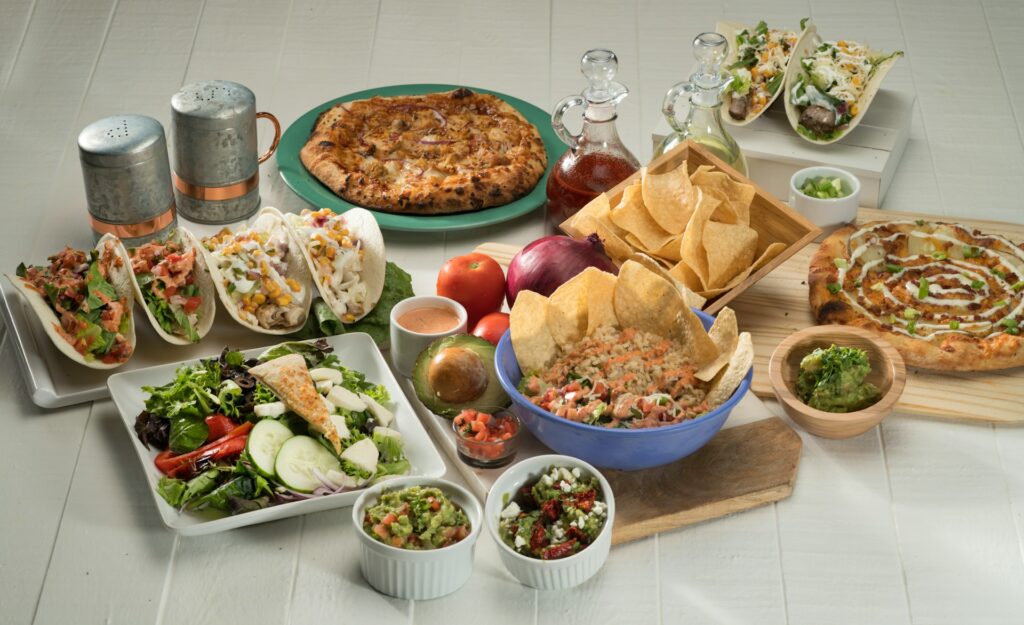
Pozole – A hearty soup made of hominy, meat (commonly pork), and can be seasoned and garnished with cabbage, chile peppers, onion, garlic, radishes, avocado, salsa or limes.
Ceviche – A seafood dish made from fresh raw fish cured in fresh citrus juices, primarily lime, and spiced with aji or chili peppers. Additional seasonings, such as chopped onions, salt, and cilantro, may be added.
Mole – A rich sauce popular in Mexican cooking, typically served over meat. The ingredients for mole can vary, but they often include a mixture of nuts, chili peppers, chocolate, and spices.
Elote – Mexican street corn, typically served on the cob or in a cup, slathered in mayonnaise, cotija cheese, chili powder, and lime juice.
Churros – A popular snack made from fried dough, often sprinkled with sugar and served with chocolate dipping sauce.

What is the Language in Mexico?
The primary language spoken in Mexico is Spanish, making it the most widely spoken Spanish-speaking country in the world. Spanish arrived in Mexico in the 16th century with the Spanish conquest and has since become the dominant language.
However, Mexico’s linguistic landscape is diverse and includes a rich array of indigenous languages. The government recognizes 68 national languages, which include 364 linguistic variants of indigenous groups. Some of the most spoken indigenous languages are Nahuatl, spoken by about 1.7 million people; Maya, used by approximately 850,000 people; and Mixtec, Zapotec, and Otomi, each of which has hundreds of thousands of speakers.
Useful Spanish Phrases for Travel
|
Spanish
|
English
|
|---|---|
|
Hola
|
Hello
|
|
Buenos dias
|
Good morning
|
|
Buenos tardes
|
Good afternoon
|
|
Buenos noches
|
Good evening
|
|
Por favor
|
Please
|
|
Gracias
|
Thank you
|
|
De nada
|
You're welcome
|
|
Como esta?
|
How are you?
|
|
No hablo espanol.
|
I don't speak Spanish
|
|
La cuenta, por favor
|
The bill, please
|
|
Ayuda!
|
Help!
|
Traditional Festivals in Mexico
Guelaguetza
Held annually in July in Oaxaca City, the Guelaguetza festival is a celebration of the culture, traditions, and customs of the people of Oaxaca. It features indigenous dance, music, traditional costumes, and communal feasts. Originally a religious festival to honor the gods for a bountiful harvest, it has evolved into a cultural event that showcases the diversity of Oaxacan communities. Each group presents their unique dances and music, often performed in the large open-air auditorium built into the side of a hill overlooking the city.
Dia de los Muertos
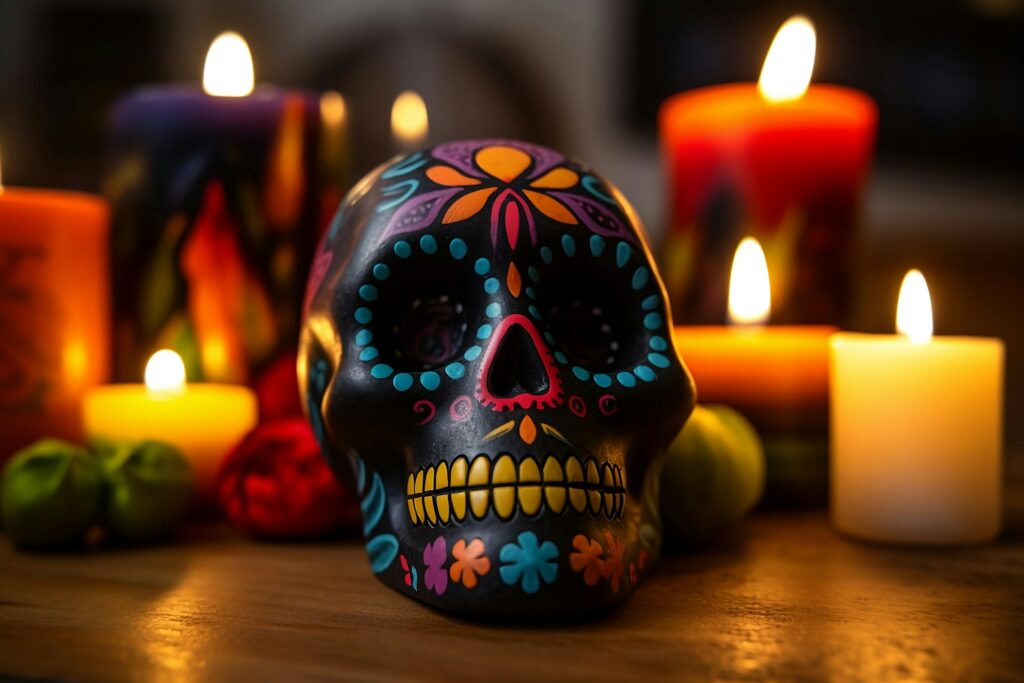
The Day of the Dead is annually celebrated on November 1st and 2nd across Mexico, with notable celebrations in Michoacan, Oaxaca, and Mexico City, Dia de los Muertos is a profound celebration of life and death. It is rooted in indigenous beliefs mixed with Catholic influences. Families create altars (ofrendas) decorated with marigolds, photos, mementos, and favorite foods of the deceased. The belief is that the spirits of the dead return to the world of the living for one day to visit their loved ones. It’s a time of celebration, remembrance, and honor, often accompanied by music, dancing, and traditional foods like pan de muerto (a sweet bread) and sugar skulls.
La Feria Nacional de San Marcos
Originated in the 19th century and has grown into a grand celebration that draws visitors from across Mexico and beyond. The festival features a wide array of events including cultural exhibitions, concerts, rodeos, bullfights, a nationally recognized livestock fair, art displays, and a wide variety of food and drink stands. The fair also includes a beauty pageant and the traditional “corrida de toros” (bullfighting), which is a deeply rooted cultural spectacle in Mexico.
Customs in Mexico
Here are some customs that are uniquely found in Mexico:
Sobremesa is a custom that involves staying at the table after a meal to chat and enjoy each other’s company. It’s a time for family and friends to bond, discuss various topics, and simply enjoy the leisure of conversation without rushing.
On birthdays, there is a playful custom called “la mordida,” where the birthday person’s face is playfully pushed into their birthday cake after making a wish and blowing out the candles.
A common custom in many Mexican towns and cities is “el paseo,” a leisurely evening stroll that families and friends take through the main plaza. This walk, typically after dinner, is a time for socializing and catching up with neighbors and friends in a relaxed atmosphere.
In Mexico, there’s a strong custom of showing great respect to elders. Younger people often use formal titles and language when addressing older individuals, and it’s common for family members to care for their elderly relatives rather than placing them in care homes.
When invited to someone’s home, it is customary to bring a small gift, such as flowers or pastries. This gesture of appreciation is important and expected, showcasing respect and gratitude towards the host.
Piropos are flirtatious or poetic compliments that men traditionally give to women in public. While their acceptability has been debated in modern times, they have been a longstanding part of Mexican street culture.
Plan Your Trip to Mexico | Best Travel Resources
Book Your Accommodations
- Booking.com – the world’s leading online booking platform for accomodations around the world, they have an extensive amount of available listings with zero booking fees and best price guarantees.
- Hostelworld – a backpacker’s best friend, Hostelworld has the largest collection of hostels and guesthouses for affordable prices.
Don’t Forget Insurance
- SafetyWing – from Nomad Insurance, an insurance by nomads for nomads. They understand our lifestyle well and have really comprehensive and flexible plans that cater to any traveler.
Find Cheap Flights
- Kiwi.com – my go-to for booking and finding the cheapest flights and it’s helped me save tons of money. They do virtual interlining which is connecting flights from airlines that do not codeshare, so you can find routes that you wouldn’t be able to find normally.
Join Tours & Activities
- GetYourGuide – is one of the best places to find unique tours and activities. I found that it’s an excellent way to meet fellow travelers and create fond memories. They are not only limited to tours as they also offer niche services such as skip-the-line tickets or private transfers.
Catch a Ride
- Rentalcars.com – nothing beats the freedom of the road, Rentalcars.com is the world’s largest online car rental service. They operate across 160 countries so they’re the perfect partner to work with if you find yourself wanting a ride.