San Pedro (Huachuma) and Ayahuasca hold profound significance in the Andean and Amazonian traditions, respectively. And for good reason. These plant medicines are considered sacred teachers, offering deep healing on multiple levels.
San Pedro is revered as a powerful ally for connecting with the divine while Ayahuasca is considered a sacred medicine that opens the door to the spiritual realm. While I was in Peru, I was able to try both of these plants under the guidance of a Shipibo shaman. You’ll find my experiences further down below, spoiler alert though, they weren’t that good due to the altitude sickness I was facing while in Cusco. Still, I thought I should share it just in case.
This guide aims to honor the rich traditions associated with San Pedro and Ayahuasca, while providing a clear and respectful comparison to aid in appreciating these remarkable teacher plants.
Table of Contents
ToggleHistorical Background
San Pedro
The use of San Pedro dates back to at least 1300 BCE. The cactus has been a central element in the spiritual traditions of various indigenous groups, including the Chavin, Moche, and Inca civilizations.
In Andean cultures, San Pedro is traditionally used in ceremonies led by shamans who guide participants through the profound spiritual experiences induced by the cactus.
“San Pedro” refers to Saint Peter, the Christian saint known as the gatekeeper of Heaven. According to a legend, the cactus was named San Pedro because it allows users to access the spiritual realm, much like how Saint Peter holds the keys to the gates of Heaven. This blending of indigenous and Christian symbolism highlights the cultural syncretism that has occurred over centuries in the Andean region.
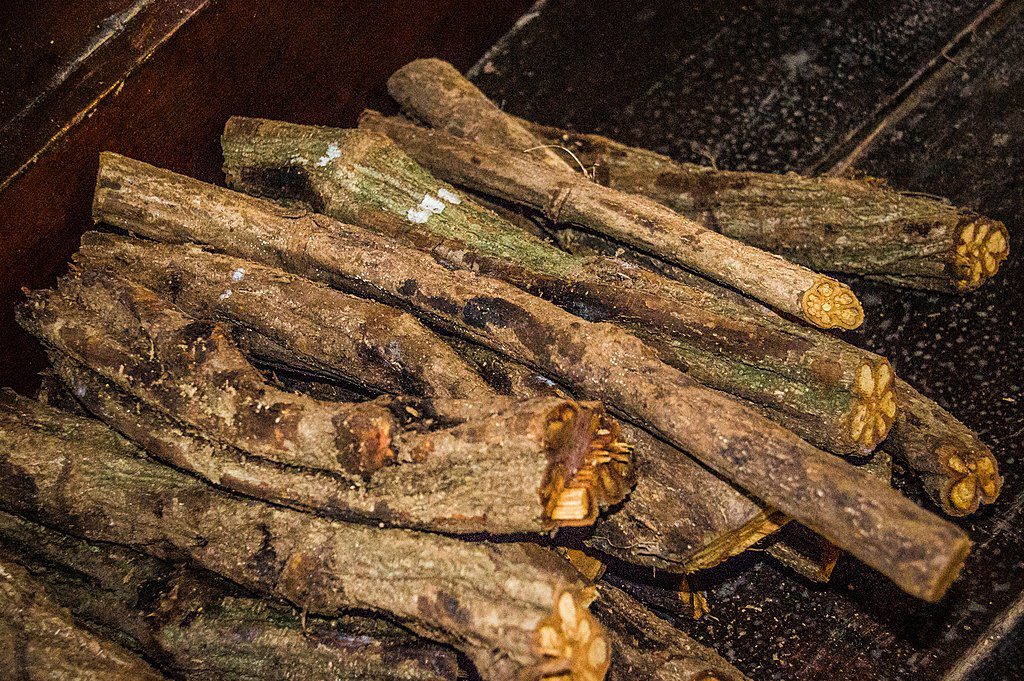
Ayahuasca
Ayahuasca has been used for centuries by the indigenous tribes of the Amazon basin. The brew plays a central role in the healing practices of various Amazonian tribes, including the Shipibo, Ashaninka, and Shuar.
Shamans have long used Ayahuasca to enter altered states of consciousness, communicate with spirits, and gain insights into the nature of reality.
The name “Ayahuasca” itself comes from the Quechua language, meaning “vine of the soul,” reflecting its perceived ability to connect the living with the spiritual realms and the ancestors. This connection is central to the spiritual practices of the Amazonian tribes, where Ayahuasca is seen as a sacred bridge between the physical world and the world of spirits.
Botanical Information
San Pedro
San Pedro, scientifically known as Echinopsis pachanoi, is a fast-growing cactus native to the Andes Mountains of Peru, Ecuador, Bolivia, and northern Argentina. It belongs to the Cactaceae family and is characterized by its tall, columnar shape, often reaching heights of 3 to 6 meters. The cactus has a light to dark green color and typically features 6 to 8 broad, rounded ribs adorned with small, white areoles from which spines emerge. The spines are relatively short, usually around 2 cm in length, and can sometimes be absent, making San Pedro a relatively smooth cactus compared to other species in its family.
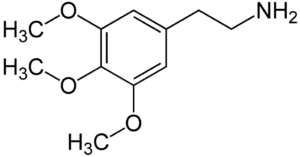
The most notable active compound in San Pedro is mescaline, a powerful psychoactive alkaloid that induces altered states of consciousness, including vivid visual hallucinations, profound emotional experiences, and deep introspective insights. Mescaline is classified as a phenethylamine and has been studied for its effects on the human mind, particularly its ability to produce mystical experiences. The concentration of mescaline in San Pedro can vary, but it is typically present in significant amounts in the green outer flesh of the cactus.
Ayahuasca
Ayahuasca is a brew traditionally made from two primary plants: the Banisteriopsis caapi vine and the Psychotria viridis leaf.
Banisteriopsis caapi, the primary vine used in Ayahuasca, belongs to the Malpighiaceae family. It is a large, woody vine that can grow up to 30 meters in length, with a twisted and fibrous appearance. The vine features large, green leaves with a smooth texture and prominent veins.
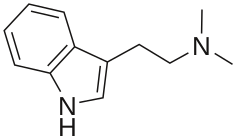
Psychotria viridis, also known as chacruna, is a shrub that belongs to the Rubiaceae family. It typically grows to a height of 2 to 3 meters and has glossy, dark green leaves that are elliptic in shape. The leaves contain the primary psychoactive compound in Ayahuasca, N,N-Dimethyltryptamine (DMT).
The primary active compounds in Ayahuasca are DMT and monoamine oxidase inhibitors (MAOIs). DMT, found in the leaves of Psychotria viridis, is a potent hallucinogen. However, DMT is orally inactive when taken alone because it is rapidly broken down by the enzyme monoamine oxidase (MAO) in the digestive system.
The role of the Banisteriopsis caapi vine in the Ayahuasca brew is to provide beta-carboline alkaloids, such as harmine, harmaline, and tetrahydroharmine, which act as MAOIs. These compounds inhibit the action of MAO enzymes, allowing the DMT from Psychotria viridis to enter the bloodstream and cross the blood-brain barrier, where it exerts its psychoactive effects.
Preparation and Consumption
San Pedro
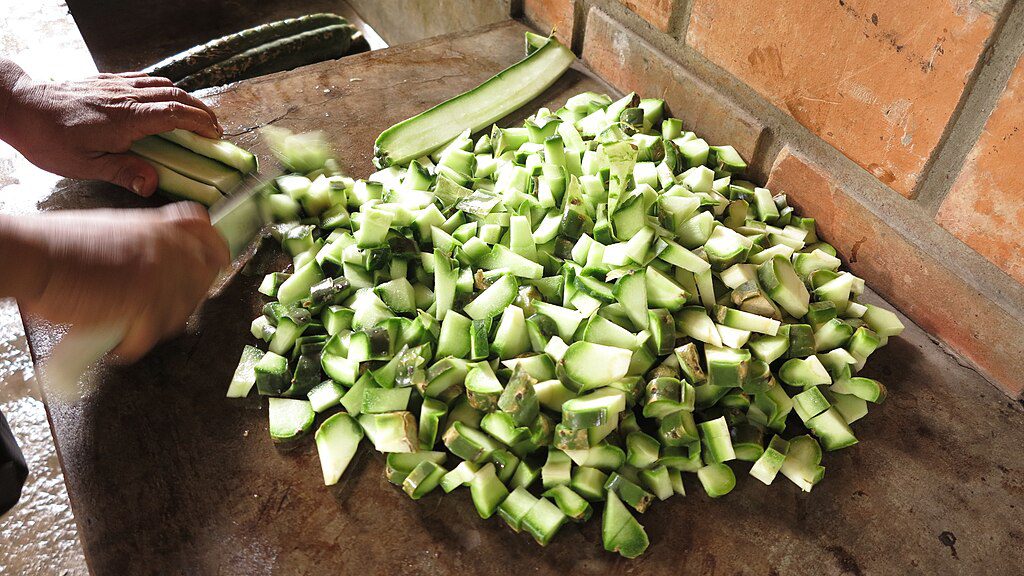
In traditional Andean ceremonies, the preparation of San Pedro involves a meticulous process that is both time-intensive and spiritually significant. The preparation typically begins with the selection of mature San Pedro cacti, which are considered to contain the highest concentration of mescaline. The outer green layer of the cactus, where most of the mescaline is concentrated, is carefully removed. This layer is then cut into small pieces. The cactus pieces are placed in a large pot and boiled in water for several hours, often for a full day.
During this process, the shaman may pray and make offerings to the spirit of the cactus to honor its sacredness and enhance its healing properties. The resulting brew is a thick liquid that is strained to remove any remaining solid pieces before being consumed.
Traditionally, the dosage is determined by the shaman, who considers factors such as the participant’s physical and spiritual state. A typical dose in a traditional setting might range from a few ounces to a cup of the brewed liquid. I remember I had to drink a full bottle of one when I tried it.
San Pedro is usually consumed in a ceremonial setting, usually during the day in a place of nature. The experience typically lasts for 7 to 8 hours, during which the participants may experience a range of physical, emotional, and spiritual effects, including heightened sensory perception, emotional release, and profound insights.

Ayahuasca
Ayahuasca has been traditionally prepared by Amazonian tribes using a meticulous and sacred process that has been passed down through generations. The preparation begins with the Banisteriopsis caapi vine, which is harvested, cleaned, and then shredded to increase its surface area. The Psychotria viridis leaves are also collected and sometimes lightly crushed. The shaman combines these two ingredients in a large pot with water.
The mixture is boiled for several hours, often throughout the entire day or even longer, with the water being replenished as it evaporates. The process may involve multiple boiling and straining steps to concentrate the brew.
The dosage of Ayahuasca can vary depending on the concentration of the brew, the specific blend of plants used, and the individual’s sensitivity. I was perscribed a plastic cup that was filled around 1/4th. Traditional Ayahuasca ceremonies usually take place at night in a ceremonial hut or maloca. The ceremony is accompanied by songs to invoke the spirit of Ayahuasca known as icaros (sacred songs). Most of the time, you’ll puke. It’s just the effects on the plant, a spiritual purging so to say before you can really go on the journey. The trip lasts from around 4 – 5 hours in my experience.
My Experiences
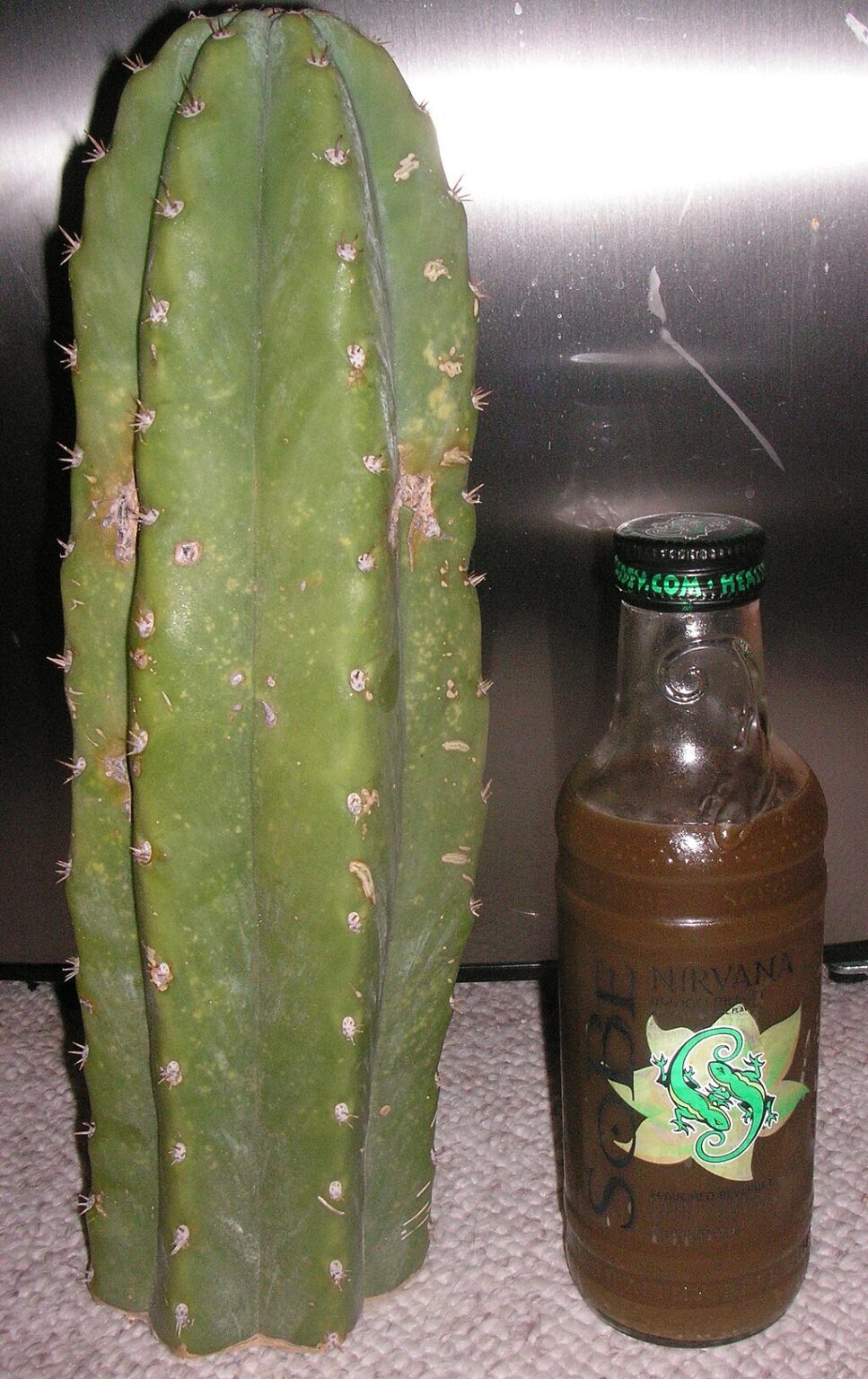
San Pedro
In the morning, I had some light breakfast even though I was advised not to. I got picked up by my driver to take me back to the Healing Tree Center where Hanan and another familiar shaman, Nicholas, were waiting for me. I meditated for a bit in the room while drinking tea while they prepared San Pedro. It was my first time to try it and I really wanted to make up for a not so good Ayahuasca and Bufo Alvarius experience so I (again) went overboard and decided to drink 2 jugs worth instead of the usual 1 jug.
We then went out for a walk in the mountains and I have failed once again as the nausea was too much and I ended up vomiting again. Wasting a lot of it, so unfortunate. I was tripping though but it was very weak, I didn’t have the mind space though my visuals were intense. The shaman sang a song while I ate some fruits and avocado coated bread. Hanan also sang another song, he took me to the cave which made me quite uncomfortable. I just felt nauseous throughout.
All in all, not the best trip though definitely not the worst. I will definitely be trying San Pedro again when I’m not so high in altitude and with a more proper set and setting.
The driver took me back into town, my visuals were still insane and the ride was pretty cool. I was still a bit nauseous and went to a vegan restaurant recommended to me by Hanan. The price was a bit steeper but the food was really good. I couldn’t eat much and still had to leave a tip. The walk back home was pretty insane as the lights from the villages scattered all around the surrounding mountains made the horizon look like the Milky Way.
It was one of the good things I got to experience that day. Sleep was also quite difficult as my mind was still hyper active. Ahh, not really the best day of the trip.
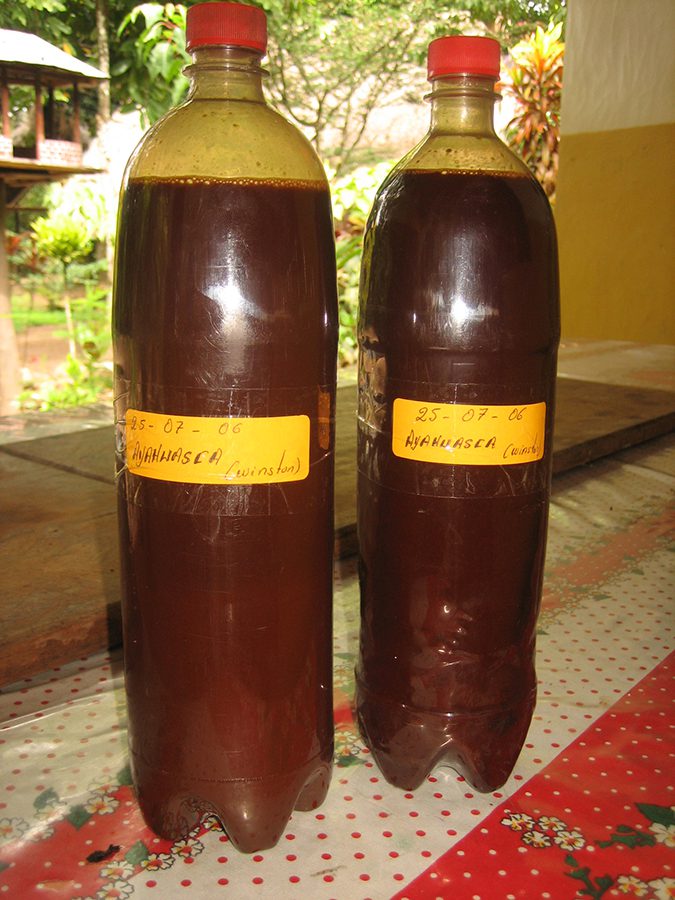
Ayahuasca
The day I was quite looking forward to, one of the reasons of visiting Peru was definitely trying out Ayahuasca and after an underwhelming experience of Bufo Alvarius in Tulum, Mexico, I had wanted to experience something worthwhile. I ate a light breakfast and got picked up by the driver that took me to the Healing Tree Center’s retreat house up in the mountains. The way towards was very beautiful, surrounded by mountains and fields, to be able to do Ayahuasca in such a place and to have a one-on-one with a Shaman was as Andres (my contact) said, an honor.
There was an older man and a woman from Russia when I entered. I got served tea, turns out the woman really enjoyed her trip and booked another one. Before my actual ayahuasca ceremony, I had some other ceremonies to do with the shaman. We did the Kuti ceremony first, which is something like letting go and being forgiven and then inside the ceremony room, we smoked tabacco while the shaman gave me a coca leaf reading. I asked how would it be if my work in the future would involve animals and plants and the leaves showed that the affinity was very good.
Now came the time for me to drink, I was a bit cheeky and asked for more but I had forgotten I was still battling altitude sickness. I chugged it down and so did the shaman. As in we are in synch, the moment I started feeling it, that’s also when the shaman started to hum a bit, going for a crescendo when I started to feel nauseaous and puked. He was singing most of the time, icaro they called it. It helped ground me, I was definitely having a hard time, all the vomitting made me dehydrated.
Hannan gave me perfume to ground me more, it was difficult. I did not feel good at all, my vision of a giant serpent entity (Hannan did say the Snake was a sacred animal), with vines and snakes tangling each other, lasted the whole trip. At one point, I was simply waiting for the trip to be over, trying my best to ground myself and survive.
Soon it did end. After 4 – 5 hours or so.
We did the Pachamama ceremony to thank Mother Earth, I contributed my obsidian that I got from Teotihuacan from Mexico. I didn’t realize they were gonna burn it, but oh well. We went outside to burn it, my vision still trippy but the world was beautiful. After burning it, we went back inside to have some soup. I really needed it. Hannan and I exchanged some interesting stories, I learned something interesting from the Peruvian beliefs that they believe the dead are now living in the future while we are still living in the past, not the opposite. I went home still a bit dazed and tired, had a nice rest in my hostel.
Comparative Analysis
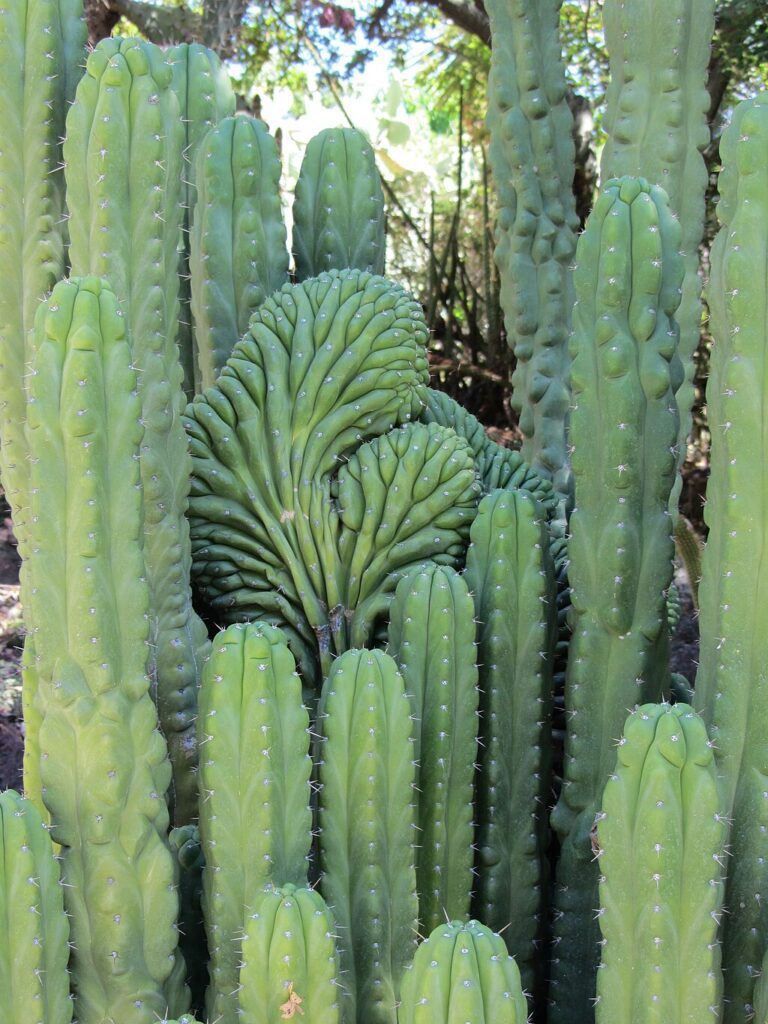
Similarities Between San Pedro and Ayahuasca
San Pedro and Ayahuasca are both revered for their profound spiritual and therapeutic applications. Despite their differences, they share several key similarities. Both are used in sacred ceremonies to facilitate deep personal and spiritual growth, healing, and transformation. Participants often seek these plant medicines to address psychological and emotional issues, gain insights into their lives, and connect with higher spiritual realms.
Common themes in experiences with both San Pedro and Ayahuasca include vivid visions, emotional release, and a deep sense of interconnectedness with nature and the universe. Participants frequently report encountering spiritual beings, gaining insights into their personal lives and the nature of reality, and experiencing a sense of unity and oneness. These experiences can be profoundly healing, providing new perspectives and a greater sense of purpose and meaning.
Both plants also require some strict dieting, such as fasting from meat and sex. It is said the spirits of the consumed animals can sometimes interfere during the spiritual journeys.
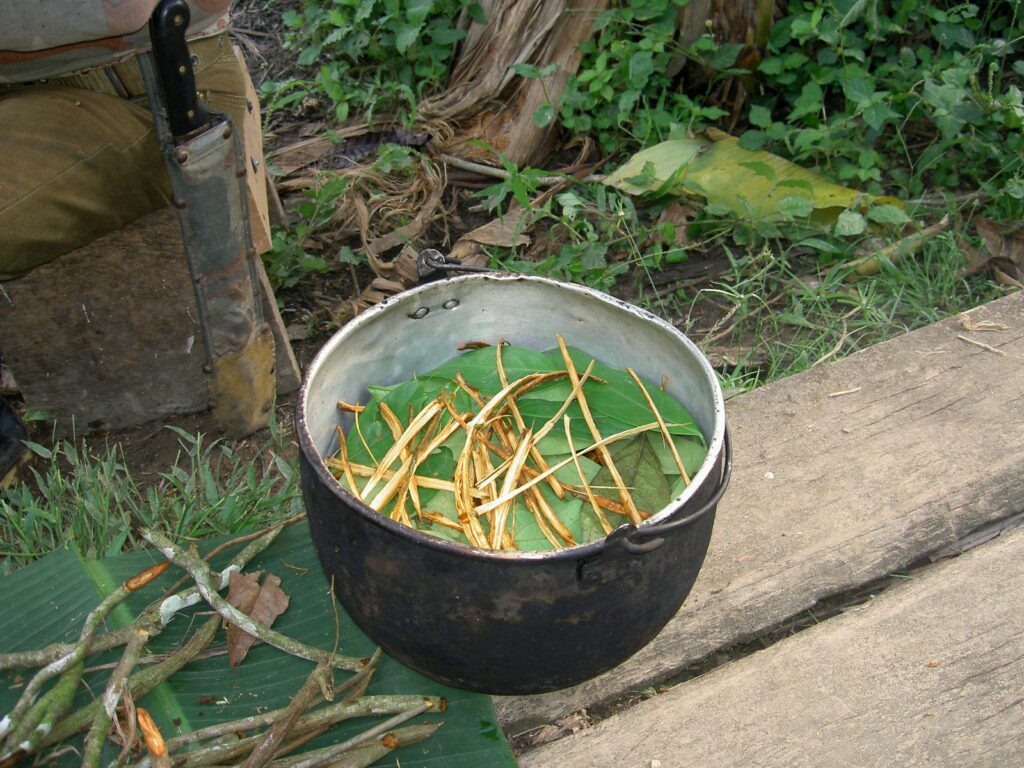
Differences Between San Pedro and Ayahuasca
Perhaps the best way to differentiate the two is with what I was told back then, Ayahuasca is also lovingly referred to as Mama Aya, because she is like a strict mother. She’s got the slippers ready, and she’ll pull on your ear for the mistakes you did. She’s strict but that strictness comes from a place of love. She’ll teach you what you need to know, not what you necessarily what you want to know.
The purging aspect is also another keen distinction but I think that’s what makes Ayahuasca so great because you want that purge, you want to put out whatever bad things you have inside of you. Only then can you be guided by the spirit of the vine. Ayahuasca is usually taken inside, I was told taking it outside makes it more difficult due to the interference of spirits.
Meanwhile, San Pedro has been described to me as your kind grandfather, the kind that secretly spoils you when your mom is not looking. That’s why it is usually recommended to do Ayahuasca first before a San Pedro ceremony. San Pedro is more light and happy as compared to Ayahuasca where the experiences can vastly differ. Ayahuasca is taken inside the tent while San Pedro is taken out side in nature, it’s more energetic. You’ll walk with the shaman and dance and sing songs while exploring the great outdoors yet you are still learning a lot for yourself.