Mexico City is not only the capital of Mexico but also the heart of the nation. As one of the largest cities in the world, Mexico City is a kaleidoscope of culture and creativity.
The city thrives with endless energy, driven by its over 20 million inhabitants who bring the streets to life with bustling markets, lively music, and a culinary scene that is as diverse as it is delicious.
Whether you are drawn by the lure of its cultural festivals or the warmth of its welcoming people, Mexico City promises an adventure that is as dynami as the city itself. Mexico City’s essence lies in its ability to surprise and engage, making it not just a place to visit, but a destination to be experienced.
Table of Contents
Toggle
History of Mexico City
Mexico City boasts a history that dates back to its founding in 1325 AD when it was known as Tenochtitlan. Established by the Aztec people on an island in Lake Texcoco, the city was originally designed with a highly organized grid system and was connected to the mainland by causeways.
The arrival of Spanish conquistadors in 1519, led by Hernan Cortes, marked a pivotal turn in the city’s history. After a two-year siege, Tenochtitlan fell in 1521, leading to the establishment of Mexico City on the ruins of the Aztec capital. The Spanish rebuilt it in their own style, overlaying Catholic churches atop the razed Aztec temples and transforming the city into the colonial capital of New Spain.
Through the centuries, Mexico City remained at the center of Mexican life, witnessing significant events such as the Mexican War of Independence and the Mexican Revolution. The city’s urban landscape expanded dramatically in the 20th century, reflecting both the growth of the population and the increasing importance of Mexico on the world stage.
Mexican Cultural Overview
Mexican culture is woven from a rich history that combines indigenous traditions such as those of the Aztecs and Mayans with Spanish colonial influences. From the high flying art of Lucha Libre to the mariachi, there are so many iconic aspects of Mexican culture known around the world.
Music and dance are cornerstones of Mexican culture, encompassing a wide range of styles from the folkloric rhythms of mariachi bands to the intricate steps of the Jarabe Tapatio.
Cuisine is another profound expression of Mexican cultural identity, renowned worldwide for its bold flavors and elaborate dishes. From simple street tacos to complex mole sauces, Mexican food is a culinary adventure defined by its use of fresh ingredients and a blend of indigenous and Spanish flavors.
For those intrigued by the depth and breadth of Mexican culture and its impact on community and national identity, you can find a more detailed article here.
Top Tourist Spots in Mexico City
1. Casa Azul
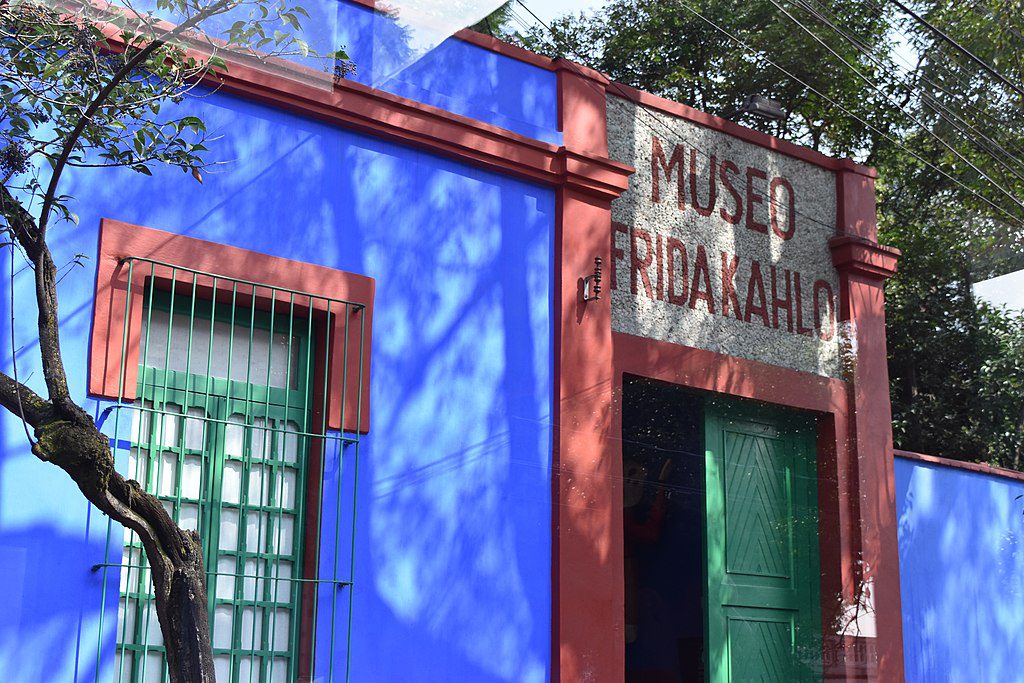
The Museo Frida Kahlo, often referred to as La Casa Azul due to its vibrant blue walls, is located in the historic neighborhood of Coyoacan. This house, where Frida Kahlo was born, lived, and ultimately died, has been transformed into a museum that celebrates the life and works of one of Mexico’s most iconic artists.
La Casa Azul was converted into a museum in 1958, four years after Frida Kahlo’s death, under the guidance of her husband, Diego Rivera, and their close friend, Dolores Olmedo. The building exemplifies traditional Mexican architecture and features a courtyard garden that serves both as a botanical garden with native Mexican plants and as an exhibit space, including a replica of a pre-Hispanic pyramid.
Kahlo’s art studio is a highlight of the museum, preserved almost exactly as she left it, complete with her paint brushes, pigments, and wheelchair, showcasing her resilience in the face of physical ailments.
2. Museo Nacional de Antropologia
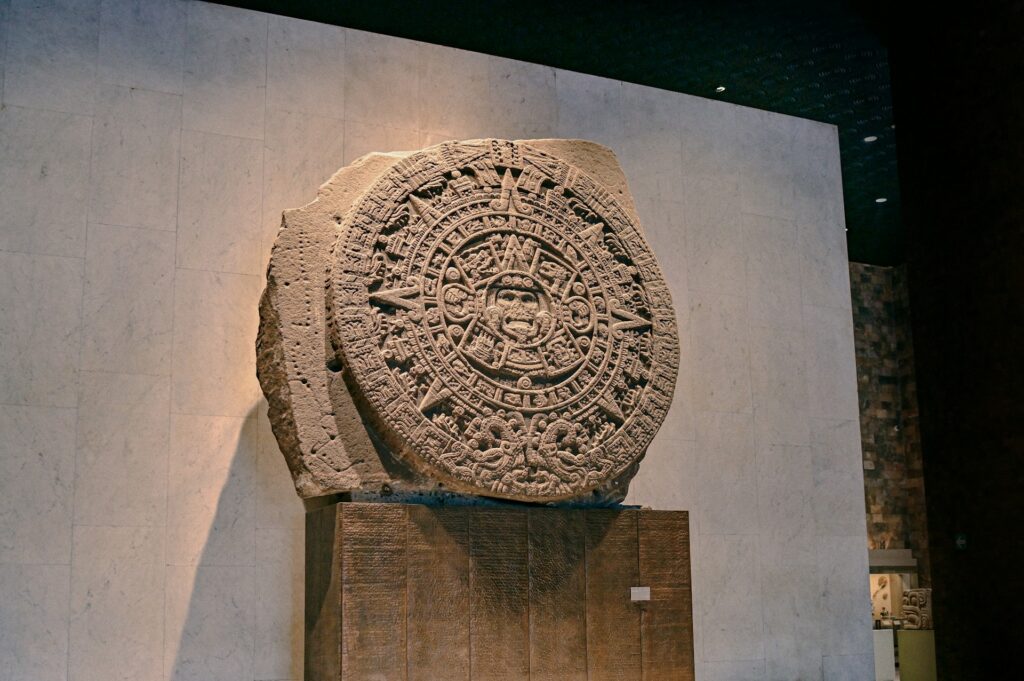
The Museo Nacional de Antropologia is one of the largest and most comprehensive anthropology museums in the world. It is dedicated to preserving the archaeological and anthropological artifacts from Mexico’s pre-Columbian heritage, spanning from ancient civilizations through the Spanish conquest.
The museum was inaugurated in 1964, designed by Mexican architect Pedro Ramirez Vazquez. It features a striking modern design that includes a large square courtyard defining its layout, with a vast umbrella-shaped stone structure at the center, symbolizing an eternal tree sheltering and preserving the roots of Mexican culture.
Inside, the Museo Nacional de Antropologia is divided into 23 exhibit rooms, each dedicated to a different geographic region or indigenous population in Mexico. It houses some of the most significant Mesoamerican artifacts, including the Stone of the Sun (often called the Aztec Calendar), the statue of Xochipilli, and the giant stone heads of the Olmec civilization.

3. Bosque de Chapultepec
Bosque de Chapultepec, sprawling over an area of about 1,695 acres, stands as one of the largest city parks in the Western Hemisphere, often compared to parks like Central Park in New York or Hyde Park in London. I was able to get some really cool henna tattoos here as well!
Historically, Bosque de Chapultepec served as a retreat for Aztec rulers, who enjoyed its natural springs and lush woodlands. Today, it continues to offer a respite from the urban sprawl, with its large trees, scenic paths, and tranquil lakes that attract city dwellers looking for a peaceful break in nature.
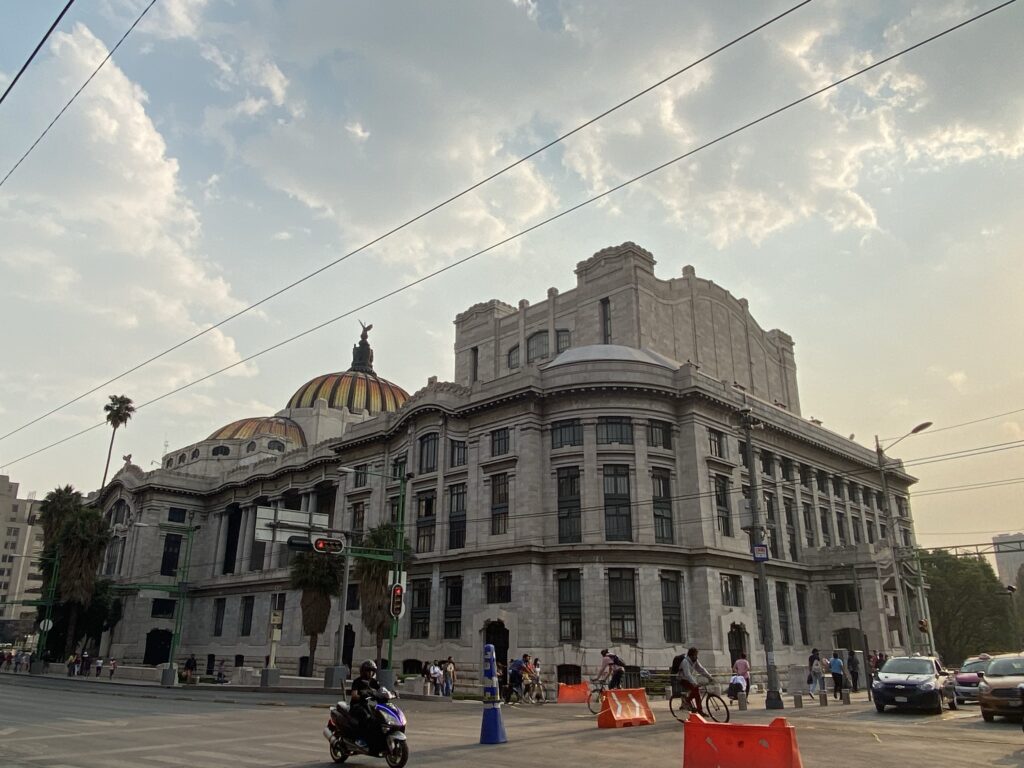
4. Palacio de Bellas Artes
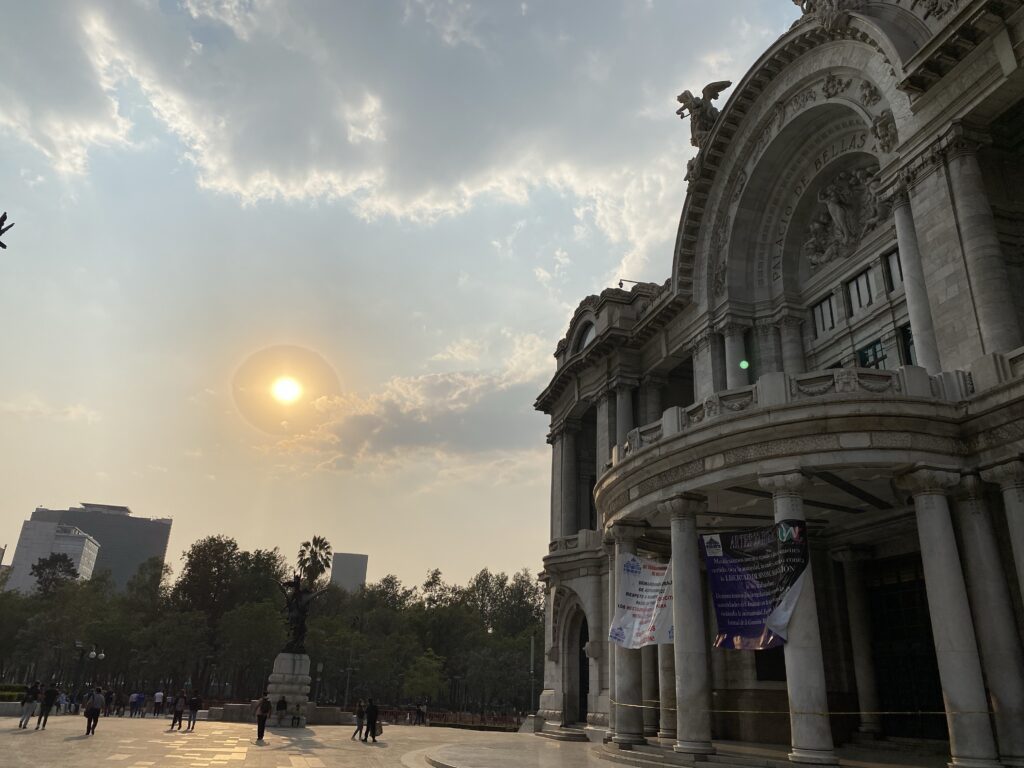
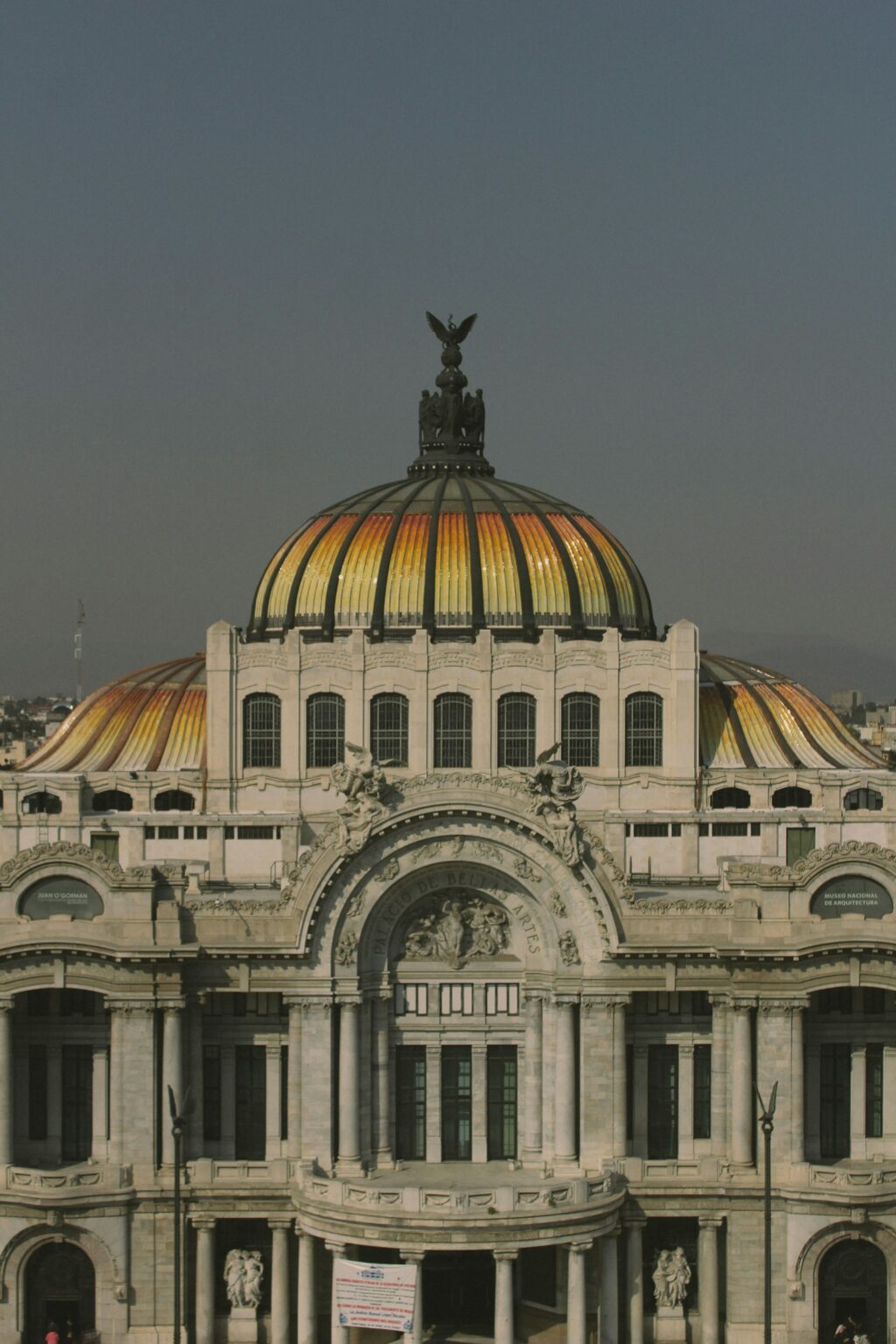
Constructed over several decades beginning in 1904 and finally completed in 1934, the Palacio de Bellas Artes features a neoclassical and art nouveau exterior, with a magnificent art deco interior. Its white Italian Carrara marble facade makes it a visual standout in the cityscape. The building’s design was a collaborative effort involving several architects, including Adamo Boari who initiated the project and Federico Mariscal who completed the interiors.
The palace is renowned for its breathtaking interiors, particularly the glass curtain of the main theater, which is a mosaic made of nearly a million pieces of colored glass by Tiffany of New York. The curtain depicts a beautiful image of the Valley of Mexico with its two prominent volcanoes, Popocatepetl and Iztaccihuatl.
5. Zocalo
The Zocalo, officially known as Plaza de la Constitucion, is the main square and one of the largest city squares in the world. Steeped in history, this vast plaza has been a gathering place since the days of the Aztecs, who established their capital, Tenochtitlan, on this very site.
6. Basilica de Santa Maria de Guadalupe
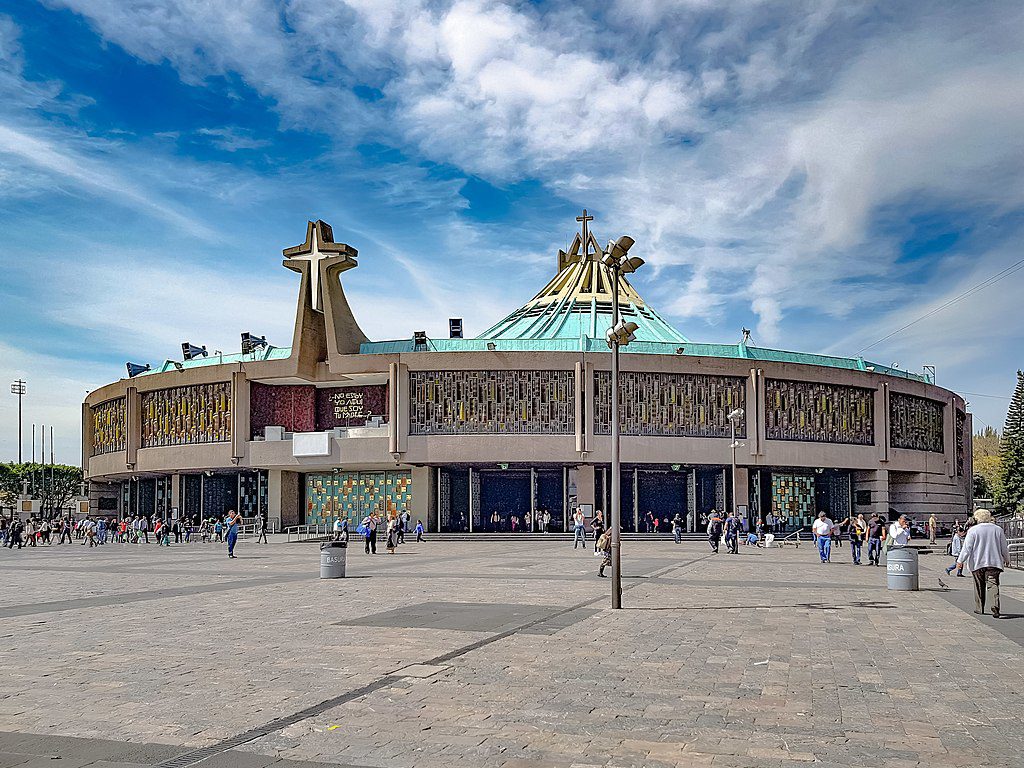
The Basilica de Santa Maria de Guadalupe is a major Catholic pilgrimage site, dedicated to Our Lady of Guadalupe, the patron saint of Mexico.
The original basilica was constructed in 1709 to house the sacred image of the Virgin of Guadalupe, which, according to Catholic tradition, was miraculously imprinted on the cloak of Juan Diego, an indigenous Mexican, in 1531. The site has undergone several renovations and the most notable addition is the new basilica, completed in 1976, which features a modern circular design to ensure that the image of the Virgin can be seen from any point within the building.
7. Templo Mayor
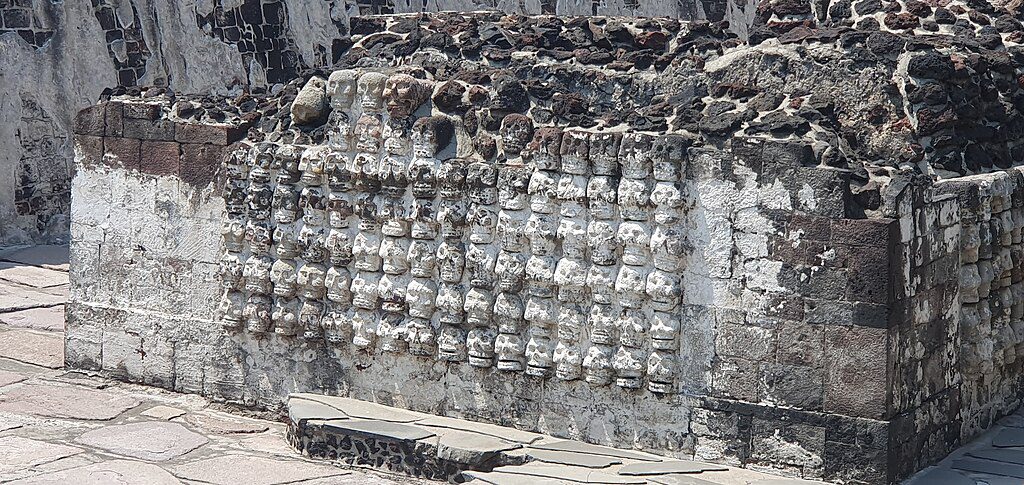
The Templo Mayor was once the main temple of the Mexica (Aztec) peoples. This temple was dedicated primarily to Huitzilopochtli, the god of war, and Tlaloc, the god of rain and agriculture.
Excavations of Templo Mayor began in earnest in 1978 after electrical workers stumbled upon the Coyolxauhqui stone, a carved monolith depicting the dismembered moon goddess. This discovery led to extensive archaeological work that uncovered much of the original temple complex and numerous artifacts. The site consists of two main pyramids and several smaller structures, layered upon one another as the temple was rebuilt several times over the centuries by the Aztecs.
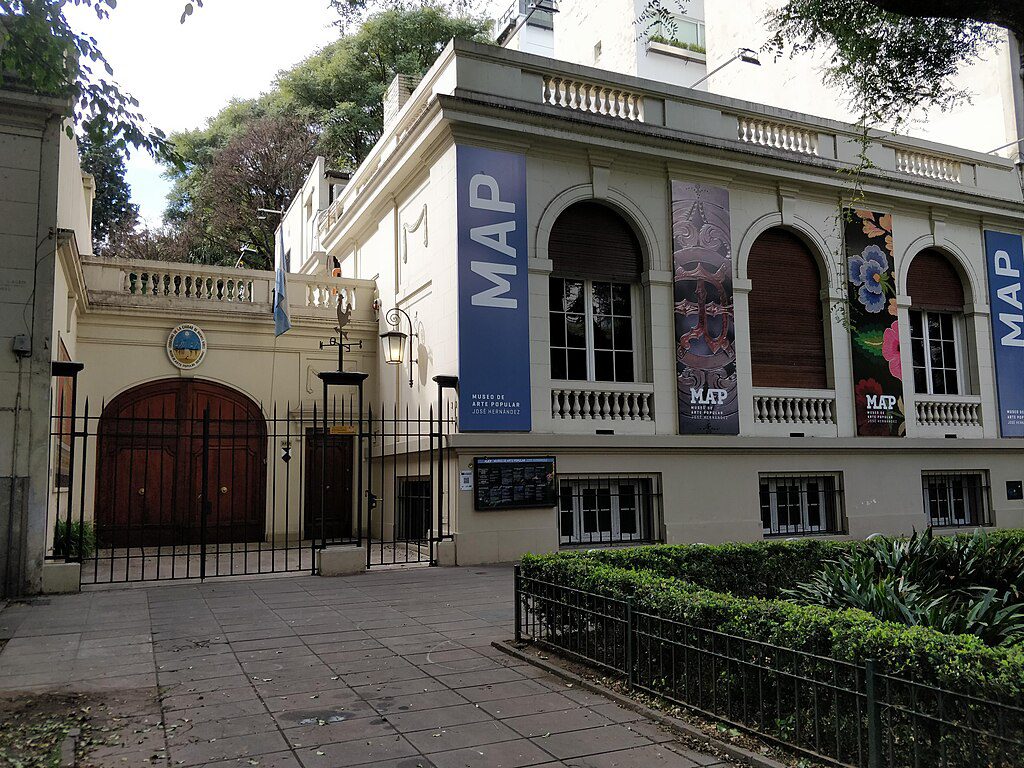
8. Museo de Arte Popular
Opened in 2006, the Museo de Arte Popular is housed in a restored Art Deco building, which itself is an architectural gem. The museum’s collections include a wide array of handcrafted items such as textiles, pottery, glass, piñatas, and alebrijes – brightly colored Mexican folk art sculptures of fantastical creatures.
One of the museum’s notable events is the annual “Noche de Alebrijes” parade, where enormous alebrijes crafted by contemporary artisans are paraded through the streets of Mexico City.
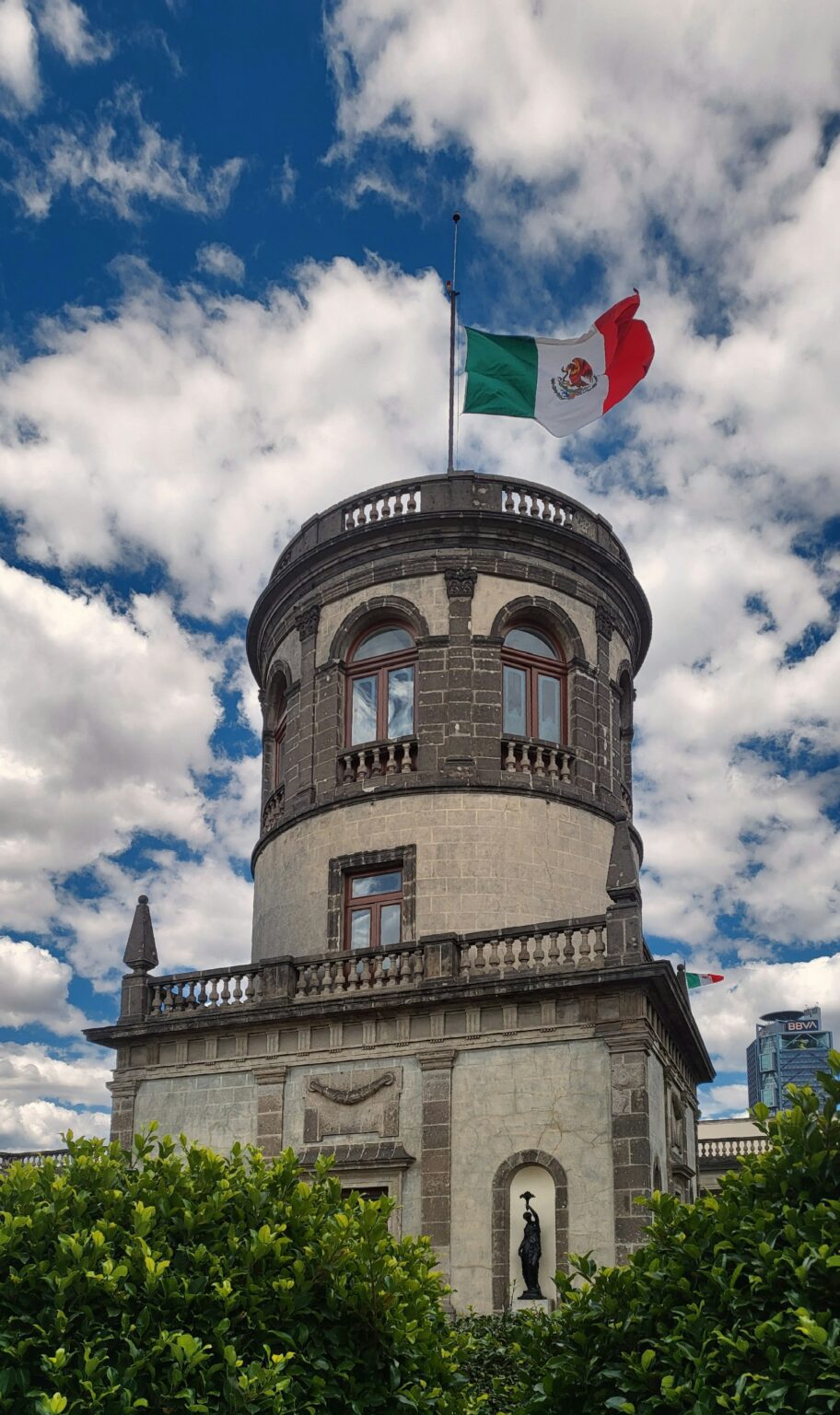
9. Chapultepec Castle
Chapultepec Castle holds the distinction of being the only royal castle in the Americas. The castle’s history dates back to 1785 when it was built as a summer house for the Spanish viceroys. Over the centuries, it has served various roles, including a military academy, imperial residence, presidential home, and now, the National Museum of History.
One of the most striking features of Chapultepec Castle is its location on a high hill, providing panoramic views of Mexico City. The castle is surrounded by terraced gardens, which are meticulously maintained and feature marble statues and fountains.
10. Catedral Metropolitana
The Metropolitan Cathedral is the largest and oldest cathedral in the Americas. Construction of the cathedral began in 1573 and continued sporadically over the next 250 years, resulting in a blend of architectural styles, primarily Baroque and Neo-classical. The cathedral’s imposing facade is flanked by two bell towers, which house a remarkable collection of 35 bells, and the interior is adorned with gold leaf, gilded altarpieces, and several chapels, each intricately decorated and dedicated to different saints.
The cathedral is also renowned for its music heritage, having housed one of the earliest music schools in the Americas and continuing to hold regular organ recitals and choir performances. The cathedral’s organ, dating back to the 18th century, is one of the largest and oldest in the Americas.
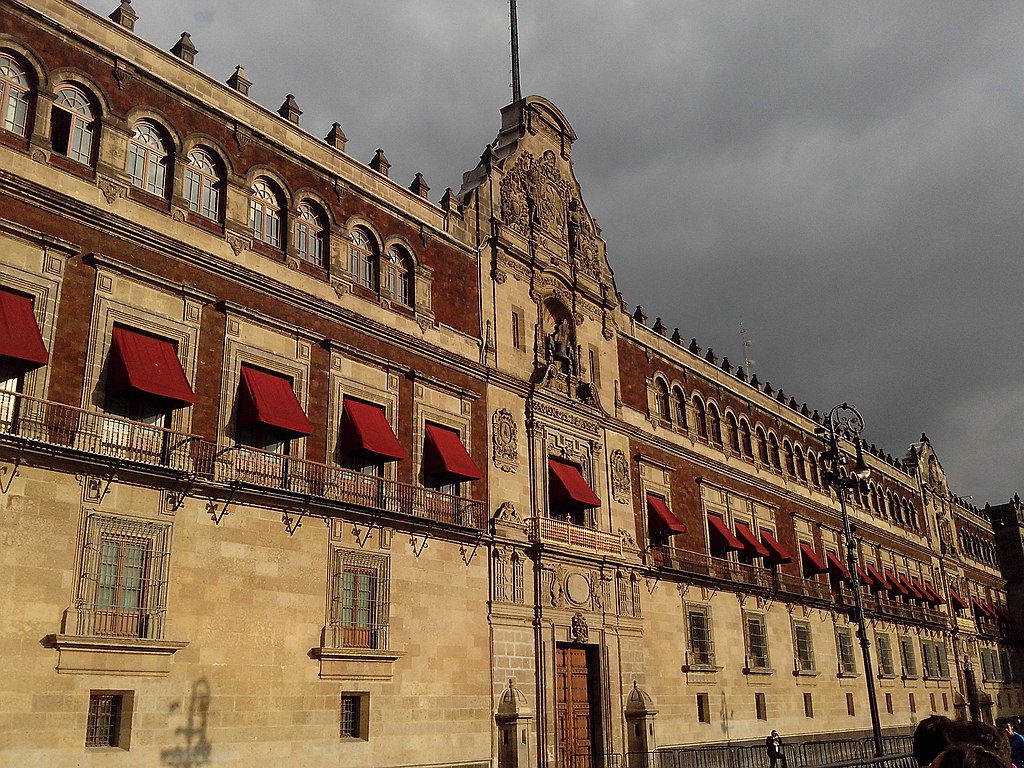
11. Palacio National
Originally constructed on the site of an Aztec palace belonging to the emperor Moctezuma II, the current structure began its life in the 16th century as the residence of the Spanish viceroys.
The building’s facade stretches over 200 meters along the Zocalo, making it one of the longest buildings in Mexico. Its architecture features a red tezontle stone exterior, classic colonnades, and ornamental green ironwork. Inside, beyond the murals, the palace hosts the Federal Treasury and the National Archives, which contain valuable historical documents.
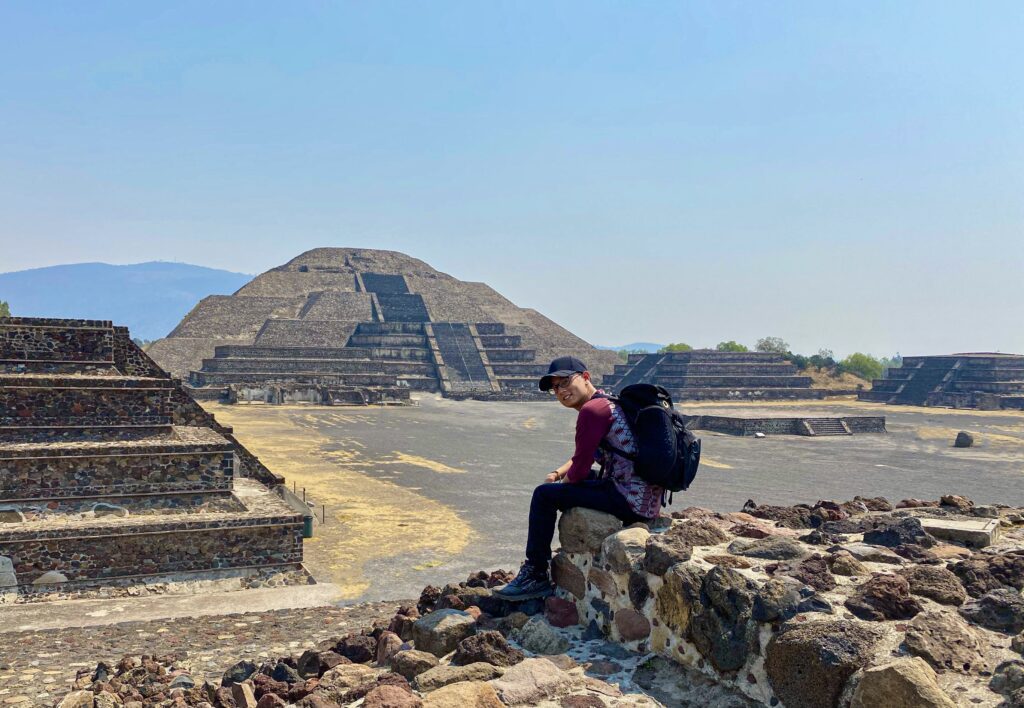
12. Teotihuacan
Teotihuacan, often referred to as the “City of the Gods,” is an ancient Mesoamerican city located approximately 40 kilometers northeast of Mexico City. If you’re interested, you can join a highly-rated guided tour here!
The origins of Teotihuacan are shrouded in mystery, as it was already abandoned by the time of the Aztec civilization, which revered the site and gave it its name, meaning “the place where the gods were created.” Archaeological evidence suggests that the city reached its zenith between 100 BCE and 550 CE, housing over 100,000 inhabitants at its peak, making it one of the largest cities of its time anywhere in the world.
The most iconic structures in Teotihuacan are the Pyramid of the Sun and the Pyramid of the Moon. The Pyramid of the Sun is one of the largest structures of its kind in the Western Hemisphere, located along the Avenue of the Dead, a broad, central avenue lined with smaller temples and platforms. The Pyramid of the Moon, though slightly smaller, offers spectacular views of the entire city layout from its summit.
13. Torre Latinoamericana
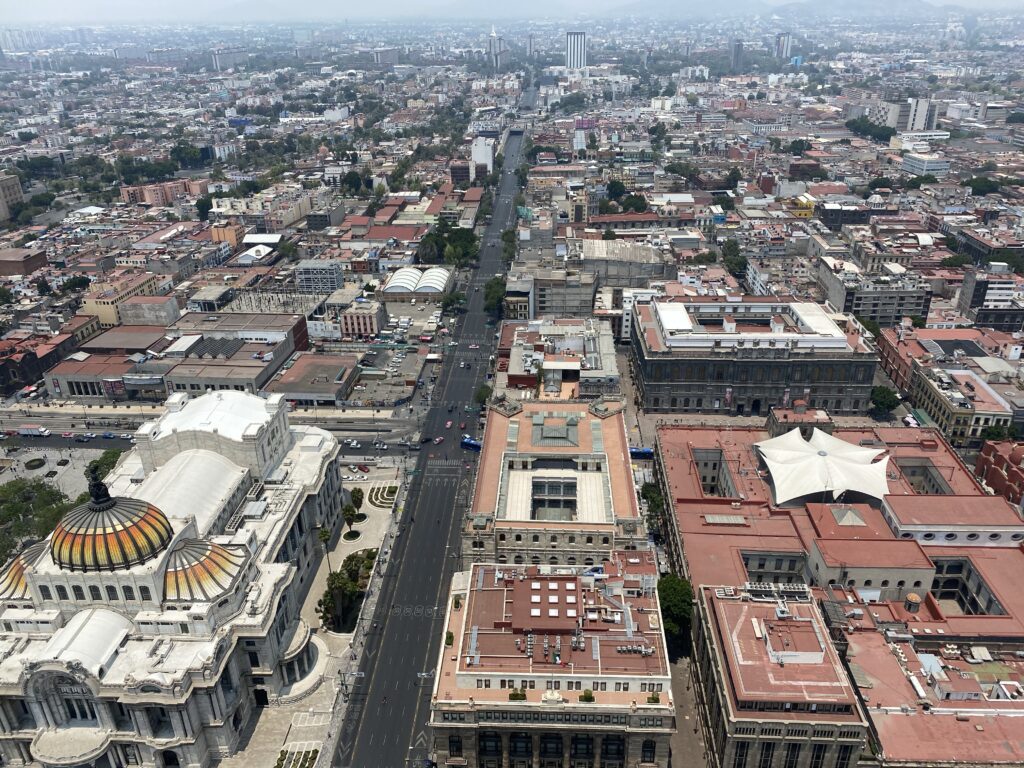
Originally built to be the headquarters for La Latinoamericana Seguros, a major insurance company, the tower has become one of the most recognizable landmarks in Mexico City. My good friend Pacho was the one who took me here.
Designed by Mexican architect Augusto H. Alvarez, the Torre Latinoamericana was an engineering marvel of its time, reaching a height of 204 meters (670 feet) with 44 floors, making it the tallest building in Latin America at the time of its completion. Remarkably, it remains one of the most earthquake-resistant structures globally, having survived major seismic events, particularly the devastating earthquakes of 1957 and 1985, without any significant damage.
One of the tower’s most attractive features for visitors is its observation deck on the 44th floor, which offers panoramic views of Mexico City’s sprawling urban landscape. There is also a museum on the 37th floor that details the building’s history and its architectural significance.
14. Xochimilco
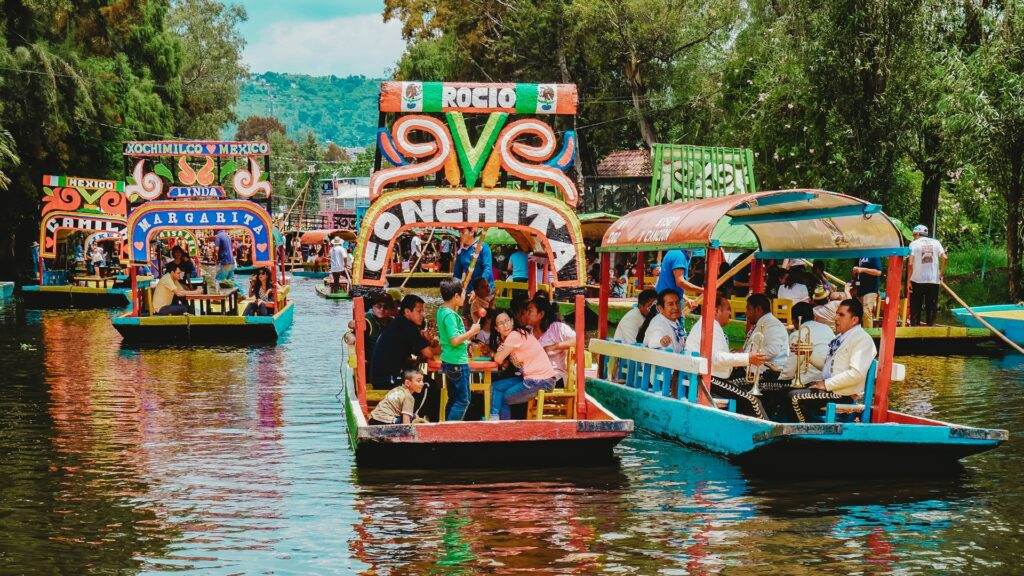
Xochimilco, often referred to as the “Venice of Mexico,” is a picturesque network of canals and artificial islands located in the southern part of Mexico City. This area is famous for its chinampas (floating gardens) and colorful trajineras (gondola-like boats). You can join a trip to Xochimilco through here!
The origins of Xochimilco trace back to the pre-Columbian era when the area was extensively developed by the Aztecs using a series of small, rectangular areas of fertile arable land set in the shallow lakebeds. These chinampas were created by staking out the shallow lake bed and then fencing in the rectangle with wattle. The area enclosed was then layered with mud, lake sediment, and decaying vegetation, which eventually brought up the soil level above the lake. Over time, these chinampas became highly productive agricultural plots, vital to the sustenance of the Aztec capital.
15. Isla de las Munecas
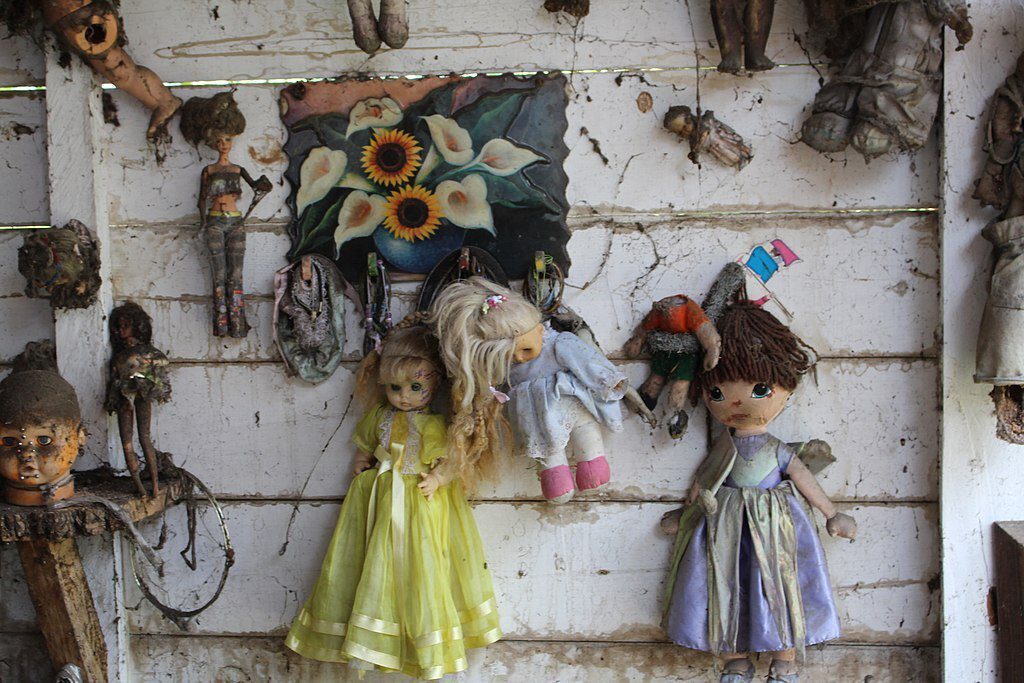
Isla de las Munecas, or the Island of the Dolls, is one of the most eerie attractions in Xochimilco. This small island is famous for its hundreds of dolls and doll parts hanging from trees, buildings, and fences, creating a macabre yet fascinating sight.
The story of the Isla de las Munecas begins with a man named Don Julian Santana Barrera, who lived on the island. According to local legend, he discovered the body of a young girl who had drowned in the canal. Shortly after her death, he found a doll floating in the water, which he hung in a tree to honor her spirit and to protect the island from evil. Over the years, he continued to collect dolls and hang them around the island, believing that they would appease the spirit of the deceased girl and ward off any malevolent forces.
Don Julian’s dedication turned the island into a sprawling, haunted-looking shrine filled with dolls in various states of decay. Some have missing limbs, others are covered in cobwebs and dirt, adding to the island’s creepy atmosphere. Despite—or perhaps because of—its unsettling appearance, Isla de las Munecas has become a popular destination for tourists exploring the Xochimilco canals.
Where to Stay in Mexico City
Best Hotels in Mexico City:
- Casa Emilia B&B Boutique – offers adults-only accommodations featuring a garden and terrace, along with room service. Each room includes a wardrobe, flat-screen TV, and private bathroom. You can also enjoy a complimentary full breakfast.
- Barcelo Mexico Reforma – experience celebrity treatment and world-class service. This hotel features a heated pool, spa center, fitness center, an on-site bar, and an a la carte restaurant. Rooms are equipped with flat-screen TVs with cable channels, desks, safes, and coffee machines. Private bathrooms include free toiletries and a hairdryer, and free WiFi is available throughout the property.
- Reforma Guest House – offers 4-star accommodations with a fitness center and a garden. The condo hotel features a 24-hour front desk and an elevator. Each room includes a flat-screen TV with satellite channels, a wardrobe, a private bathroom, a safety deposit box, and free WiFi. All units are provided with bed linen and towels.
Best Hostels in Mexico City:
- Viajero CDMX Centro Hostel – converted from an old neighborhood, this hostel showcases design and urban art that celebrate Mexican culture. After a day of sightseeing, ypu can relax on the patio with a variety of cocktails and dishes, meeting and chatting with other travelers. For those needing to work remotely, there are adapted spaces for meetings and calls.
- Apapacho – a brand new hostel housed in a building over 100 years old. Their outdoor terrace offers breathtaking views of the city’s skyline. The hostel is fully equipped with a kitchen, various living areas, including a coworking zone and a chill zone with TV. Apapacho features dorms with comfortable pod-like beds, individual power outlets, privacy curtains, and spacious lockers.
- Casa Pancha – offer an unforgettable experience through the beauty, comfort, and simplicity of boho-designed space. Casa Pancha want you to feel at home, enjoy yourself, and meet other travelers.
How to Get Around Mexico City
Navigating Mexico City can seem daunting, but with a variety of transportation options available, getting around can be both efficient and affordable. Here’s a guide to help you understand the best ways to travel within this bustling metropolis.
- Metro: The Mexico City Metro is one of the busiest and most efficient subway systems in the world, comprising 12 lines that cover most of the city. The Metro operates from early morning until midnight.
- Metrobus: The Metrobus is a bus rapid transit system with dedicated lanes that help it avoid traffic congestion. There are several lines that cover key areas of the city, and the service is frequent and reliable. Payment is made using a rechargeable smart card, which can also be used on the Metro.
- Trolebus: Electric trolleybuses run on several routes throughout the city, offering an eco-friendly alternative to diesel buses. They are slower than the Metro and Metrobús but are still a good option for certain routes.
- RTP (Red de Transporte de Pasajeros): These are city-operated buses that serve various routes, including those not covered by the Metro or Metrobus. They are a cost-effective way to travel, though they can be slower due to traffic.
- Microbuses and Combis: These smaller buses and vans serve numerous routes throughout the city. They can be a bit chaotic and crowded, but they offer extensive coverage, especially in areas where larger buses do not go.
- Taxis: Officially licensed taxis, which are often pink and white or have a specific color scheme, are a convenient option for getting around. It’s best to use registered taxis or services like Sitio taxis from designated stands to ensure safety. Ride-hailing apps like Uber, Didi, and Cabify are widely used and provide a safer alternative to hailing a cab on the street.
How to Stay Safe in Mexico City
Staying safe in Mexico City involves being mindful of your surroundings and taking a few key precautions. Public transportation is generally safe, but be extra cautious during peak hours to avoid pickpockets. Stick to well-known neighborhoods such as Polanco, Condesa, Roma, and the Historic Center, which are popular with tourists and have a higher police presence.
It’s important to keep your valuables out of sight and avoid wearing flashy jewelry. Use a money belt or a secure bag to carry your essentials. Avoid walking alone at night, especially in unfamiliar areas, and use reputable transportation to get around after dark. Make digital and physical copies of your passport, ID, and other important documents, and store the originals in a safe place.
When using ATMs, choose ones located in well-lit, secure places like banks or shopping malls, and avoid using ATMs at night or in secluded areas. Be cautious of unsolicited offers or overly friendly strangers, as scams are not uncommon.
Finally, having travel insurance can provide peace of mind and support in case of emergencies. Consider SafetyWing for reliable and comprehensive travel insurance coverage.
Best Time to Visit Mexico City
The best time to visit Mexico City is during the dry season, from November to April. During these months, the weather is mild and pleasant, with temperatures ranging from 6°C to 26°C (43°F to 79°F). This period offers the most comfortable conditions for exploring the city and its attractions.
Plan Your Trip to Mexico | Best Travel Resources
Book Your Accommodations
- Booking.com – the world’s leading online booking platform for accomodations around the world, they have an extensive amount of available listings with zero booking fees and best price guarantees.
- Hostelworld – a backpacker’s best friend, Hostelworld has the largest collection of hostels and guesthouses for affordable prices.
Don’t Forget Insurance
- SafetyWing – from Nomad Insurance, an insurance by nomads for nomads. They understand our lifestyle well and have really comprehensive and flexible plans that cater to any traveler.
Find Cheap Flights
- Kiwi.com – my go-to for booking and finding the cheapest flights and it’s helped me save tons of money. They do virtual interlining which is connecting flights from airlines that do not codeshare, so you can find routes that you wouldn’t be able to find normally.
Join Tours & Activities
- GetYourGuide – is one of the best places to find unique tours and activities. I found that it’s an excellent way to meet fellow travelers and create fond memories. They are not only limited to tours as they also offer niche services such as skip-the-line tickets or private transfers.
Catch a Ride
- Rentalcars.com – nothing beats the freedom of the road, Rentalcars.com is the world’s largest online car rental service. They operate across 160 countries so they’re the perfect partner to work with if you find yourself wanting a ride.