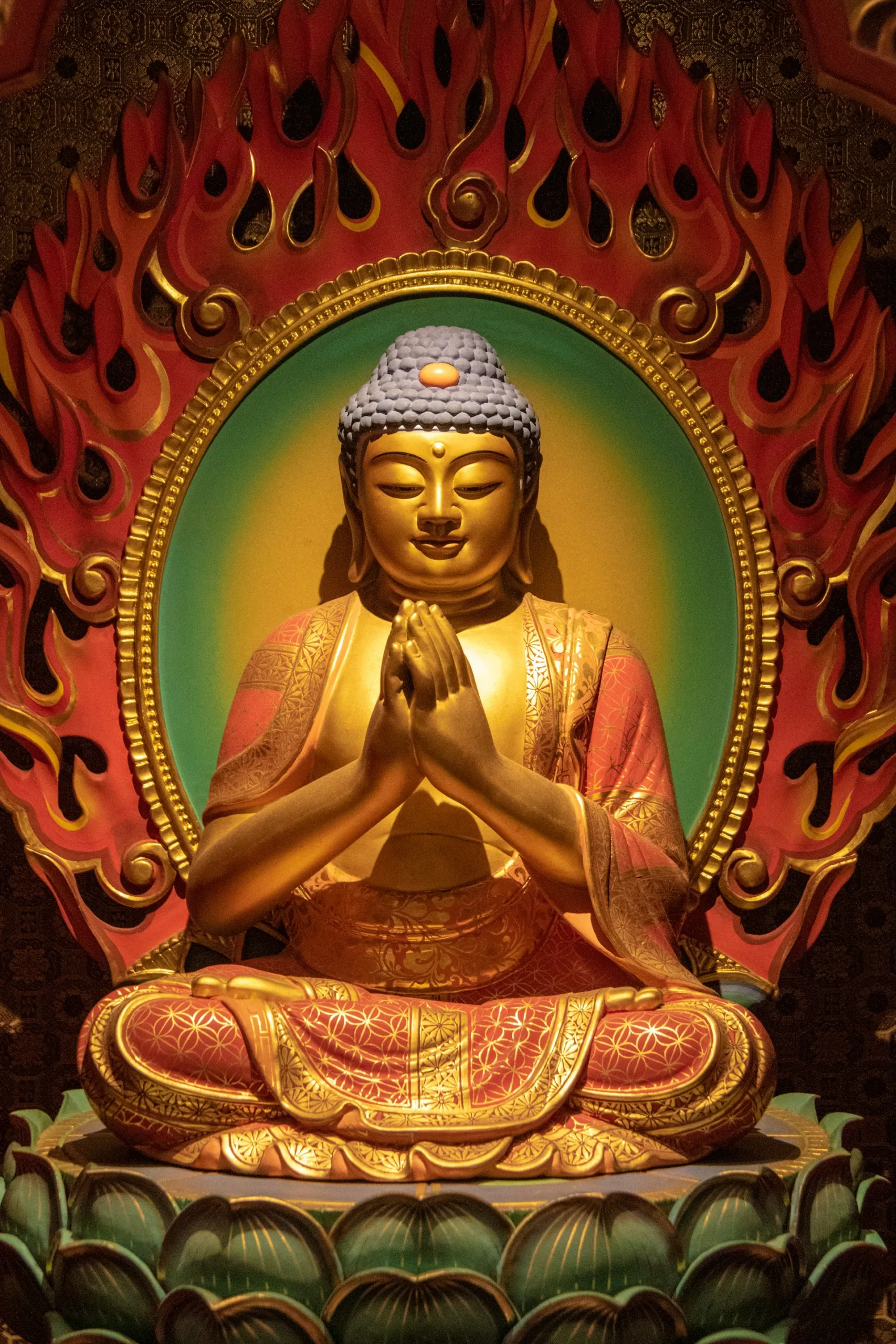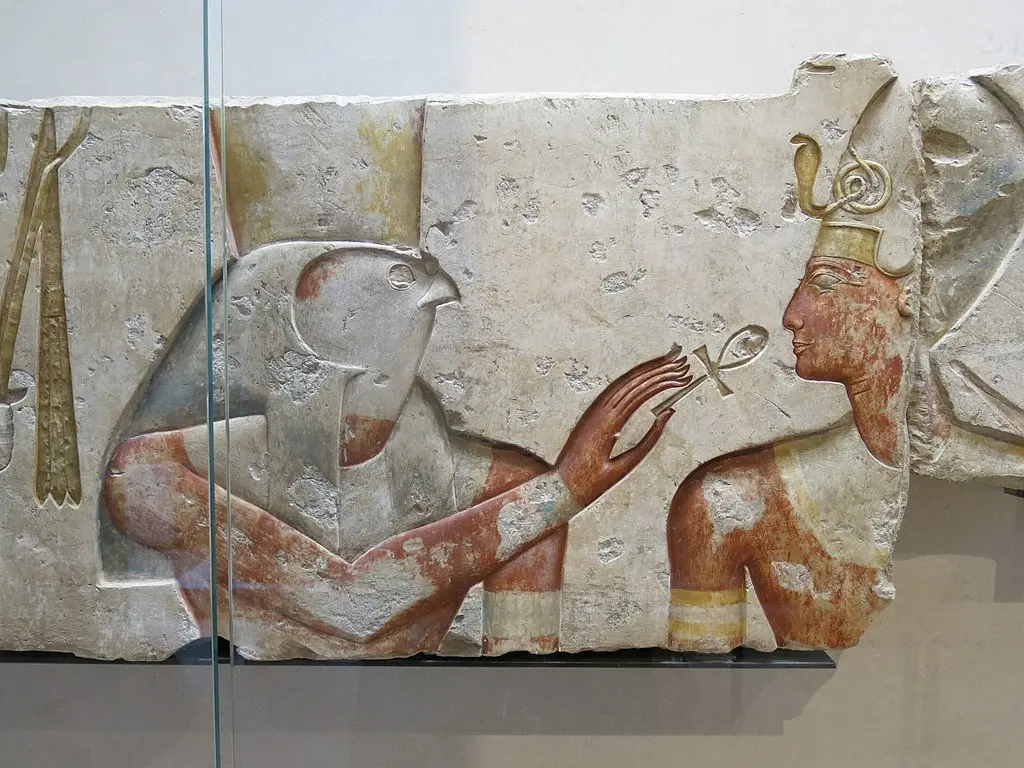
Dharma is a central concept in both Hinduism and Buddhism, representing principles of cosmic order, moral duty, and righteous living. Although both traditions originate from the same cultural context, their interpretations and applications of Dharma differ significantly.
This article aims to compare the concept of Dharma in Hinduism and Buddhism, highlighting both their similarities and differences. By exploring the historical, philosophical, and practical aspects of Dharma in these two traditions, we can gain a comprehensive understanding of this essential concept.
Table of Contents
ToggleDharma in Hinduism

History
The origin of Dharma can be traced back to the Vedas, the oldest and most authoritative scriptures of Hinduism. Composed between 1500 and 500 BCE, the Vedas consist of four main collections: Rigveda, Samaveda, Yajurveda, and Atharvaveda. In these texts, Dharma is initially associated with the rituals and duties that maintain the cosmic order (Rta).
As Hindu thought evolved, the concept of Dharma expanded beyond mere ritualistic duties. The Upanishads, composed between 800 and 200 BCE, delve deeper into the philosophical aspects of Dharma. In the Upanishads, Dharma is often linked with the pursuit of truth (Satya) and the realization of one’s essential nature (Atman).
The epic literature of Hinduism, particularly the Mahabharata and Ramayana, further elaborates on the concept of Dharma. The Mahabharata, composed between 400 BCE and 400 CE, is especially significant for its discourse on Dharma through the Bhagavad Gita. In this text, Lord Krishna explains to Arjuna the different aspects of Dharma, emphasizing the importance of performing one’s duty without attachment to the results. This idea of selfless action (Nishkama Karma) becomes a central tenet of Hindu ethics.

Meaning
Etymologically, the word “Dharma” is derived from the Sanskrit root “dhr,” which means “to hold.” This root reflects the fundamental idea that Dharma upholds the universe. In its basic definition, Dharma in Hinduism refers to the principles of cosmic order, moral duty, and righteousness. It is often translated as “law,” “duty,” or “righteousness,” but these translations only partially capture the breadth of its meaning.
Dharma as moral order and righteousness encompasses the ethical guidelines and principles that govern individual behavior and social interactions. It is considered the foundation of a harmonious and just society, ensuring that all beings fulfill their roles and responsibilities in accordance with their nature and position. This moral order is not imposed externally but is inherent in the very fabric of the universe. Dharma is seen as the natural law that governs all existence, guiding individuals toward righteous living and ethical conduct.

Scope
In Hinduism, Dharma is not a monolithic concept but is categorized into various types to address the multifaceted nature of life and duty.
- Sanatana Dharma, often translated as “eternal law,” refers to the universal principles that underpin the moral and cosmic order. In fact, it’s another name for Hinduism itself! These principles are timeless and unchanging, providing a foundation for ethical behavior and spiritual practice. Sanatana Dharma encompasses values such as truth, non-violence, compassion, and purity. It represents the eternal truths that guide human conduct and ensure the harmony of the universe. Adherence to Sanatana Dharma is considered essential for achieving Moksha, or liberation from the cycle of birth and death.
- Varna Dharma pertains to the duties associated with one’s caste. The Varna system divides society into four main categories: Brahmins (priests and scholars), Kshatriyas (warriors and rulers), Vaishyas (merchants and farmers), and Shudras (servants and laborers). Each Varna has its own specific duties, which are believed to contribute to the overall functioning and harmony of society.
- Ashrama Dharma outlines the responsibilities associated with the four stages of life. These stages are Brahmacharya (student life), Grihastha (householder life), Vanaprastha (hermit life), and Sannyasa (renounced life). Each stage has distinct duties and goals that guide individuals through a balanced and fulfilling life.
- Sva-dharma refers to one’s personal duty, which is determined by a combination of one’s Varna, Ashrama, and individual circumstances. Sva-dharma emphasizes the importance of fulfilling one’s unique role and responsibilities in life. It acknowledges that each person has a specific path and set of duties that align with their nature and abilities. By following Sva-dharma, individuals can achieve personal fulfillment and contribute to the greater good.

Application
Dharma serves as a moral compass that guides daily life, influencing decisions, actions, and interactions. For individuals, this means adhering to ethical principles such as truthfulness (Satya), non-violence (Ahimsa), and compassion (Karuna). In practical terms, this involves being honest in one’s dealings, showing kindness to others, and avoiding harm to living beings.
Dharma also encourages the performance of one’s duties (Sva-dharma) according to one’s role in society, whether as a student, householder, professional, or spiritual seeker. By fulfilling these duties conscientiously, individuals contribute to the well-being of their families, communities, and society at large.
Dharma in Buddhism
History
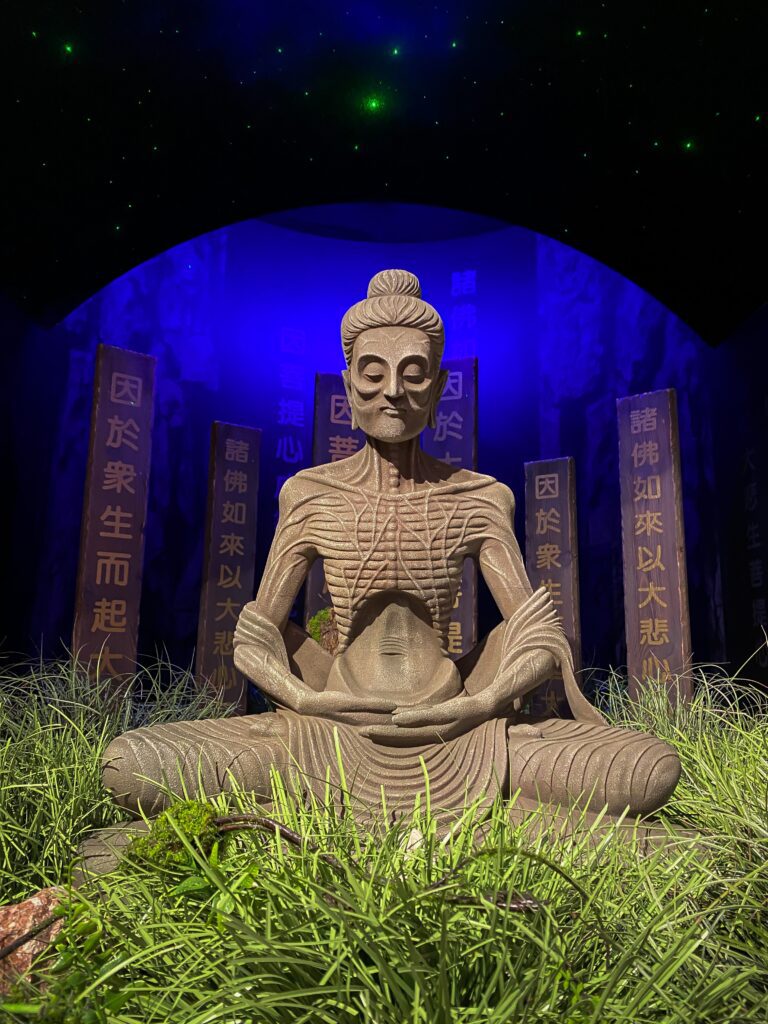
The origin of Dharma in Buddhism dates back to the sixth century BCE when Siddhartha Gautama, a prince of the Shakya clan, renounced his royal life in search of the truth about human suffering. After years of ascetic practice and meditation, he attained enlightenment under the Bodhi tree in Bodh Gaya, India. This enlightenment experience led to the formulation of the Buddha’s teachings, which constitute the Dharma in Buddhism.
The Buddha’s Dharma encompasses the core teachings and principles he shared with his followers over the next 45 years of his life. These teachings were initially passed down orally and later compiled into written texts known as the Tripitaka, or “Three Baskets,” which are the primary scriptures of Theravada Buddhism.
In addition to the Tripitaka, other important Buddhist scriptures include the Mahayana Sutras, which emerged later and expanded on the Buddha’s teachings, emphasizing concepts such as Bodhisattva ideal and the nature of emptiness (Shunyata). These texts are central to Mahayana Buddhism, which developed around the first century CE and spread to East Asia.

Meaning
Etymologically, in Pali, the language of many early Buddhist texts, the term is “Dhamma.” Both terms convey the sense of upholding the natural order and truth. In the Buddhist context, Dharma refers specifically to the teachings of the Buddha.
Dharma as the teachings of the Buddha comprises a comprehensive body of knowledge and practice aimed at understanding the true nature of existence and achieving spiritual liberation. The Buddha’s teachings are encapsulated in the Four Noble Truths and the Noble Eightfold Path, which form the foundation of Buddhist thought and practice. The Four Noble Truths are:
- The truth of suffering (Dukkha): Life is inherently unsatisfactory and characterized by suffering.
- The truth of the origin of suffering (Samudaya): Suffering arises from craving, attachment, and ignorance.
- The truth of the cessation of suffering (Nirodha): It is possible to end suffering by eliminating craving and attachment.
- The truth of the path to the cessation of suffering (Magga): The Noble Eightfold Path provides the means to overcome suffering and achieve liberation.
The Noble Eightfold Path outlines the practical steps to cultivate ethical conduct, mental discipline, and wisdom. It consists of eight interconnected practices:
- Right View: Understanding the nature of reality and the Four Noble Truths.
- Right Intention: Developing the intention of renunciation, goodwill, and harmlessness.
- Right Speech: Speaking truthfully, kindly, and constructively.
- Right Action: Acting ethically and avoiding harm to others.
- Right Livelihood: Engaging in work that is ethical and does not cause harm.
- Right Effort: Cultivating positive states of mind and overcoming negative ones.
- Right Mindfulness: Maintaining awareness of the body, feelings, mind, and phenomena.
- Right Concentration: Developing deep states of meditative absorption.
Scope
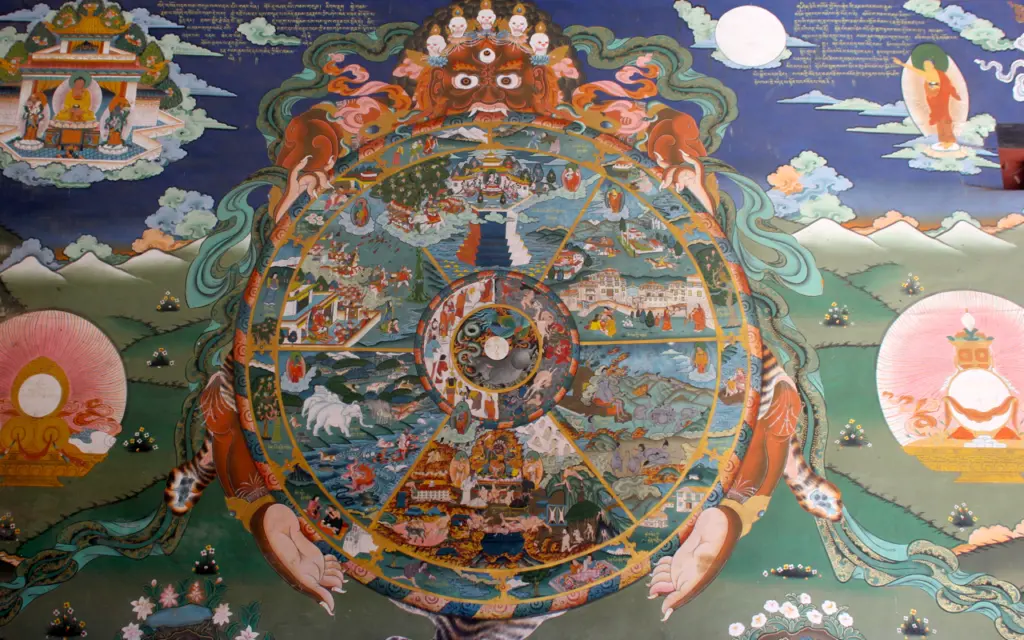
In Buddhism, the Three Jewels, or Triratna, represent the foundation of a Buddhist’s faith and practice. These jewels are the Buddha, the Dharma, and the Sangha. Taking refuge in these three is a fundamental expression of one’s commitment to the Buddhist path.
- As the Enlightened One, the Buddha is a model of human potential and the embodiment of wisdom and compassion. His life and teachings provide a guide for those seeking to understand the true nature of existence and attain Nirvana.
- Dharma, in this context, represents the teachings of the Buddha. These teachings elucidate the nature of reality, the causes of suffering, and the path to enlightenment. The Dharma includes the Four Noble Truths, the Noble Eightfold Path, and other discourses and principles expounded by the Buddha.
- The Sangha refers to the community of practitioners who follow the Buddha’s teachings. This community includes both monastic members (bhikkhus and bhikkhunis) and lay practitioners. The Sangha supports its members through shared practice, teachings, and ethical conduct.
Application
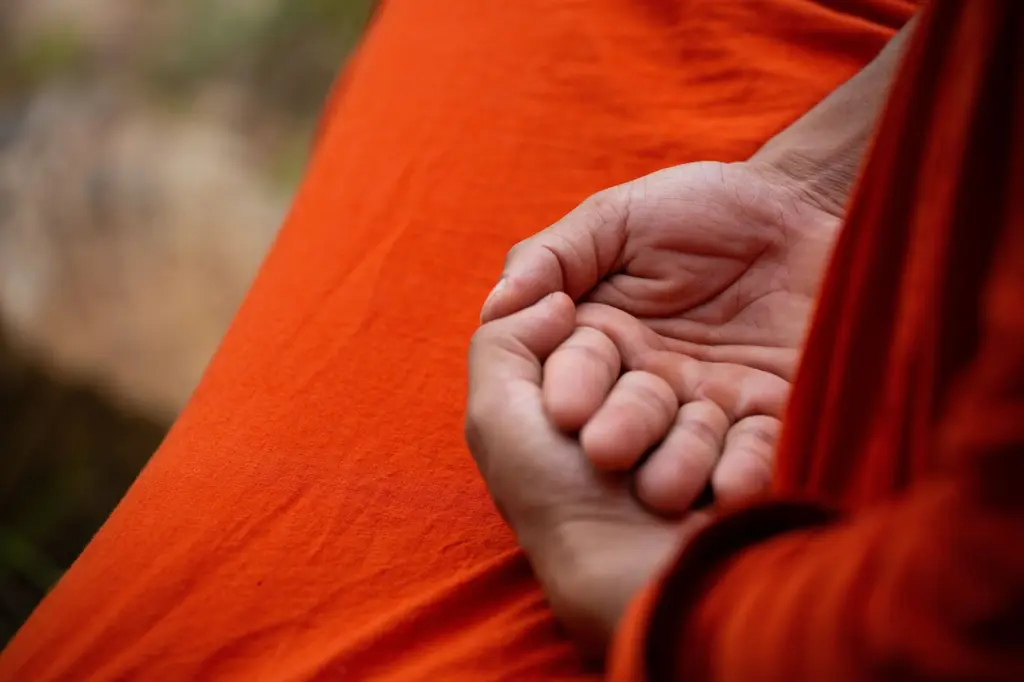
In daily life, Dharma encourages individuals to live mindfully and ethically, making choices that reduce suffering for themselves and others. This involves adhering to the Five Precepts, which are fundamental ethical guidelines for lay Buddhists:
- Refraining from taking life
- Refraining from taking what is not given
- Refraining from sexual misconduct
- Refraining from false speech
- Refraining from intoxicants that cloud the mind.
Meditation and mindfulness are central practices in Buddhism that directly apply the principles of Dharma. These practices help individuals develop greater awareness, concentration, and insight into the nature of reality. While mindfulness, or Sati, is the practice of maintaining a moment-to-moment awareness of one’s thoughts, feelings, bodily sensations, and the surrounding environment. It involves being fully present and attentive to the current experience without judgment.
Ethical conduct, or Sila, is a fundamental aspect of Dharma in Buddhism. It involves living in a way that is harmonious, compassionate, and conducive to spiritual growth.
Dharma in Hinduism vs Buddhism
Conceptual Differences
The distinct roles of Dharma in Hindu and Buddhist contexts highlight their differing emphases. In Hinduism, Dharma serves multiple roles: it is a social and legal code, a moral guideline, and a means of spiritual advancement. It regulates social order through Varna Dharma and Ashrama Dharma, ensuring that individuals fulfill their societal and familial duties. Dharma also provides a moral compass for personal behavior, guiding individuals toward righteous living and spiritual progress.
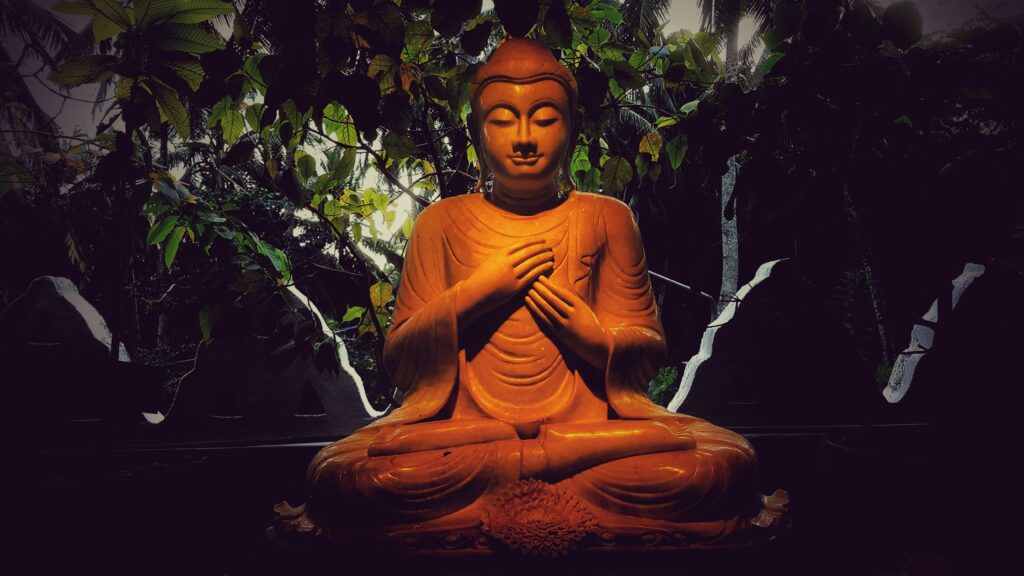
In Buddhism, the role of Dharma is primarily educational and transformational. It functions as the teachings and doctrines that instruct individuals on the nature of reality and the path to enlightenment.
Philosophical Nuances
Approaches to spiritual liberation also differ significantly between the two traditions. In Hinduism, liberation (Moksha) is often understood as the realization of the self’s unity with the supreme reality (Brahman). Various paths to liberation are recognized, including the path of knowledge (Jnana Yoga), the path of devotion (Bhakti Yoga), and the path of selfless action (Karma Yoga). The realization of one’s true nature and the dissolution of ego and attachment are central to attaining Moksha.
Buddhism’s approach to spiritual liberation focuses on the cessation of suffering through the Eightfold Path. This path is divided into three main practices: ethical conduct (Sila), mental discipline (Samadhi), and wisdom (Prajna). Unlike Hinduism, which often involves a relationship with a personal deity, Buddhism generally does not posit a creator god and instead focuses on the individual’s journey to enlightenment through inner transformation.
Common Ground
Both Hinduism and Buddhism emphasize the importance of ethical conduct, compassion, and the pursuit of spiritual knowledge. Central to both traditions is the principle of Ahimsa, or non-violence.
The concept of Karma, which refers to the moral law of cause and effect, is another significant commonality. Both religions teach that one’s actions in this life have consequences for future lives, encouraging individuals to act ethically and responsibly.
Both traditions recognize the impermanent nature of the physical world and the suffering inherent in human existence. Historically, Buddhism emerged in the context of Hindu society, and many early Buddhists were originally Hindus. The early teachings of the Buddha drew on existing Hindu concepts, such as Karma and Samsara (the cycle of birth and rebirth), while offering new interpretations and practices. The two traditions have always been syncretic in nature.
Comparison Table
|
|
Hinduism
|
Buddhism
|
|---|---|---|
|
Definition
|
Duty, righteousness, law, and moral order
|
Teachings of the Buddha and the path to enlightenment
|
|
Scope
|
Broad: includes personal duty (Sva-dharma), caste duties (Varna Dharma), and stages of life (Ashrama Dharma)
|
Focused: primarily the Buddha’s teachings, including the Four Noble Truths and the Noble Eightfold Path
|
|
Key Texts
|
Vedas, Upanishads, Bhagavad Gita, Dharma Shastras
|
Tripitaka (Pali Canon), Mahayana Sutras
|
|
Ethical Principles
|
Based on Dharma, which varies by social role and stage of life
|
Universal principles like the Five Precepts and the Noble Eightfold Path
|
|
Central Practices
|
Rituals, sacrifices, meditation (Dhyana), devotion (Bhakti), selfless action (Karma Yoga)
|
Meditation (Samatha, Vipassana), mindfulness, ethical conduct
|
|
Role in Society
|
Regulates social and cosmic order through caste duties and stages of life
|
Primarily individual-focused but supported by the monastic community (Sangha)
|