Nestled on the azure shores of the Libyan Sea, Ierapetra isn’t just another picturesque spot on the island of Crete; it holds the esteemed title of being the southernmost town of Greece, nay, Europe!
As you traverse its cobbled streets and gaze upon the shimmering waters, know that you’re not just exploring any location, but the very edge of a continent.
From it’s name alone, meaning “Sacred Stone”, you can surmise just why Ierapetra is amongst some of the most special places in Crete.
Read on to find out more!
Table of Contents
Toggle
History of Ierapetra
Ierapetra’s legacy stretches back to the Minoan period, around 2600-1100 BC. Archaeological remnants from this era testify to early settlements and the town’s significance even in ancient times.
Known as “Hierapytna” during the Hellenistic period, between 323-31 BC, the town rose to prominence as one of Crete’s most influential cities. Its power was evident not only in its fortifications but also in its ability to mint its own coins.
The Roman annexation of Crete in 67 BC marked a new chapter for Ierapetra. As part of the Roman province, the town underwent substantial infrastructural developments, with the establishment of aqueducts, villas, and other essential structures.
With the fall of the Western Roman Empire, the Byzantines took over, ushering in an era of religious and architectural transformation from the 4th to the 13th century. Numerous Orthodox Christian churches (specifically the Greek Orthodoxy), showcasing distinct Byzantine artistry, were erected during this period.
The landscape of Ierapetra changed again in 1204 with the Fourth Crusade. As Crete fell under Venetian control, the town saw the rise of fortified structures and a blend of Venetian architectural style intermingling with its existing aesthetics.
However, the Venetian era came to an end in 1669 when the Ottomans captured Crete. Under Ottoman rule, Ierapetra experienced significant cultural and demographic shifts that lasted until the late 19th century.
Transitioning into the 20th century and up to the present day, Ierapetra joined the modern Greek state and evolved into a hub for agriculture and tourism. Yet, amidst this modern growth, it proudly retains markers of its illustrious past.
Best Tours in Ierapetra
Here are some of the most popular tours you can join from Ierapetra:
- Eastern Crete Nature Jeep Driving Tour – Enjoy the beauty of untouched eastern Crete with its rugged mountains, fauna, and flora. Experience authentic Crete in a single morning and explore the island village of Stavrohori.
- Knossos Palace and Heraklion City Guided Tour – Start your tour in Ierapetra and travel to Heraklion for a guided city trip. Learn about the Minoan civilization, visit the archaeological site of Knossos Palace, then explore the city with a guide.
- Chrissi Island Yacht Cruise with Lunch – Spend a day relaxing on the white-sand beaches of Chrissi Island on this day trip from Crete.
Top Things to Do in Ierapetra
1. Visit the Archaeological Collection Of Ierapetra
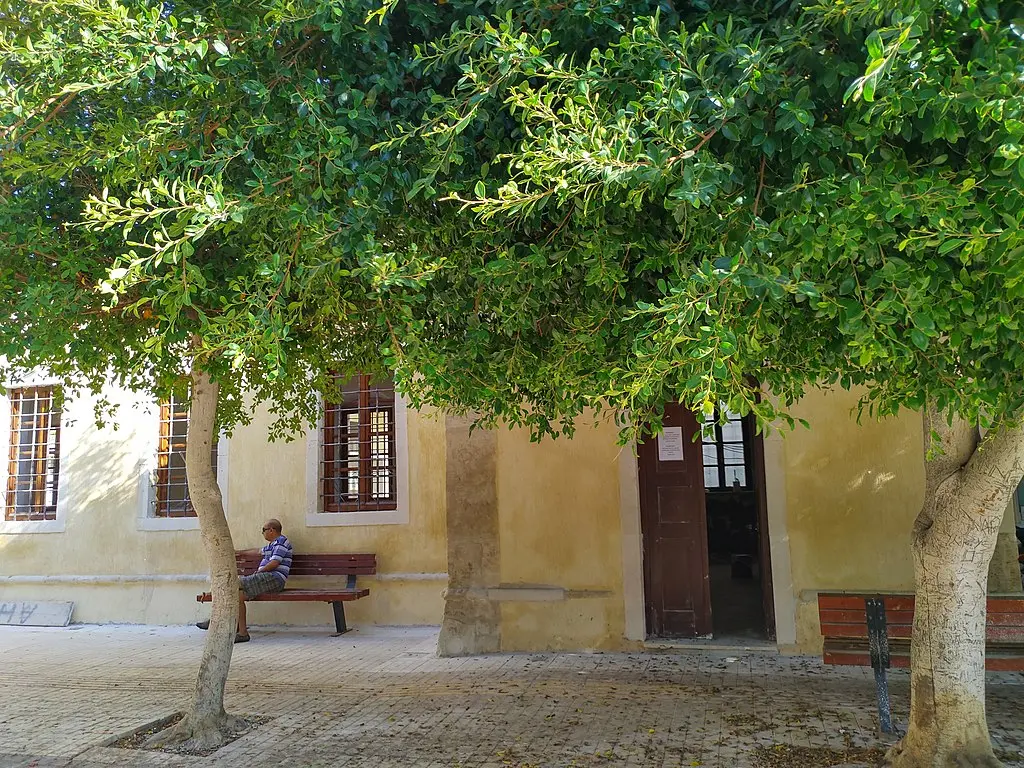
A journey into Ierapetra’s past would be incomplete without a visit to its prized Archaeological Collection.
Housed in a historic Ottoman school building, this collection is a treasure trove of artifacts and relics that bear witness to the town’s rich history.
The exhibits span from the Minoan era to Roman times and showcase a diverse range of items, from pottery,sculptures, and inscriptions. Of particular interest are the Minoan clay pots, which showcase the intricate craftsmanship and artistic sensibilities of the era.
2. Check out the House of Napoleon
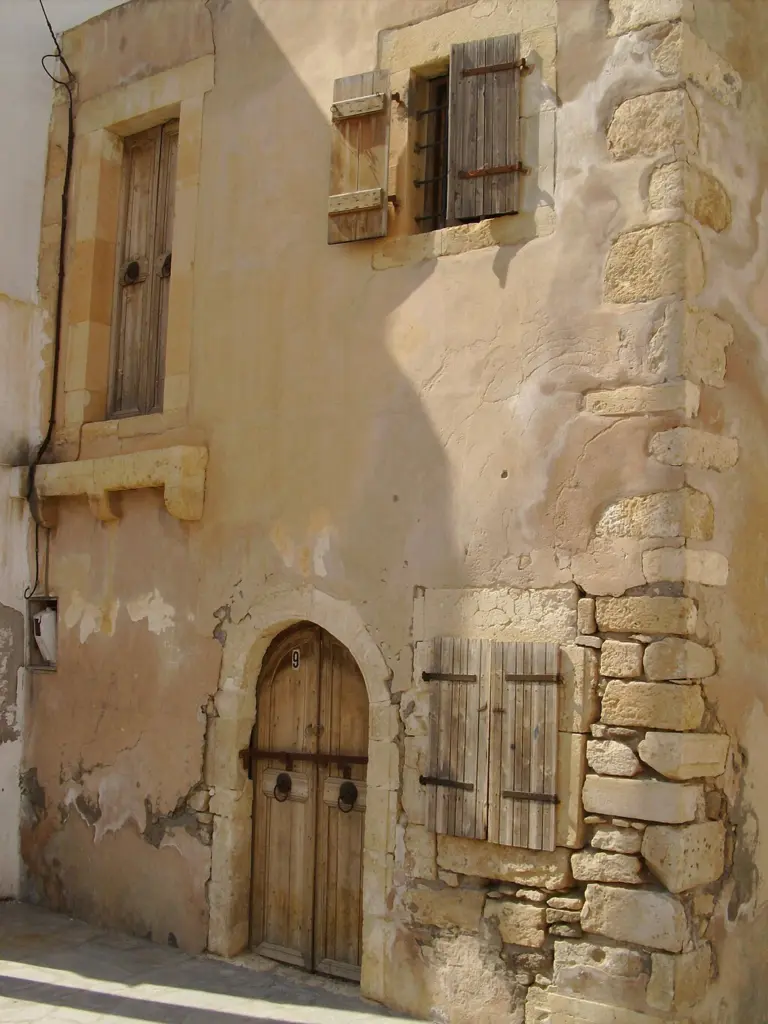
As legend has it, during Napoleon Bonaparte’s expedition to Egypt in 1798, the iconic French general made a brief stop in Ierapetra.
He was reportedly hosted by a local family in this very house, hence its name.
Though time has weathered its walls, the charm of this age-old residence remains undiminished. While the house is relatively modest in size, its significance lies in its historical connection.
3. Sunbathe in Chrissi Island
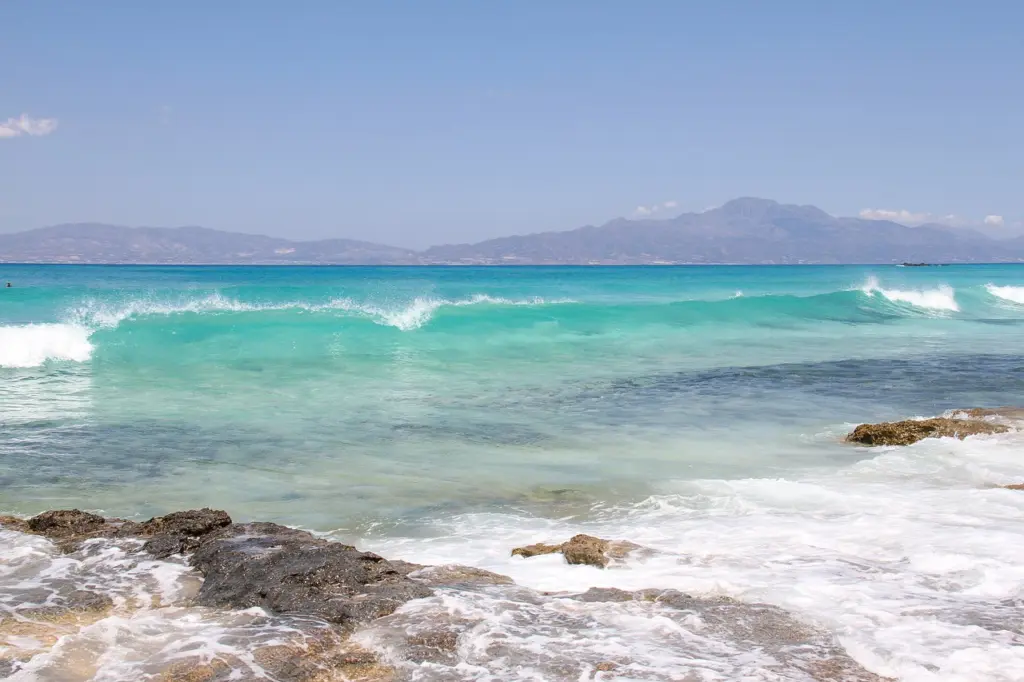
Just a short boat ride away from Ierapetra lies the untouched paradise of Chrissi Island. Often referred to as the “Golden Island” due to its stunning golden sands. My Couchsurfing host from Athens took us to this island after we had met his family who lived in Ierapetra.
The island boasts some of the most pristine beaches in the Mediterranean, with the shimmering turquoise waters contrasting beautifully against the backdrop of white and pinkish sands, made up of millions of crushed seashells.
The most famous among them is the aptly named “Golden Beach,” a stretch of coastline that seems to glow under the sun.
It’s also home to a cedar forest, one of the oldest in Europe, where trees stretch their roots deep into the fine white sand. This unique ecosystem is protected as part of the Natura 2000 Network, ensuring that the island’s natural beauty remains preserved for generations to come.
Here’s a private boat trip to Chrissi Island if you’re looking to skip the crowded ferries.
4. Swim at Peristeras Beach
Tucked away from the more frequented spots of Ierapetra lies the tranquil beauty of Peristeras Beach. This hidden gem, with its stretch of soft golden sands and crystal-clear waters, offers a more secluded and intimate beach experience.
Named after the nearby Peristeras Hill, the beach provides a harmonious blend of land and sea, where the rugged landscape meets the gentle embrace of the Libyan Sea.
Unlike many other beaches in the region, Peristeras is often less crowded, making it an ideal spot if you’re looking for a peaceful retreat.

5. Explore Fort Kales
Constructed in the early 13th century during Venetian rule, this Fort Kales has witnessed the ebb and flow of history, from defending the town against pirates to bearing the mark of subsequent Ottoman occupation.
The fort’s name “Kales” is derived from the Turkish word for castle. As you approach the fort, its imposing stone walls, battlements, and watchtowers immediately command attention, evoking images of sieges and tales of bravery.
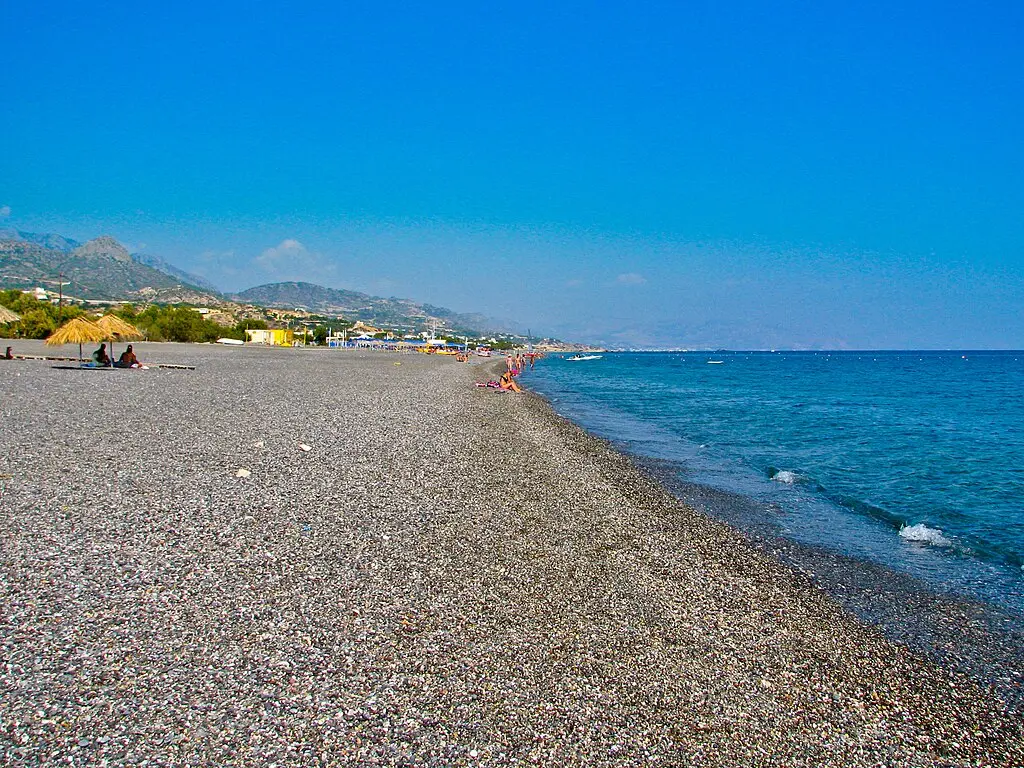
5. Take a Walk at Koutsounari Long Beach
Stretching gracefully along the southeastern coast of Ierapetra is the renowned Koutsounari Long Beach. True to its name, this expansive beach offers over 5 km (3 mi) of fine pebbly sands, making it one of the longest coastlines in the region.
Lined with tamarisk trees, the beach offers natural shade, allowing for a comfortable beach experience even in the heat of midday.
Nearby, the village of Koutsounari offers a taste of traditional Cretan life with its quaint tavernas serving up delicious local dishes, complementing the overall beach experience.
6. Marvel at the Minoan Water Tanks
Deep within the outskirts of Ierapetra lies an archaeological marvel that often escapes the casual tourist’s eye – the Minoan Water Tanks.
These ancient structures showcase the innovative engineering and architectural prowess of the Minoan civilization, which thrived on Crete over 3,000 years ago.
The water tanks, believed to be among the oldest of their kind in the world, were primarily constructed to store and supply fresh water to the Minoan settlements in the region.
Ingeniously designed with waterproof linings, these tanks ensured a steady supply of water, even during the arid summer months.
Today, while the remnants of the Minoan Water Tanks may seem unassuming compared to other grander archaeological sites, they offer a unique insight into the daily life of the ancient Minoans.
For those genuinely interested in understanding the intricacies of ancient Cretan life and the innovative spirit of the Minoan civilization, a visit to these water tanks is both enlightening and humbling.
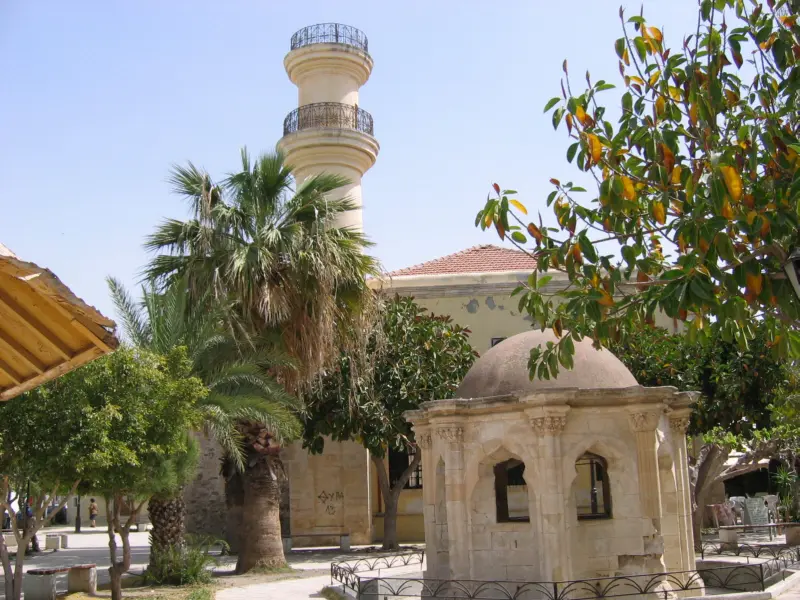
7. Get Lost in the Old Quarter
The Old Quarter of the town feels like a step back in time, with its labyrinthine alleyways and age-old structures that whisper tales from centuries gone by.
Here you can find a gracefully carved Turkish fountain, a symbol of the Ottoman influence that once permeated this region. Not far from it stands the beautifully restored mosque, its proud minaret pointing skyward.
Among other spiritual landmarks, Agios Ioannis and Agios Georgios stand out, both showcasing the town’s deep-rooted Christian traditions.
8. Find a German Bunker
Another hidden gem in Ierapetra: the remnants of a German bunker stand as a stark reminder of a more recent, turbulent period in Crete’s history: World War II.
Unlike the ancient ruins and Minoan sites that dot the landscape, this bunker represents the island’s strategic importance during the 20th century and the challenges faced by its inhabitants during wartime.
Built during the German occupation of Crete, this bunkers were strategically positioned to fend off potential Allied invasions and to maintain control over key points on the island.
The cold, imposing concrete and the narrow slits for surveillance and gunfire give a palpable sense of the anxieties and tensions of the wartime era.

9. Hike to Mylonas Waterfall
The Mylonas Waterfall is set amidst the rugged terrain of the Cretan hinterland where a picturesque hike will lead you through a verdant gorge, the air filled with the scent of wild herbs and the sound of chirping birds.
As you approach the waterfall, the gentle murmur of cascading water grows louder, culminating in the awe-inspiring sight of Mylonas Waterfall.
The water, gushing from a height of 40 m (131 ft), creates a serene pool below, its crystalline waters shimmering in the dappled sunlight.
Where to Stay in Ierapetra
- Okeanis Mystique South – offers free WiFi, air-conditioned accommodations with a fully-equipped kitchen, including amenities like a fridge, stovetop, kettle, and coffee machine. Each unit features a seating area with a sofa and flat-screen TV. You can enjoy the garden, an outdoor swimming pool, and a terrace.
- Kales Sea View Suites – boasts air-conditioned accommodations with stunning sea views from private balconies. Each suite features amenities like a satellite flat-screen TV, a fully equipped kitchen with essentials such as a dishwasher, oven, microwave, and coffee machine, and a private bathroom equipped with a walk-in shower and plush bathrobes. You can stay connected with free WiFi throughout the property and avail of the on-site bicycle rental service.
- Pignolia Suites – an adult-only accommodations with amenities including a seasonal outdoor pool, free private parking, a garden, and a shared lounge. Benefit from complimentary WiFi, room service, and luggage storage facilities. The property also boasts a terrace, grill area, and breathtaking views of the sea and mountains. Each air-conditioned room features a seating area, satellite flat-screen TV, kitchen, dining area, and a private bathroom stocked with complimentary toiletries. Every stay at Pignolia Suites is enhanced with fresh bed linens, towels, and a daily buffet breakfast.
How to Get Around Ierapetra
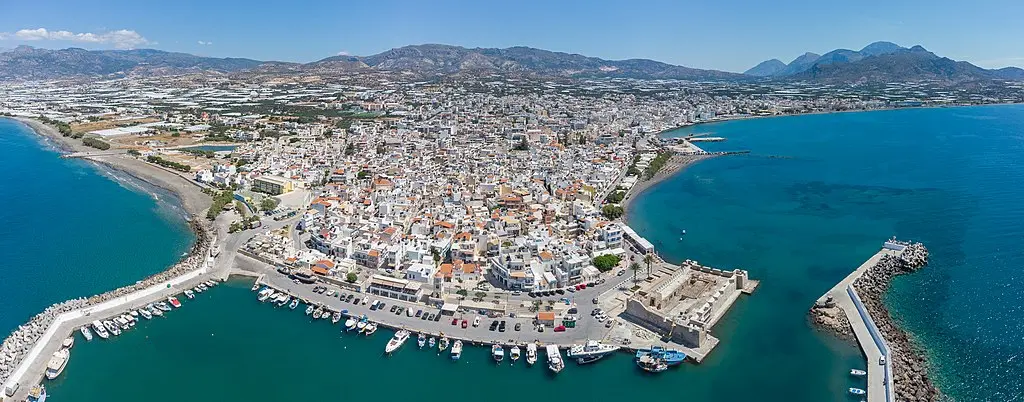
Navigating Ierapetra is relatively straightforward, thanks to its well-connected transportation system and compact nature. There are various options to get around:
- On Foot: Ierapetra’s town center is pedestrian-friendly, with many of its key attractions, shops, and eateries within walking distance of each other.
- Bicycle: Renting a bicycle can be an excellent way to explore Ierapetra at your own pace. The town’s relatively flat terrain and dedicated bike lanes make it a safe and enjoyable cycling destination.
- Taxis: Taxis are readily available throughout Ierapetra. Ensure you either agree on a fare before starting your journey or check that the meter is running.
- Car Rentals: For those wanting to explore beyond the town’s limits, renting a car is a viable option.
- Buses: The local bus service connects Ierapetra to other towns and attractions in Crete. I also remember we took a bus going to the port for Chrissi Island.
Best Time to Visit Ierapetra
Ierapetra boasts a Mediterranean climate, characterized by warm summers and mild winters. Here’s a breakdown of what to expect throughout the year:
1. Spring (March to May):
- Weather: Mild temperatures, with highs ranging from 15°C (59°F) in early spring to 24°C (75°F) by late May. Occasional rainfall, especially in March, but generally clear skies.
- Highlights: Wildflowers in full bloom, especially in the nearby mountains and countryside. Less crowded, allowing for a more serene exploration of attractions.
2. Summer (June to August):
- Weather: Warm to hot, with average temperatures between 26°C (79°F) and 30°C (86°F). Minimal rainfall and plenty of sunshine.
- Highlights: Beach season in full swing, with crystal-clear waters perfect for swimming, sunbathing, and water sports. Don’t forget to get travel insurance before doing anything too exhilirating!
3. Autumn (September to November):
- Weather: Warm early on, gradually cooling as November approaches. Temperatures range from 26°C (79°F) in September to 18°C (64°F) in November. Rainfall increases, especially in late autumn.
- Highlights: Olive harvest season, offering a unique cultural experience. The sea remains warm enough for swimming, especially in early autumn.
4. Winter (December to February):
- Weather: Mild and cooler, with temperatures hovering around 12°C (54°F) to 16°C (61°F). Rainfall is more frequent, with occasional stormy days.
- Highlights: A quieter ambiance in Ierapetra, with local festivals and traditions during the Christmas and New Year period.
How to Get to Ierapetra
Ierapetra is easily accessible through various modes of transport. Here are the primary ways to reach this charming town:
1. By Air:
- Heraklion International Airport (Nikos Kazantzakis Airport) is the closest major airport to Ierapetra. It welcomes flights from various European cities, especially during the tourist season.
- From the Airport: Upon landing, you can take a taxi or a bus to Heraklion’s central bus station. From there, buses run regularly to Ierapetra. The journey typically takes about 1.5 to 2 hours.
- Sitia Airport is a smaller alternative, handling mostly domestic flights and a few international charter flights during the peak season.
- From the Airport: It’s a shorter drive from Sitia to Ierapetra, taking approximately 1 hour by car.
- From the Airport: It’s a shorter drive from Sitia to Ierapetra, taking approximately 1 hour by car.
2. By Ferry:
- If you’re coming from Athens or other Greek islands, you can take a ferry to Heraklion or Agios Nikolaos, followed by a bus or car journey to Ierapetra. Personally, I took a ferry from the port of Fira in Santorini to Heraklion Port.
3. By Bus:
- From Heraklion: The central bus station in Heraklion operates several buses daily to Ierapetra.
- From Other Cretan Towns: Ierapetra is well-connected to other major towns on Crete like Agios Nikolaos, Rethymno, and Chania via the island’s bus network.
4. By Car:
- Renting a car provides the most flexibility, allowing you to explore Crete at your own pace. The drive from Heraklion to Ierapetra along the northern coast and then southwards offers scenic views and takes around 1.5 hours.
5. By Taxi:
- Taxis are available from both Heraklion and Sitia airports, as well as other major towns on Crete. While they offer a more comfortable and direct route to Ierapetra, they are also more expensive than public buses.
Plan Your Trip to Greece | Best Travel Resources
Book Your Accommodations
- Booking.com – the world’s leading online booking platform for accomodations around the world, they have an extensive amount of available listings with zero booking fees and best price guarantees.
- Hostelworld – a backpacker’s best friend, Hostelworld has the largest collection of hostels and guesthouses for affordable prices.
Don’t Forget Insurance
- SafetyWing – from Nomad Insurance, an insurance by nomads for nomads. They understand our lifestyle well and have really comprehensive and flexible plans that cater to any traveler.
Find Cheap Flights
- Kiwi.com – my go-to for booking and finding the cheapest flights and it’s helped me save tons of money. They do virtual interlining which is connecting flights from airlines that do not codeshare, so you can find routes that you wouldn’t be able to find normally.
Join Tours & Activities
- GetYourGuide – is one of the best places to find unique tours and activities. I found that it’s an excellent way to meet fellow travelers and create fond memories. They are not only limited to tours as they also offer niche services such as skip-the-line tickets or private transfers.
Catch a Ride
- Rentalcars.com – nothing beats the freedom of the road, Rentalcars.com is the world’s largest online car rental service. They operate across 160 countries so they’re the perfect partner to work with if you find yourself wanting a ride.