Lucha Libre, which translates to “free fight” in Spanish, is much more than a popular sporting event; it is a vibrant spectacle deeply embedded in the cultural fabric of Mexico.
This form of professional wrestling is known for its colorful masks, high-flying maneuvers, and dramatic personas. It is a phenomenon that extends beyond the boundaries of sport, the wrestlers, or “luchadores,” are not merely athletes but cultural icons, embodying themes of honor, justice, and tradition.
These masked heroes and villains enact stories of good versus evil that resonate deeply with Mexican societal values. Lucha Libre also serves as a mirror reflecting societal issues, where the struggles inside the ring can symbolize the larger battles within society. It is a space where narratives of resistance, resilience, and identity are played out, making it a rich subject of appreciation.
Table of Contents
ToggleThe Roots of Lucha Libre
History
Lucha Libre’s origins can be traced back to the early 1900s when it began to take shape as a distinct sport in Mexico. Initially influenced by Greco-Roman wrestling and local fighting styles, it was professionalized by Salvador Lutteroth, who founded the Empresa Mexicana de Lucha Libre (EMLL) in 1933, now known as Consejo Mundial de Lucha Libre (CMLL). This pivotal moment marked the formal beginning of Lucha Libre, transforming it into a structured sport with organized events and established rules.
The introduction of the “lucha de apuestas” (match wagers where fighters bet their masks or hair) added a unique and personal stake to the matches, elevating the drama and engagement of the audience.

Influences
While Lucha Libre is distinctly Mexican, it has been influenced by various international wrestling styles. Early 20th-century immigrants and visitors from the United States and Europe brought with them the early forms of professional wrestling, which mixed with local traditions to form the high-flying, theatrical style characteristic of Lucha Libre.
Japanese wrestling, or “Puroresu,” also had an impact, particularly in the technical precision and training methods adopted by Mexican wrestlers. Over time, Lucha Libre itself became an influencer, impacting wrestling cultures in Japan, the United States, and beyond.
Key Figures
Salvador Lutteroth is often hailed as the “father of Lucha Libre” for his role in formalizing the sport, but there were many other pivotal figures in its early days. Wrestlers like El Santo, Blue Demon, and Gory Guerrero became legends, not only for their skills in the ring but also for their charismatic personas and the dramatic narratives they embodied.
El Santo, in particular, became a cultural icon, starring in films and comic books, which helped to popularize Lucha Libre across Mexico and Latin America.
The Art of Lucha Libre
Lucha Libre is distinguished not only by its dramatic flair but also by its unique set of rules and formats that govern the matches. This section outlines the fundamental aspects of how Lucha Libre contests are structured, providing a foundation for understanding the intricacies of the sport.
Basic Rules
Lucha Libre matches are governed by a set of rules that while similar to other forms of professional wrestling, include some specific variations that add to the sport’s uniqueness:
- Matches can be one-on-one, tag team, or involve multiple wrestlers: Singles matches are common, but Lucha Libre is famous for its “lucha de parejas” (tag team matches) and “lucha de trios,” where teams of three compete, which is a format particularly popular in Mexico.
- Victory Conditions: Matches are typically won by pinfall, submission, disqualification, count-out, or by removing an opponent’s mask, which is considered a grave dishonor if done intentionally without stakes agreed prior to the match.
- Round System: Unlike most American wrestling, some Lucha Libre matches are contested over a series of “falls” with a best two-out-of-three format, adding a strategic depth to how wrestlers approach each contest.

Match Types
Lucha Libre features several specialized types of matches:
- Lucha de Apuestas (Match of Wagers): One of the most dramatic types of matches where wrestlers bet something of personal value, such as their mask or hair. These matches are highly significant and often culminate long-standing rivalries, with the loser unmasking or having their head shaved if they lose, serving as a major event in a wrestler’s career.
- Mask vs. Mask Match: This is a variant of the Lucha de Apuestas where two masked wrestlers bet their masks against each other. The loser must permanently remove their mask, revealing their true identity, which can dramatically alter their career.
The Masks of Lucha Libre
The Personas
Lucha Libre is as much about the story and the characters as it is about the athleticism and competition. The luchadores, adopt vivid personas that resonate deeply with the audience, often embodying larger-than-life traits and epic narratives. Here are some famous archetypes:
- Tecnicos (Faces): Tecnicos are the heroes of Lucha Libre, known for their adherence to rules, sportsmanship, and honorable tactics. They often embody traits like courage, honesty, and integrity, and they are portrayed as role models.
- Rudos (Heels): In contrast, rudos are the villains. They often break rules, use underhanded tactics, and incite the audience’s boos. Their characters are crafted to evoke anger and disapproval but are equally vital to Lucha Libre’s narrative dynamics.
- Exoticos: These are male wrestlers who dress in drag and often incorporate flamboyant and effeminate characteristics into their personas, challenging traditional gender roles and adding a layer of social commentary to their performances.
- Minis: Wrestlers of short stature who compete in their own divisions. Minis are not merely reduced versions of their taller counterparts; they bring the same level of athleticism and character depth to their performances.

The Mask
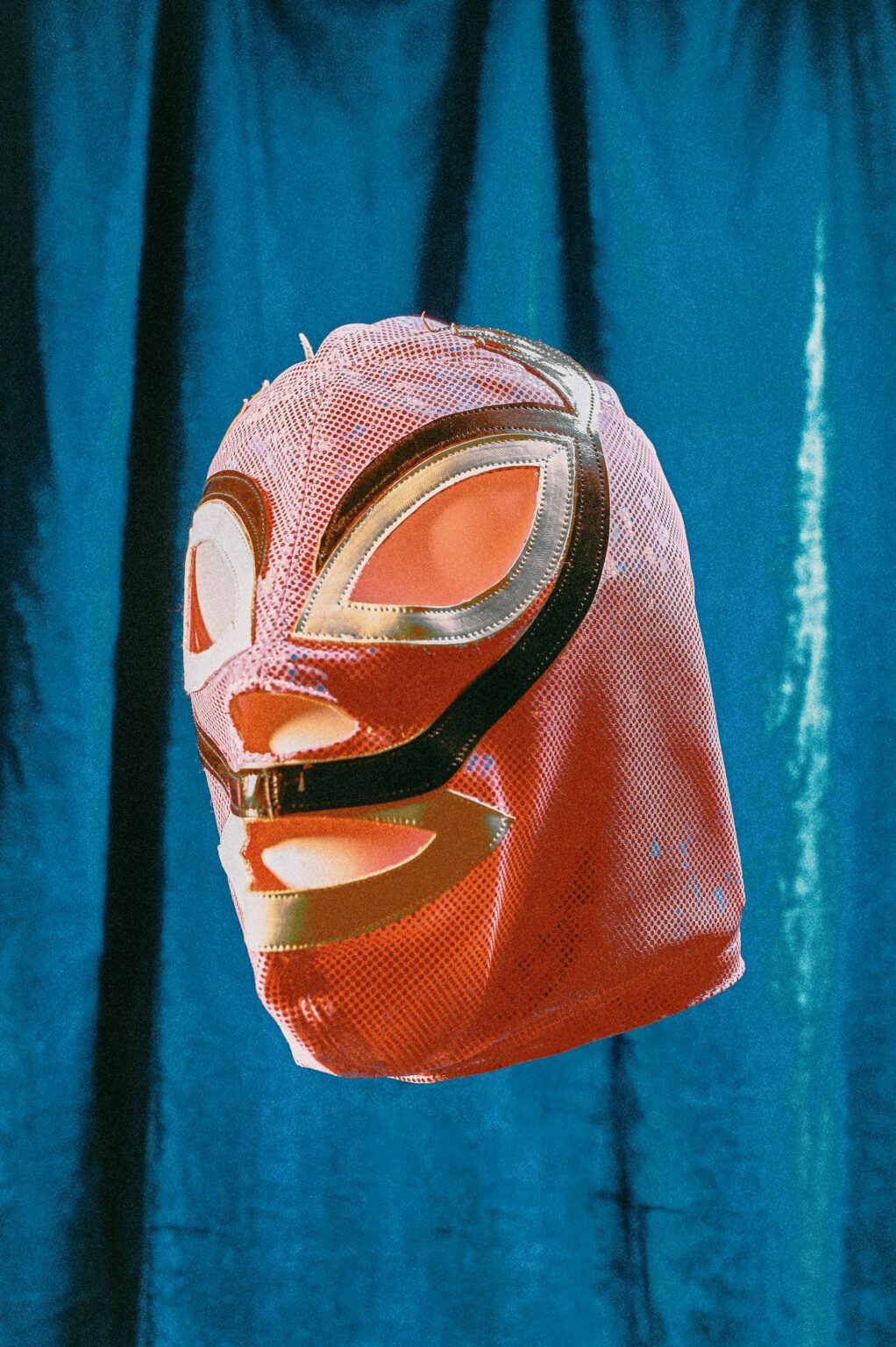
In Lucha Libre, the mask is considered sacred and helps create a mystique around the wrestler, allowing them to adopt a larger-than-life persona that can be iconic and timeless. For many luchadores, their mask becomes their identity, recognized more than their unmasked face.
Masks often incorporate symbols that are culturally significant or personally meaningful to the wrestler. Designs might include elements from Aztec or Mayan art, national symbols, or motifs that tell a personal story or represent the wrestler’s heritage.
In fact, mask-making itself is a revered art in Mexico. Artisans, often coming from families who have been making masks for generations, carefully craft each mask using materials like leather, lace, and high-quality fabrics. These masks are custom-made to ensure they are unique and fit perfectly, allowing for both comfort and durability during matches.
Famous Luchadores
For many luchadores, the mask is a sacred symbol of their fighting spirit. The decision to unmask often carries heavy emotional and professional implications. A masked wrestler can cultivate a mystique that might bring more fanfare, merchandising opportunities, and a legendary status. Conversely, losing a mask, especially in a “mask vs. mask” match, can dramatically alter a wrestler’s career, sometimes leading to a renewed character or even retirement. Here are some of famous luchadores known around the world:
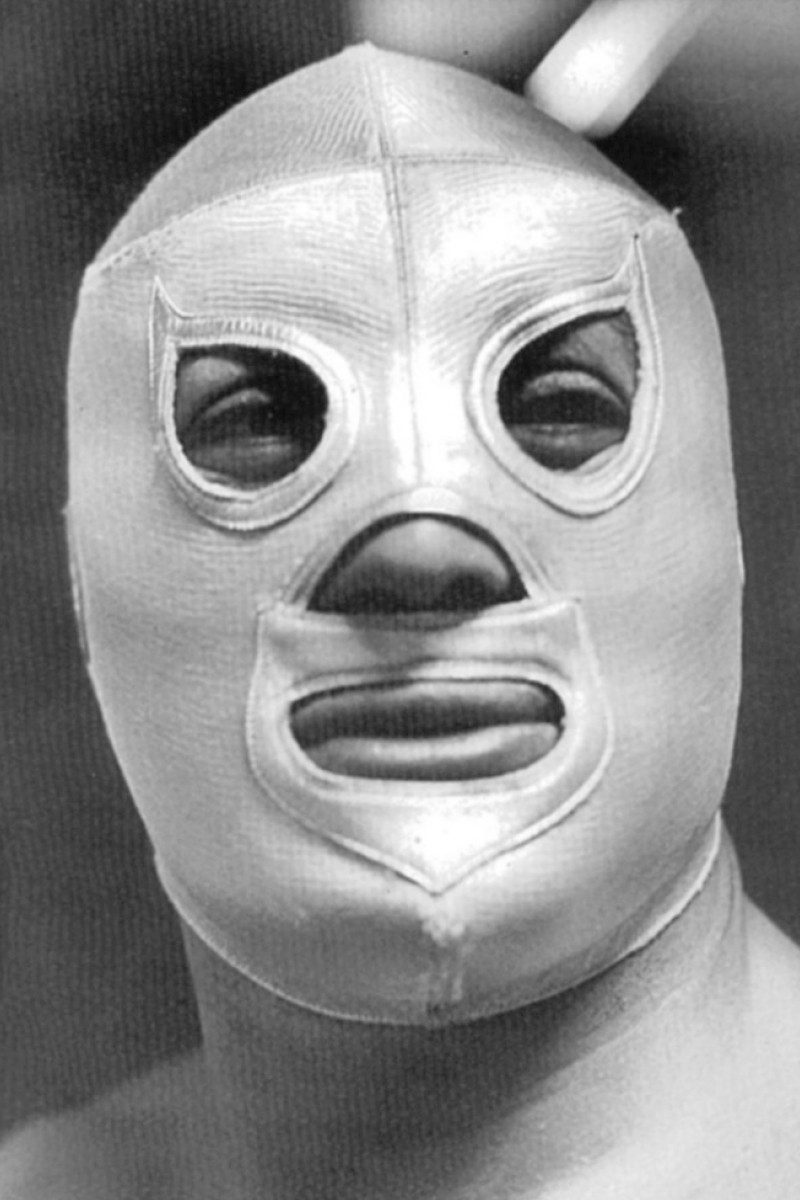
- El Santo: El Santo’s silver mask is one of the most iconic in Lucha Libre history. The mask helped him become a folk hero in Mexico, and he wore it in films, on television, and in public appearances, only revealing his face shortly before his death.
- Blue Demon: The mask of Blue Demon, characterized by its distinctive blue color and simple design, symbolizes the straightforward, powerful character of one of Lucha Libre’s most respected figures. Like El Santo, Blue Demon’s persona extended into films and popular culture.
- Rey Mysterio: Known for his elaborate masks with a cross motif around the eyes, Rey Mysterio’s masks draw on his “mystical” wrestler persona and high-flying style, incorporating vibrant colors and designs that reflect his dynamic in-ring tactics.
- Eddie Guerrero: Though he wrestled both masked and unmasked during his career, Eddie Guerrero is an example of a luchador who achieved international fame without a mask, showcasing his charisma and wrestling prowess.