Miyazaki is one of Japan’s most enchanting destinations, a place where nature, culture, and serenity come together in perfect harmony. Tucked away on the southeastern coast of Kyushu, it’s a region that feels like a hidden paradise, offering a slower pace of life and a chance to reconnect with the world around you.
Much like its neighbor Kagoshima, you can imagine endless stretches of coastline kissed by turquoise waves, rolling mountains covered in vibrant green, and skies that seem to glow with sunshine almost all year round. Miyazaki’s warm and welcoming climate makes it a year-round haven for travelers seeking to escape the rush of modern life.
But there’s more to Miyazaki than its natural beauty, so come with an open heart and a sense of wonder, and let Miyazaki show you a side of Japan that’s as timeless as it is unforgettable.
Table of Contents
ToggleHistory of Miyazaki
Known as the “land of myths,” Miyazaki is said to be the birthplace of Japan’s earliest stories, where gods descended and laid the foundations of the nation.
According to Shinto mythology, Miyazaki features prominently in the Kojiki and Nihon Shoki, two of the oldest chronicles of Japan. It is believed to be the setting for the tale of Ninigi-no-Mikoto, a divine descendant of the sun goddess Amaterasu. Ninigi-no-Mikoto was sent to Earth to establish peace and prosperity, and his arrival marked the beginning of Japan’s imperial lineage. This connection to divine origins gives Miyazaki a mystical allure, tying it closely to the spiritual identity of the country.
In ancient times, it served as a hub for rice cultivation, a cornerstone of Japanese civilization. During the feudal era, it came under the control of several samurai clans, including the Shimazu family, who ruled much of Kyushu. Despite its deep historical roots, Miyazaki remained relatively isolated compared to other parts of Japan, preserving its natural beauty and traditions.
Top Things to Do in Miyazaki

1. Take a Walk Around Heiwadai Park
Heiwadai Park is a serene and scenic spot known for its peaceful atmosphere and lush surroundings, it’s the perfect place for a morning stroll or a relaxing break from the city.
At the park’s center stands the Peace Monument, a striking structure dedicated to global harmony. One of its most intriguing features is an acoustic phenomenon: if you clap your hands at a specific spot in front of the monument, the sound echoes back! We were actually so impressed with this.
Beyond the monument, Heiwadai Park offers scenic walking trails that wind through beautiful greenery, providing a quiet space to enjoy nature. It’s pretty incredible how much deep into the lap of nature you can get just by visiting this park, at one point I forgot we were still in the city as it looked like we were already inside a forest.
2. Pray at Eda Shrine
Eda shrine is said to be connected to the story of Ninigi-no-Mikoto, the divine grandson of the sun goddess Amaterasu. Here, you’ll be greeted by a traditional torii gate that leads to a tranquil pathway lined with towering trees. The main hall of the shrine is simple yet elegant, reflecting the understated beauty of traditional Shinto architecture. The atmosphere is peaceful, with the sounds of nature adding to the sacred ambiance.

3. Check out the Haniwa Garden
Haniwa Garden, located inside Heiwadai Park, is a fascinating open-air exhibit that takes you on a journey through Japan’s ancient past. This unique garden is home to over 400 replicas of haniwa, which are clay figures used in burial rituals during the Kofun period (3rd to 6th centuries).
The haniwa figures come in various forms, including people, animals, and everyday objects, each carefully placed to recreate a scene of life in ancient Japan. I would say if you were still thinking on whether to visit Heiwadai Park or not, at the very least Haniwa Garden makes a very compelling reason to visit as it’s one of the only few places in Japan I have ever seen one.
4. Visit the Saitobaru Burial Mounds
Saitobaru Burial Mounds is one of Japan’s most significant archaeological sites and a fascinating window into the country’s ancient history. This sprawling area is home to over 300 kofun, or burial mounds, dating back to the 4th to 7th centuries during the Kofun period. It is considered one of the largest collections of such burial mounds in Japan, showcasing the advanced burial practices and social structures of the time.
The site is set amidst beautiful open fields, with each mound varying in size and shape. Some are keyhole-shaped, a distinctive feature of the era, while others are circular or rectangular. While the interiors of the mounds are not accessible, the sheer scale and historical significance of the site make it a compelling place to visit.
5. Explore Aoshima Island
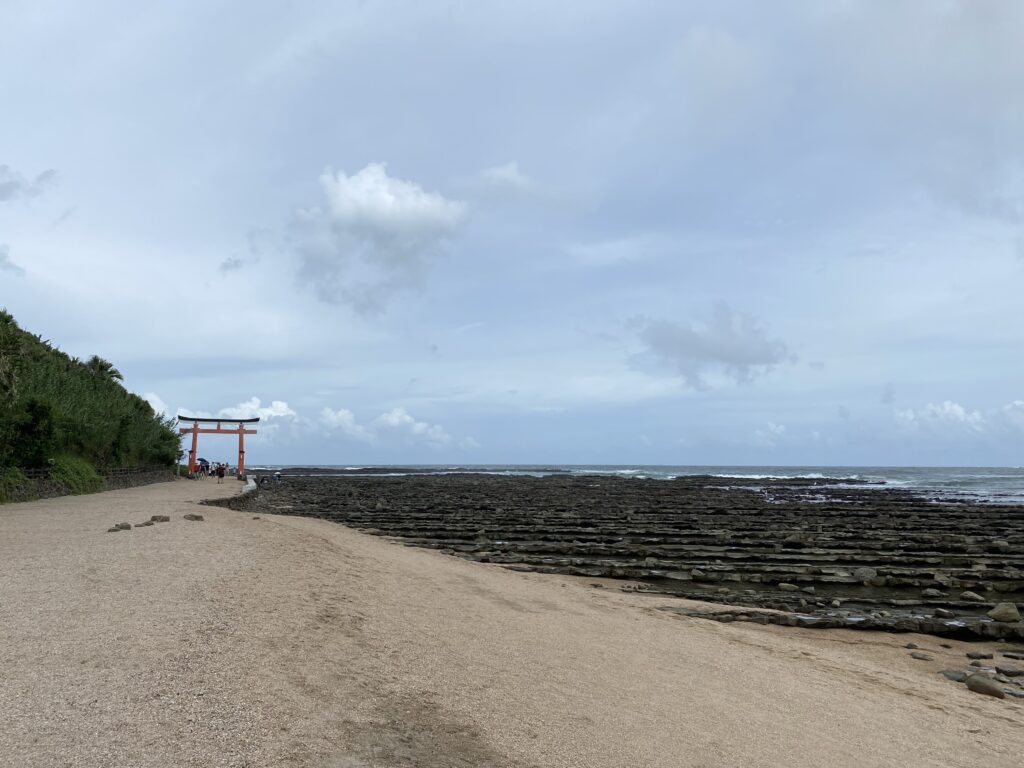
Aoshima is a small, picturesque island located just off the coast of Miyazaki, easily accessible by a short train ride from the city and a pleasant walk across a charming stone bridge.
The journey often begins at the surrounding area, home to tropical greenhouses and beautifully maintained gardens that showcase the lush flora of the region. As you make your way to the beach, you’re greeted by the sight of the stone bridge connecting the mainland to the island—a fitting gateway to this unique paradise.
Aoshima’s shoreline is lined with the famous “Devil’s Washboard” (Oni no Sentakuita), a geological wonder made up of natural, ribbed rock formations that stretch into the sea. These peculiar formations are a puzzle for scientists, with their symmetrical, wave-like patterns seeming almost too perfect to be natural. For more information on the things to do on and around the island, you can click here.
6. Discover Miyazaki Shrine
Dedicated to Emperor Jimmu, Japan’s legendary first emperor, the shrine holds great cultural and historical significance as it honors the beginnings of Japan’s imperial lineage.
Visitors often come to pray for good fortune, success, and peace, with many writing wishes on ema (wooden prayer plaques). Throughout the year, the shrine hosts several festivals, including the lively Aki-no-Taisai in autumn.
7. Hike Kaeda Valley
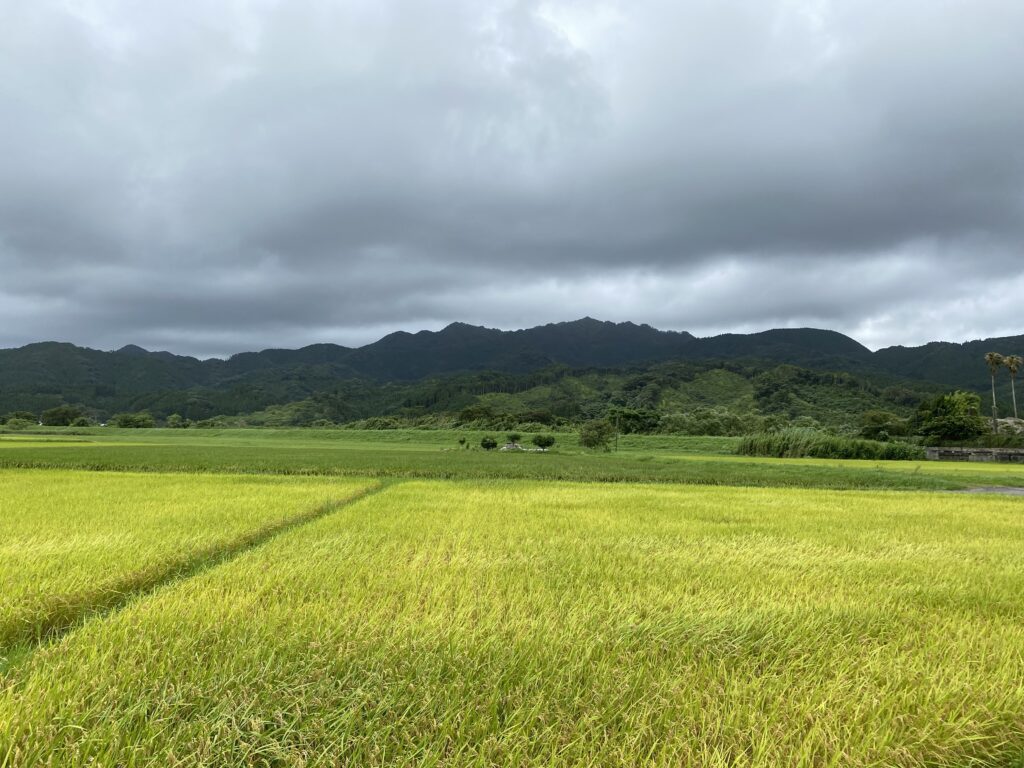
Going to Kaeda Valley wasn’t easy without a car but we still went for it anyway. I was quite intrigued to try this place out as it was known to function as some sort of forest theraphy or forest bathing (shinrin yoku) so to say. Getting to the correct station (Kibana) was the easy part but we had to walk a long way to the valley, as in more than an hour worth so I would recommend to just rent a car but we weren’t so wise back then. It was a good thing the surroundings were so beautiful with mountains and farmlands all around.
The sun was overbearing though, soon there were rivers which signalled we were getting close. We stopped by some benches as we approached the park entrance and made our way in to the valley.
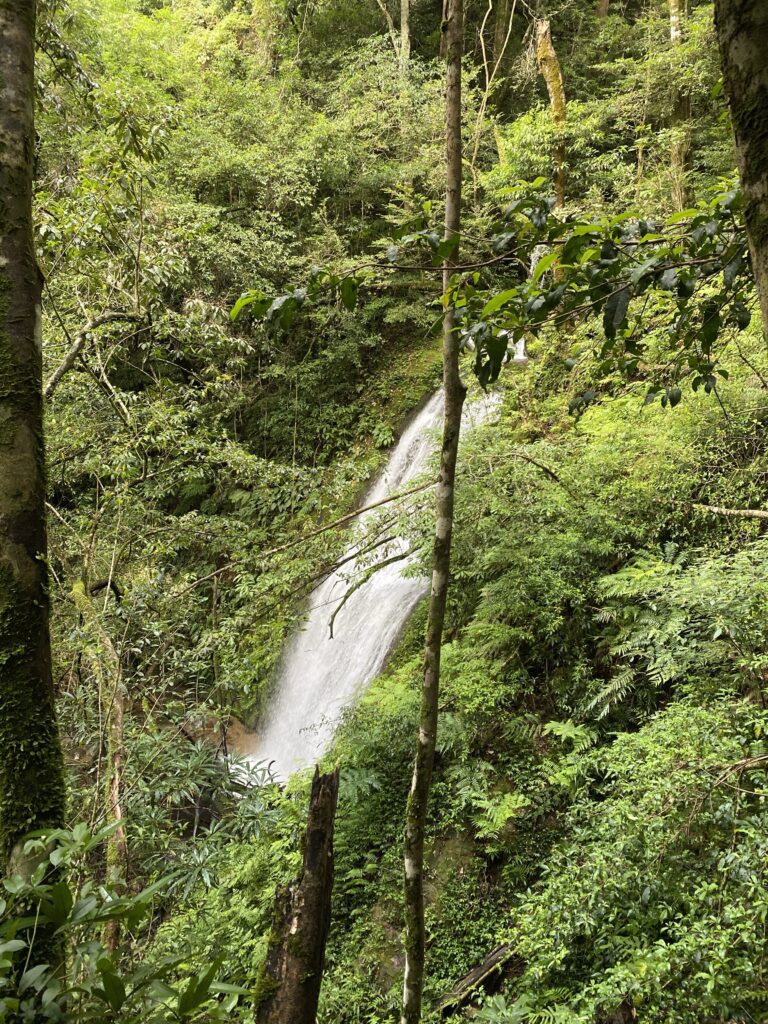
The atmosphere changed immediately, everything was much more fresh and serene. The river’s color was an amazing hue of aquamarine and there were a lot of diverse flora and fauna. Halfway through, we arrived at an empty campsite. I changed my clothes here and went for a dip at the river. The river was so cool and refreshing, it pretty much wiped away all my fatigue.
We continued on until we reached the end of our trail and had several choices but we opted to do the hike back instead which would be very difficult but more worth it than just going back the same route. The hike was exhausting with steep uphills but the reward was even more untouched and wild nature. There was even a waterfall on the way.
8. Feel the Wind at Toi Cape
Toi Cape, located at the southern tip of the prefecture, is a stunning coastal destination that offers breathtaking views of the Pacific Ocean and a sense of untamed natural beauty. Known for its dramatic cliffs, expansive horizons, and windswept landscapes.
The highlight of Toi Cape is its lighthouse, perched at the edge of the cliffs. From this vantage point, you’re treated to panoramic views of the ocean stretching endlessly into the horizon. The combination of crashing waves below and the vast expanse of blue creates a mesmerizing scene that captures the essence of Miyazaki’s coastal charm.
9. Ride a Boat at Takachiho Gorge
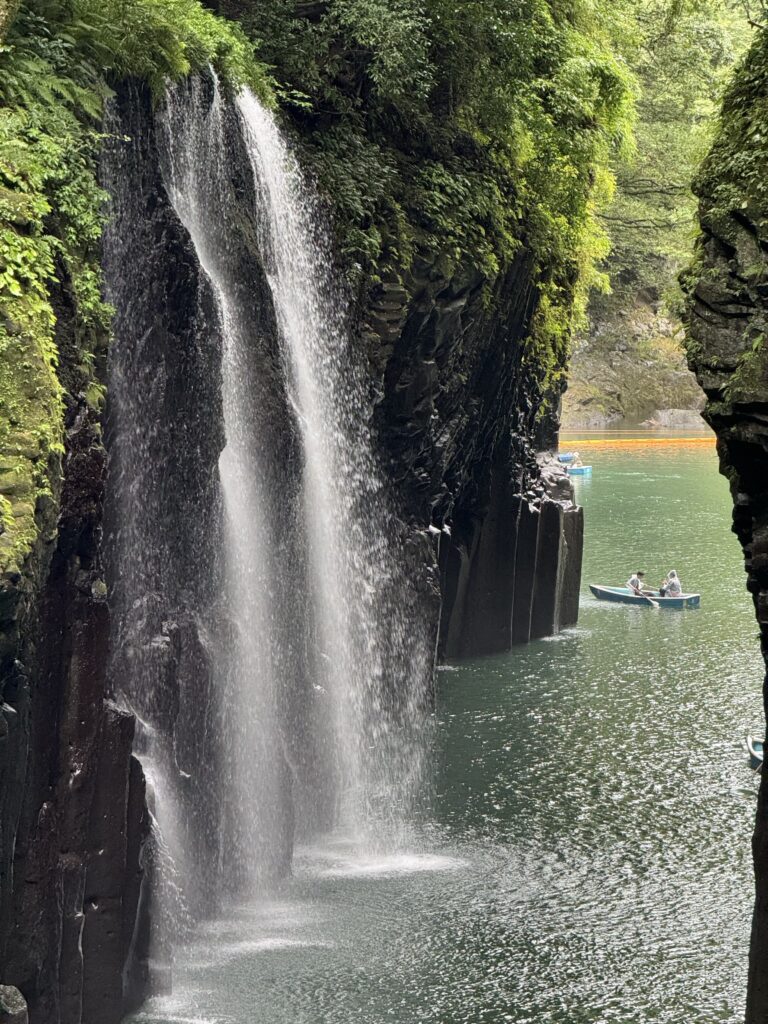
Takachiho Gorge is one of Miyazaki’s most iconic and breathtaking natural attractions, carved by the Gokase River over thousands of years, the gorge features towering volcanic basalt cliffs that form unique columnar patterns, creating a stunning backdrop to the turquoise waters below.
The gorge can be experienced by renting a rowboat, allowing you to glide along the river and marvel at the sheer cliffs from below. However, the boats have quotas and to be honest seeing the falls from above is also another epic view. Either way, you’ll encounter the majestic Manai Falls, a 17-meter-high waterfall cascading gracefully into the river, its mist adding an ethereal touch to the already magical atmosphere. The combination of the water’s coolness, the sound of the falls, and the lush greenery surrounding the gorge creates an incredibly calming and immersive experience.
For more information on visiting Takachiho Gorge, you can check out my article on it here.
10. Try out Miyazaki Mangoes
Miyazaki is famous for its exquisite mangoes, considered some of the finest in Japan and even the world. Known as “Taiyo no Tamago” or “Eggs of the Sun,” these premium mangoes are celebrated for their unparalleled sweetness, rich flavor, and perfect texture.
What sets Miyazaki mangoes apart is the meticulous care that goes into their cultivation. Each mango is hand-grown under strict conditions, with farmers ensuring optimal sunlight and temperature. To achieve their signature quality, the fruit is often wrapped in nets to allow them to ripen naturally on the tree before gently falling off when ready.
Miyazaki mangoes are not just a treat for the taste buds but also a feast for the eyes. Their deep red color and perfect shape make them a luxury item often given as gifts. The region’s warm climate and abundant sunshine provide ideal conditions for growing these tropical delights, making Miyazaki the perfect place to experience the pinnacle of mango cultivation.
11. Stroll Around Kenritsuawakigahara Forest Park
Kenritsuawakigahara Forest Park is a haven of tranquility right near the city center. This was another hidden gem we found as we were looking for a morning walk in nature.
The park features a network of walking trails that meander through dense woods of towering trees, where the rustling leaves and chirping birds create an ambiance of pure relaxation.
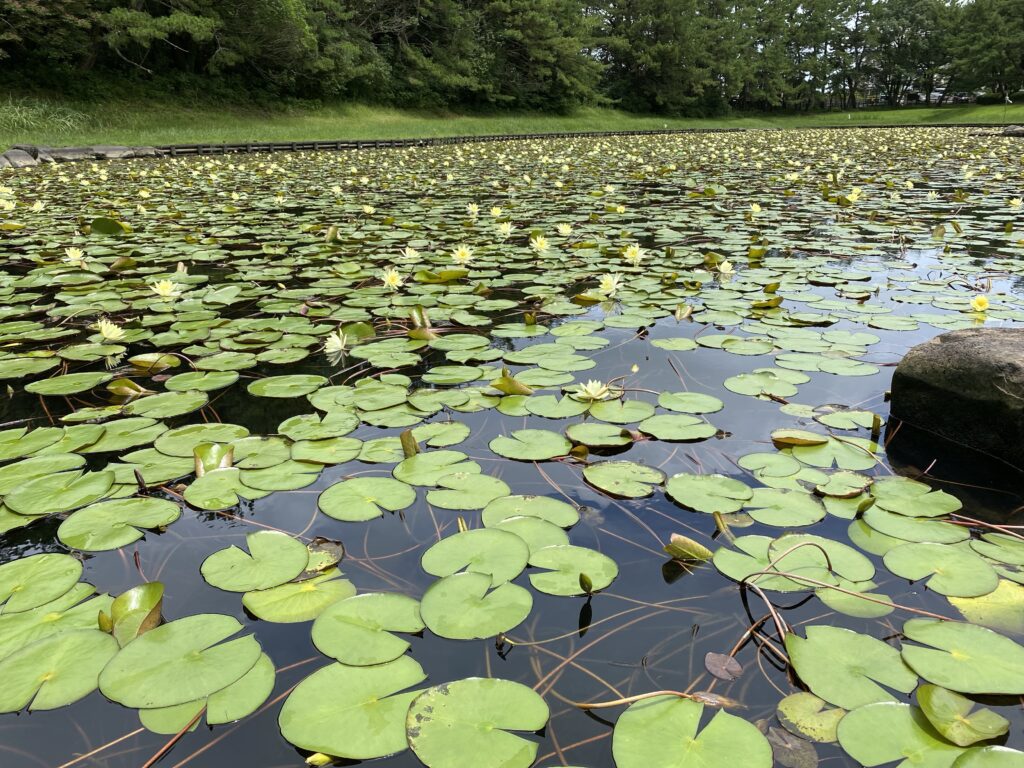
A highlight of the park is the Misogi Pond. In Japanese tradition, misogi refers to purification through water, and this tranquil pond embodies that sacred essence. Nestled deep within the forest, its waters carry thousands of water lillies.
12. Enjoy the Nishitachi Nightlife
Nishitachi is Miyazaki City’s vibrant nightlife district, known for its lively atmosphere, diverse dining options, and a welcoming charm that makes it a must-visit for anyone looking to experience the city after dark. It’s compact area packed with izakayas, bars, restaurants, and entertainment venues, offering something for everyone.
The district comes alive in the evening, with the glow of neon signs and the buzz of conversations spilling into the streets. Whether you’re in the mood for traditional Japanese cuisine, fresh local seafood, or international fare, Nishitachi has countless options to satisfy your cravings. Many establishments feature Miyazaki’s famous regional specialties, such as Miyazaki beef paired perfectly with a glass of shochu, a popular Japanese spirit.
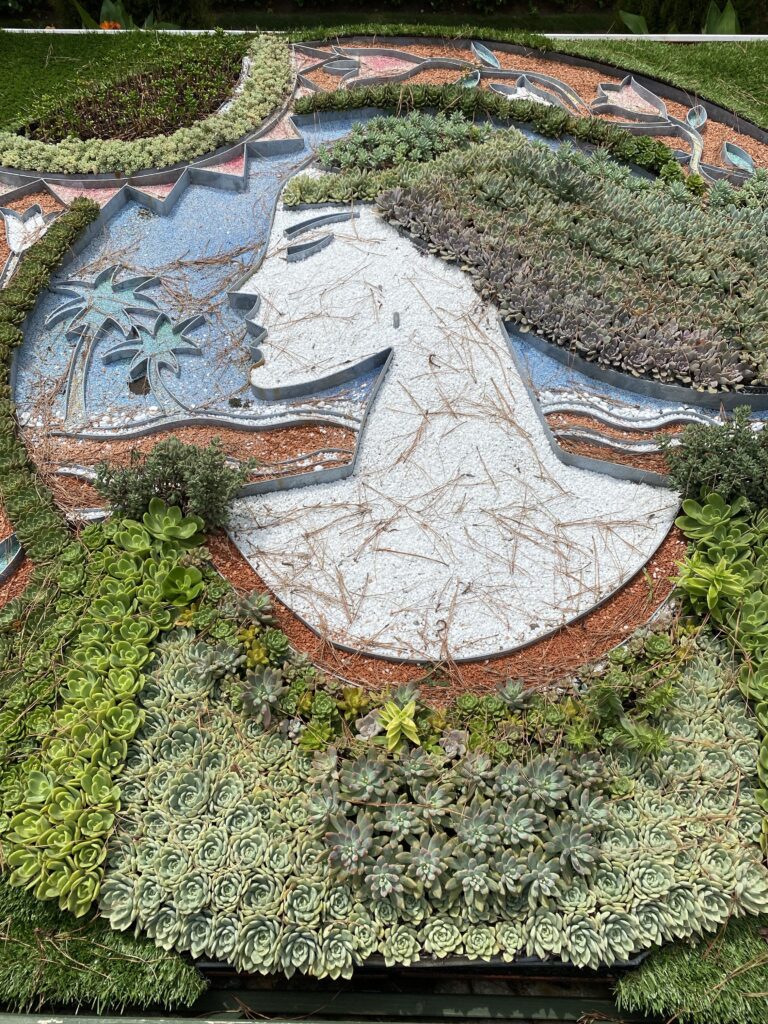
13. Smell the Flowers at Florante Miyazaki
Florante Miyazaki is a vibrant botanical park offering a delightful mix of beautifully landscaped gardens, seasonal flowers, and a peaceful atmosphere. The park is a perfect spot to relax, take in nature’s beauty, and enjoy a serene escape from the city.
Spread across a large area, Florante Miyazaki is home to an impressive variety of flowers and plants that change with the seasons. From cherry blossoms and tulips in spring to sunflowers in summer, chrysanthemums in autumn, and camellias in winter, the park’s vibrant displays ensure there’s always something to admire. The meticulously designed flower beds and pathways make for stunning photo opportunities and leisurely walks.
14. Feel the THrill at Teruha Suspension Bridge
The Teruha Suspension Bridge is a stunning attraction nestled in the lush greenery of Aya Town. Spanning 250 meters across a deep, forested valley, this impressive bridge is one of Japan’s longest pedestrian suspension bridges and offers breathtaking views of the surrounding landscapes.
Walking across the bridge is an exhilarating experience. Suspended high above the valley floor, you can feel the gentle sway beneath your feet as you take in the panoramic vistas of dense forests, winding rivers, and the endless expanse of greenery. The bridge’s height, at 142 meters, gives a unique vantage point to fully appreciate the beauty of the Aya Biosphere Reserve, one of the few UNESCO-designated ecological sites in Japan.
15. Catch the Sunset at Miyazaki Seaside Park
Miyazaki Seaside Park features wide, open spaces that are perfect for picnics, leisurely strolls, or simply soaking in the sea breeze. Its proximity to the coastline means you’re never far from the soothing sound of waves and the sight of endless blue waters. Well-maintained walking and cycling paths wind through the park, making it a great place for outdoor activities while enjoying the ocean scenery.
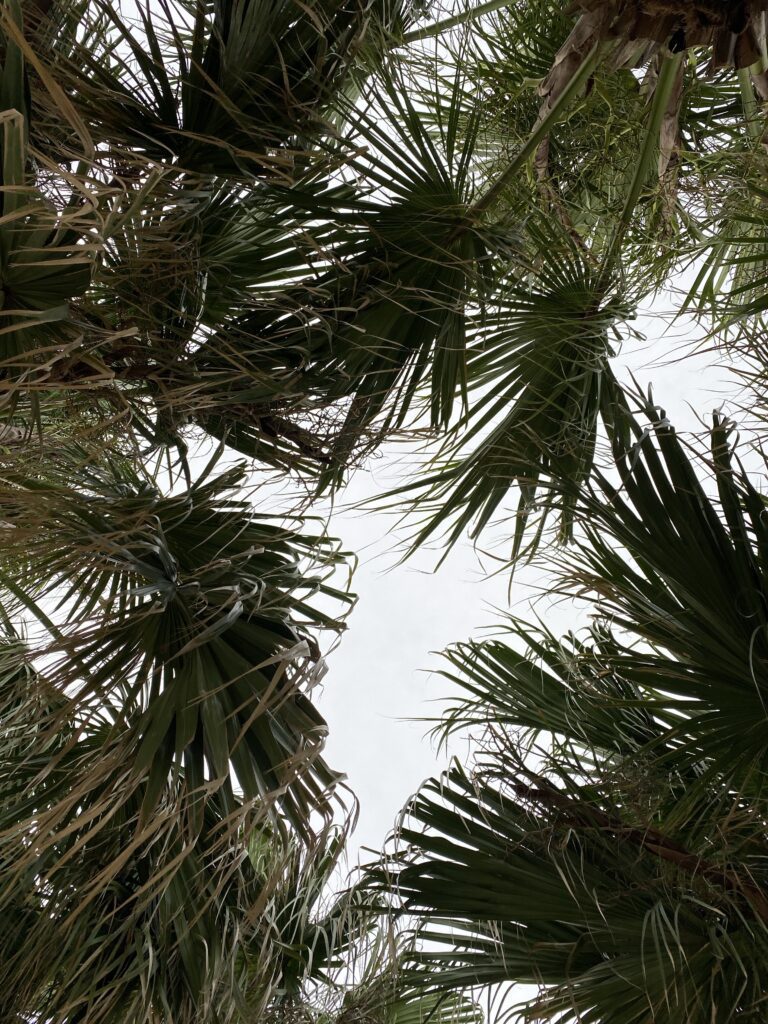
A highlight of the park is its proximity to the iconic Phoenix Road, a scenic drive lined with palm trees that adds to the tropical feel of Miyazaki’s coastline. The sunsets here are particularly spectacular, with the sky painted in hues of orange and pink as the sun dips below the horizon, creating a perfect end to the day.
Where to Stay in Miyazaki
Finding the right place to stay in Miyazaki can make your visit even more special. Whether you’re looking for a luxurious retreat, a cozy ryokan, or a budget-friendly spot, the region offers a variety of accommodations to suit every traveler’s needs.
Best Hotels in Miyazaki:
- Miyazaki Daiichi Hotel – offers comfortable accommodations featuring large male public baths with a sauna, a female stone sauna, and complimentary amenities such as shochu, beer, popcorn, and baked sweet potato.You can enjoy a breakfast buffet with Japanese and Western dishes, including local specialties, and access free WiFi throughout the property. Rooms are simply decorated with Simmons beds, flat-screen TVs, work desks, and en suite bathrooms with hairdryers and toiletries. The hotel’s 24-hour front desk provides free luggage storage, while amenities include bicycle rentals, a coin launderette, and a lobby offering 15 complimentary drink options.
- JR Kyushu Hotel Miyazaki – features Western-style rooms with free wired internet. Each room features carpeted floors, an electric kettle, refrigerator, flat-screen TV, and an en suite bathroom with a bath and shower. Amenities include a 24-hour front desk, a coin launderette, and a restaurant serving a daily breakfast buffet.
- Hotel JAL City Miyazaki – provides bright, air-conditioned rooms with free WiFi, featuring flat-screen TVs, fridges, air purifiers, and en suite bathrooms with bathtubs and toiletries. The hotel offers a 24-hour front desk and access to nearby paid parking. You can enjoy Japanese and Western options at the breakfast buffet or dine on Western cuisine for lunch and dinner at Brasserie Bernerd.
Best Hostels in Miyazaki:
- Aoshima Guesthouse – offers traditional Japanese-style accommodations with tatami mats, available as private or dormitory rooms. The guest house is conveniently close to surf spots, fishing points, and local spas, as well as public transportation, being just a minute’s walk from both the Aoshima bus stop and train station. Welcoming international guests, the property provides English-speaking staff for a comfortable stay.
- Cactus Inn – provides air-conditioned rooms with shared bathrooms and family room options. The property features a shared kitchen, shared lounge, and free WiFi throughout. You can enjoy activities like fishing, with bike rentals available for exploring the area. All rooms are equipped with wardrobes for convenience.
- Finecamp Guesthouse Share Room – boasts accommodations with a garden, free private parking, and a shared lounge. You can enjoy free WiFi throughout the property and access to a shared kitchen.
How to Get Around Miyazaki
Getting around Miyazaki is relatively straightforward, with several transportation options to help you explore the prefecture’s beautiful landscapes and attractions. While some destinations are accessible by public transport, others are best reached by car, depending on your itinerary and preferences. Miyazaki has a decent public transportation network, primarily buses and trains, though services may be less frequent in rural areas:
- Trains: JR Kyushu operates the train lines in Miyazaki. The JR Nippo Main Line connects major cities like Miyazaki City and Nobeoka, while smaller lines, such as the JR Nichinan Line, take you to attractions like Aoshima and Obi.
- Buses: Local and intercity buses serve a wide range of destinations, including Takachiho and Saitobaru Burial Mounds. While buses are reliable, schedules can be limited in remote areas, so it’s best to plan ahead.
- Car: For maximum flexibility, renting a car is highly recommended, especially if you plan to visit rural areas like Takachiho Gorge, Kaeda Valley, or Cape Toi. Miyazaki’s roads are well-maintained, and driving allows you to explore at your own pace. Rental car agencies are available at Miyazaki Airport, Miyazaki Station, and other major hubs. A valid international driving permit (IDP) is required for foreign travelers.
- Taxis: Taxis are available in urban areas and at major transportation hubs, though they can be expensive for longer distances. They’re a good option for short trips or when public transport schedules don’t align with your plans.
- Cycling: Miyazaki’s mild climate and scenic routes make cycling an enjoyable option. Several places, such as Aoshima and Miyazaki Seaside Park, are bike-friendly, and some locations offer rental bikes for visitors.
Best Time to Visit Miyazaki
The best time to visit Miyazaki is spring (March to May) and autumn (September to November) when the weather is most pleasant, and the landscapes are at their most vibrant.
Spring is a wonderful time to visit Miyazaki as the weather is mild and comfortable, with temperatures ranging from 15–25°C (59–77°F). Cherry blossoms bloom in late March to early April, adding a romantic charm to spots like Saitobaru Burial Mounds and Miyazaki Shrine. The air feels fresh, and it’s perfect for outdoor activities like hiking in Kaeda Valley or exploring Takachiho Gorge.
Autumn rivals spring as the best season to visit. Temperatures are similarly mild, ranging from 18–27°C (64–81°F) in early autumn to a cooler 12–22°C (54–72°F) by November. The fall foliage is breathtaking, especially in forested areas like Kenritsuawakigahara Forest Park or near the Teruha Suspension Bridge. The skies are often clear, making it ideal for scenic hikes and exploring Miyazaki’s natural beauty.
Plan Your Trip to Japan | Best Travel Resources
Book Your Accommodations
- Booking.com – the world’s leading online booking platform for accomodations around the world, they have an extensive amount of available listings with zero booking fees and best price guarantees.
- Hostelworld – a backpacker’s best friend, Hostelworld has the largest collection of hostels and guesthouses for affordable prices.
Don’t Forget Insurance
- SafetyWing – from Nomad Insurance, an insurance by nomads for nomads. They understand our lifestyle well and have really comprehensive and flexible plans that cater to any traveler.
Find Cheap Flights
- Kiwi.com – my go-to for booking and finding the cheapest flights and it’s helped me save tons of money. They do virtual interlining which is connecting flights from airlines that do not codeshare, so you can find routes that you wouldn’t be able to find normally.
Join Tours & Activities
- GetYourGuide – is one of the best places to find unique tours and activities. I found that it’s an excellent way to meet fellow travelers and create fond memories. They are not only limited to tours as they also offer niche services such as skip-the-line tickets or private transfers.
Catch a Ride
- Rentalcars.com – nothing beats the freedom of the road, Rentalcars.com is the world’s largest online car rental service. They operate across 160 countries so they’re the perfect partner to work with if you find yourself wanting a ride.