Exploring Egypt is a journey filled with awe-inspiring pyramids, vibrant bazaars, and the ever-mysterious Nile. But like any great adventure, it comes with its own set of challenges.
In this article, we’re diving into a practical aspect of your Egyptian travels: staying savvy amidst shady scams.
And I’m not saying that the people in Egypt are a bad apples, far from it as I’ve also experienced so much genuine kindness that in the end the scams I’ve encountered are just specks of dust compared to the overall experience.
But still, while Egypt does enchant with its rich history, no doubt you’ll have to face tricky situations. Especially in places like Cairo and Luxor where I, being the naive backpacker I was back then, always seemed to get caught up in a web of trouble.
But fear not! Being forewarned is being forearmed.
I’m here to guide you through the common scams you might encounter and how to skillfully avoid them. Of course, feel free to learn and laugh at my mistakes!
This isn’t about casting a shadow on the Land of the Pharaohs though, it’s about empowering you to enjoy your journey with confidence and peace of mind.
Table of Contents
Toggle9 Scams in Egypt to Watch Out for

1. Say No to Pyramid Touts
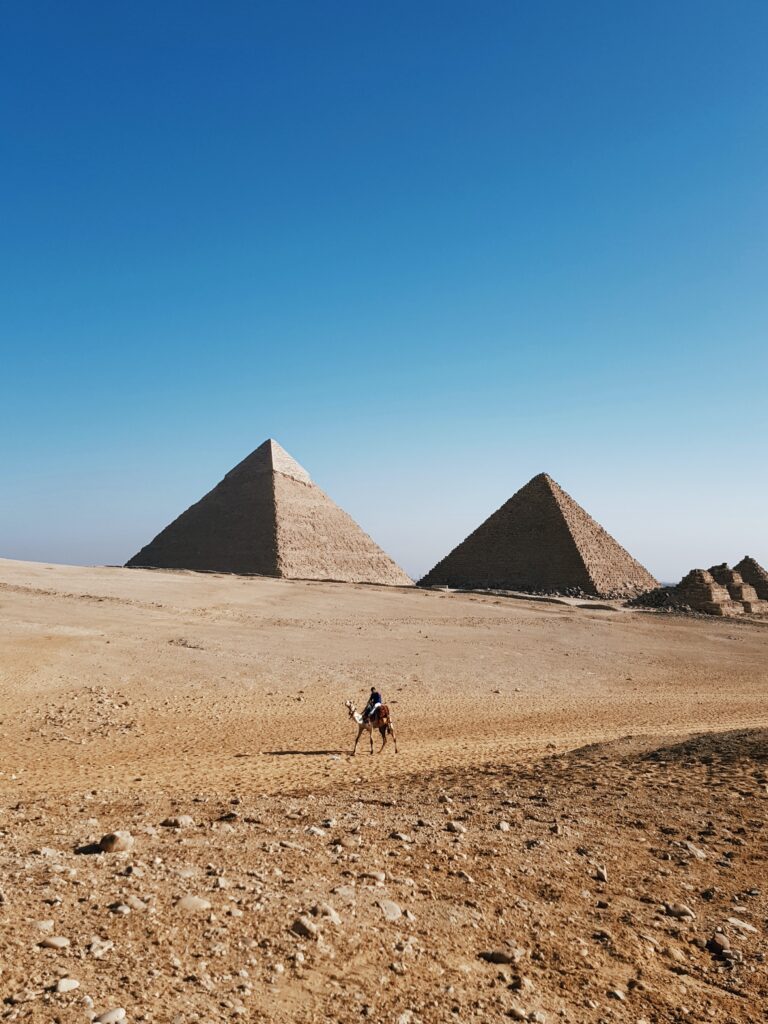
If you go to the pyramids, there is no doubt that you will encounter plenty of touts hunting for prey. Once they see that you are a foreigner, you can rest assured that you are in their sights.
These touts are often persistent, offering guided tours, camel rides, or souvenirs at inflated prices. Their approach can sometimes be overwhelming, especially for first-time visitors. However, this is a common practice in tourist areas worldwide and not just unique to Egypt.
They will always try to make conversation, always with the “Where are you from?” followed by saying “Hello” in your native language if they are familiar to foster a sense of commonality.
It’s all psychological tricks. I encountered many touts saying they have relatives living in Yokohama of all places, after I told them I was from Japan. The more you converse the more they’ll pull you in.
Pro-tips:
- In the end, while touts can be part of the experience, they don’t define it. A clear “No, thank you” is often enough.
- Maintain a firm tone without being rude. Avoid engaging in lengthy conversations as this might be seen as an interest. You might have to do this a dozen of times as you go around the Pyramid but it is what it is.
2. Got IDs?
I was walking around the Pyramid’s perimeter until somebody called my attention, I had thought I was in a place that I wasn’t supposed to and he started telling me that he was a government official tour guide and showed me his ID and invited me for a “free” tour.
I already had my doubts but since he said it was free, off I went. You must be already doing a face-palm by now but hey, I was quite young and Egypt was literally the third country I backpacked in. Coming from Japan, I was too trusting of people. (And I still choose to see the good in everyone to this day!)
As the tour progressed, it became clear that it wasn’t as “free” as I had been led to believe.
Sure, he took some photos, showed me some places like the Khufu ship and the entrance into some pyramids but soon enough, came the demand for a huge fee. Imagine my face, finding out the free tour wasn’t free (haha). We argued for a bit and I haggled the price but, it was definitely a learning experience for me.
Pro-tips:
- Remember, if something sounds too good to be true, it probably is. Be cautious of anyone offering free tours, especially if they approach you unsolicited.
- And if something feels off, trust your gut. Don’t be afraid to flatout refuse and walk away if you’re uncomfortable.
3. Camel Rides are Never What They Seem
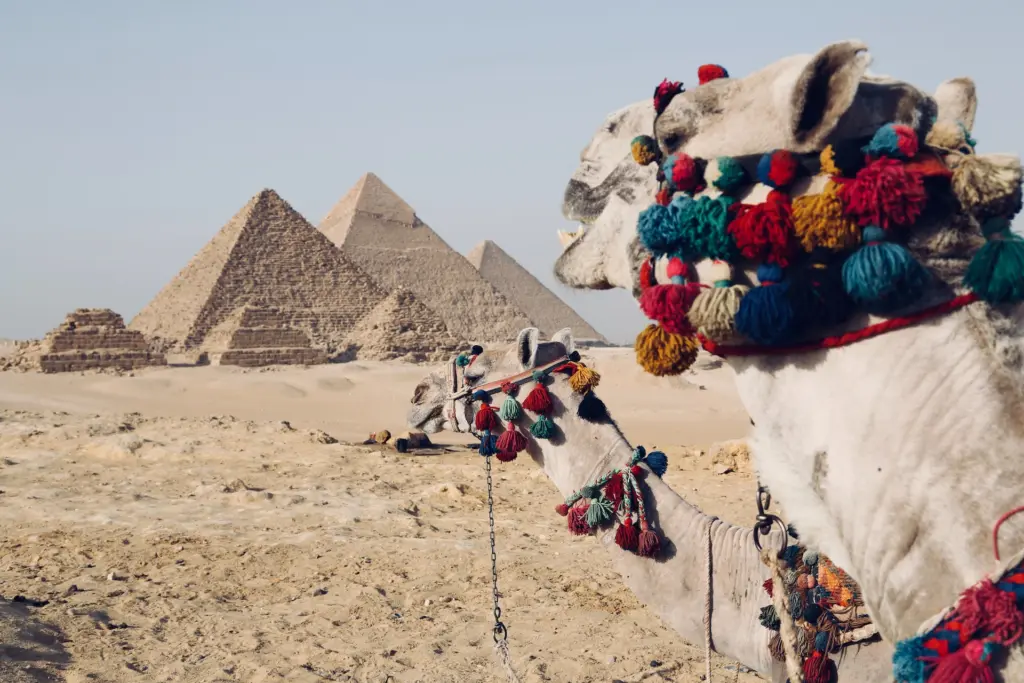
Now, there were camels, and the aforementioned tour guide said I could ride them, but I didn’t want to because I knew it wasn’t going to be free. However, he insisted it was part of the tour. As I got on it, he took me far away from all the people and even the pyramids themselves.
He took a photo of me and suddenly asked me for 300 EGP, and there was no way I was going to pay that, so we argued until he settled for 50 EGP. I walked away while he hurled some curses at me.
It was really a difficult situation looking back because the camels are actually quite tall, so it’s hard to get off on my own. Plus, I was in a very far away place and couldn’t really find someone to help me out. I’m not sure if it was a planned strategy, but I can see how effective it can be, especially since I was alone.
I even heard a story from another Couchsurfer in Alexandria that there were European girls who were charged up to 200 EUR for a camel ride.
Pro-tips:
Always confirm and agree on a price before you take any service, especially the infamous camel rides.
Stay in more public areas, this ensures you have people around in case the situation becomes uncomfortable.
If you find yourself in a situation similar to mine, don’t hesitate to call for help (though I was far from any help), but I have heard the locals will always be ready to help troubled foreigners.
4. The Museum is Closed, Said the Taxi Driver
It was burning hot in Luxor, and I was later stopped by a taxi driver who was offering me a ride for an exorbitant amount and I quickly declined and opted to walk, but the heat was really getting to me and he kept on tailing me, giving me lower prices and the sweet temptation of air-condition.
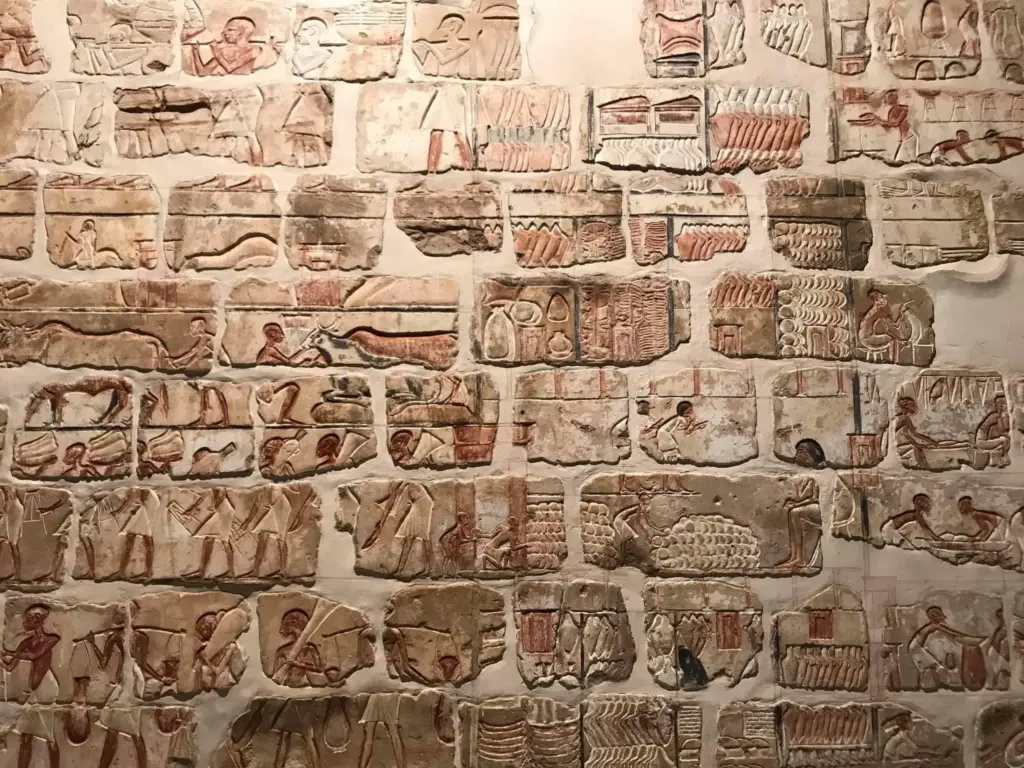
I succumbed and got on, he took me to the Luxor museum and apparently it was “closed” and wasn’t opening until much later in the day due to some “holiday”. As usual, I believed him.
I wanted to just wait by the Nile and just chill but he had other plans and offered me a felucca boat ride to visit Banana Island and Crocodile Island to pass the time. I already had a bad feeling about where this was going as it usually spirals into something more in such a touristic town.
And indeed, the pattern was all too familiar: a seemingly helpful offer quickly turning into another ploy to make money. These situations can escalate, leading you further away from your original plans and into more expensive and uncomfortable situations.
Pro-tips:
Always check the opening hours and days of major attractions yourself, either online or through a reliable local source. Don’t rely solely on the word of taxi drivers.
Being aware of the general taxi fares in the area can help you negotiate better and avoid being overcharged. If told about closures or special events, still try to verify independently, maybe by asking a passerby, another local vendor, or checking at a nearby hotel.

5. To Go on a Felucca
The taxi driver then went to pick up his friend who apparently was the boat owner. They took me to the docks and on the way, we started negotiating and agreeing on 70 EGP. When we got to the docks, the taxi left. I then found myself sitted on the boat and right after it had sailed off the price changed to 300 EGP but with a promise of being dropped of near Luxor Museum instead.
I can’t believe I keep on getting caught by these scams and perhaps it was straight up lying at this point. I felt really bad but at the same time, but I was already there. So I just went with it.
It took a while and we arrived on the island, so basically there were some banana plantations and they gave us some bananas to eat thus Banana Island, and Crocodile Island is also inside the same place because there was one crocodile cooped up in a hole, which was really sad to see.
There were other animals as well, horses and monkeys but seeing caged animals just made things worse. We eventually returned back, and the boatman went back on his word as they told me they would drop me off near Luxor Museum but they took me back to the docks instead.
This left me right back where I started, further away from the museum.
Now I had to do the walk again in the blazing heat while being approached by more felucca boat ride peddlers.
Pro-tips:
- As always, do negotiate and agree on a price before starting any service but this time have it in writing if possible because I learned the hard way that they can still change the price even after it’s agreed.
- If someone tries to change the price of the service once it has started, remain firm with the originally agreed terms. Don’t feel pressured to accept the new, often inflated, prices.
- Be cautious if your taxi driver insists on taking you to a “friend” who owns a boat or any other service. These are often setups for scams.
6. Donkey Rides
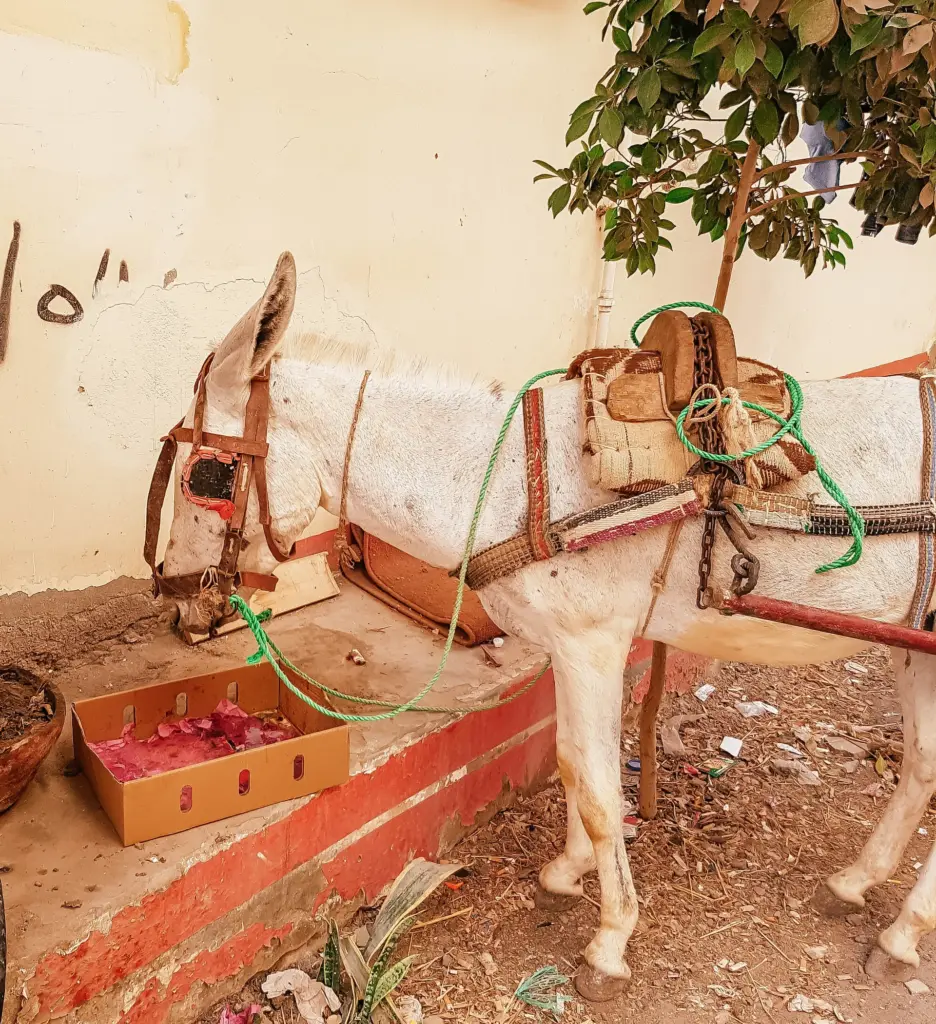
On the way to the museum, a donkey-drawn carriage driver offered me a ride for a measly amount and I had to triple check if that’s the final price. We agreed and he took me to the museum and let me use the reigns on the donkey too. It was quite fun but looking back, I realized it wasn’t the most ethical thing to do. The donkeys of Luxor weren’t exactly the treated well.
He then told me that he had to make a stop at one of the shops to “feed the donkey” as it was already quite tired and hungry. My soft spot. I agreed and lo and behold we ended up in a souvenir shop.
Pretty high-class ones too, I promised myself I wouldn’t buy anything and he told me to come back after I’ve taken a look of the place. It was an interesting place with plenty of Egyptian souvenirs like parchment, keychains and statues.
I circled the whole place and the upper floors and went back to the guy.
We finally arrived in the museum and he offered to wait for me, but I had to pay extra, I declined. This time around, I was successful at not getting scammed (all the way).
Pro-tips:
While the ride on the donkey-drawn carriage was fun, it’s really important to consider the ethical treatment of animals used in tourism. In the future, I would think twice before supporting such activities, and I encourage others to do the same.
The tactic of stopping to “feed the animal” are known as sympathy scams. Be aware of these strategies.
- If you find yourself in a shop or situation where there is pressure to buy, remember that you are under no obligation to make a purchase. Stay firm in your decision.

7. Shutterbugs Beware
The next day in Luxor, our first stop was the Valley of Kings. Our tour guide (a real one this time) had already forewarned us about the touts inside and the unofficial rules for photography.
Technically, we had to get a photo permit which is actually several times more expensive than the actual tickets, and that wasn’t included in the tour price. But if you wanted to, you could as long as you don’t get caught. (Words from our tour guide). He encouraged us to just bribe (or give bhaksheesh if you want to call it that) with a minimum of 20 EGP if we do get caught.
There were 3 tombs we were able to dive in to, the hieroglyphics and just how ancient they were enough to make me marvel at them. The tombs were strictly no pictures, and there were “guards” lurking about literally asking for and checking the phones of tourists. People took pictures and sometimes they got away with it, sometimes they didn’t.
Anyways, I was both the former and the latter. In the first 2 tombs, I got some nice photos, but the last one, a guy approached me and asked to check my phone. I don’t know why I obliged to give it to him but I didn’t exactly know how to refuse either. I felt like I would have looked just as suspicious.
He saw some the photos and counted them and asked for 20 pounds for each photo. I offered to delete it but he wasn’t having it so I tried to stall as much as possible and just told him to meet my tour guide outside the tomb instead, so I dragged him all the way up as he offered me to pay him less, but I just climbed all the way up the tomb. At least, he had to work for it.
My tour guide and the guy started to argue and I paid him off with just 20 pounds. The pics weren’t even that good, to be honest.
Pro-tips:
While it might be tempting to sneak photos in restricted areas, you can either learn to respect the rules or take the calculated risks.
While bribery, or “baksheesh” as it’s locally known, might seem like a quick fix, it can perpetuate a problematic system. If a guide suggests something that goes against your ethics, it’s still okay to choose a different path.
If you’re approached by a guard, stay calm and polite. If you’re caught in a rule-breaking act, it’s better to apologize and comply with their requests rather than making a scene.
8. Tour Scams from the Hotel
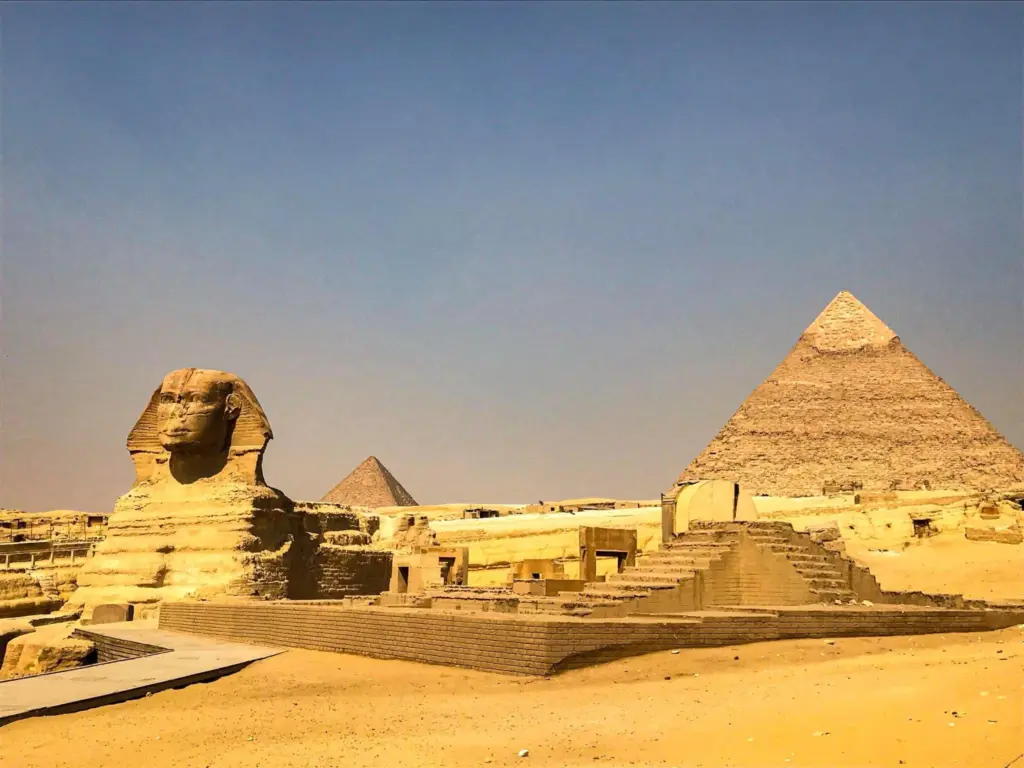
This scam I luckily didn’t experience myself but my good friend Jeremie unfortunately did. We met in Israel and traveled together to Palestine, and while he was in Egypt his hotel charged him 110 EUR to take him to the pyramids and back, he negotiated to 70 EUR instead which was the price he saw on TripAdvisor but dang, that’s still expensive as heck.
Along the way, he also incurred plenty of additional costs for services. I guess, if going with an “official” tour is something that you really must do then you can go for it, but I think this is really a robbery price.
My whole trip to the pyramids probably cost around 100 EGP (5 USD, not including the scams) and I recommend just using Uber to get there. Saves a lot of time and money, heck I even used it to visit the Pyramids of Dashur.
Pro-tips:
Do your homework! Before agreeing to any tour package, check platforms like TripAdvisor to get an idea of the average prices. This information can be invaluable in negotiations or in deciding whether to book through the hotel or independently.
Be aware that some tours, even after negotiation, might include hidden costs for services along the way. Clarify what’s included in the tour price.
Sometimes, exploring on your own can not only save money but also offer a more authentic experience. Planning your own trip allows for flexibility and the chance to discover places at your own pace.
9. Sheesh, Baksheesh
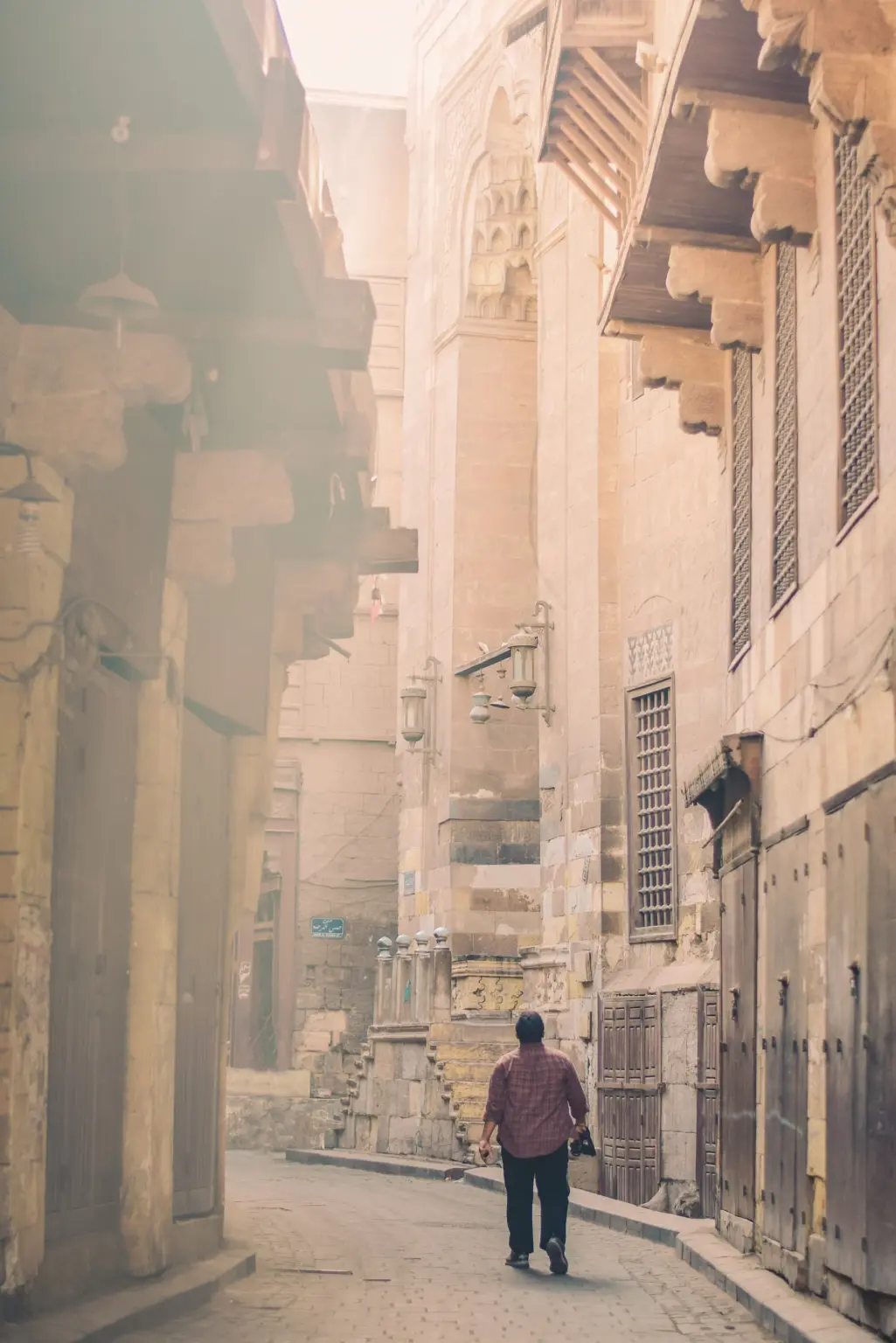
As my journey through Egypt unfolded, I encountered an aspect of the Egyptian culture that was really challenging to navigate – the concept of “Baksheesh.”
It’s a term that travelers to Egypt quickly become familiar with, referring to the expectation of a “tip” for any service, for any opportunity, even the most menial ones.
In many instances, “baksheesh” seems to permeate almost every interaction. Whether it’s someone putting your bags on the bus, a local giving directions, or even someone volunteering to take your photo (don’t ask anyone to take your photos too), there’s often an underlying expectation of a financial reward.
From my perspective, the essence of human connection becomes somewhat diluted when every small favor is attached to a monetary expectation. The beauty of travel, to me, lies in those unscripted moments of kindness and connection that transcend money.
When every interaction ends with an outstretched hand expecting payment, it feels like the warmth of human kindness gets overshadowed by a transactional mindset.
This isn’t to say that tipping for services is inherently wrong. In many cultures, tipping is a way of showing appreciation for good service. However, the expectation of “baksheesh” for even the most trivial of services was something that stood out during my time in Egypt.
Pro-tips:
Recognize that “baksheesh” is a deeply ingrained part of the service culture in Egypt. It’s often expected for a wide range of services, big or small.
Keep a supply of small bills and coins handy. This makes it easier to give a modest tip without overpaying or finding yourself in a situation where you have to ask for change.
If you feel that a tip is being unfairly solicited, or if you didn’t ask for the service provided, learn how to say no politely but firmly. “La shukran” (No, thank you) in Arabic can suffice.
Understanding the local economic situation can provide perspective on why “baksheesh” is so prevalent. You can read more about that in my article on it here.
Reflection
My journey through Egypt has been nothing short of a profound learning experience. Each encounter contributed to a richer understanding of both the world and myself.
More importantly, these challenges have deepened my appreciation for the beauty of Egypt. Beyond the scams and the hustle lies a land steeped with people just living out their lives. A stark contrast to my life in Tokyo, and in some ways I can understand why things are the way they are and really appreciate the things I also take for granted back home.
Still, while being aware of the potential scams is crucial, it’s equally important not to let these overshadow the beauty of the place you are visiting. A lot of travelers nowadays try to avoid Egypt altogether because of stories like this but my goal is not to further contribute to that stigma but to shed light that while it’s certainly present, there is still so much more to discover that it’s really worth the trip.
And now that you’re equipped with the right knowledge, I encourage you to approach such journeys with an open mind and heart. Embrace the challenges as part of the journey. Let them teach you, shape you, and leave you with stories that enrich your understanding of the world.
Travel mindfully, respect the local customs, and immerse yourself in the new experiences – the good, the challenging, and everything in between.
Egypt, with all its complexities, is a reminder of why we travel – not just to see new places, but to experience, learn, and grow.
Here’s to exploring new cultures, to the adventures that await, and to the endless lessons that travel brings our way.
Plan Your Trip to Egypt | Best Travel Resources
Book Your Accommodations
- Booking.com – the world’s leading online booking platform for accomodations around the world, they have an extensive amount of available listings with zero booking fees and best price guarantees.
- Hostelworld – a backpacker’s best friend, Hostelworld has the largest collection of hostels and guesthouses for affordable prices.
Don’t Forget Insurance
- SafetyWing – from Nomad Insurance, an insurance by nomads for nomads. They understand our lifestyle well and have really comprehensive and flexible plans that cater to any traveler.
Find Cheap Flights
- Kiwi.com – my go-to for booking and finding the cheapest flights and it’s helped me save tons of money. They do virtual interlining which is connecting flights from airlines that do not codeshare, so you can find routes that you wouldn’t be able to find normally.
Join Tours & Activities
- GetYourGuide – is one of the best places to find unique tours and activities. I found that it’s an excellent way to meet fellow travelers and create fond memories. They are not only limited to tours as they also offer niche services such as skip-the-line tickets or private transfers.
Catch a Ride
- Rentalcars.com – nothing beats the freedom of the road, Rentalcars.com is the world’s largest online car rental service. They operate across 160 countries so they’re the perfect partner to work with if you find yourself wanting a ride.