The Tharu people are known as the guardians of the forest.
An indigenous community inhabiting the southern foothills and inner Terai regions of Nepal, particularly the vibrant expanse of Chitwan.
This article ventures into the heart of their land, where the Tharu have thrived for centuries, maintaining a symbiotic relationship with the dense forests and riverine landscapes that define their environment.
Through stories passed down over generations, we explore how the Tharu preserve their cultural identity and ecological wisdom, continuing to celebrate a life intertwined with the earth.
Table of Contents
Toggle
History of the Tharu
Archaeological evidence and historical texts suggest that the Tharu have been inhabitants of the Terai region for centuries, possibly dating back to the early medieval period. (See also: the Newari and Gurung)
Genetic studies indicate that the Tharu display a remarkable genetic diversity, suggesting a long period of isolation and adaptation to the local environment. This adaptation includes a noted resistance to malaria, a trait that has historically allowed them to inhabit and thrive in the malaria-prone jungles of the Terai where others could not.
The Tharu’s lineage is thought to have connections to the Rajput families of northern India, who migrated to escape the constant turmoil of the Indian subcontinent around the 16th century. Their integration into the local ecosystem was facilitated by their unique agricultural practices, optimized for the wet and wooded landscapes of the Terai. This includes their traditional “digo” farming system, a sustainable method that integrates crops, trees, and livestock without depleting resources.
Cultural Concepts of the Tharu
Forest Kinship
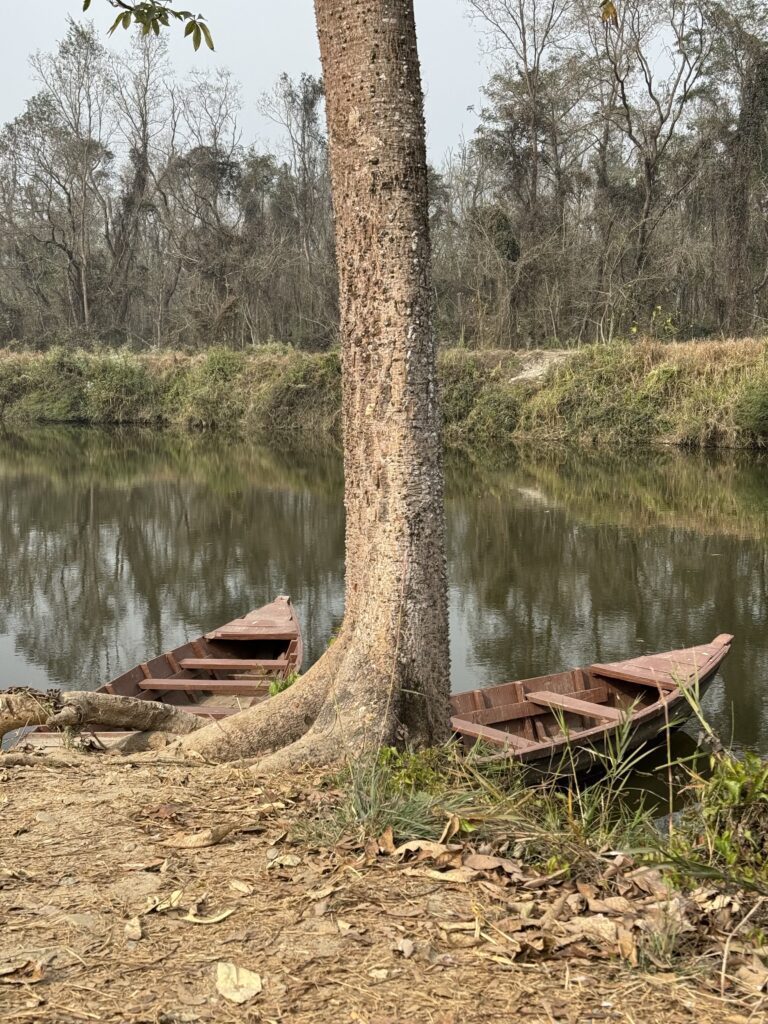
One of the fundamental cultural concepts among the Tharu is their deep kinship with the forest, which they view as both a provider and protector. This relationship goes beyond utilitarian use; it shapes their cultural identity and spiritual beliefs. The forest is often personified and revered as a living entity that shares a reciprocal relationship with the people.
Gender Fluidity
Unlike many traditional societies, the Tharu have a more fluid concept of gender roles. Women and men often share tasks such as farming, house building, and participating in rituals, although there are distinctions in some areas. This fluidity allows for a more equitable distribution of labor and social responsibilities, contributing to a balanced social structure.
Spiritual Ecology
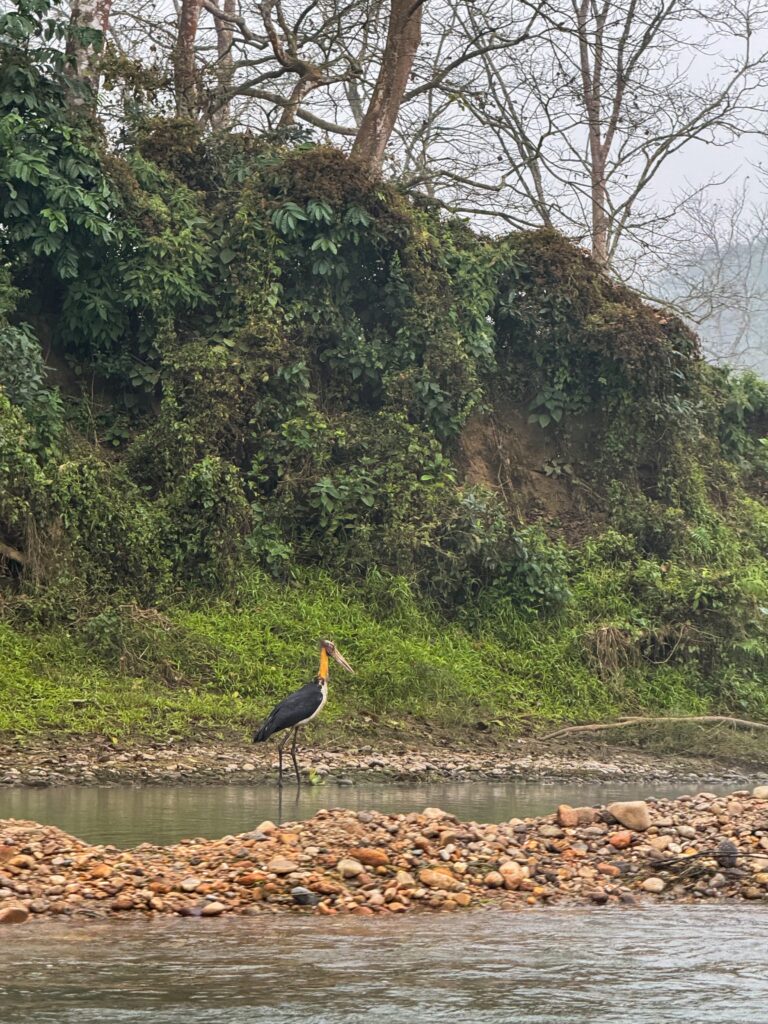
The Tharu integrate their spiritual beliefs with ecological practices, a concept known as spiritual ecology. This involves viewing the natural world as sacred and imbued with spirits, leading to rituals and practices that honor these spirits to ensure ecological balance and community well-being. This concept is evident in their rituals for planting, harvesting, fishing, and even daily activities that involve natural resources.
Cyclical Concept of Time
The Tharu view time in a cyclical rather than linear fashion, which influences their agricultural practices, festivals, and religious ceremonies. This concept reflects their close ties to the natural cycles of seasons, moon phases, and life cycles, emphasizing a recurring pattern of renewal and regeneration.
What is the Religion of the Tharu?
The Tharu people practice a unique blend of animism, Hinduism, and nature worship. Their religious beliefs are deeply entwined with their daily lives and cultural practices, emphasizing a harmonious existence with nature.
Animism forms the core of Tharu spirituality, with a strong belief in the presence of spirits in various natural elements like trees, rivers, and animals. Hinduism also plays a significant role in Tharu religion, particularly through the worship of Hindu gods and goddesses such as Durga, Shiva, and Vishnu.
What are the Traditions of the Tharu?

Badaghar
Tharu traditional homes, known as “Badaghar,” are made with local materials such as mud, wood, and thatch. These materials keep the house cool during the hot summers and warm in the winters. The houses are often raised on stilts to protect against flooding during the monsoon season.
Godhana
Tharu homes are often adorned with intricate mural paintings known as “Liphan” or “Godhana.” These murals are painted by the women of the household using natural dyes made from rice powder, mud, and cow dung. The designs are symbolic, featuring motifs of animals, gods, and scenes from daily life. This tradition is not only a form of artistic expression but also believed to bring good luck.

Elephant Coexistence
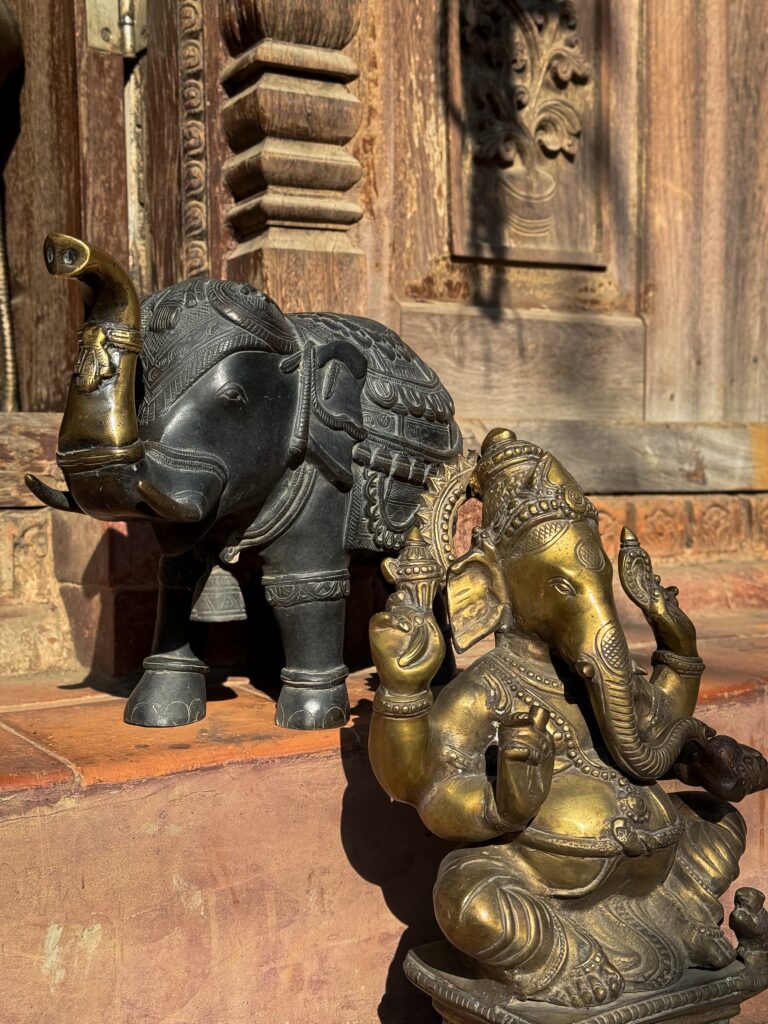
Given their proximity to forested areas where wild elephants roam, the Tharu people have developed specific rituals to coexist peacefully with elephants. These include specific offerings to the elephant god, Ganesha, to prevent elephants from damaging crops or entering village areas.
Dhami
The Tharu community often relies on traditional healers known as “Dhami” or “Jhankri,” who perform rituals to heal physical and spiritual ailments. These healers use a combination of chants, herbs, and animal sacrifices to expel evil spirits or cure diseases.

Tharu Traditional Dance
Tharu traditional dances are integral to their cultural expression, reflecting their close bond with nature and community life:
- Sakhiya Dance: This dance is a communal activity that usually takes place during the harvest season. Men and women form circles, holding hands or linking arms, and move in coordinated, rhythmic steps to the beat of drums. The dance celebrates the community’s hard work and the bounty of the harvest.
- Jhumra Dance: Jhumra is performed mainly during the Dashain festival, Nepal’s most significant Hindu festival. It features complex footwork and syncopated rhythms, expressing joy and festivity. Dancers wear traditional attire, and the performance includes both men and women.
- Maghiya Dance: Coinciding with the Maghi festival, this dance marks the change of season and is a thanksgiving for the past year’s fortune. The dance movements mimic daily activities like fishing and farming.

Tharu Traditional Music
Tharu instruments are often handmade, using materials readily available in their environment, and each carries a distinct sound that echoes the natural harmony of the Tharu’s surroundings:
- Dhol: A large cylindrical drum played with two sticks, the dhol is a staple in Tharu music, providing the base rhythm for most dances.
- Madal: Similar to the dhol but smaller and more portable, the madal is played by slinging it over the shoulder and tapping it with the palms.
- Bansuri: A type of bamboo flute, the bansuri is used in Tharu music for its sweet and melodious tunes. It often carries the melody in a musical composition, complementing the rhythmic beats of the drums.
- Murli: Another type of flute, the murli is smaller than the bansuri and produces a higher-pitched sound.
- Jhyali: This is a type of cymbal used in Tharu music to add sharp, punctuating sounds to the rhythm, enhancing the lively tempo of dance performances.

Tharu Cuisine
Tharu cuisine is a vivid reflection of the community’s deep connection with their natural environment, utilizing locally sourced ingredients to create dishes that are both nutritious and flavorful. Their diet predominantly consists of what the lush forests and fertile lands of the Terai region have to offer, making their food distinctly regional and seasonal.
- Dhikri and Ghonghi: A unique and traditional Tharu dish, Dhikri consists of rice flour dumplings, which are often served with Ghonghi, an edible snail that is collected from the wetlands. The snails are thoroughly cleaned and cooked with turmeric, garlic, and other spices to make a flavorful curry.
- Sisnoo: This is a nettle soup known for its health benefits, including high levels of iron. Sisnoo is made by cooking stinging nettles with spices and sometimes adding potatoes or beans to the broth.
- Bagiya: Bagiya is a steamed dumpling made from rice flour, filled with molasses and grated coconut, and wrapped in Sal leaves.
- Sidhara: A mixture of fermented fish and taro leaves.
What is Tharu Language like?
The Tharu people speak various dialects, collectively referred to as Tharu languages, which are part of the larger Indo-Aryan language family. The specific dialects vary significantly across different Tharu communities, influenced by their geographical distribution across Nepal and the adjacent Indian border regions. These dialects include Chitwani Tharu, Dangaura Tharu, Rana Tharu, and others, each with distinct linguistic features but sharing common roots.
Tharu languages are generally not written but are orally transmitted, with a rich tradition of storytelling, folklore, and songs that play a crucial role in preserving their cultural heritage.
However, the lack of a written script means that much of the Tharu literature and historical records are vulnerable to loss as oral traditions fade with modern influences and younger generations shifting to more dominant languages like Nepali and Hindi for education and communication.
Traditional Tharu Festivals
Maghi
Maghi, marking the start of the new year according to the Tharu calendar, is one of the most important festivals. It’s a time for family reunions, much like New Year celebrations worldwide. Tharu people clean and decorate their homes with drawings and patterns using rice paste. A distinctive feature of Maghi is the appointment of a new village chief or the renewal of the existing chief’s term, which involves a village gathering where community issues are discussed and resolutions made for the new year.

Chhath
Chhath is a significant festival dedicated to the sun god, Surya, reflecting the Tharu’s deep respect for natural elements that sustain life. It is celebrated six days after Diwali and involves rigorous rituals including fasting, abstaining from drinking water, standing in water for long periods, and offering prayers and food to the setting and rising sun. The offerings include sweets, fruits, and homemade delicacies placed on large, round trays made of bamboo.
Dashain
Dashain is the longest and the most auspicious festival in the Tharu calendar, as well as across Nepal. It spans 15 days, with the most significant celebrations occurring on the first, seventh, eighth, ninth, and tenth days. Each day has its own rituals and significance, but the tenth day, “Vijaya Dashami,” is the most important. On this day, Tharu elders apply a red tika (a mix of rice, yogurt, and vermilion) and give blessings to younger family members,. The festival includes the swinging of large bamboo swings called “ping,” which are constructed as part of the celebration and used throughout the festival.

Customs of the Tharu
Here are some notable customs that are specific to the Tharu community:
- Hospitality is a key aspect of Tharu culture. Guests are treated with high respect and offered the best of what the household has. A customary greeting involves offering a small towel and water to wash hands and feet, symbolizing a warm welcome and purification before entering the home.
- When a child is born in the Tharu community, it is celebrated with a naming ceremony held several days after the birth. The ceremony includes blessings from the elders and the community, and often, a local priest or elder will choose the name based on astrological signs and traditional practices.
- In Tharu villages, disputes are often settled through community justice systems rather than formal legal channels. Elders or respected community members act as mediators, and decisions are made based on consensus.
- Tharu marriage customs are intricate and begin with the matchmaking process, which is often facilitated by a village elder. The Tharu practice both arranged and love marriages, but regardless of the type, elaborate rituals are conducted to ensure the compatibility and future happiness of the couple. One unique aspect is the “Nirvana Lila,” where the couple enacts a playful scene from the life of Lord Krishna, symbolizing joy and divine blessing for their union.
Plan Your Trip to Nepal | Best Travel Resources
Book Your Accommodations
- Booking.com – the world’s leading online booking platform for accomodations around the world, they have an extensive amount of available listings with zero booking fees and best price guarantees.
- Hostelworld – a backpacker’s best friend, Hostelworld has the largest collection of hostels and guesthouses for affordable prices.
Don’t Forget Insurance
- SafetyWing – from Nomad Insurance, an insurance by nomads for nomads. They understand our lifestyle well and have really comprehensive and flexible plans that cater to any traveler.
Find Cheap Flights
- Kiwi.com – my go-to for booking and finding the cheapest flights and it’s helped me save tons of money. They do virtual interlining which is connecting flights from airlines that do not codeshare, so you can find routes that you wouldn’t be able to find normally.
Join Tours & Activities
- GetYourGuide – is one of the best places to find unique tours and activities. I found that it’s an excellent way to meet fellow travelers and create fond memories. They are not only limited to tours as they also offer niche services such as skip-the-line tickets or private transfers.
Catch a Ride
- Rentalcars.com – nothing beats the freedom of the road, Rentalcars.com is the world’s largest online car rental service. They operate across 160 countries so they’re the perfect partner to work with if you find yourself wanting a ride.