High in the Peruvian Andes, where the mist shrouds ancient stone structures, lies a mystery etched in the heavens.
Machu Picchu.
The crowning jewel of the Inca Empire, an architectural marvel of an ancient civilization that looked to the stars for guidance.
How did a society, devoid of modern technology, align their sacred city with the cosmos so precisely?
This article dives into the awe-inspiring world of Inca archaeoastronomy, exploring the celestial wisdom that guided the construction of Machu Picchu. We will uncover how the Inca’s sophisticated understanding of the heavens influenced everything from their architecture to their rituals, revealing a culture deeply intertwined with the universe above.
Prepare to journey through time and space as we unravel the secrets of Machu Picchu’s astronomical brilliance.
Table of Contents
Toggle
What is Machu Picchu?
Nestled nearly 8,000 feet above sea level in the heart of the Andes, Machu Picchu stands as a relic of the mighty Inca Empire, constructed during the 15th century under the reign of Emperor Pachacuti. This remote and enigmatic site remained hidden from the world for centuries, shielded by rugged mountain terrain and dense jungle. It wasn’t until 1911 that American historian Hiram Bingham, guided by local farmers, brought Machu Picchu to international attention. What he found was a city seemingly frozen in time, its stone structures still remarkably intact despite the passage of nearly 500 years.
The significance of Machu Picchu goes far beyond its breathtaking location and impressive architecture. It is a window into the world of the Inca, a civilization that, at its height, controlled vast swaths of South America. Today, Machu Picchu is not only a UNESCO World Heritage Site but also one of the most visited tourist destinations globally, drawing millions of visitors who seek to experience its cultural and historical richness.

What is Archaeoastronomy?
Archaeoastronomy is the study of how ancient civilizations understood and utilized the movements of celestial bodies in relation to their culture, architecture, and rituals. It merges the disciplines of archaeology and astronomy to reveal how our ancestors perceived the cosmos and how this perception influenced their daily lives. In many ancient cultures, the sky was not just a backdrop but a living entity, filled with gods, spirits, and omens that dictated the rhythms of life on Earth.
For the Inca civilization, the heavens were a vital part of their worldview. They believed that the movements of the sun, moon, stars, and planets were connected to the cycles of life, agriculture, and even the fate of their empire.
Machu Picchu, with its precise alignments and structures oriented to significant celestial events, serves as a prime example of Inca archaeoastronomy. The city’s design reflects a profound understanding of the sky, with temples and other sacred spaces aligned to mark solstices, equinoxes, and other important astronomical phenomena. Through the lens of archaeoastronomy, we can begin to decode the complex relationship between the Inca and the cosmos, revealing how the stars guided the construction of one of the world’s most fascinating ancient sites.

The Inca Civilization
Inca cosmology was structured around the concept of three interconnected worlds: Hanan Pacha, Kay Pacha, and Ukhu Pacha. Hanan Pacha, the upper world, was the realm of the gods and celestial bodies, a place of light and order. Kay Pacha, the middle world, represented the world of the living, where humans, animals, and plants existed. Ukhu Pacha, the underworld, was the domain of the dead and the unseen, associated with the earth and fertility. These three worlds were not separate but intertwined, with the actions in one affecting the others. They are also represented by the three sacred animals: the puma, the condor, and the snake.
Central to Inca cosmology was the concept of Pachakuti, which embodied the cyclical nature of time and the belief in periodic cosmic upheavals that would reset the world order. The Inca saw time as a series of cycles, each with its own beginning and end, mirrored in the movements of the heavens.
Archaeoastronomical Features of Machu Picchu
1. The Temple of the Sun
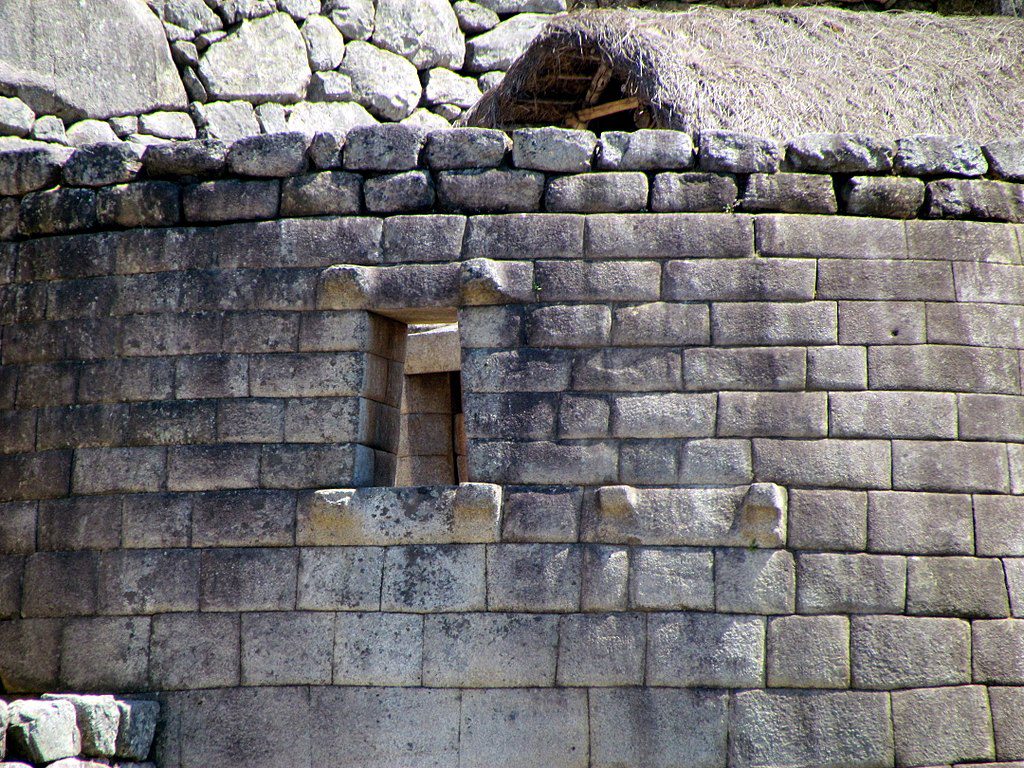
Perched on a natural rock outcrop, the Temple of the Sun was a sacred space dedicated to Inti, the sun god, who was central to Inca religion and considered the divine ancestor of their rulers.
One of the most remarkable aspects of the Temple of the Sun is its alignment with the June solstice sunrise. During the winter solstice in the Southern Hemisphere, which occurs around June 21st, the first rays of the rising sun penetrate a specific window of the temple and illuminate a ceremonial stone within. This precise alignment was not coincidental; it was a deliberate design to mark the solstice, a significant event in the Inca calendar that signaled the time to begin preparations for the next agricultural cycle. The solstice marked the beginning of the sun’s return, symbolizing renewal and the continuation of life, which were critical themes in Inca spirituality.
The Temple of the Sun played a vital role in Inca rituals, particularly those related to agriculture. The Inca believed that by honoring Inti during the solstice, they could ensure the sun’s favor, leading to bountiful harvests and the prosperity of their people.
2. The Three Windows Temple
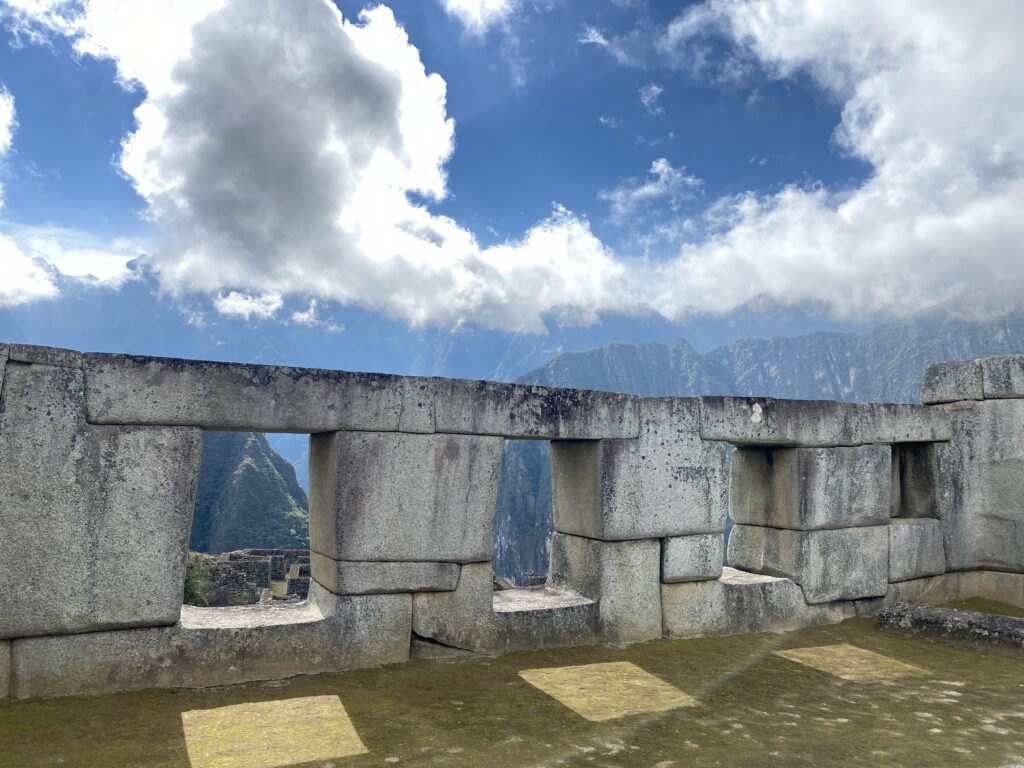
The three windows of the temple are believed to be aligned with the June solstice sunrise. On this day, the first light of the sun shines through these windows, bathing the interior of the temple in light.
Some researchers suggest that the windows frame specific constellations that were important to the Inca, such as the Southern Cross, which is closely associated with their cosmology. The view from the temple may have been used to track the movement of these celestial bodies across the sky, providing the Inca with a way to measure time and predict seasonal changes.

3. The Intihuatana Stone
The Intihuatana is a large, roughly carved stone with a central pillar or gnomon that juts upward. Its name, derived from the Quechua language, means “place to tie the sun,” reflecting its intended function. The stone is situated on a high platform, giving it a commanding view of the surrounding landscape. From this vantage point, it aligns with several key features of the horizon, allowing the Inca to track the movements of the sun throughout the year. The stone is meticulously positioned to interact with the sun’s rays, casting precise shadows that vary with the sun’s position in the sky.
The primary function of the Intihuatana Stone was as a solar clock and calendar. During the equinoxes, the sun stands directly above the stone, casting no shadow at all—a phenomenon that would have been carefully observed by Inca priests. This moment of perfect alignment was likely used to mark the change of seasons, guiding agricultural and ceremonial activities. At other times of the year, the length and direction of the shadows cast by the Intihuatana provided the Inca with critical information about the time of day and the progression of the solar year. This allowed them to plan their agricultural activities, such as planting and harvesting, with remarkable precision.
The Inca believed that by “tying” the sun to the stone during the equinox, they could ensure its return and maintain the cycle of life that was essential for their society’s survival. The stone was intimately connected to Inti, the sun god, who was the most important deity in the Inca pantheon.

4. Winter and Summer Solstices
During the winter solstice, which occurs around June 21st in the Southern Hemisphere, the Inca celebrated Inti Raymi, the Festival of the Sun. This was the most important festival of the year, dedicated to Inti, the sun god, who was believed to be the ancestor of the Inca rulers. As the shortest day of the year, the winter solstice represented the time when the sun was at its weakest, and the Inca feared that it might not return. To encourage the sun’s rebirth and ensure its return to full strength, the Inca performed elaborate ceremonies that included offerings, prayers, and feasts.
Meanwhile, the summer solstice, which occurs around December 21st, was another significant event, though it was generally less grand than the winter solstice. This day marked the longest day of the year and the height of the sun’s power. The Temple of the Sun, for example, is aligned so that during the summer solstice, the sun fully illuminates its interior, creating a powerful visual effect that symbolized the peak of Inti’s strength.
5. Equinoxes
The March equinox, marking the beginning of autumn in the Southern Hemisphere, was particularly important as it coincided with the end of the growing season. It was a time for harvest, when the crops that had been carefully tended throughout the year were gathered. This was a moment of both thanksgiving and preparation, as the Inca would store the harvest and make offerings to the gods to ensure future fertility.
The rituals involved the burning of coca leaves, the pouring of chicha (a fermented corn drink), and other offerings that symbolized the gratitude of the people and their hope for future abundance.
The balance of day and night reflected the Inca’s broader cosmological belief in dualities—such as life and death, light and darkness, male and female—each essential to the other and together creating a harmonious whole. By aligning their practices with the equinoxes, the Inca sought to mirror this natural balance in their own lives, reinforcing the unity between the human, natural, and divine realms.
6. Agricultural Terraces
The movements of the sun, moon, and stars provided a celestial calendar that dictated when to plant and when to harvest, ensuring that their crops thrived in the challenging environment of the Andes.
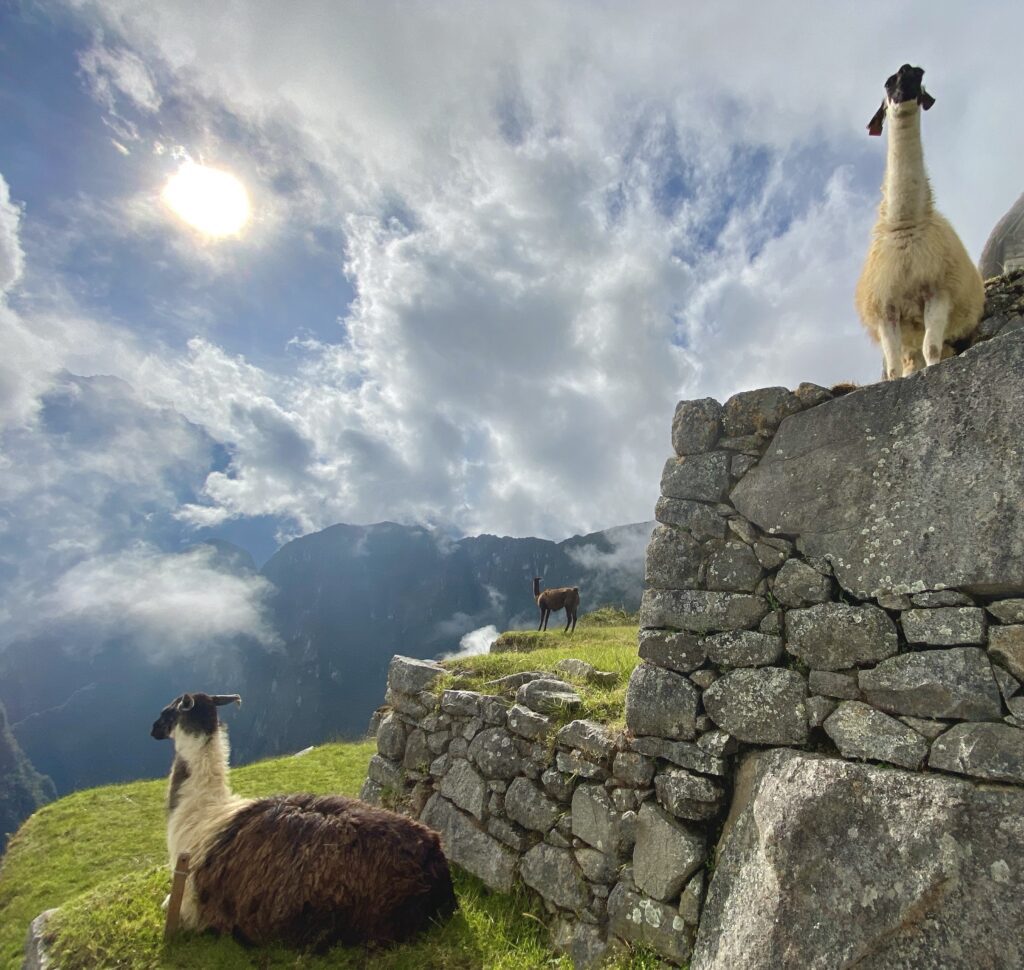
Machu Picchu’s agricultural terraces are a striking example of how the Inca applied their astronomical knowledge to their farming practices. These terraces, carved into the steep slopes of the mountains, were not only feats of engineering but also carefully aligned with the sun’s path. The terraces were designed to capture the maximum amount of sunlight during the growing season, optimizing the conditions for crop growth. The Inca understood that different levels of the terraces would receive varying amounts of sunlight and warmth, allowing them to grow a diverse range of crops at different elevations.
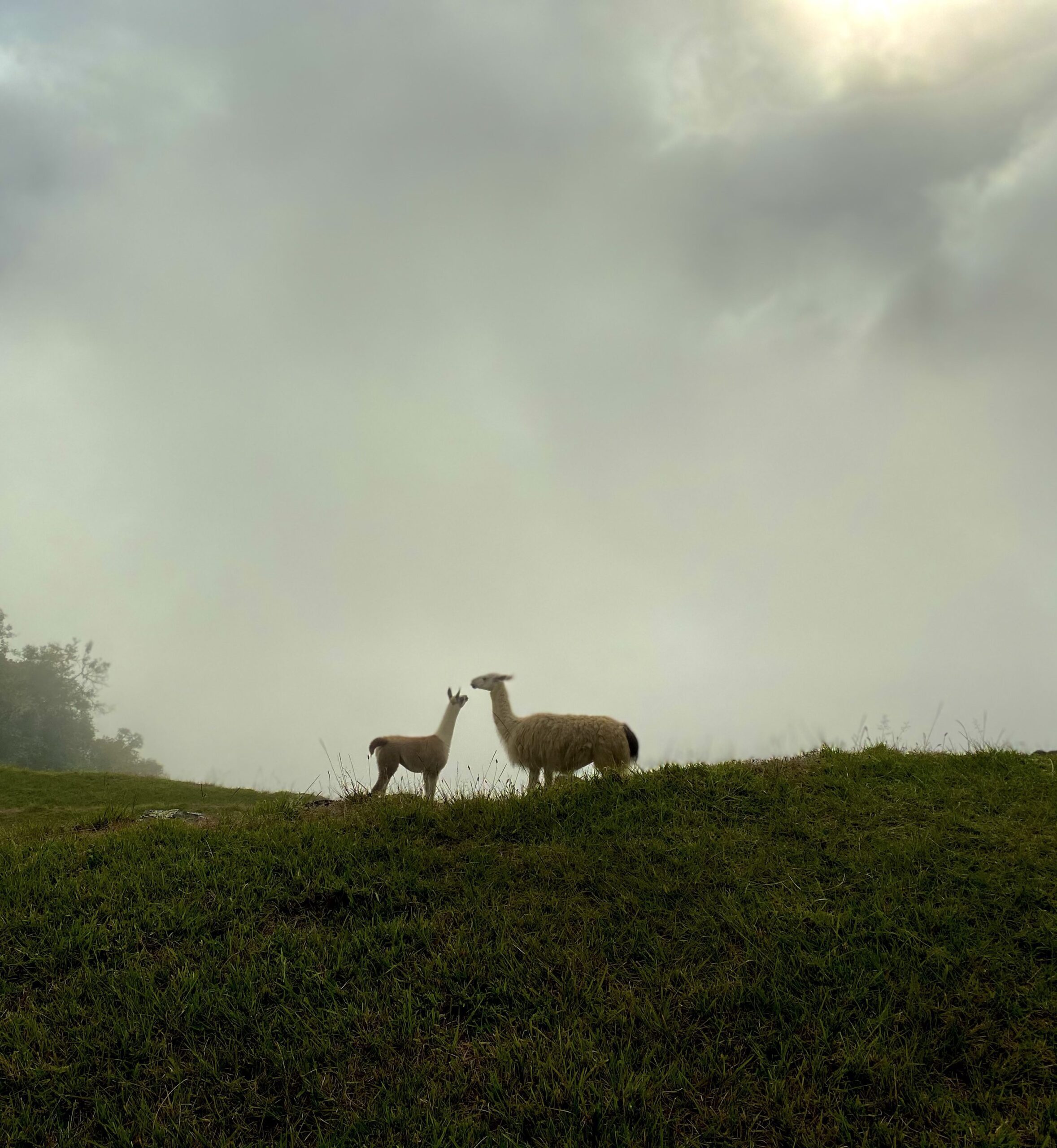
The alignment of the terraces with solar cycles also served another purpose: managing water resources. The Inca ingeniously designed their terraces to capture and distribute rainwater, ensuring that crops received consistent irrigation even during dry periods. The terraces’ alignment with the sun helped regulate the temperature of the soil, reducing the risk of frost and extending the growing season. Nowadays, you will probably see them filled with llamas!
7. The Pleiades
The Pleiades, a star cluster known as “Collca” in the Inca language, held significant symbolic and practical importance in Inca culture.
In Inca mythology, the Pleiades were associated with fertility, abundance, and the renewal of life. The Pleiades were often connected with Pachamama, the earth mother, who was revered as the source of all life. The Inca believed that the appearance of the Pleiades in the sky was a sign from the gods, indicating that the earth was ready to be sown with crops or that it was time to gather the fruits of their labor.
How to Get to Machu Picchu
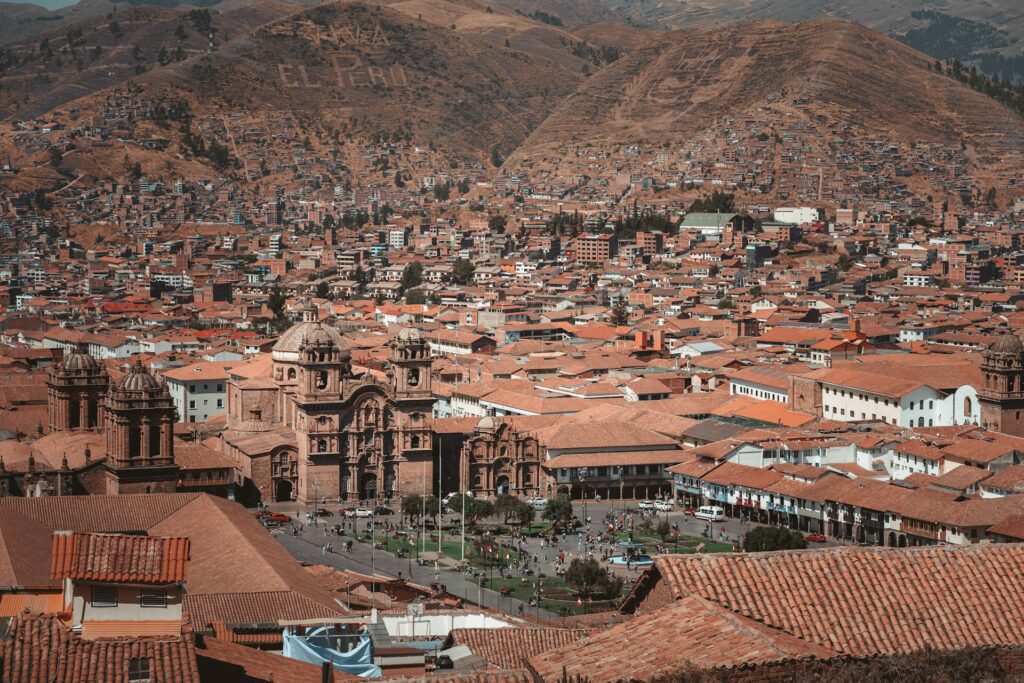
From Cusco
Via Train
1. Train from Cusco to Aguas Calientes:
- Departure Points: The most popular trains depart from either Poroy Station (about 20 minutes from Cusco) or Ollantaytambo Station (about 1.5 hours from Cusco).
- Train Operators: PeruRail and Inca Rail are the two main companies offering service to Aguas Calientes (the town at the base of Machu Picchu).
- Journey Time: The train journey takes approximately 3.5 hours from Poroy or 1.5 to 2 hours from Ollantaytambo.
2. Bus from Aguas Calientes to Machu Picchu:
- Duration: The bus ride from Aguas Calientes to Machu Picchu’s entrance takes about 25 minutes.
- Tickets: You can purchase bus tickets in Aguas Calientes, either in advance or on the day of your visit.
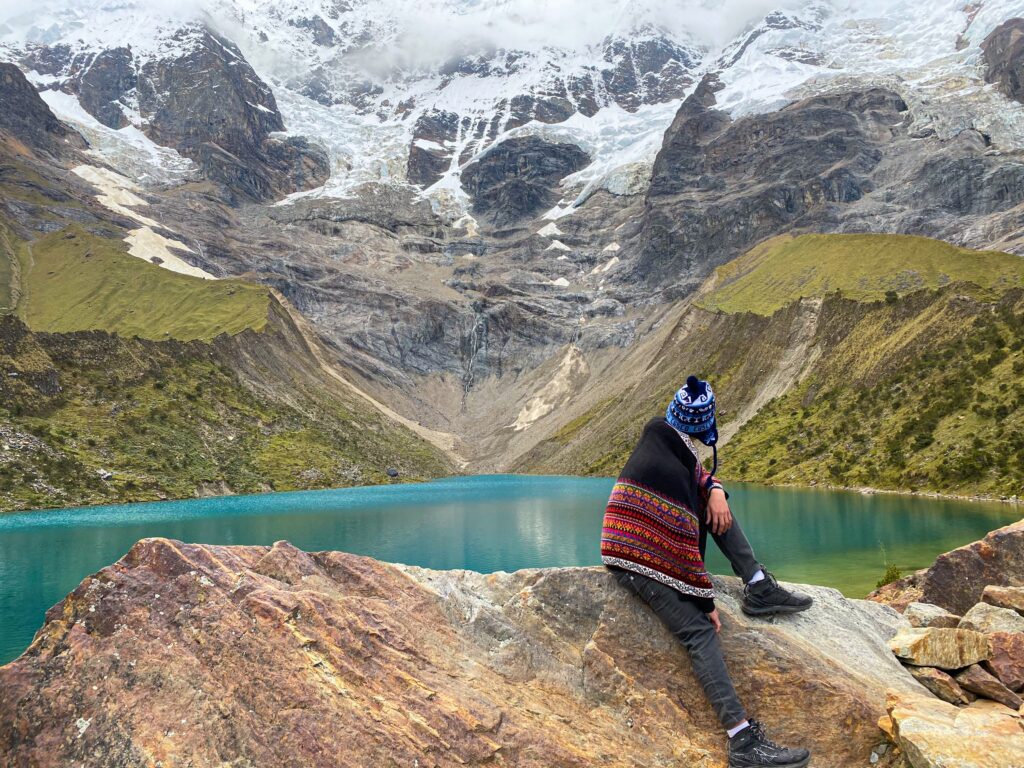
Via Trek
1. Inca Trail: This is the most famous trekking route, following ancient paths that the Inca once used. The trail takes you through diverse landscapes, including cloud forests, alpine tundra, and ancient ruins, before arriving at Machu Picchu through the Sun Gate (Inti Punku) at sunrise on the final day.
2. Salkantay Trek: A challenging 3 – 5-day trek that passes through high-altitude mountain passes and lush jungles. This route offers more solitude than the Inca Trail and ends in Aguas Calientes.
3. Lares Trek: A cultural trek that takes you through remote Andean villages, offering a glimpse into traditional lifestyles. This trek also ends in Aguas Calientes.
Plan Your Trip to Peru | Best Travel Resources
Book Your Accommodations
- Booking.com – the world’s leading online booking platform for accomodations around the world, they have an extensive amount of available listings with zero booking fees and best price guarantees.
- Hostelworld – a backpacker’s best friend, Hostelworld has the largest collection of hostels and guesthouses for affordable prices.
Don’t Forget Insurance
- SafetyWing – from Nomad Insurance, an insurance by nomads for nomads. They understand our lifestyle well and have really comprehensive and flexible plans that cater to any traveler.
Find Cheap Flights
- Kiwi.com – my go-to for booking and finding the cheapest flights and it’s helped me save tons of money. They do virtual interlining which is connecting flights from airlines that do not codeshare, so you can find routes that you wouldn’t be able to find normally.
Join Tours & Activities
- GetYourGuide – is one of the best places to find unique tours and activities. I found that it’s an excellent way to meet fellow travelers and create fond memories. They are not only limited to tours as they also offer niche services such as skip-the-line tickets or private transfers.
Catch a Ride
- Rentalcars.com – nothing beats the freedom of the road, Rentalcars.com is the world’s largest online car rental service. They operate across 160 countries so they’re the perfect partner to work with if you find yourself wanting a ride.