The Inca civilization once thrived in the Andean region of South America during the 15th and early 16th centuries and at the heart of this ancient empire was a complex mythology, deeply intertwined with every aspect of their life.
The deities of the Inca pantheon were not only revered but also feared, as they held the power to bless or curse, to bring abundance or devastation. In this article, we’ll explore 11 of the most significant gods in Inca mythology. Get ready to dive into the world of divine beings that once held sway over an empire.
Table of Contents
Toggle
Who are the Incas?
The Incas were a powerful and advanced civilization that emerged in the Andean region of South America, specifically in present-day Peru, during the 12th century. By the 15th century, they had established one of the largest empires in the pre-Columbian Americas, known as the Inca Empire or Tawantinsuyu, which spanned across modern-day Peru, Ecuador, Bolivia, Argentina, Chile, and Colombia.
The Inca society was highly organized, with a strict social hierarchy headed by the Sapa Inca, who was considered the divine ruler and a direct descendant of the sun god, Inti. The Incas were master builders, as evidenced by the construction of Machu Picchu and other impressive stone structures that have withstood the test of time.
The Inca civilization was ultimately conquered by the Spanish in the 16th century, but their legacy endures in the rich historical heritage of the Andean region.
Inca Mythology Overview
Inca mythology is a profound reflection of the civilization’s connection to the natural world and the cosmos. At the heart of their beliefs were three sacred animals that symbolized different aspects of existence. The condor, a majestic bird that soared high in the Andes, was seen as a divine messenger between the earthly realm and the heavens. The puma was the guardian of the earthly realm, a symbol often associated with Inca rulers who were believed to possess the puma’s strength and wisdom. The serpent symbolized the underworld and the cyclical nature of life and death. It was connected to the earth and was revered for its ability to navigate the mysteries of the underworld.
These sacred animals were closely tied to the Inca cosmology, which divided the universe into three interconnected worlds. Hanan Pacha, the upper world, was the realm of the gods and the celestial bodies, where the condor reigned supreme. Kay Pacha, the middle world, was the earthly realm inhabited by humans and represented by the puma. This world was seen as a place of growth, struggle, and daily life. Ukhu Pacha, the lower world, was the domain of the ancestors and the dead, governed by the serpent.
12 Inca Gods

1. Viracocha
Viracocha is one of the most important and revered deities in Inca mythology, often regarded as the creator god. According to Inca beliefs, Viracocha emerged from the depths of Lake Titicaca during the time of darkness and chaos. He is credited with creating the universe, the sun, moon, stars, and all living beings. Viracocha also shaped the first humans out of stone, breathing life into them and teaching them how to live and prosper.
After creating the world, Viracocha embarked on a journey across the land, teaching civilization and moral values to the people he had created. He traveled disguised as a humble man, testing the kindness and hospitality of those he encountered. In many myths, he is described as a tall, bearded man, often depicted wearing a long robe, which was unusual for depictions of Inca gods and has led to various theories about his origin.
Despite his crucial role in creation, Viracocha was a somewhat distant deity in the Inca pantheon, more abstract and less directly involved in the daily lives of the people compared to other gods like Inti. However, he was revered for his wisdom and power, often invoked in times of great need, such as during natural disasters.
2. Inti
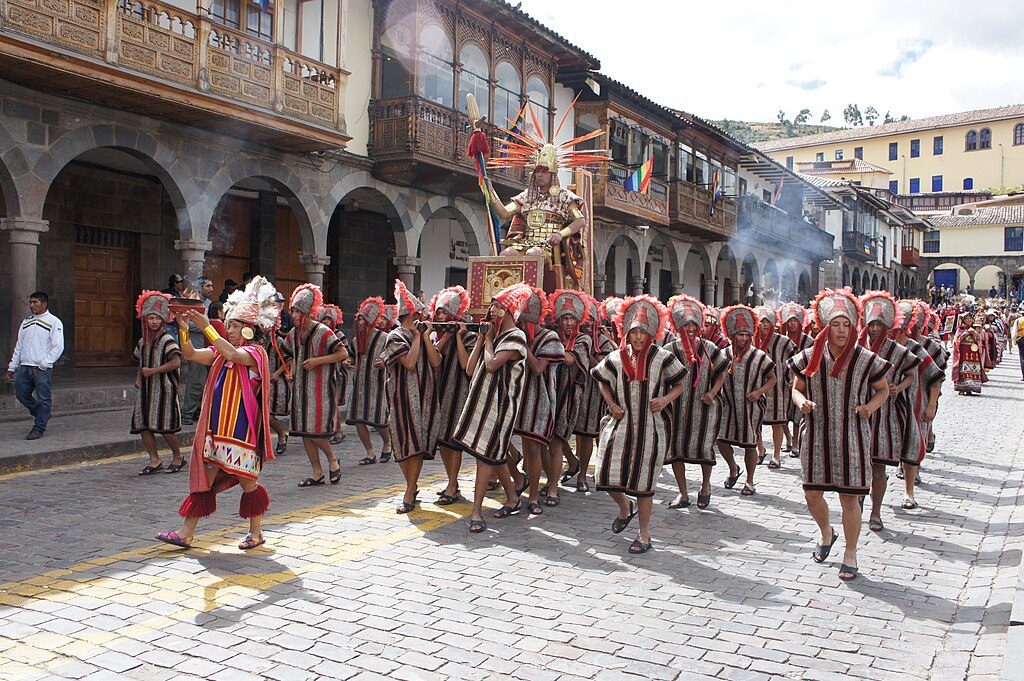
As the deity who governed the sun, Inti was not only the giver of light and warmth but also the lifeblood of agriculture, which was central to the Inca civilization. The Inca people believed that without Inti’s benevolence, their crops would fail, leading to famine and suffering. This deep reliance on the sun for their survival made Inti one of the most revered gods in their pantheon.
Inti was also seen as the divine ancestor of the Inca rulers, who claimed to be his direct descendants. This connection reinforced the sacred status of the emperor, or Sapa Inca, and justified his rule over the vast Inca Empire. The sun god’s favor was essential not only for agricultural prosperity but also for the stability and legitimacy of the Inca state.
Inti was often depicted as a golden figure with a human face, his radiant beams representing the sun’s life-giving energy. The Coricancha, the most sacred temple in the Inca Empire found in Cusco, was dedicated to him and was adorned with gold to reflect his brilliance. Inti’s influence permeated all aspects of Inca life, from the daily routines of farming to the political authority of the empire, making him an enduring symbol of power, vitality, and divine order.
3. Pachamama
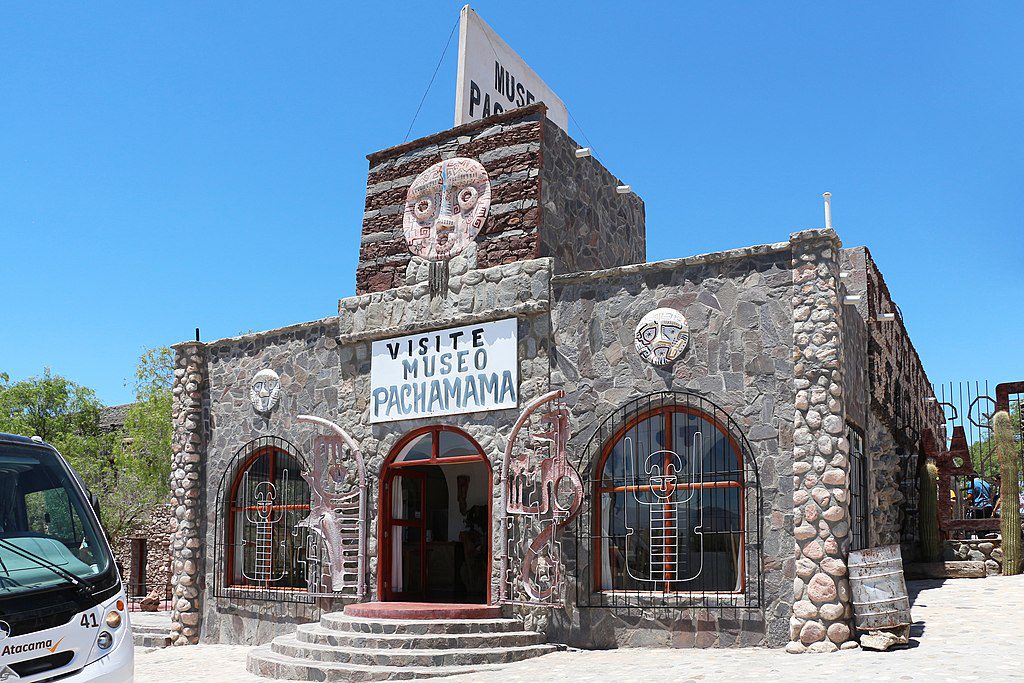
Often referred to as “Mother Earth,” Pachamama was the nurturing force behind the land’s productivity, responsible for the growth of crops, the health of animals, and the well-being of the people. Her presence was felt in every aspect of daily life, especially in agriculture.
Pachamama was not only seen as the giver of life but also as a protective and nurturing figure, watching over the land and its inhabitants. The Inca people believed that maintaining a harmonious relationship with Pachamama was essential for ensuring her continued blessings.
The connection between Pachamama and the cycles of nature made her a central figure in Inca cosmology. She was closely associated with the concept of fertility, not just in terms of agriculture but also in human reproduction and the continuation of life. The health of the land, the success of crops, and the prosperity of the community were all seen as direct reflections of Pachamama’s favor.
4. Mama Quilla
Mama Quilla, the moon goddess, was the wife of Inti and the mother of the stars. She embodyies the feminine counterpart to the sun’s masculine energy.
The Inca people saw Mama Quilla as the ruler of the night sky, her gentle light guiding them through the darkness. The phases of the moon were believed to influence the rhythms of life, from agricultural cycles to human fertility. As such, Mama Quilla was deeply associated with timekeeping and the Inca calendar.
Mama Quilla was also the goddess of marriage and family, overseeing the sacred bonds between husband and wife. Inca women looked to her for protection and guidance, particularly during childbirth, which was seen as a moment of great vulnerability.
5. Ilapa
Illapa, the god of thunder, rain, and war, was one of the most powerful deities, akin to Perun or Zeus. He was revered as the bringer of rain, which was crucial for agriculture in the often arid Andean highlands. Illapa’s control over the weather made him a vital figure for the Inca people, who depended on his favor to ensure their crops would grow and sustain the empire.
Illapa was often depicted as a warrior, carrying a club and a sling, and dressed in shining armor, symbolizing his fierce and commanding nature. He was believed to live in the Milky Way, from where he would draw water to create rain. When he struck his sling, it caused thunder, and the flash of his club produced lightning.
As the god of war, Illapa was also invoked in battles, and warriors prayed to him for strength and victory. His dual role as both a bringer of life-sustaining rain and a fearsome god of war made him a complex and formidable figure.

6. Supay
Supay is the god of death and the ruler of the underworld much like Hades in Greek Mythology. Unlike many of the other gods who were associated with life, fertility, or protection, Supay was the deity who governed the realm of the dead, where souls would go after they left the earthly world. His role as the lord of the underworld made him a figure both respected and dreaded by the Inca people.
Supay was often depicted as a fearsome, demonic figure, embodying the mysteries and terrors of death. Despite his frightening aspect, Supay’s underworld was not necessarily a place of eternal punishment but rather a realm of transition and transformation. The Inca viewed death as a continuation of the cycle of life, and Ukhu Pacha was where the spirits of the deceased would reside. Supay’s domain was also associated with the earth’s fertility, as the underworld was believed to nourish the land, ensuring the continued growth of crops.
Supay’s dual nature as both a guardian of the dead and a symbol of the earth’s fertility reflects the Inca understanding of death as an integral part of the natural cycle. While he was a figure to be feared, he was also recognized as a necessary force within the balance of life and death, growth and decay. Supay’s presence in Inca mythology underscores the complexity of their beliefs, where even the most daunting aspects of existence were woven into the larger fabric of the cosmos.
7. Mama Coca
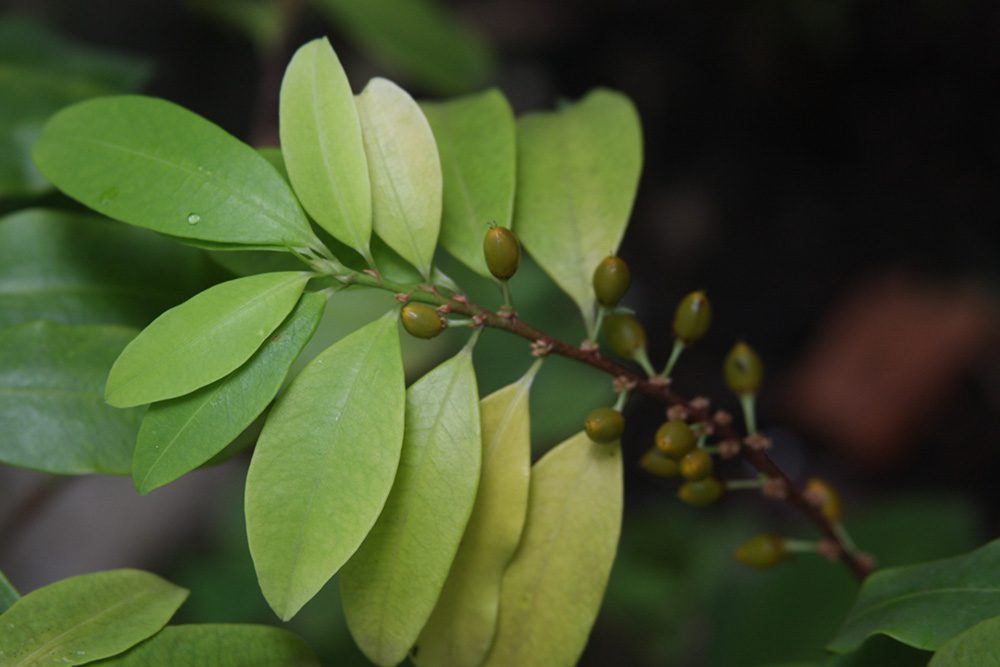
Mama Coca, the goddess of health and happiness, was revered for her association with the coca plant. The coca leaf held immense cultural and spiritual significance for the Inca people, who believed that Mama Coca had bestowed this sacred plant upon them as a gift to sustain and heal both the body and spirit.
For the Inca, the coca plant was much more than just a physical substance; it was a spiritual conduit that linked them to the gods, particularly to Mama Coca, who was seen as the protector of those who worked with the plant.
In Inca mythology, Mama Coca’s influence extended beyond the plant itself to encompass broader aspects of well-being and happiness. She was a symbol of abundance, not just in terms of the coca harvest but in the general sense of prosperity and contentment that her presence could bring. Her connection to both physical health and spiritual harmony made her an integral part of Inca religious life.
8. Kon
Kon, the god of rain and wind, was an essential deity particularly for the coastal regions of the Inca Empire, where rainfall was scarce, and the climate was harsh. Kon was believed to be responsible for bringing the much-needed rain that sustained crops and ensured the survival of communities living in these arid areas.
Unlike Illapa, who governed thunder and rain in the highlands, Kon was specifically associated with the coastal and desert regions. He was often depicted as a swift-moving deity, traversing the sky and the earth, carrying with him the life-giving moisture needed to nurture the land. His presence was vital for the fertility of the soil and the growth of plants, particularly in regions where agriculture depended heavily on irrigation and the rare rains.
Kon was also connected to the wind, which played a crucial role in the weather patterns of the coastal areas. He could bring gentle breezes that cooled the land or powerful winds that could cause destruction. This duality in his nature made Kon both a benevolent and potentially fearsome deity, one who needed to be honored and appeased to ensure his favor.
9. Apus
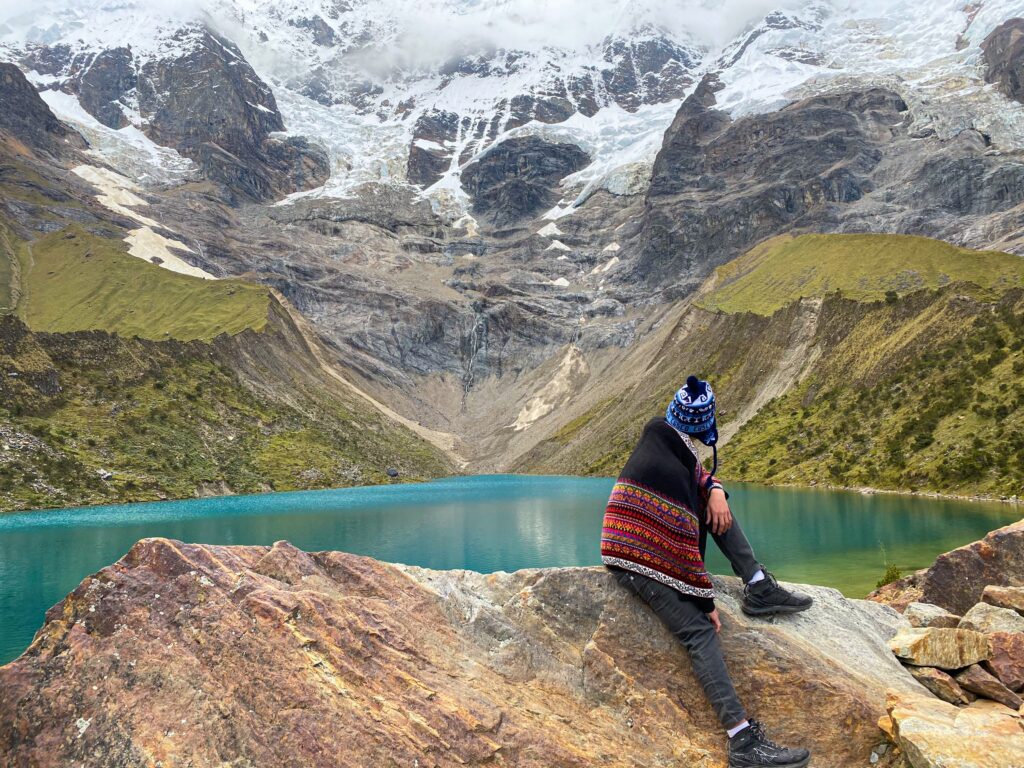
The Apus, or mountain spirits, are the protectors of the Andean people and the guardians of the natural world. Each mountain in the Andes was believed to have its own Apu, a powerful spirit that watched over the surrounding land and its inhabitants. This was told to us by our guide during our Salkantay trek. These spirits were considered intermediaries between the human world and the divine, embodying the sacred connection between the people and the towering peaks that defined their landscape.
The Apus controlled the weather, the flow of water from mountain streams, and the fertility of the soil. Each Apu was unique, with some being more benevolent and others more demanding. The most revered Apus were associated with the highest and most prominent peaks, such as Ausangate and Salkantay, which were considered particularly powerful. These mountains were often the sites of important religious ceremonies and pilgrimages, where the Inca would gather to honor the spirits and seek their favor.
The Apus were also closely linked to the concept of ayni, or reciprocity, which was central to Inca culture. The relationship between the people and the Apus was based on mutual respect and exchange; the people would care for the land and honor the spirits, and in return, the Apus would provide protection, fertility, and prosperity. In many ways, the Apus embodied the Inca’s deep reverence for nature and their understanding of the interconnectedness of all life.
10. Chasca
Chasca, the goddess of dawn and twilight, was a beloved figure associated with the beauty and gentleness of the early morning and evening skies. She was often linked to the planet Venus, which appears as both the morning star and the evening star, and her presence was seen as a symbol of renewal, purity, and protection.
Chasca was particularly revered as the protector of young women, children, and lovers. Her gentle nature made her a nurturing and caring deity, watching over those who were most vulnerable. In this role, she was invoked during important rites of passage, such as the transition from childhood to adulthood, or in matters of the heart, where her blessings were sought to ensure love and harmony.
In the Inca worldview, Chasca’s role extended beyond the celestial realm; she was also believed to influence the natural world, particularly the growth of plants and flowers. Her connection to the dawn and twilight made her a symbol of the cycles of life, representing the continual renewal of day and night, growth and decay.
11. Cavillace
Cavillace is a fascinating and somewhat tragic figure in Inca mythology, embodying themes of purity, chastity, and the consequences of divine interaction with mortals. According to the myth, Cavillace was a beautiful virgin goddess, known for her commitment to maintaining her chastity. Her story is one of the most well-known legends in Inca lore, and it reflects the complex dynamics of purity, deception, and retribution.
The legend begins with Cavillace being pursued by Coniraya, the god of fertility and the moon, who desired her. Coniraya, wanting to be close to her without revealing his true identity, transformed himself into a humble and ordinary man. In his disguised form, he impregnated Cavillace by secretly placing his seed in a piece of fruit. Unaware of the trick, Cavillace ate the fruit and soon found herself with child.
When the child was born, Cavillace called all the gods together to identify the father. She placed the baby on the ground and declared that whoever the baby crawled to would be the true father. To her shock and horror, the child crawled toward the disguised Coniraya, who was dressed in humble rags. Cavillace, feeling humiliated and deceived by Coniraya’s lowly appearance, fled in shame and despair, carrying her child with her.
In her grief, Cavillace ran toward the coast, and upon reaching the shores of the Pacific Ocean, she transformed herself and her child into stone. This act of self-imposed exile and transformation was her way of escaping the shame and maintaining her purity, even in the face of deception. The place where she turned to stone became a sacred site, and her story was passed down through generations as a cautionary tale about the importance of honor, chastity, and the consequences of deceit.
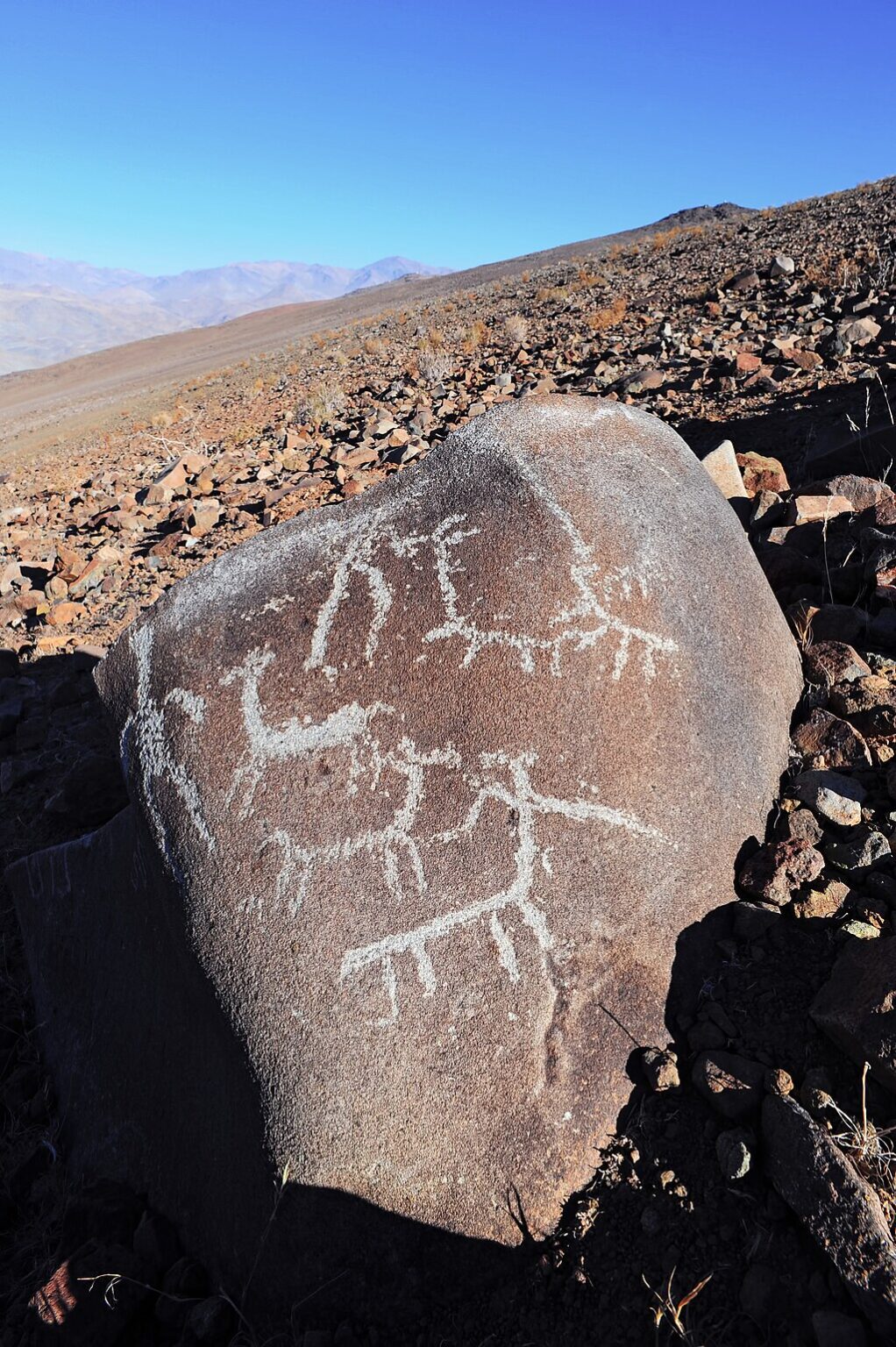
12. Urcuchillay
Urcuchillay was a significant yet lesser-known deity revered by shepherds and those who tended to livestock. This god was believed to be the protector of animals, especially llamas and alpacas.
Urcuchillay was often depicted as a multicolored animal, sometimes resembling a llama or alpaca, embodying the diverse and vibrant nature of the herds he protected. His multicolored appearance symbolized the health, vitality, and abundance that he bestowed upon the animals under his care.
In addition to his protective role, Urcuchillay was also associated with the stars and constellations. The Inca believed that he watched over their herds from the night sky.
Plan Your Trip to Peru | Best Travel Resources
Book Your Accommodations
- Booking.com – the world’s leading online booking platform for accomodations around the world, they have an extensive amount of available listings with zero booking fees and best price guarantees.
- Hostelworld – a backpacker’s best friend, Hostelworld has the largest collection of hostels and guesthouses for affordable prices.
Don’t Forget Insurance
- SafetyWing – from Nomad Insurance, an insurance by nomads for nomads. They understand our lifestyle well and have really comprehensive and flexible plans that cater to any traveler.
Find Cheap Flights
- Kiwi.com – my go-to for booking and finding the cheapest flights and it’s helped me save tons of money. They do virtual interlining which is connecting flights from airlines that do not codeshare, so you can find routes that you wouldn’t be able to find normally.
Join Tours & Activities
- GetYourGuide – is one of the best places to find unique tours and activities. I found that it’s an excellent way to meet fellow travelers and create fond memories. They are not only limited to tours as they also offer niche services such as skip-the-line tickets or private transfers.
Catch a Ride
- Rentalcars.com – nothing beats the freedom of the road, Rentalcars.com is the world’s largest online car rental service. They operate across 160 countries so they’re the perfect partner to work with if you find yourself wanting a ride.