Cusco is a city where history, culture, and adventure come together in the most fascinating way. Nestled high in the Peruvian Andes, Cusco is a must-visit destination for travelers who want to explore ancient ruins, experience vibrant local traditions, and immerse themselves in breathtaking landscapes!
In this guide, you’ll go through the highlights of Cusco, learn some fun facts, and get all the essential information to make the most of your visit. From exploring the cobblestone streets of this UNESCO World Heritage site to discovering the mysteries of nearby Inca ruins, you’ll find everything you need to know in a simple and straightforward way.
So, let’s dive in and get ready to discover the magic of Cusco!
Table of Contents
Toggle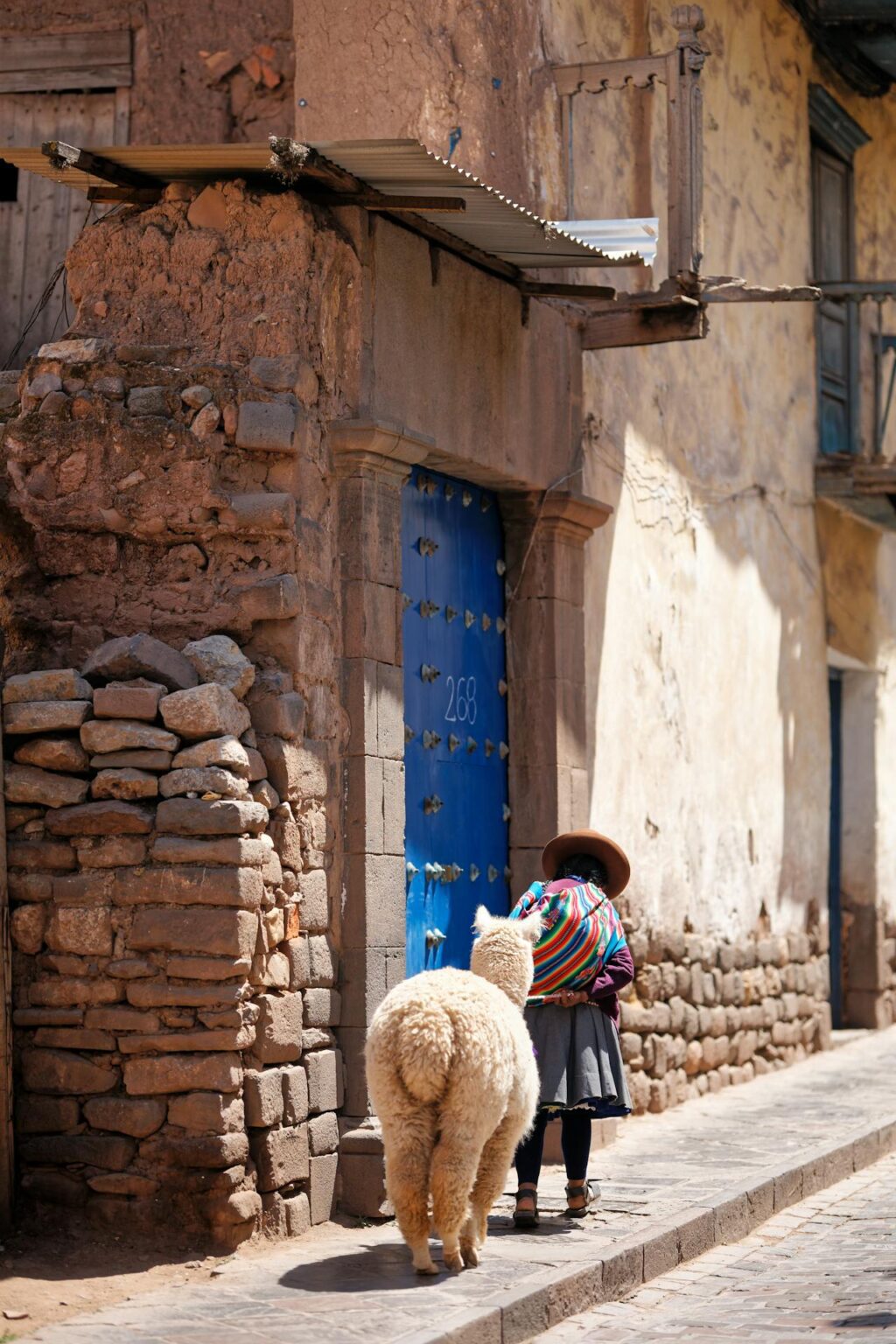
What to Know Before Going to Cusco
Here’s a concise and practical guide on what you need to know before going to Cusco:
- Altitude: Cusco is at 3,400 meters (11,200 feet). To avoid altitude sickness, take it easy on your first day, stay hydrated, and consider coca tea.
- Weather: Expect temperature swings. Pack layers—mornings can be chilly, and afternoons warm. If visiting during the rainy season (October to April), bring a waterproof jacket.
- Public Restrooms: Public restrooms often lack toilet paper, so it’s a good idea to carry your own. You may also need to pay a small fee to use them, so keep some coins handy.
- Cusqueña Time: Things often run on “Cusqueña time,” meaning they might not start exactly on schedule. Be patient and flexible with your plans.
- Altitude and Alcohol: Alcohol can hit you harder at high altitudes, so drink in moderation. Also, avoid alcohol on your first day to help with acclimatization.
- Sun Protection: The sun is strong in Cusco due to the high altitude. Sunscreen is a must, even on cloudy days, and wearing a hat is advisable.

History of Cusco
Founded in the 12th century, Cusco was the capital of the Inca Empire, the largest empire ever seen in the Americas.
The name “Cusco” in Quechua means “Navel of the World.” The city was meticulously planned and constructed, with its buildings and temples aligned with celestial events. At its peak, Cusco was a hub of political, military, and cultural power, connecting different parts of the empire through an extensive road network known as the Qhapaq Nan.
However, Cusco’s story took a dramatic turn in the 16th century when Spanish conquistadors, led by Francisco Pizarro, arrived. In 1533, after a brutal conflict, the Spanish took control of the city, marking the end of the Inca Empire. The conquistadors built colonial structures atop Inca foundations, blending two distinct architectural styles that can still be seen throughout Cusco today.
Best Places to Visit in Cusco
1. Plaza de Armas
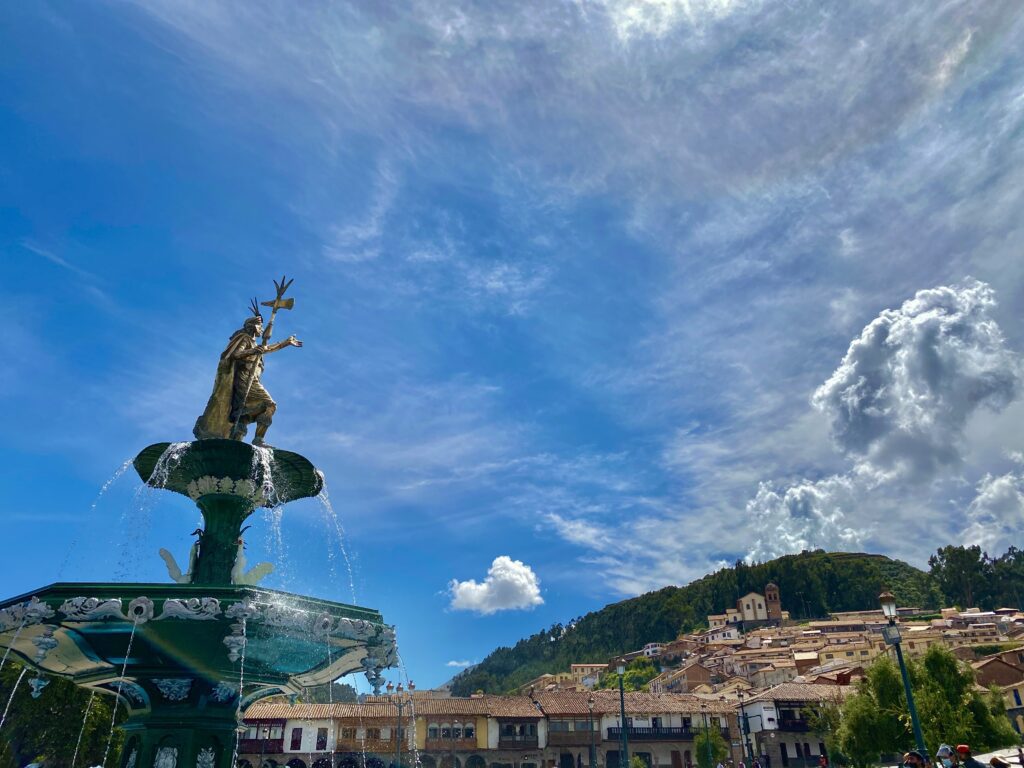
The Plaza de Armas is the beating heart of Cusco, both historically and in modern times. This grand square has been the center of city life since the days of the Inca Empire, where it was known as “Huacaypata,” meaning “Warrior Square.” The Incas used this space for ceremonial events, including the Inti Raymi (Festival of the Sun), which was one of the most important celebrations in their calendar.
Walking through the Plaza de Armas, you’ll notice the vibrant energy that defines Cusco. The square is a hub of activity, where locals and tourists alike gather to relax, people-watch, or enjoy a meal at one of the many cafes and restaurants with balconies overlooking the square. The surrounding streets are filled with shops selling traditional handicrafts, colorful textiles, and souvenirs, making it a great place to soak up the local culture.
2. Coricancha
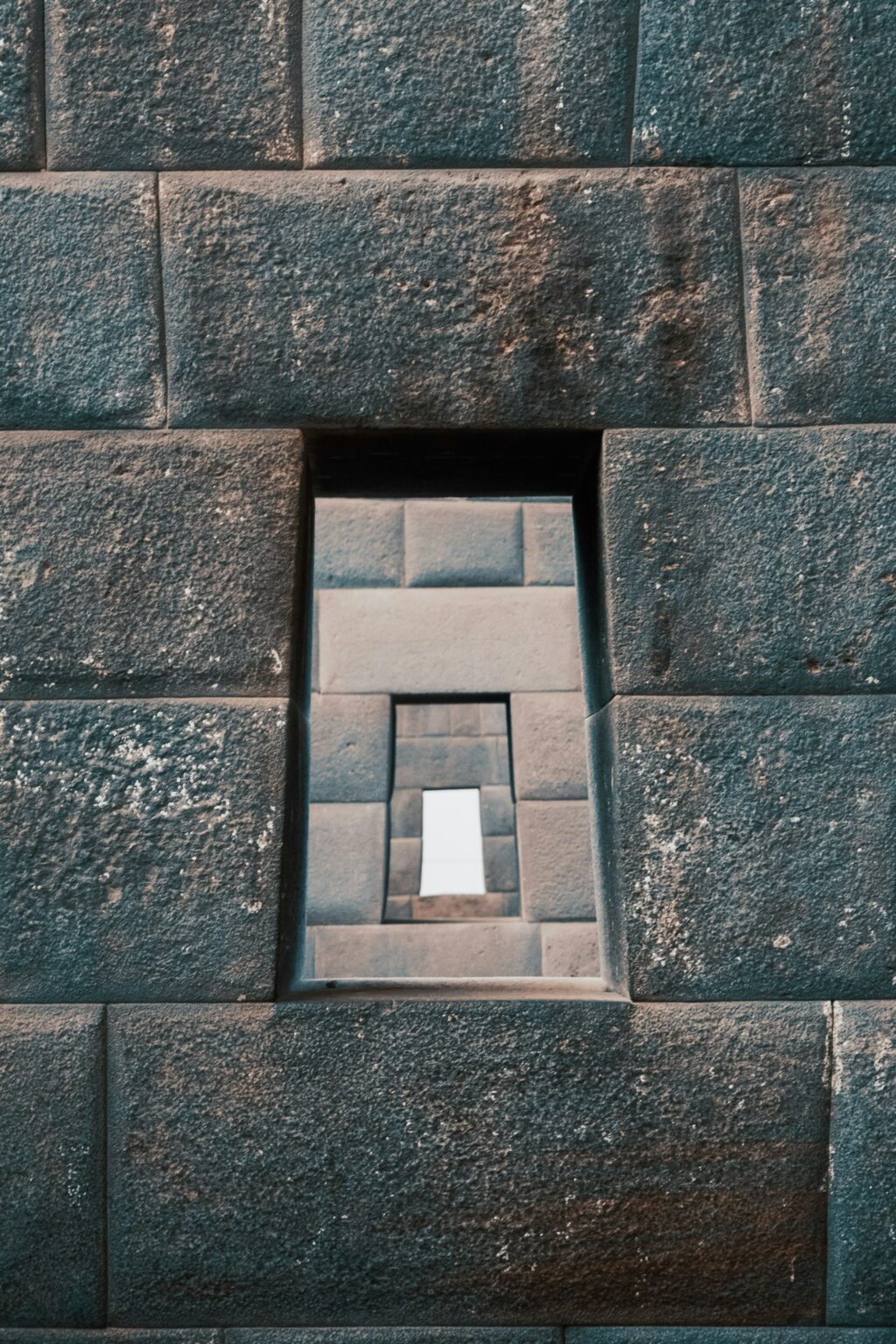
Coricancha was originally named Inti Kancha, meaning “Temple of the Sun” in Quechua, Coricancha was the most important temple in the Inca Empire, dedicated to Inti, the Sun God, who was the Incas’ most revered deity.
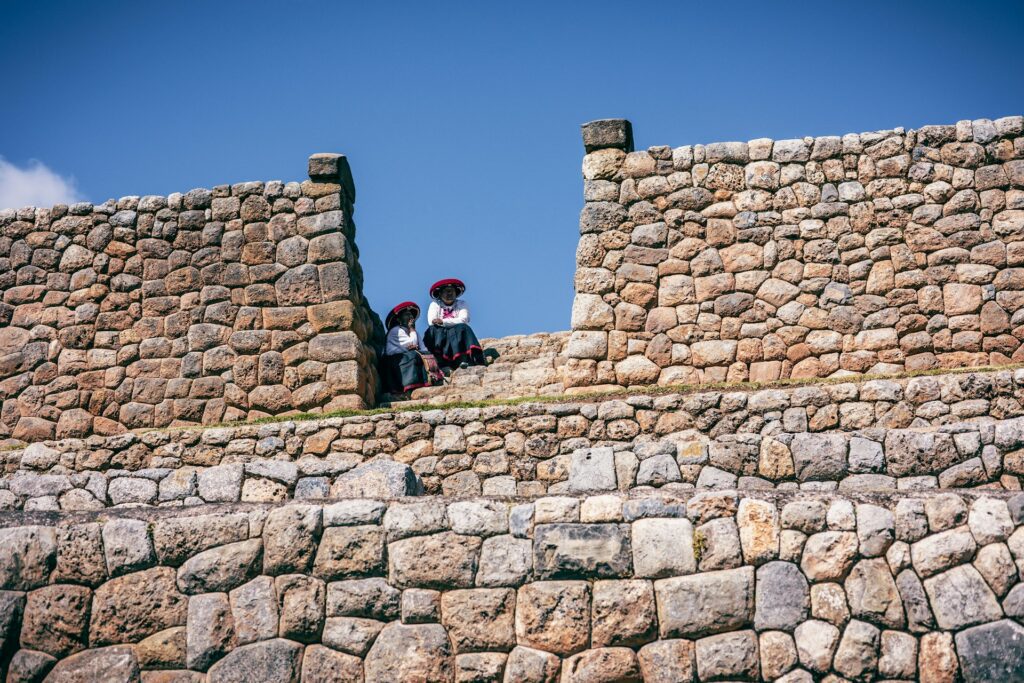
The Incas used a technique called “polygonal masonry,” where stones of various shapes and sizes were perfectly interlocked without the use of mortar. This method not only created strong and durable walls but also allowed the structures to withstand earthquakes.
When the Spanish arrived, they were astounded by the grandeur of Coricancha. However, in their quest to impose their religion, they stripped the temple of its gold and destroyed much of the original structure. On the foundations of Coricancha, the Spanish built the Church of Santo Domingo, which brings us to the next item on the list.
3. Church of Santo Domingo
The Church of Santo Domingo is a striking example of the cultural convergence that defines Cusco.
The choice to build the Church of Santo Domingo on the foundations of Coricancha was deliberate. It symbolized the Spanish conquest and the imposition of Christianity on the indigenous population. However, rather than erasing the Inca past, the church ended up preserving it. Even today you can see the original Inca stone walls seamlessly integrated with the Spanish colonial architecture, creating a powerful visual reminder of Cusco’s layered history.
4. Saqsayhuaman
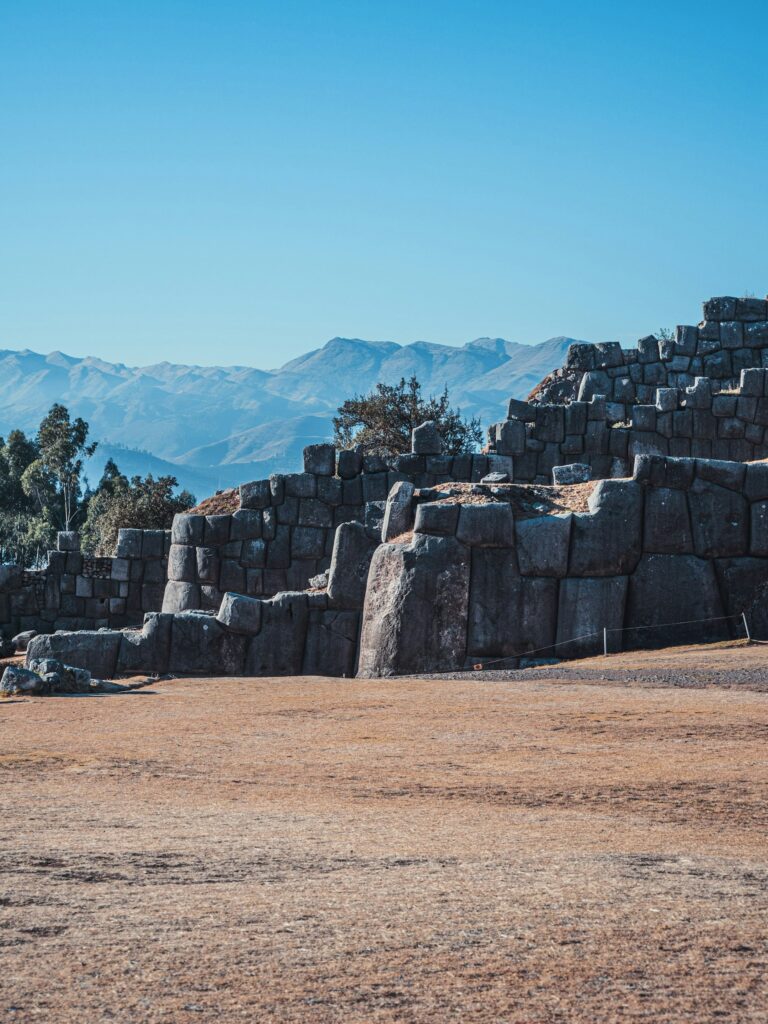
Built in the 15th century during the reign of the great Inca emperor Pachacuti, Saqsayhuaman was designed as a ceremonial and military complex. The name “Saqsayhuaman” is often translated from Quechua as “Satisfied Falcon,” which may refer to the fortress’s role in guarding the Inca capital of Cusco from above.
One of the most striking features of this UNESCO World Heritage site is its immense stone walls, which are constructed from gigantic limestone blocks, some weighing over 100 tons. The precision done through “cyclopean masonry” with which these stones are placed is so exact that even a piece of paper cannot be slipped between them.
The fortress’s layout is equally fascinating, consisting of three massive, zigzagging walls that run parallel to each other. These walls are thought to represent the teeth of a puma, an animal sacred to the Incas. In fact, Cusco city was built in the shape of a puma and Saqsayhuaman is the head.
5. Cusco Cathedral
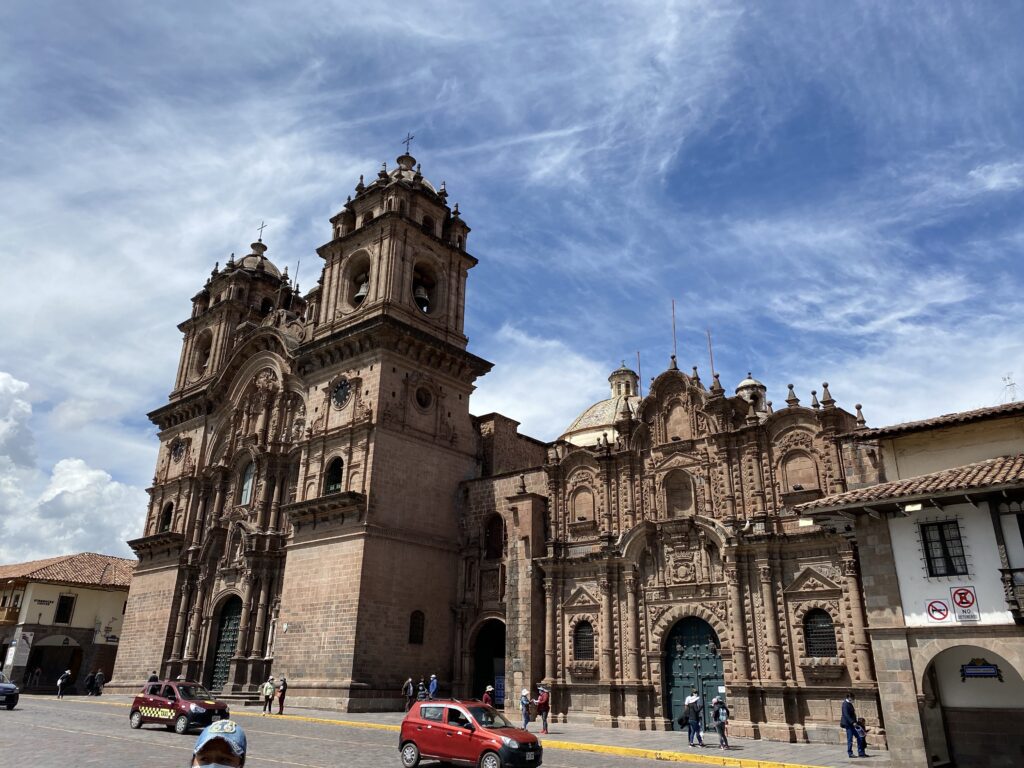
The Cusco Cathedral, officially known as the Cathedral Basilica of the Assumption of the Virgin, is one of the most iconic landmarks in Cusco.
Construction of the Cusco Cathedral began in 1559 and took nearly a century to complete, with the final touches added in 1654. The cathedral was built on the foundations of the former Inca palace of Viracocha. The cathedral’s architecture is predominantly Gothic-Renaissance, but it also features Baroque influences.
One of the most striking features of the Cusco Cathedral is its grand facade, with three towering portals and a series of intricately carved stone statues and ornaments. The cathedral houses over 400 paintings from the Cusco School of Art, a unique artistic movement that blended European and indigenous influences.
6. Plaza San Blas
Known as the “Artisan’s Quarter,” San Blas is home to some of the city’s most talented artists, craftsmen, and musicians!
The neighborhood of San Blas is one of the oldest in Cusco, with narrow, cobblestone streets that wind up the hillside from the city center. The Plaza San Blas itself is a small, picturesque square, surrounded by whitewashed houses with wooden balconies and quaint artisan shops.
At the heart of the plaza stands the San Blas Church, one of Cusco’s oldest churches, built in the mid-16th century. The church is renowned for its beautifully carved wooden pulpit, considered one of the finest examples of colonial woodwork in Peru.
7. Twelve Angled Stone
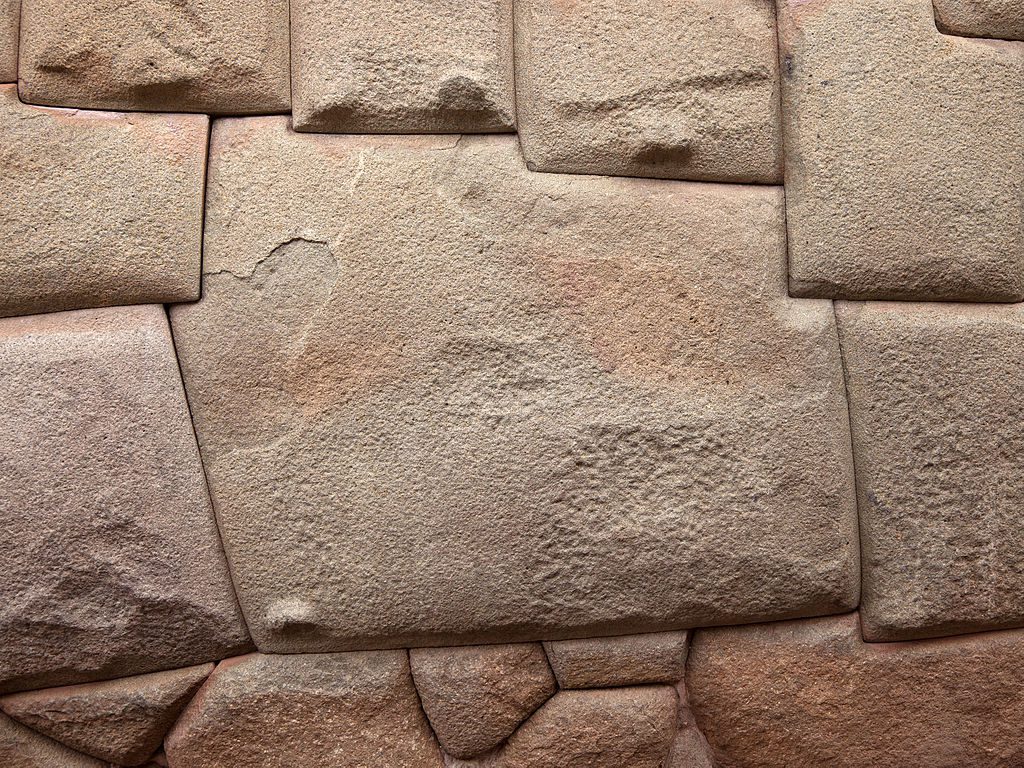
The Twelve-Angled Stone can be found in a wall on Hatun Rumiyoc Street, which once formed part of the palace of Inca Roca, one of the rulers of the Inca Empire.
What makes the Twelve-Angled Stone so remarkable is its intricate shape and the way it fits perfectly with the surrounding stones. The stone has twelve distinct angles and sides, all cut with such precision that it interlocks seamlessly with the other stones in the wall, without the need for mortar. This technique, known as “ashlar masonry,” was a hallmark of Inca construction.
While there are other examples of finely cut stones in Inca architecture, the Twelve-Angled Stone stands out due to its complexity and the skill required to create it.
Best Tours in Cusco
Cusco serves as the gateway to a myriad of fun activities. Here are some of the most popular tours that you can join from this historic city:
- Rainbow Mountain Day Trip and Red Valley – Hike Rainbow Mountain and see the colorful landscapes surrounding Ausangate Mountain on this guided day tour. Experience the mountain’s incredible hues and take photos to last a lifetime.
- Peruvian Cooking Class, Cocktails & Local Market Tour – Discover the Peruvian Flavors in Cusco with a cooking class and a walking tour to San Pedro Market. Learn to cook 3 Peruvian dishes, craft 2 refreshing cocktails, and taste some Picarones.
- Moray and Salt Mines Quad Bike Tour – Join this ATV adventure through the Sacred Valley of the Incas. Visit to two of the most important sites in the area: Moray, the Inca’s agricultural laboratory, and the Maras Salt Mines.
- Full-Day Group Tour of Machu Picchu – Explore the wonders of Machu Picchu on a guided tour that will transport you through time and connect you with history and nature in one place. Learn all about the region from your expert guide.
- Humantay Lake with Breakfast and Buffet Lunch – Explore Humantay Lake located north of Cusco, just behind the legendary snow mountain Apu Salkantay. This Humantay Lake day trip is the best way to enjoy the landscape of the region from the beautiful lake to the snowy mountains.
Top Things to Do in Cusco
8. Peruse the San Pedro Market
San Pedro Market is a sensory overload in the best possible way. As you wander through the aisles, you’ll be greeted by the colorful displays of fresh produce, meats, cheeses, and traditional Andean ingredients.
One of the highlights of visiting San Pedro Market is the opportunity to try some of Cusco’s most delicious and authentic street food. Vendors offer a wide array of local dishes, from freshly made tamales and empanadas to hearty bowls of quinoa soup and roasted meats. You can also sample chicharrones (crispy fried pork), ceviche, and traditional Andean snacks like choclo con queso (corn with cheese).
Don’t miss the chance to try a glass of freshly squeezed juice, made from a variety of tropical fruits you might not find anywhere else!
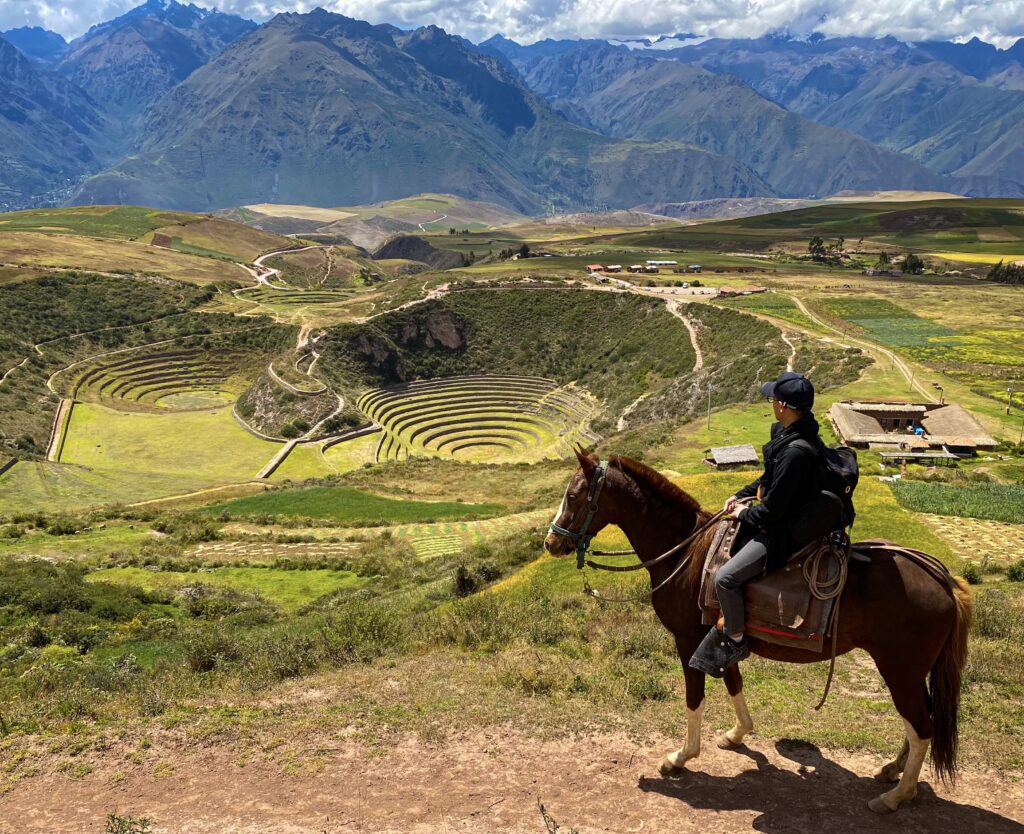
9. Explore the Ruins of Cusco
Cusco is surrounded by some of the most fascinating and well-preserved ruins in Peru, each offering a unique glimpse into the advanced engineering, agricultural practices, and spiritual beliefs of the Inca civilization.
Some of the most notable ruins in and around Cusco include:
Q’enqo: A short distance from Saqsayhuaman, Q’enqo is a labyrinthine complex of tunnels, channels, and carved stone structures.
Puka Pukara: Known as the “Red Fortress” due to the reddish hue of its stones, Puka Pukara served as a military outpost and checkpoint along the Inca road system.
Tambomachay: Often referred to as the “Bath of the Inca,” Tambomachay is a site dedicated to water worship. The complex features a series of aqueducts, canals, and waterfalls.
For those interested in delving deeper into the remarkable ruins surrounding Cusco, be sure to check out my other article that covers additional sites such as Moray, a fascinating agricultural laboratory with its concentric terraces; Maras, known for its ancient salt mines that are still in use today; and more.
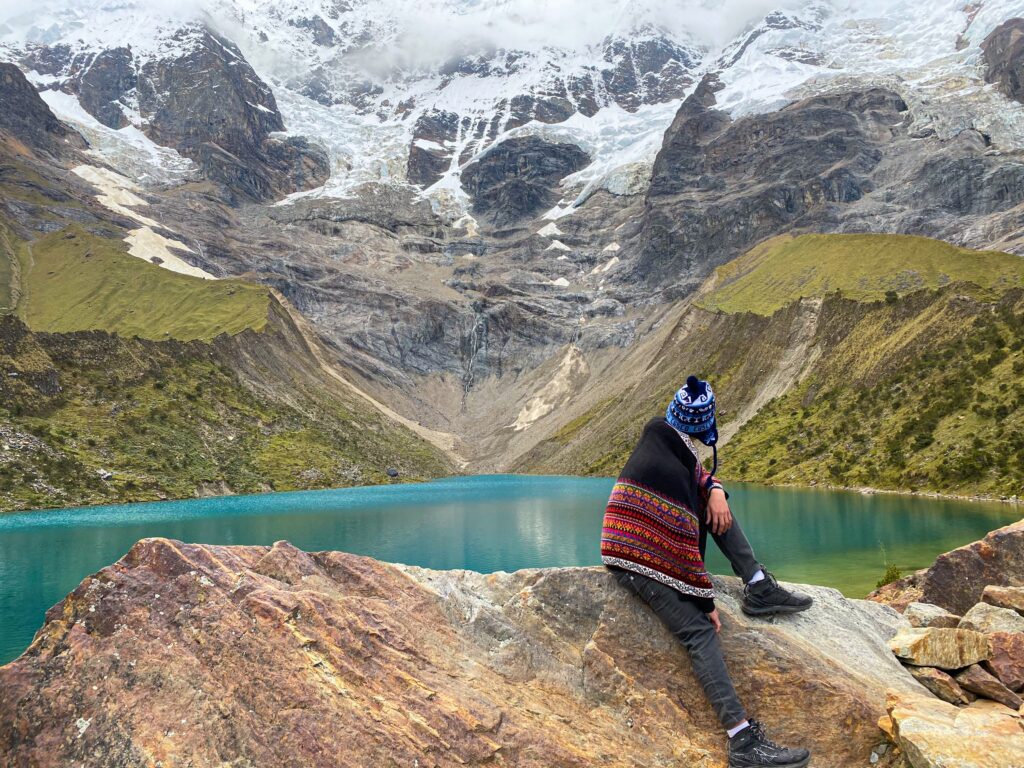
10. Go Trekking
For adventure seekers and nature lovers, Cusco offers some of the most breathtaking trekking opportunities in the world. The trek I recommend the most is the Salkantay Trek that takes you through Laguna Humantay towards Machu Picchu.
Laguna Humantay is a turquoise glacial lake nestled high in the Andes, surrounded by snow-capped peaks and lush green valleys. This stunning natural wonder is often described as one of the most beautiful lakes in Peru, and it’s not hard to see why.
For those looking for a multi-day trekking experience, the Salkantay Trek is an excellent alternative to the more famous Inca Trail. This challenging trek takes you through a diverse range of ecosystems, from high-altitude mountain passes to lush cloud forests, and offers incredible views of the snow-capped Salkantay Mountain, one of the highest peaks in the region.
11. Find the Cristo Blanco
Cristo Blanco, or the “White Christ,” is an iconic statue that stands tall on a hill overlooking Cusco, offering a protective gaze over the city below. Erected in 1945, Cristo Blanco was a gift from a group of Palestinian refugees who sought refuge in Cusco during World War II.
As a gesture of gratitude to the people of Cusco for their hospitality and kindness, they commissioned the statue, which has since become a symbol of peace and goodwill. The statue itself stands at 8 meters (26 feet) tall and is made of white stone, making it visible from various points throughout the city.
12. Visit the Inca Museum
Housed in a beautiful colonial mansion that once belonged to Admiral Francisco Aldrete Maldonado, the Inca Museum offers a comprehensive look at the rise, development, and fall of the Inca civilization.
The Inca Museum features detailed models and reconstructions of Inca architecture, including the iconic stone terraces and complex agricultural systems that allowed the empire to thrive in the challenging Andean environment.
Another significant part of the museum is its collection of Quipus, the knotted strings used by the Incas to record information and communicate across their empire. Although the exact method of reading Quipus remains a mystery, these artifacts offer a glimpse into the sophisticated system of administration and record-keeping that helped the Incas manage their vast territories.

13. Make the Trip to Machu Picchu
No visit to Cusco is complete without making the trip to Machu Picchu, one of the most iconic and breathtaking archaeological sites in the world. Often referred to as the “Lost City of the Incas,” Machu Picchu is a UNESCO World Heritage site and one of the New Seven Wonders of the World!
Perched high in the Andes Mountains at an altitude of 2,430 meters (7,970 feet), Machu Picchu was built in the 15th century during the reign of the Inca emperor Pachacuti. The site was largely unknown to the outside world until its rediscovery by American explorer Hiram Bingham in 1911.
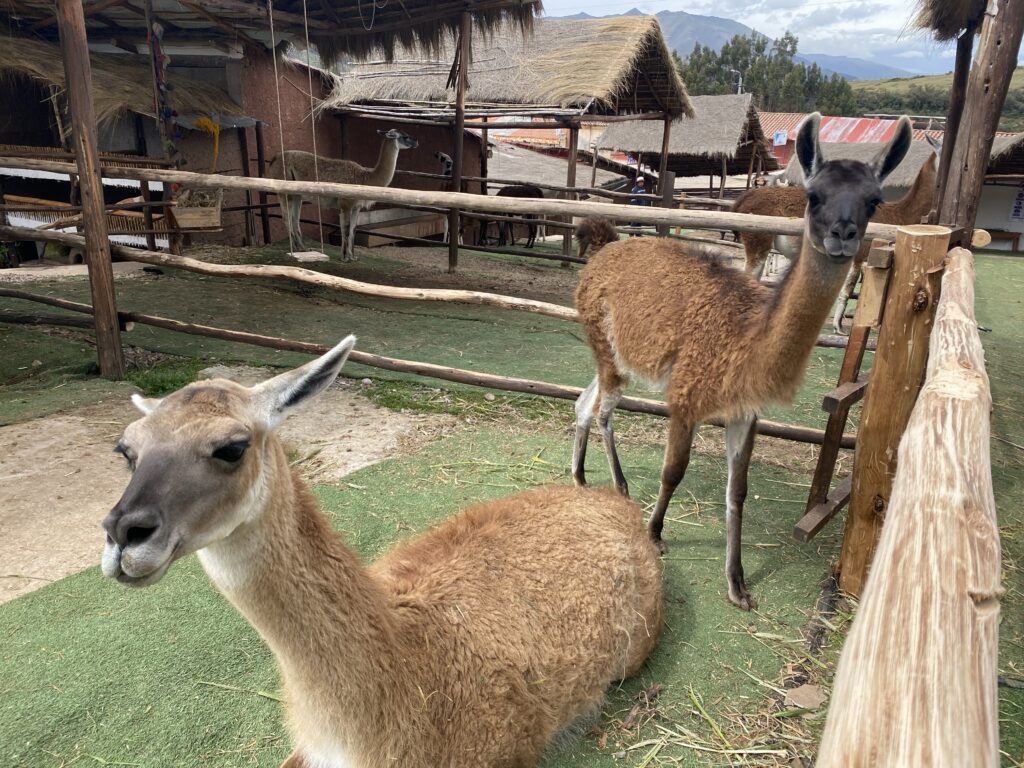
For those who prefer a less strenuous journey, there are other ways to reach Machu Picchu. The most popular alternative is the train to the town of Aguas Calientes, also known as Machu Picchu Pueblo. From there, a short bus ride takes you up the winding road to the entrance of the site. This option allows you to enjoy the scenic beauty of the Urubamba Valley and arrive at Machu Picchu feeling refreshed and ready to explore. Don’t forget to snap some shots of the lovely llamas!
14. Marvel at the Views from San Cristobal
San Cristobal is a small, charming hilltop neighborhood in Cusco, known for offering some of the most breathtaking panoramic views of the city. Perched above the historic center, the San Cristobal viewpoint provides a unique perspective on the layout of Cusco, with its red-tiled roofs, colonial architecture, and the surrounding Andes mountains. If you’re looking to capture the essence of Cusco in a single, sweeping glance, this is the place to do it.
Reaching San Cristobal requires a bit of effort, as it involves a steep climb from the Plaza de Armas through the narrow, winding streets of the San Blas neighborhood. The walk, though challenging, is part of the experience, taking you through some of Cusco’s most picturesque and traditional areas. As you ascend, you’ll pass by artisan shops, quaint cafes, and historic homes, each with its own story to tell.
15. Go Stargazing at Cusco Planetarium
The Cusco Planetarium is more than just a place to look at the stars; it’s a gateway to understanding the profound connection between the Inca civilization and the cosmos. The Incas were skilled astronomers, using their knowledge of the stars to guide agricultural practices, religious ceremonies, and even architecture. At the planetarium, you’ll learn about the Inca’s celestial worldview, including their interpretations of constellations, which often differed from those of Western astronomy.
You’ll also have the opportunity to view the stars through powerful telescopes. The clear, high-altitude skies of Cusco provide excellent conditions for stargazing, allowing you to see planets, star clusters, and distant galaxies with remarkable clarity.
Unlike the constellations recognized in Western astronomy, which are typically formed by patterns of stars, the Incas also identified “dark constellations,” which are shapes formed by dark patches of dust within the Milky Way. These dark constellations, such as the “Llama” and the “Snake,” held significant cultural and spiritual meaning for the Inca people.
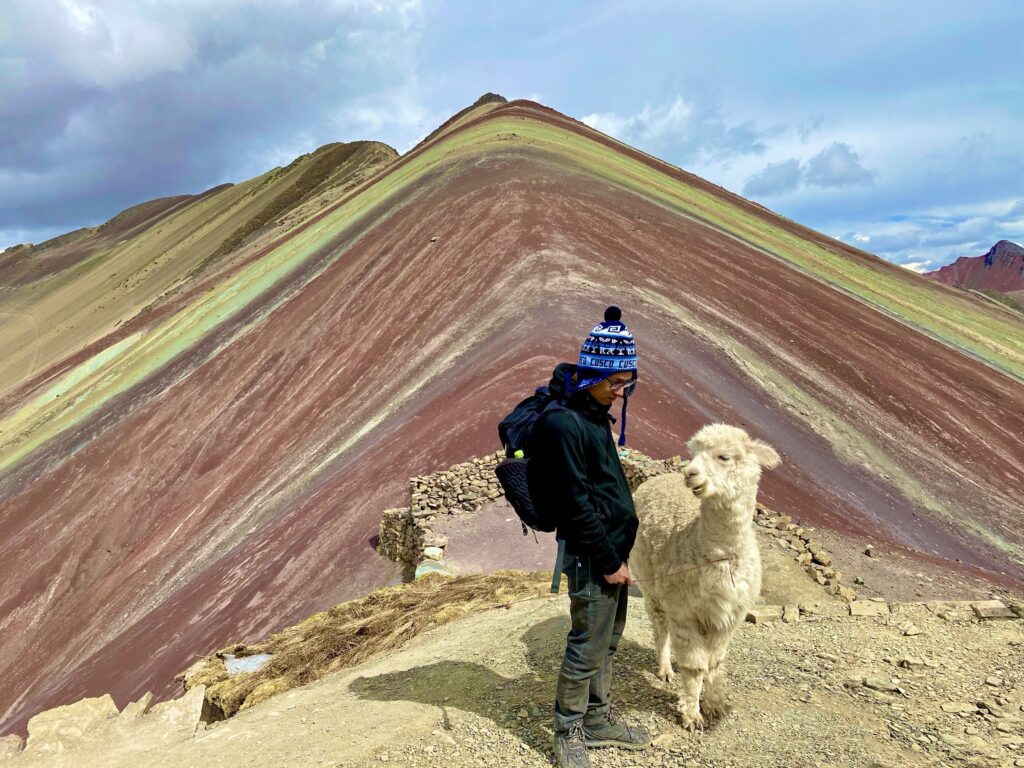
16. Hike the Rainbow Mountain
Rainbow Mountain is famous for its vibrant, multi-colored stripes that cascade down the slopes, creating a surreal and breathtaking landscape.
The trek to the summit of Rainbow Mountain is approximately 7 kilometers (4.3 miles) round trip, with an altitude that reaches over 5,000 meters (16,400 feet). The high altitude can make the hike quite demanding, so it’s important to be well-acclimated to the elevation before attempting the trek. Along the way, you’ll pass through various ecosystems, from grassy plains to rocky slopes, all while surrounded by the majestic Andes.
Many tours also offer the option to visit nearby Red Valley, another striking landscape with deep red earth that contrasts beautifully with the greenery of the surrounding mountains.
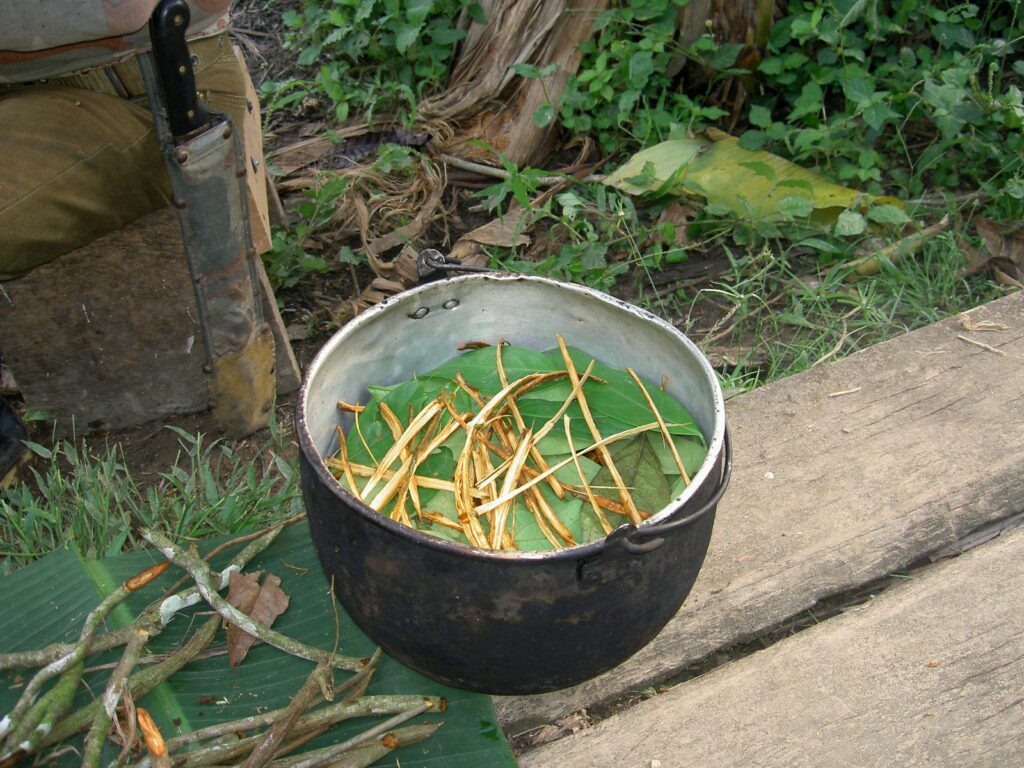
17. Learn About Ayahuasca and Huachuma
Ayahuasca and Huachuma (also known as San Pedro) are two of the most revered and ancient plant medicines used by indigenous peoples in the Andes and the Amazon Basin. These sacred plants have been used for centuries in healing ceremonies, offering profound experiences that connect individuals with deeper aspects of themselves and the natural world.
If this is the type of thing you want to experience, my article delves deeper on this topic.
Where to Stay in Cusco
Whether you’re seeking luxury accommodations with breathtaking views, a cozy boutique hotel in a historic neighborhood, or a budget-friendly hostel close to the action, Cusco offers a wide range of options to suit every traveler’s style and budget. Let’s explore the best places to stay in this vibrant Andean city:
Best Hotels in Cusco
- Casa Cristobal Siete Cuartones Casona Colonial – features a garden. The hotel is near key attractions and you can can enjoy amenities such as a 24-hour front desk, airport transportation, room service, and free WiFi. Rooms come with a patio, closet, and flat-screen TV. Bed linen and towels are provided.
- Amaru Colonial – a charming colonial inn that features a beautifully lit central courtyard with a colorful flower garden. Rooms are decorated with bold Peruvian accents and offer private bathrooms and central heating, with free WiFi available in public areas.
- MOAF Cusco Boutique Hotel – enjoy a 24-hour front desk, airport transportation, a shared kitchen, and free WiFi throughout the property. Room offer city views and all are equipped with a private bathroom, flat-screen TV, and hairdryer. A buffet, continental, or American breakfast is served daily.
Best Hostels in Cusco
- Samay Wasi Youth Hostels – offers a safe, clean, and comfortable stay with stunning views of the city. The hostel provides cozy single, double, and shared rooms, all with private bathrooms and heating. You enjoy free internet, breakfast, cable TV, a fully equipped kitchen, and 24-hour hot water.
- Viajero Kokopelli Hostel – housed in a unique 200-year-old building with a focus on providing everything a traveler needs, the hostel offers free WiFi throughout, 24/7 reception and security, and a range of amenities including a restaurant, bar, and live music events.
- Pariwana Hostel Cusco – where high-quality accommodation meets affordability, ensuring an exceptional stay without breaking the bank. Pariwana offers both shared and private rooms with exceptional comfort, putting you close to the vibrant local culture. With a variety of daily activities and the chance to connect with travelers from around the world, your time here promises to be an exciting adventure.
How to Get Around Cusco
Getting around Cusco can be an adventure in itself. Here’s what you need to know to move around the city efficiently and comfortably:
- Walking: Cusco’s historic center is compact and walkable. However, be prepared for steep streets and uneven cobblestones. Walking is the best way to soak in the city’s atmosphere, but the altitude can make it more tiring than you expect.
- Taxis: Taxis are plentiful and relatively inexpensive in Cusco. They’re a good option for getting around if you’re tired or need to travel longer distances. Taxis don’t have meters, so always agree on a fare before getting in. A short ride within the city center usually costs between 5 to 10 soles.
- Colectivos: Colectivos are shared minibuses that operate on fixed routes and are a popular mode of transport among locals. They’re very cheap, usually just a couple of soles, but they leave when they’re full, so you might need to wait a bit. Still, they’re an authentic way to experience local life.
- Public Buses: Public buses in Cusco are another affordable option, costing around 1 sol per ride. They can be crowded and sometimes difficult to navigate if you don’t speak Spanish, but they cover most of the city and surrounding areas.
- Rideshare Apps: While not as common as in larger cities, rideshare apps like Uber and Cabify do operate in Cusco. They offer a convenient and often safer alternative to hailing a taxi, as the fare is calculated through the app.
- Renting a Car: Renting a car is possible but not recommended for getting around Cusco itself due to the narrow streets, heavy traffic, and limited parking. However, it can be a good option if you plan to explore the surrounding regions independently.
How to Stay Safe in Cusco
Cusco is generally a safe destination, but it’s important to be aware of some unique challenges. Altitude-related scams are something to watch out for. While altitude sickness is real, some people might try to sell you overpriced remedies or claim to have special cures. Coca tea is often provided for free at hotels and is a common remedy, so stick to reputable sources if you need more.
In crowded areas like markets, pickpockets often work in teams. One person might distract you while another goes for your pockets or bag. Stay alert and keep your belongings secure.
When using ATMs, it’s best to choose ones located inside banks or reputable hotels to minimize risks like skimming. Be discreet when withdrawing money and avoid carrying large amounts of cash. If you’re exploring the San Blas area at night, stick to well-lit, populated streets or consider taking a taxi, as the area can feel isolated after dark.
Also, while shopping in Cusco’s markets can be delightful, but not all products labeled as “alpaca” are genuine. To ensure you’re buying authentic goods, shop at reputable stores.
Finally, it’s always a good idea to get travel insurance especially for a place like Cusco since it has such a dynamic environment, a lot of things can and may happen.
Best Time to Visit Cusco
The best time to visit Cusco is during the dry season, which runs from May to September.
In May, the city begins to dry out after the rainy season, and the landscape is lush and green. June to August is the peak tourist season, coinciding with the dry season and popular festivals like Inti Raymi. In these months, daytime temperatures range from 18°C to 21°C (64°F to 70°F), while nighttime temperatures can drop to as low as 1°C to 4°C (34°F to 39°F). September is also a great time to visit, as the crowds begin to thin out, but the weather remains pleasant with similar temperature ranges.
Plan Your Trip to Peru | Best Travel Resources
Book Your Accommodations
- Booking.com – the world’s leading online booking platform for accomodations around the world, they have an extensive amount of available listings with zero booking fees and best price guarantees.
- Hostelworld – a backpacker’s best friend, Hostelworld has the largest collection of hostels and guesthouses for affordable prices.
Don’t Forget Insurance
- SafetyWing – from Nomad Insurance, an insurance by nomads for nomads. They understand our lifestyle well and have really comprehensive and flexible plans that cater to any traveler.
Find Cheap Flights
- Kiwi.com – my go-to for booking and finding the cheapest flights and it’s helped me save tons of money. They do virtual interlining which is connecting flights from airlines that do not codeshare, so you can find routes that you wouldn’t be able to find normally.
Join Tours & Activities
- GetYourGuide – is one of the best places to find unique tours and activities. I found that it’s an excellent way to meet fellow travelers and create fond memories. They are not only limited to tours as they also offer niche services such as skip-the-line tickets or private transfers.
Catch a Ride
- Rentalcars.com – nothing beats the freedom of the road, Rentalcars.com is the world’s largest online car rental service. They operate across 160 countries so they’re the perfect partner to work with if you find yourself wanting a ride.