Have you ever been to a city where umbrellas collect dust? That’s Lima for you, a city where it never rains.
This capital city is often cloaked in a soft, misty blanket called “garua” instead of your typical rain showers. It’s a place where ancient history meets modern hustle, and you can stroll through ruins older than Machu Picchu before diving into a plate of ceviche that’ll make you wonder why you ever settled for anything less.
So forget the raincoat; pack your sense of adventure. Lima’s got a vibe all its own, and it’s waiting for you to explore.
Table of Contents
Toggle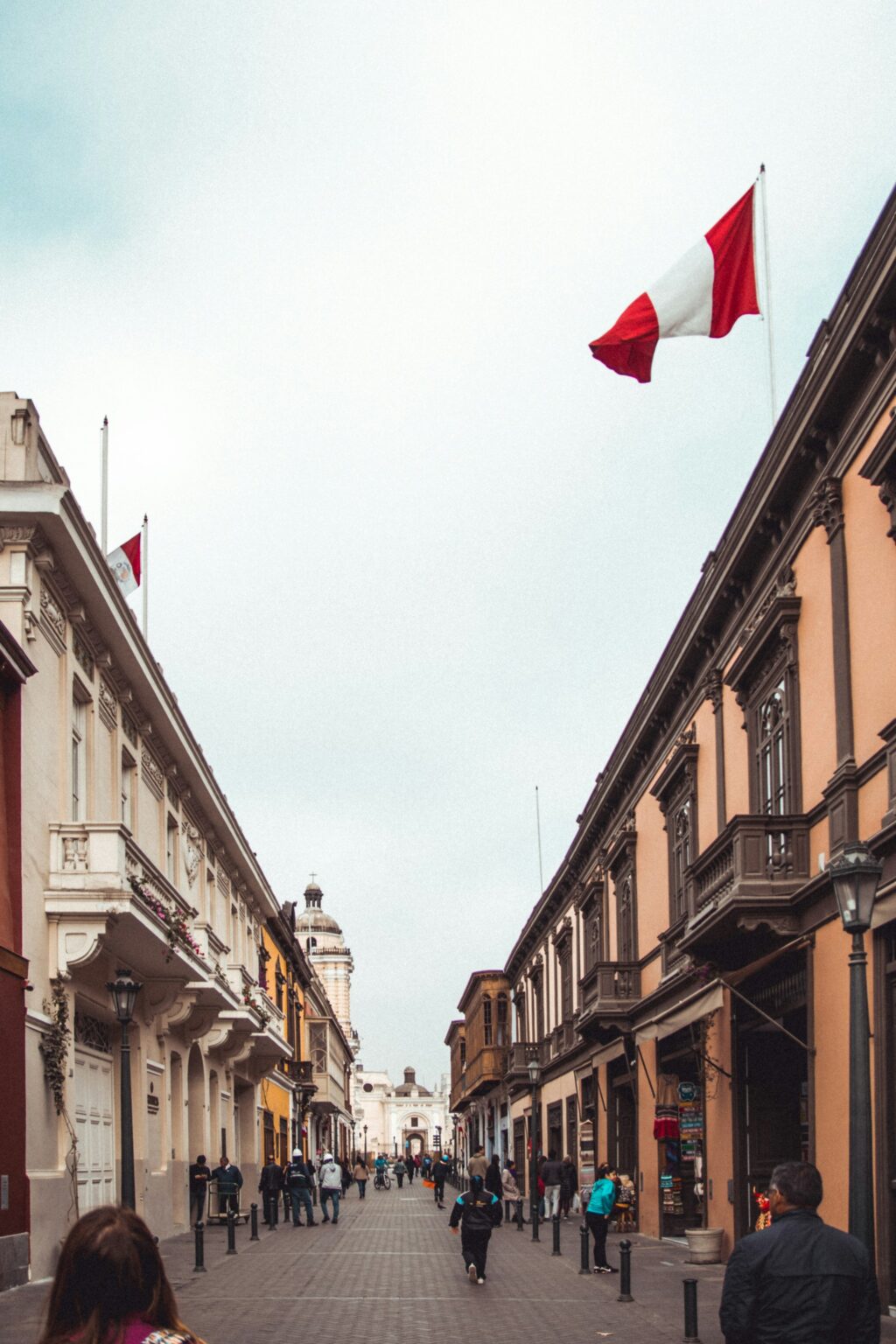
History of Lima
Lima was founded by the Spanish conquistador Francisco Pizarro on January 18, 1535. Before the Spanish arrived, the region was inhabited by several indigenous cultures, notably the Ichma. The city’s strategic coastal location made it an ideal spot for Pizarro’s new capital of the Viceroyalty of Peru.
One of the most dramatic events in Lima’s history was the devastating earthquake of 1746, which nearly destroyed the entire city. The reconstruction that followed led to significant urban planning and architectural efforts, many of which shaped the historic center of Lima that we see today.
In 1821, Argentine general Jose de San Martin declared Peru’s independence in Lima’s Plaza Mayor. The city then became the capital of the newly independent Republic of Peru.
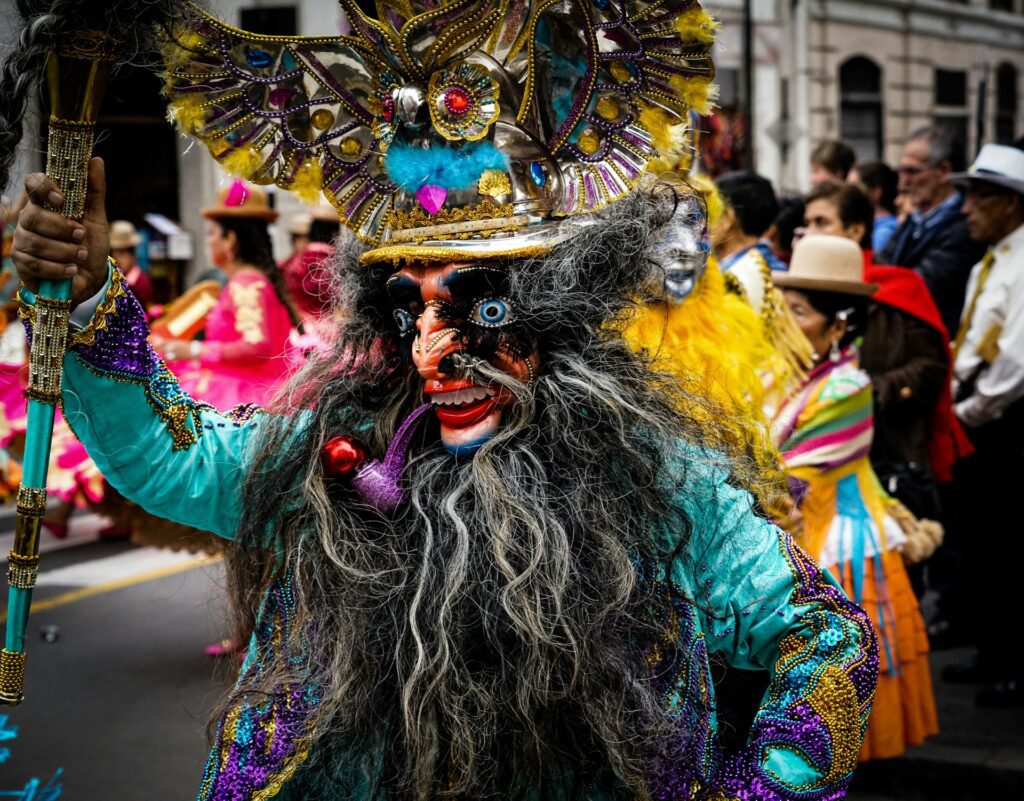
Peruvian Culture Overview
One of the most striking features of Peruvian culture is its deep connection to ancient civilizations, particularly the Incas. Religion also plays a significant role with Catholicism being the predominant faith due to Spanish colonization.
However, indigenous beliefs and practices remain influential, often blending with Catholic traditions to create unique religious expressions. This syncretism is most apparent in festivals such as Inti Raymi, a celebration of the Incan sun god, and the Lord of Miracles procession, which combines Catholic and indigenous elements.
While Spanish is the official language, Quechua and Aymara are also widely spoken, particularly in the Andean regions. These indigenous languages are a crucial link to Peru’s pre-Columbian past and continue to be an essential part of the cultural landscape.
For those interested in delving deeper into the nuances of Peruvian culture, my other article offers a more comprehensive exploration.
Best Tours in Lima
Here are some highly-rated tours you can join in Lima that’s sure to make your time worthwhile:
- Paracas and Huacachina Oasis Full Day Tour – Enjoy an incredible day out from Lima to Paracas and Huacachina. Explore the Ballestas Islands and have a chance to travel by dune buggy up and sandboard down the incredible dunes of Huacachina.
- Ultimate Peruvian Food – Taste a variety of up to 14 Peruvian flavors in one of the most colorful districts of Lima. Take part in interactive workshops and learn how to prepare ceviche, lomo saltado and pisco sour.
- Swimming with Sea Lions Palomino Islands Boat Tour – This 2.5-hour tour allows you to swim alongside wild sea lions in their natural environment. Departing from Lima, you’ll travel by boat to the Palomino Islands, home to penguins, birds, and sea lions.
- Peruvian Cooking Class, Market Tour & Exotic Fruits – Embark into a fun cooking class and prepare the most popular Peruvian dishes. Visit a local market, learn about Peruvian food culture, and taste the best flavors of Peruvian cuisine.
Top Things to Do in Lima
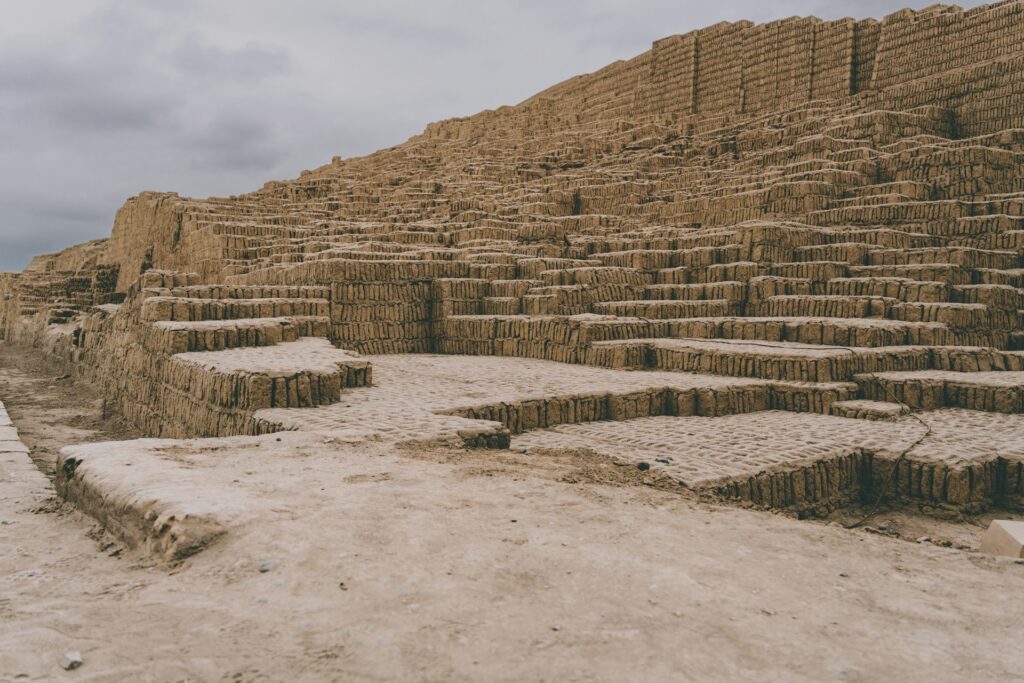
1. Huaca Pucllana
Huaca Pucllana is a striking adobe and clay pre-Incan pyramid, built by the Lima culture between 200 and 700 AD, is an impressive 22 meters high and features seven staggered platforms.
Huaca Pucllana is not just a static archaeological site; it is a dynamic window into the life of the ancient Lima people. Excavations have unearthed a wealth of artifacts, including intricate ceramics depicting marine life, evidence of the culture’s deep connection to the ocean. One of the most intriguing discoveries is the presence of human sacrifices, which were part of religious ceremonies aimed at appeasing their gods.
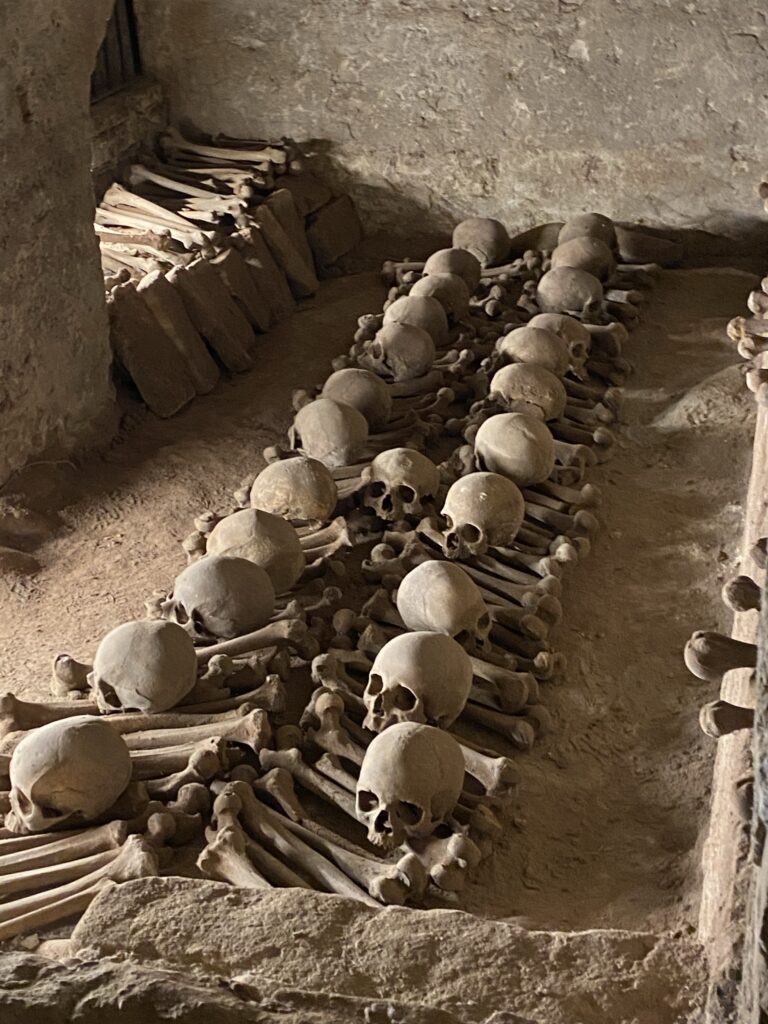
2. Basilica and Convent of San Francisco
Completed in 1774, the Basilica and Convent of San Francisco is consists of a church, convent, library, and extensive catacombs, making it one of the most intriguing spots to explore in the city. One of the standout features is the grand staircase, crafted from Nicaraguan mahogany and adorned with intricate carvings that depict biblical scenes.
The church is also home to an impressive collection of colonial-era art, including a noteworthy painting of the Last Supper, which includes a surprising local twist: the apostles are depicted dining on traditional Peruvian dishes, including guinea pig.
However, the most fascinating part is undoubtedly the catacombs. These underground burial chambers were used until the early 19th century and are estimated to contain the remains of over 25,000 people. As you navigate the narrow, dimly lit passageways, you will encounter neatly arranged bones and skulls, a macabre yet captivating sight that provides a stark reminder of Lima’s colonial past. If you’re keen to visit, you can join a tour here!
3. Archbishop's Palace of Lima
Adjacent to the grand Lima Cathedral, the Archbishop’s Palace of Lima is a stunning example of neo-colonial architecture. Officially inaugurated in 1924, this building replaced the original 16th-century palace and now serves as the residence and administrative headquarters of the Archbishop of Lima.
One of the unique aspects of the Archbishop’s Palace is its role as a living institution. Unlike many historical buildings that have been converted into museums, the palace remains an active residence and administrative center. You’ll get a sense of the ongoing importance of the Catholic Church in Lima’s social and cultural life.
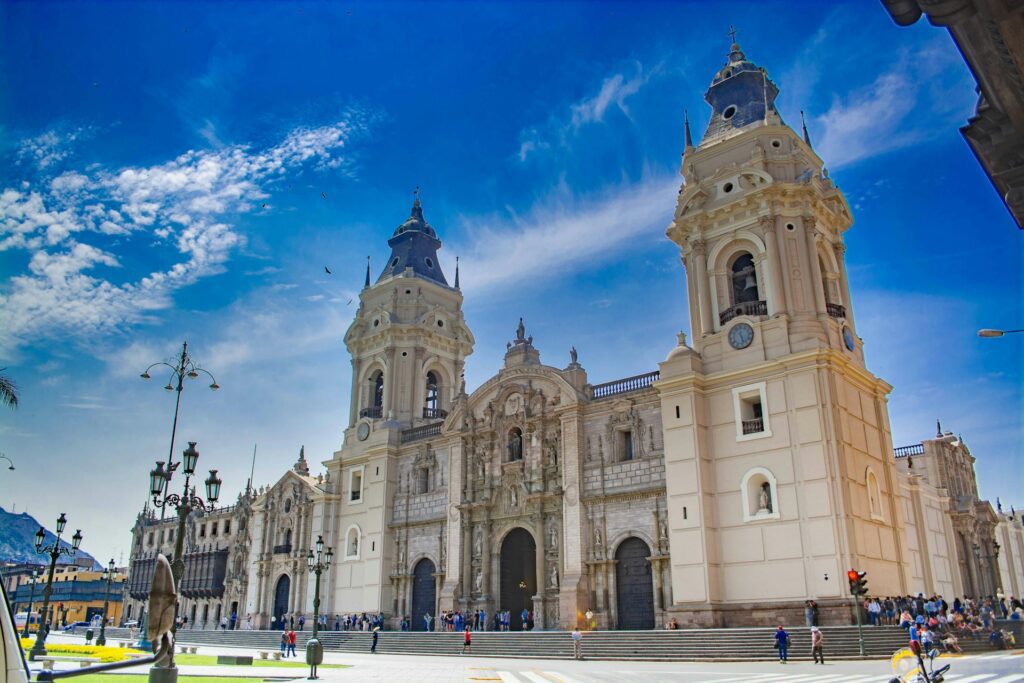
4. Lima Cathedral
Officially known as the Cathedral Basilica of St. John the Apostle and Evangelist, this grand structure has been an iconic symbol of Lima since its foundation by Francisco Pizarro in 1535.
One of the most fascinating aspects of Lima Cathedral is its chapels, each dedicated to different saints and adorned with remarkable artworks. The Chapel of Our Lady of Evangelization, for instance, houses a revered statue of the Virgin Mary that has been venerated by Peruvians for centuries. Another notable chapel is the Chapel of the Immaculate Conception, where you can find exquisite sculptures and paintings that reflect the deep religious devotion of the era.
The cathedral also holds the tomb of Francisco Pizarro, the Spanish conquistador who founded Lima. His remains rest in a striking marble tomb located in the main nave, accompanied by an impressive mosaic that depicts significant scenes from his life.
5. Playa Agua Dulce
Agua Dulce, which translates to “Sweet Water,” is known for its relatively calm and gentle waves, making it a safe and enjoyable place for families and swimmers of all ages. The beach is particularly lively during the summer months, when Lima’s residents flock to the shore to bask in the sun and cool off in the Pacific Ocean.
The beach area also features a playground and recreational facilities, making it a popular destination for families with children. The nearby Parque de Los Heroes (Park of Heroes) provides additional green space for picnics and leisurely activities.
6. Larco Museum
The Larco Museum is renowned for its extensive and meticulously curated collection of artifacts that span over 5,000 years of Peruvian history.
Housed in an 18th-century vice-royal mansion built on the site of a pre-Columbian pyramid, the Larco Museum itself is a work of art. As you enter, you are greeted by beautifully manicured gardens filled with vibrant bougainvillea, setting a serene tone for the exploration ahead.
The museum’s collection includes over 45,000 artifacts, offering an unparalleled glimpse into the lives of ancient Peruvians. Among the highlights are the intricate ceramic works of the Moche culture, known for their realistic portrayals of people, animals, and daily life. The museum is particularly famous for its gallery of erotic pottery, which provides a fascinating insight into the sexual practices of ancient Peru.
7. La Herradura
Known for its distinctive horseshoe shape, which gives the beach its name (“La Herradura” means “The Horseshoe” in Spanish), this coastal spot is beloved by surfers!
La Herradura is famous for its powerful waves, making it a top destination for surfers in Lima. The beach attracts both seasoned surfers and beginners looking to ride its impressive swells. The waves here are particularly renowned during the winter months (June to September), when they reach their peak.
The rugged beauty of La Herradura is complemented by its dramatic cliffs and rocky outcrops, which provide a stunning backdrop for beachgoers.
8. Huaca Huallamarca
Unlike the more commonly visited Huaca Pucllana, Huaca Huallamarca is often less crowded!
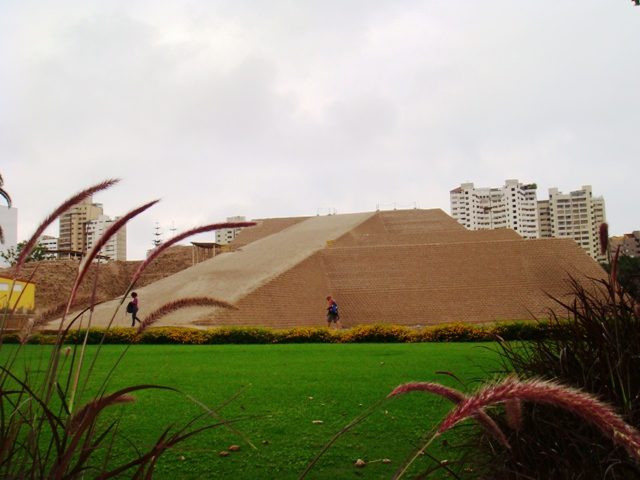
This adobe pyramid, which dates back to around 200 BC to 500 AD, was constructed by the Lima culture and later used by the Wari and Inca civilizations. Originally serving as a ceremonial and burial site, Huaca Huallamarca stands out with its stepped, truncated pyramid design, which has been meticulously restored to give visitors a clear idea of its original grandeur.
9. Government Palace of Peru
The Government Palace of Peru stands majestically on the northern side of the Plaza Mayor. This iconic building, often referred to as the “House of Pizarro,” is the official residence and main workplace of the President of Peru.
The palace’s origins date back to the founding of Lima by Francisco Pizarro in 1535. Pizarro chose the site for his residence and administrative headquarters, and it has served as the seat of government ever since.
Inside, the Government Palace is equally impressive. The Golden Hall, or Salon Dorado, is one of the most notable spaces, featuring gold-leaf details, crystal chandeliers, and elaborate mirrors.
10. Miraflores
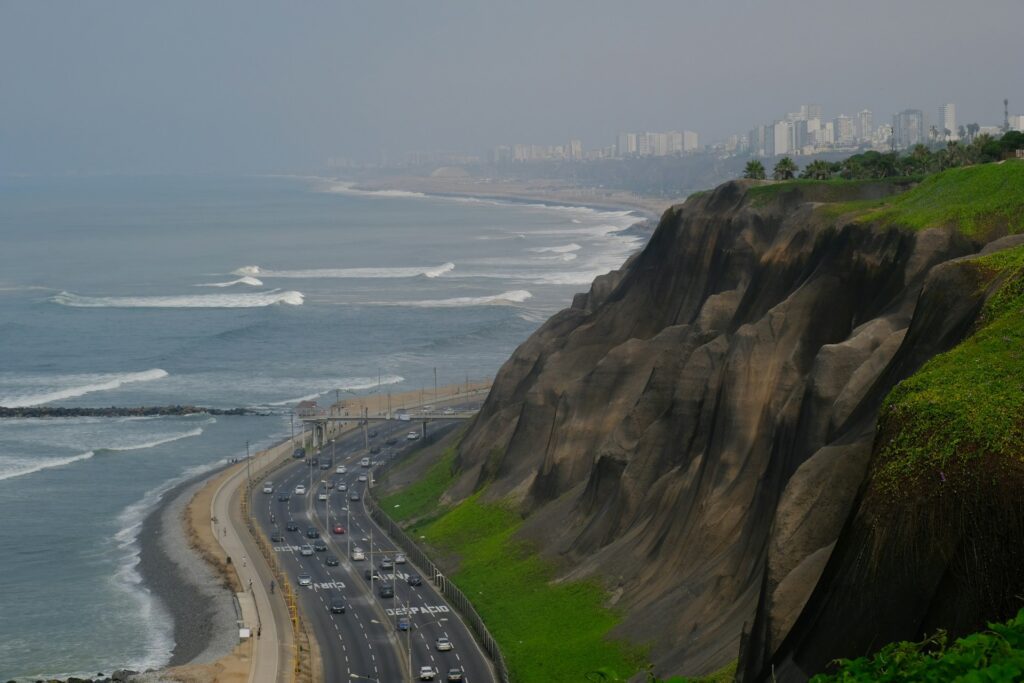
Miraflores is one of Lima’s most vibrant and upscale districts, known for its modern amenities and rich cultural scene. Don’t miss its picturesque coastline, famously lined with cliffs that offer breathtaking views of the Pacific Ocean. If you’re interested, you can join a biking tour that explores Miraflores and beyond in this tour.
The Malecon, a six-mile-long boardwalk, is perfect for walking, jogging, or cycling while enjoying the sea breeze and panoramic vistas. Along the Malecon, you’ll find several parks, such as Parque Kennedy, which is a hub of activity and home to numerous cafes, street vendors, and the beloved “cat park” where friendly felines roam freely.
Parque del Amor, or Love Park, is another iconic spot in Miraflores. This beautifully landscaped park features colorful mosaics and a prominent sculpture called “El Beso” (The Kiss) by renowned Peruvian artist Victor Delfín.
11. Church of La Merced
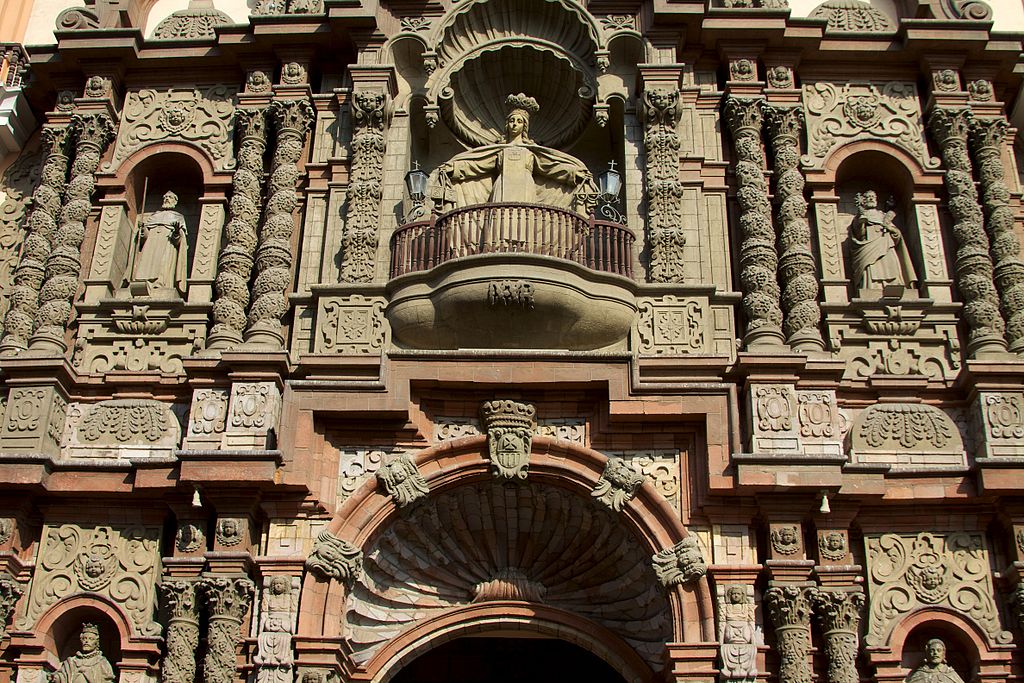
Officially known as the Basilica and Convent of Nuestra Senora de la Merced, this church was originally founded in 1535, the same year as the city itself. The detailed work on the front of the church, especially the statue of the Virgin of Mercy, the church’s patron saint, immediately captures the eye and sets the tone for the grandeur found within.
The Church of La Merced is also known for its side chapels, among these, the Chapel of the Virgin of Carmen is particularly noteworthy for its elaborate silverwork and decorative elements.
12. Iglesia Las Nazarenas
The origins of Iglesia Las Nazarenas date back to the 17th century when a group of Angolan slaves painted a mural of Christ on the cross on a humble adobe wall. In 1655, a massive earthquake struck Lima, causing widespread destruction. Remarkably, the wall bearing the mural remained intact, an event that was deemed miraculous by the local population. This led to the construction of a small chapel around the mural, which eventually became the Iglesia Las Nazarenas we see today.
The main altar, which houses the original mural of the Senor de los Milagros, is the focal point of the church. This image of Christ is revered by millions and is considered a powerful symbol of faith and resilience.
13. Casa de Aliaga
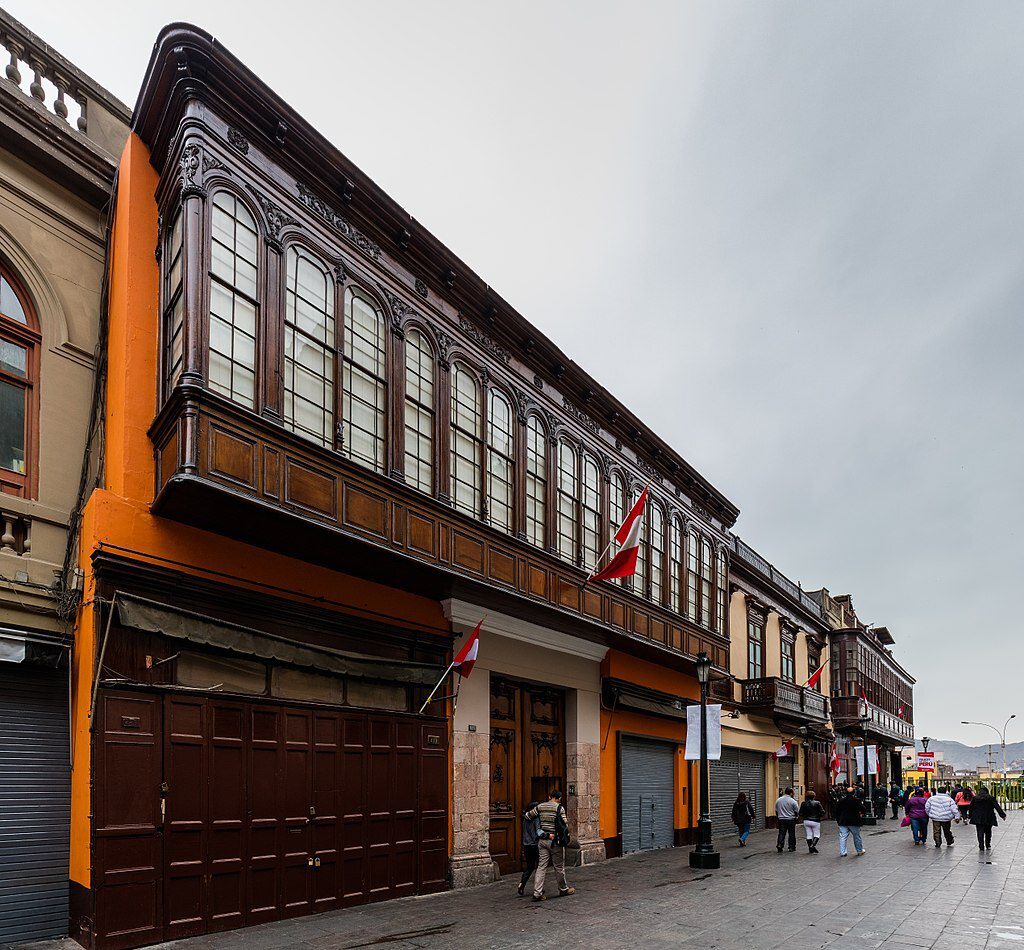
Casa de Aliaga is a magnificent mansion which has been continuously inhabited by the Aliaga family since 1535. It’s one of the oldest and best-preserved colonial houses in the Americas.
The history of Casa de Aliaga is intertwined with the history of Lima itself. The land was granted to Jeronimo de Aliaga, a close ally of Francisco Pizarro, by the conquistador shortly after the city’s founding. The house has remained in the Aliaga family for seventeen generations.
As you step through the grand entrance, you are immediately transported back in time. The interior of Casa de Aliaga is a stunning example of colonial architecture, featuring beautifully preserved wooden balconies, intricately carved ceilings, and antique furnishings. Each room is a treasure trove of historical artifacts, from paintings and sculptures to furniture and decorative objects that reflect the opulence of colonial Lima.
14. Lima Main Square

Lima Main Square, also known as Plaza Mayor or Plaza de Armas, is the historic heart of Lima and one of the most important public spaces in Peru. Founded by Francisco Pizarro in 1535, the square has been the focal point of Lima’s social, political, and cultural life for centuries. Surrounded by some of the city’s most iconic buildings, the Plaza Mayor is a must-visit destination for anyone exploring Lima’s rich heritage.
The Plaza Mayor is a large, open space lined with palm trees, fountains, and beautifully landscaped gardens. At its center stands a bronze fountain, dating back to 1651, which has become a symbol of the city’s colonial past. Her, you can witness the Changing of the Guard ceremony, which takes place daily at noon.
15. Basilica and Convent of Santo Domingo
The Basilica and Convent of Santo Domingo’s construction was spearheaded by the Dominican Order, and it has played a central role in the religious life of the city ever since.
The exterior of the Basilica and Convent of Santo Domingo is notable for its distinctive pink facade and elegant bell tower, which stands as one of the tallest in Lima.
One of the most significant aspects of the Basilica and Convent of Santo Domingo is its connection to three important saints of the Americas: Saint Rose of Lima, Saint Martin de Porres, and Saint John Macias. Relics and artifacts related to these saints are housed here, making it a major pilgrimage site for the faithful. Saint Rose of Lima, the first saint of the Americas, and Saint Martin de Porres, the first black saint of the Americas, both have their remains interred in the convent, adding to its spiritual significance.
Where to Stay in Lima
When visiting Lima, you’ll find a diverse array of accommodation options to suit every traveler’s needs and budget. From the upscale, cosmopolitan vibe of Miraflores with its luxury hotels and stunning ocean views, to the charming, historic ambiance of Barranco’s boutique inns, and the bustling energy of Lima’s city center offering affordable stays close to major attractions, Lima caters to all preferences. Here are some of the top-rated places to stay in Lima:
Best Hotels in Lima:
- Sonesta Hotel El Olivar – ideal for both business and leisure travelers, the hotel offers modern accommodations, an outdoor pool, and WiFi. Rooms feature sophisticated designs with a cozy wood mix, cable TV, and marble bathrooms with modern amenities. You can enjoy 24-hour room service, a fitness area, a beauty salon, and a barber shop.
- La Casona Azul – offers cozy accommodations with free WiFi, a sun terrace, and 24-hour front desk. Each unit has a wardrobe, flat-screen TV, private bathroom, and some include a kitchen.
- Hotel Antigua Miraflores – located in a quiet, secure area with fine restaurants, shopping, and nightlife, the hotel features rooms with hand-crafted furniture, queen-size beds, and cable TV, while suites include spa baths and kitchenettes. On-site services include a tour desk, money exchange, art sales, laundry, luggage storage, and airport transfers.
Best Hostels in Lima:
- Waikiki Hostel – just a 5-minute walk from the oceanfront and close to downtown. The hostel offers private rooms with air conditioning and dorms for 4 to 8 people, each equipped with individual reading lights, power sockets, and lockers. Facilities include a large roof terrace with a bar, a common area with computers, free Wi-Fi, a fully equipped kitchen, and a book exchange.
- Pariwana Hostel – enjoy free Wi-Fi, daily walking tours, city maps, bed linen, reading lights, and security lockers with plugs. The hostel features 24-hour reception and security, hot showers, laundry service, book exchange, and transportation services. You can relax and socialize in common areas with games, a large terrace, and a restaurant serving Peruvian and international cuisine.
- Viajero Kokopelli – experience bohemian vibes at this hostel, where a 1914 architectural gem in Barranco has been transformed into top-quality accommodation with dorms and private rooms.
How to Get Around Lima
Getting around Lima requires a bit of planning and flexibility. Here are some options for transportation to help you make the most of your visit:
- Metropolitano Bus System: Efficient buses on dedicated lanes, requires a rechargeable smart card.
- Lima Metro (Tren Electrico): Line 1 runs from Villa El Salvador to San Juan de Lurigancho, with tickets available at stations.
- Microbuses and Combis: Extensive local routes, pay fares in cash to the driver or conductor.
- Taxis: Agree on the fare before starting; use registered services or apps for safety.
- Ride-Sharing Apps: Uber, Cabify, and Beat offer safe, convenient rides with cashless payments.
- Walking: Ideal for exploring Miraflores, Barranco, and the historic center; be cautious crossing streets.
- Biking: Rentals available, dedicated lanes in several districts, scenic routes like the Malecon.
How to Stay Safe in Lima
Staying safe in Lima requires a mix of common sense and specific precautions. Keep up with local news and travel advisories before and during your trip, as political demonstrations and protests can occur. It’s best to avoid these areas. Opt for accomodation in safer neighborhoods such as Miraflores, San Isidro, and Barranco. These areas are more tourist-friendly and have a stronger police presence. Avoid wearing expensive jewelry, watches, or carrying large amounts of cash. Keep your smartphone and camera out of sight when not in use. It’s also recommended to get travel insurance.
Use registered taxis, ride-sharing apps like Uber and Cabify, or arrange transportation through your hotel. Avoid hailing cabs off the street, especially at night. Be cautious with ATMs. Use machines inside banks or shopping centers rather than those on the street to reduce the risk of skimming devices or robbery. Avoid walking alone at night, especially in unfamiliar or less busy areas. Stick to well-lit, populated streets and use main roads rather than shortcuts through alleys.
Pickpocketing can be a problem in crowded areas. Keep your belongings secure and be mindful of your surroundings.
Best Time to Visit Lima
The best time to visit Lima is from December to April. During these months, the weather is warm and sunny, with average temperatures ranging from 24°C – 28°C (75°F – 82°F). This period is ideal for enjoying the city’s beaches, outdoor activities, and vibrant festivals.
The pleasant weather allows for comfortable exploration of Lima’s historical sites and neighborhoods without the typical overcast skies and cooler temperatures found in other months.
Plan Your Trip to Peru | Best Travel Resources
Book Your Accommodations
- Booking.com – the world’s leading online booking platform for accomodations around the world, they have an extensive amount of available listings with zero booking fees and best price guarantees.
- Hostelworld – a backpacker’s best friend, Hostelworld has the largest collection of hostels and guesthouses for affordable prices.
Don’t Forget Insurance
- SafetyWing – from Nomad Insurance, an insurance by nomads for nomads. They understand our lifestyle well and have really comprehensive and flexible plans that cater to any traveler.
Find Cheap Flights
- Kiwi.com – my go-to for booking and finding the cheapest flights and it’s helped me save tons of money. They do virtual interlining which is connecting flights from airlines that do not codeshare, so you can find routes that you wouldn’t be able to find normally.
Join Tours & Activities
- GetYourGuide – is one of the best places to find unique tours and activities. I found that it’s an excellent way to meet fellow travelers and create fond memories. They are not only limited to tours as they also offer niche services such as skip-the-line tickets or private transfers.
Catch a Ride
- Rentalcars.com – nothing beats the freedom of the road, Rentalcars.com is the world’s largest online car rental service. They operate across 160 countries so they’re the perfect partner to work with if you find yourself wanting a ride.