Nestled in the heart of the Andes, the Quechua people embody a living connection to one of the most illustrious civilizations of the pre-Columbian Americas: the Inca Empire. With a heritage that spans thousands of years, the Quechua have not only preserved their unique culture but have also adapted to the sweeping changes of the modern world.
This article goes into the history of the Quechua, exploring their origins and traditions. Through understanding the Quechua, we gain a profound appreciation for the resilience and continuity of indigenous cultures in the face of historical upheavals. So, get ready to journey through the highlands of South America and to discover the legacy of the Quechua people.
Table of Contents
Toggle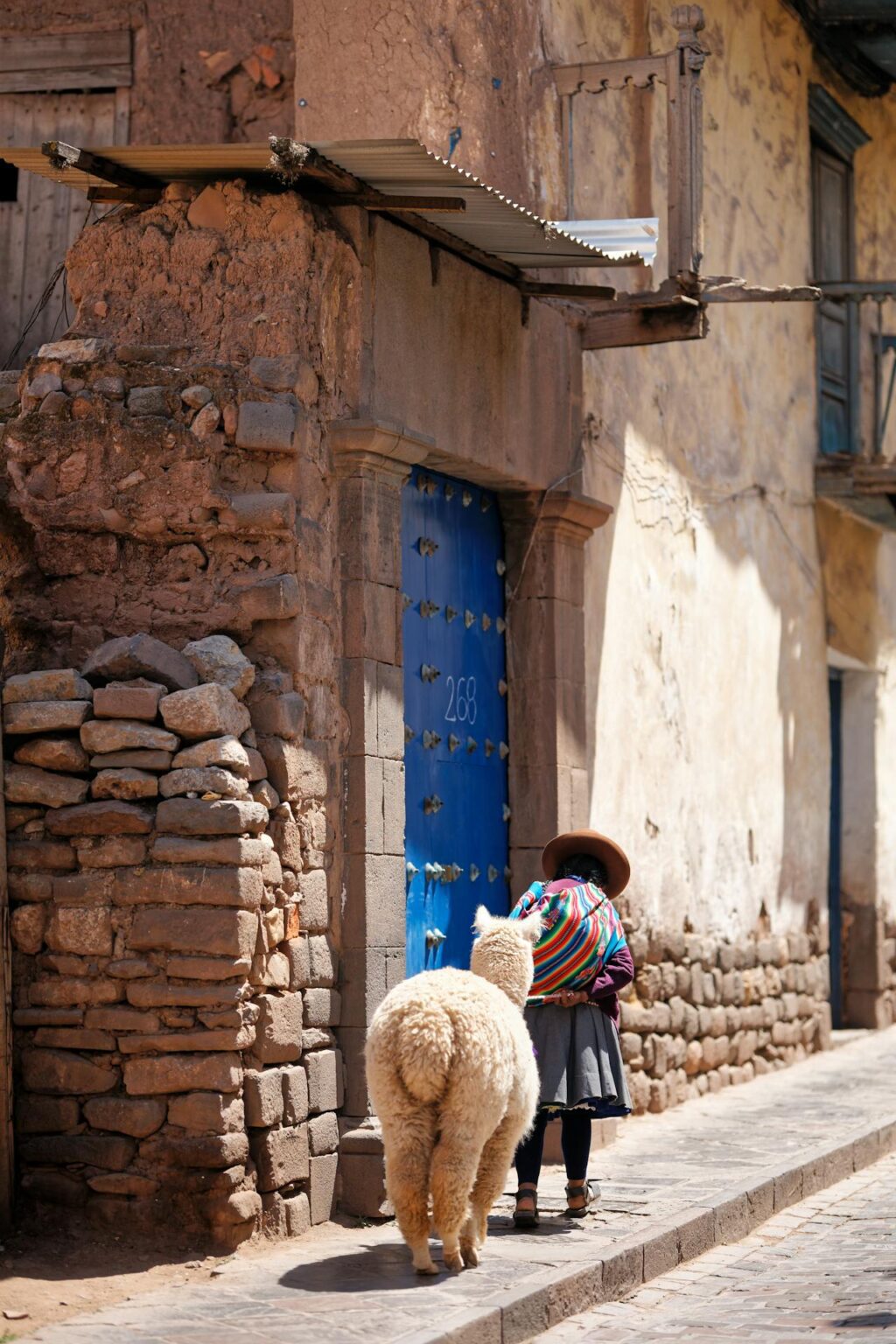
History of the Quechua
The Quechua are believed to have roots in various pre-Inca cultures, such as the Chavin, Moche, and Wari, which flourished in the Andean region. These early civilizations laid the foundation for the development of advanced agricultural techniques, intricate art, and sophisticated social structures.
The Inca Empire, which emerged in the early 13th century, was the pinnacle of Andean civilization. Under the leadership of Pachacuti, the Inca expanded their territory from a small kingdom centered in Cusco to a vast empire stretching from present-day Colombia to Chile. The Quechua language became the administrative and cultural lingua franca of the empire.
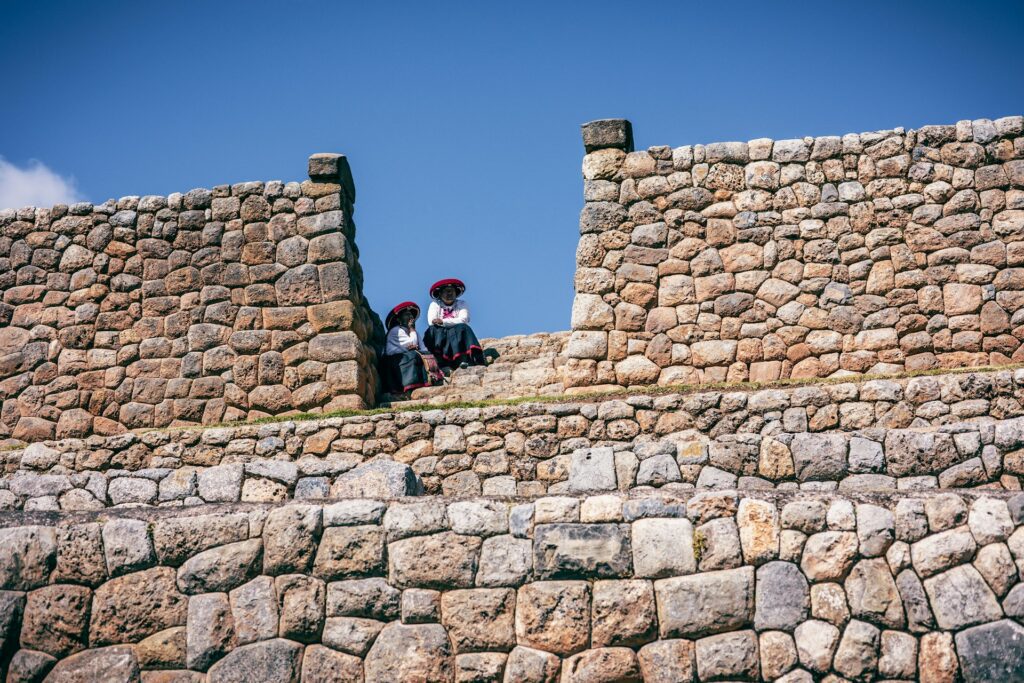
Machu Picchu, Sacsayhuaman, and the extensive network of roads known as the Qhapaq Nan are enduring symbols of Inca ingenuity.
The arrival of the Spanish in the early 16th century marked a dramatic turning point for the Quechua people. The Spanish conquest, led by Francisco Pizarro, resulted in the fall of the Inca Empire and the imposition of colonial rule. The Quechua, along with other indigenous groups, faced devastating epidemics, forced labor, and the suppression of their cultural practices. Despite these hardships, the Quechua managed to preserve many aspects of their heritage to this day.
Cultural Concepts of the Quechua
Yanantin and Masintin
Yanantin refers to the concept of duality and complementary opposites in Quechua culture, where everything in the universe is seen as having a counterpart that complements and balances it. Masintin represents the harmonious relationship between these opposites.

Kawsay
Kawsay means “life,” but it encompasses more than just physical existence. It includes the spiritual, emotional, and communal aspects of life. Kawsay reflects the interconnectedness of all aspects of being and the importance of maintaining balance and well-being in all areas.
Munay, Llank'ay, and Yachay
These are three core principles in Quechua philosophy. Munay represents the will to do good. Llank’ay signifies work. Yachay stands for knowledge. Together, they form the foundation of ethical behavior in Quechua culture.
Camay
Camay is the concept of vital energy that permeates all things. It is believed that everything in the universe, both living and non-living, possesses this vital force. Understanding and respecting Camay is essential in maintaining harmony with nature and the cosmos.
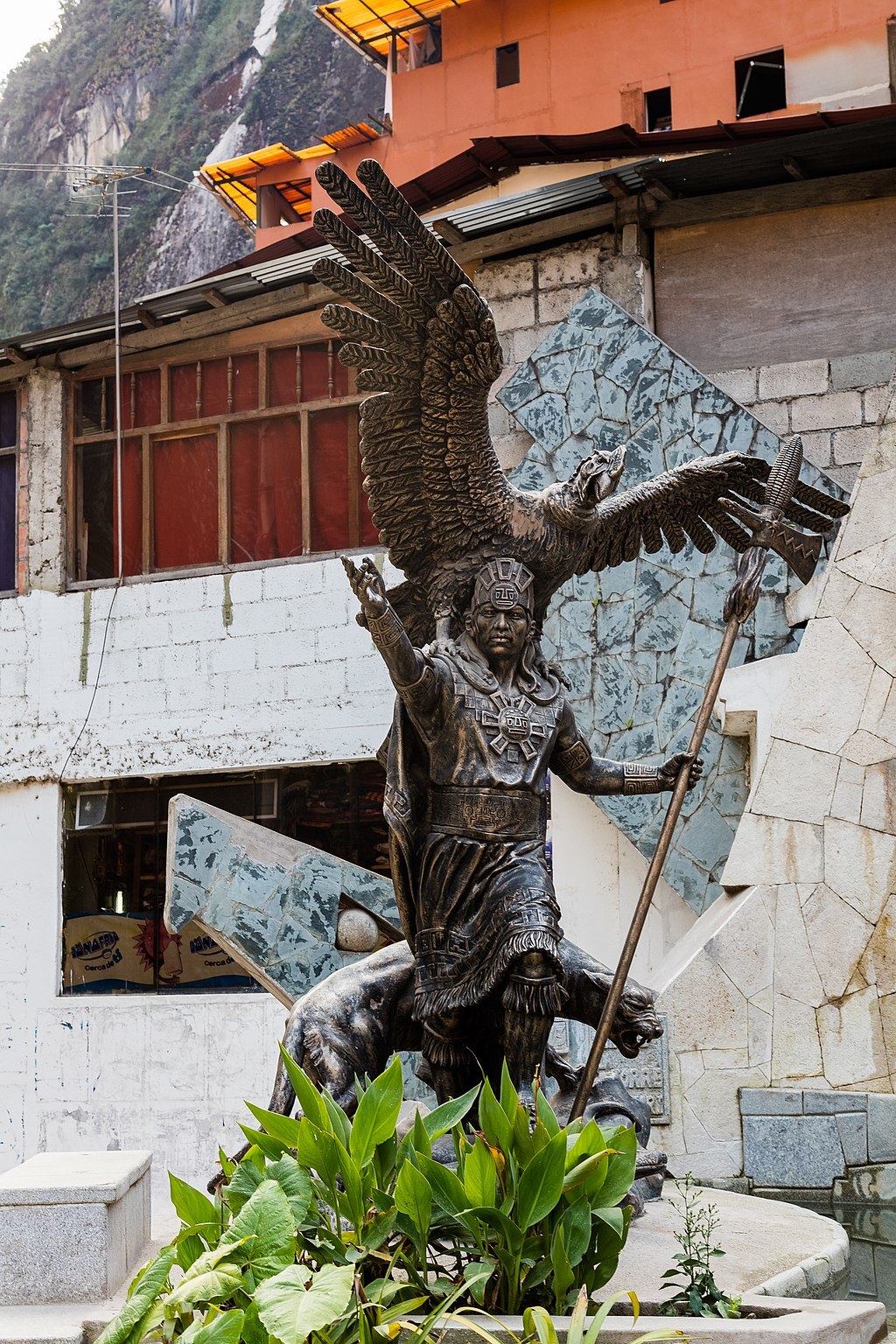
What is the Religion of the Quechua?
The Quechua people have a deeply spiritual culture that seamlessly blends ancient Andean beliefs with elements of Roman Catholicism introduced during the Spanish colonization. Their religious practices are a reflection of their connection to the natural world and the cosmos, a heritage rooted in the Inca civilization and even earlier indigenous traditions.
At the core of traditional Quechua spirituality is a profound reverence for Pachamama, the Earth Mother, who is seen as the source of fertility, agricultural abundance, and the sustainer of life. Pachamama is not just a deity but a living entity that must be respected and honored through various rituals and offerings, known as “pagos” or payments. These rituals often involve the offering of coca leaves, chicha (a traditional corn beer), and other natural elements.
Inti, the Sun God, is another central figure in Quechua religion, symbolizing warmth, light, and the cyclical nature of time and seasons.
The Quechua also venerate the Apus, or mountain spirits, believed to inhabit the Andean peaks. These spirits are considered protectors of the people.
What are the Traditions of the Quechua?
Ayni
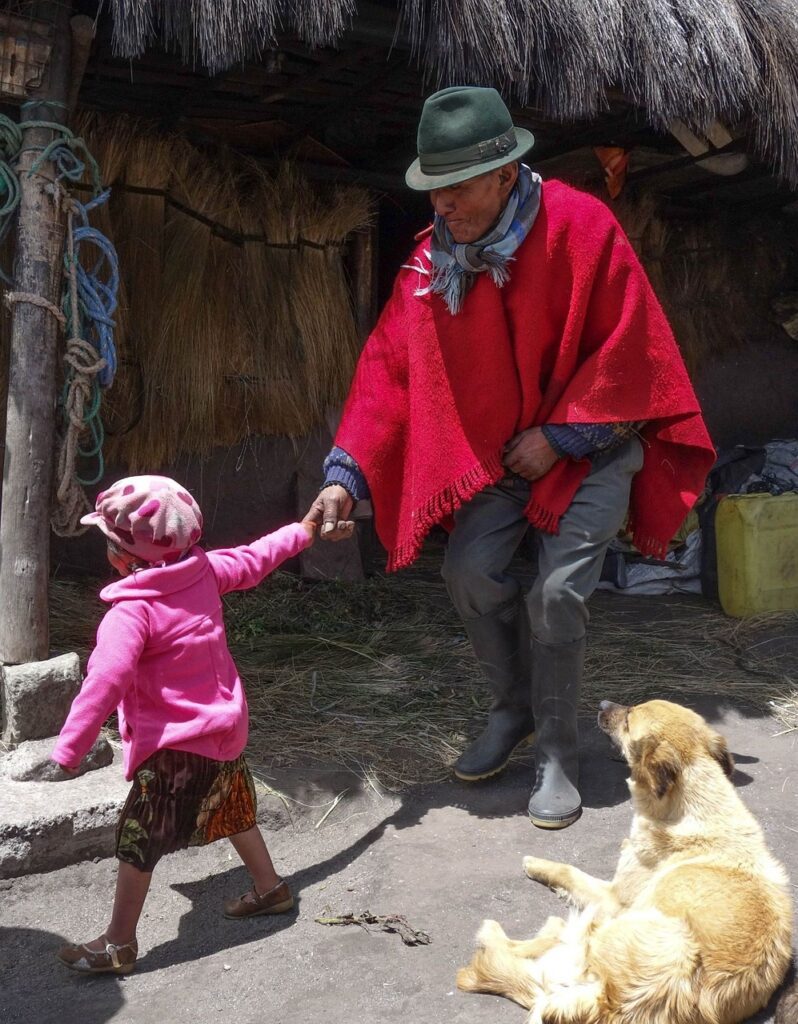
Ayni is a traditional practice of reciprocal exchange and mutual aid. It is a fundamental principle in Quechua society, where community members help each other with agricultural work, building projects, and other tasks.
Wak'a Worship
Wak’as are sacred sites or objects, such as mountains, springs, rocks, and trees, believed to be inhabited by spirits. The Quechua people perform rituals and make offerings to these wak’as to seek blessings, protection, and guidance.
K'intu
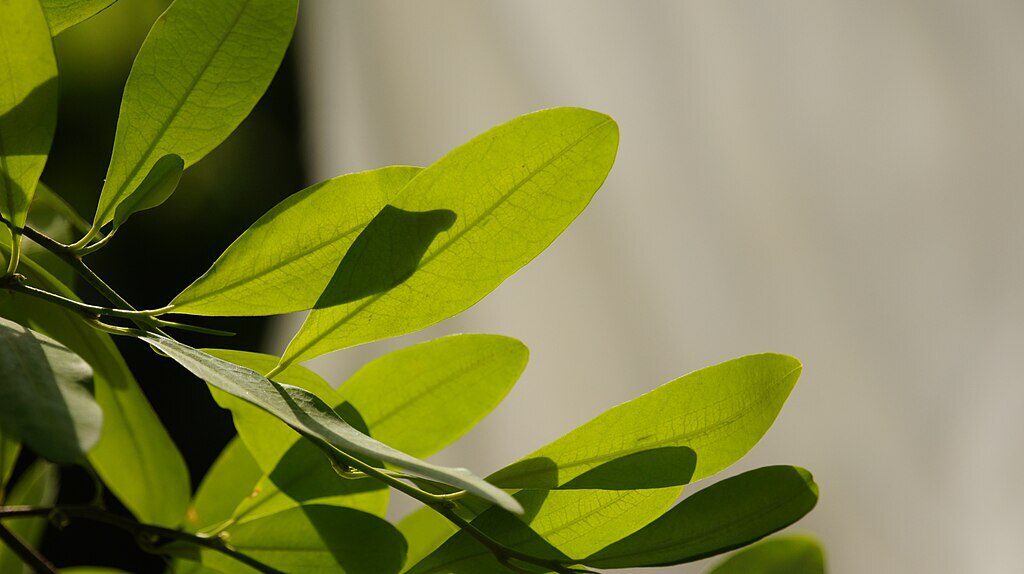
The k’intu is a ceremonial offering of coca leaves, an essential part of Quechua rituals. Participants select three coca leaves and hold them together as they make a prayer to the spirits. The k’intu is then offered to the earth.
Quechua Traditional Dance
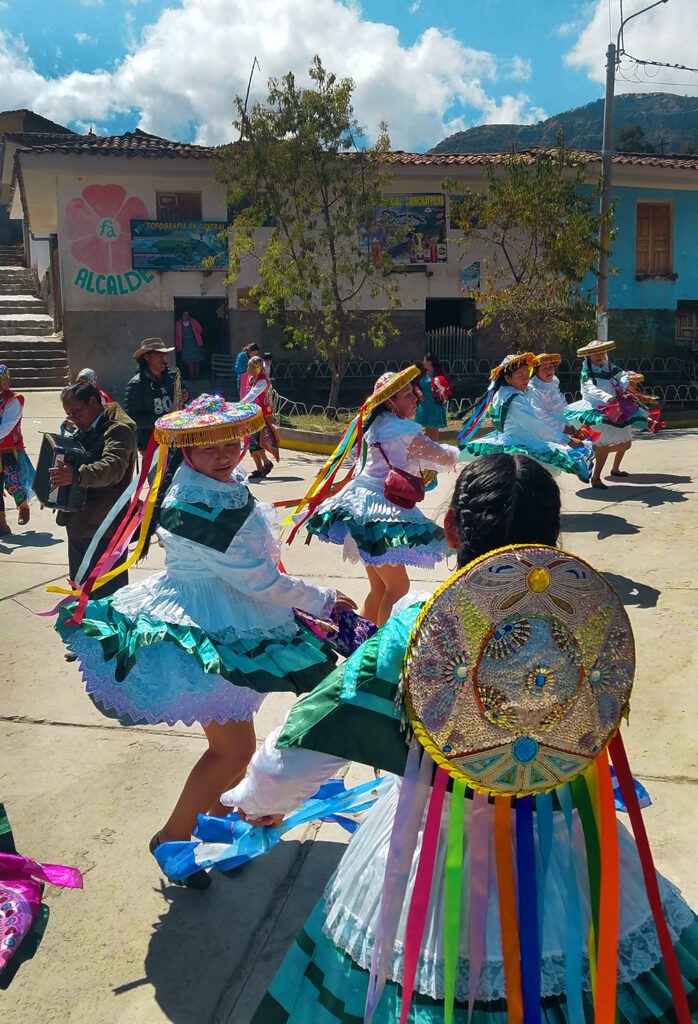
Quechua traditional dance is an integral part of their cultural expression, serving as a vibrant means to celebrate their history, beliefs, and community bonds:
Huayno: Combines rhythmic stomping and twirling movements, often accompanied by cheerful and romantic songs. Dancers typically wear colorful, intricately embroidered clothing showcasing regional patterns and designs.
Qhapaq Qolla: Commonly performed during the “Corpus Christi” festival, representing the cultural exchange between the highland Quechua and the Qolla people from the southern Andean regions. This dance is characterized by dynamic and rhythmic movements, with dancers donning elaborate costumes featuring intricate beadwork, mirrors, and ribbons.
Diablada: Known as the “Dance of the Devils,” performed during the “Puno Week” and “Virgin of Candelaria” festivals. This dance blends pre-Columbian and Christian influences, depicting the battle between good and evil.
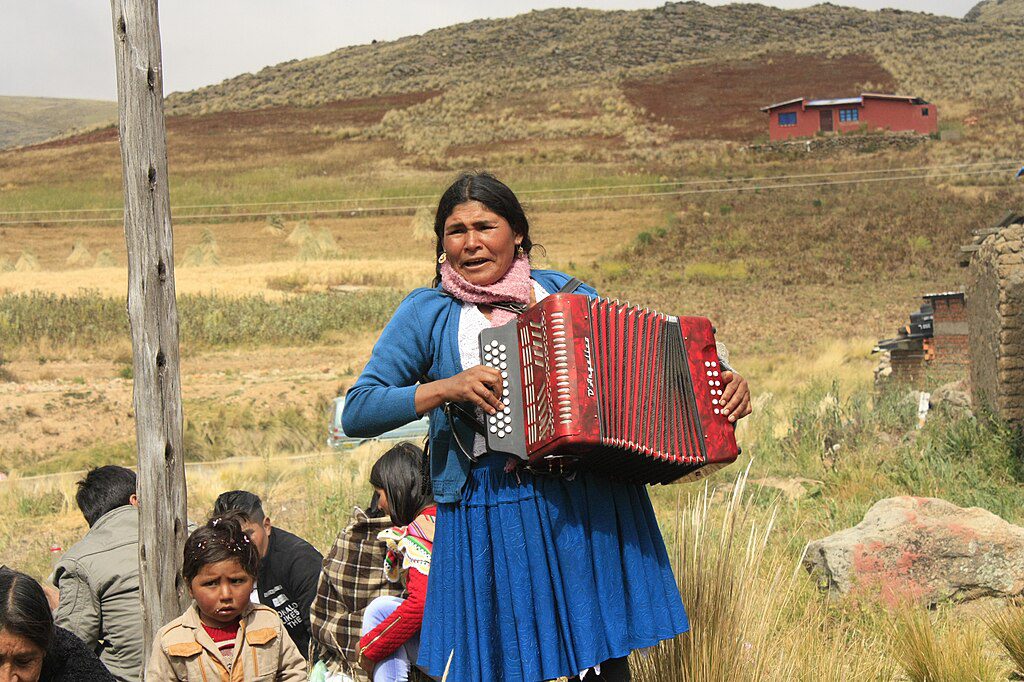
Quechua Traditional Music
Quechua instruments are crafted from natural materials available in the Andes. Here’s an overview of some of the most important Quechua musical instruments:
Charango: The charango is a small stringed instrument resembling a lute, traditionally made from the shell of an armadillo or wood. It has ten strings arranged in five pairs, producing a bright, resonant sound.
Quena: The quena is a traditional flute made from cane or wood, known for its melodic and haunting tone. It has six finger holes and one thumb hole, allowing for a range of notes and expressive playing.
Zampona: Also known as panpipes, the zampona consists of multiple bamboo tubes of varying lengths bound together. Each tube produces a different note, and players blow across the top to create harmonic melodies.
Bombo: The bombo is a large drum made from hollowed-out logs and covered with animal skins. It provides a deep, resonant bass sound that forms the rhythmic foundation of many Quechua musical pieces.

What is Quechua Cuisine like?
Quechua diet is based on locally sourced foods, emphasizing the use of potatoes, maize, and quinoa, which have been staples in the Quechua diet for centuries. Here are some of the must-tries:
Papas: The Andes are the birthplace of the potato, and there are thousands of varieties cultivated by the Quechua. A traditional dish is “Papa a la Huancaina,” featuring boiled potatoes served with a spicy cheese sauce.
Quinoa: Known as the “mother grain” of the Incas, quinoa is a highly nutritious seed that has been cultivated for thousands of years. It is used in soups, stews, salads, and as a side dish.
Maize: Maize is a central component of Quechua cuisine, used in a variety of forms. “Choclo” is large-kernel corn often boiled and served with cheese. “Chicha de Jora” is a traditional fermented corn beverage enjoyed during festivals and celebrations.
Cuy: Cuy or Guinea Pig is a traditional source of protein and is considered a delicacy in Quechua cuisine. It is often roasted or fried and served with potatoes and corn. This dish is typically reserved for special occasions and festive gatherings.
Llama and Alpaca: These animals provide both meat and wool. Their lean meat is cooked in various ways, including grilled, stewed, and dried.
Tamales and Humitas: These are corn-based dishes wrapped in corn husks or leaves and steamed. Tamales are usually filled with meat, cheese, or vegetables, while humitas are often sweeter, sometimes made with fresh corn and cheese.
Locro: Locro is a traditional Andean stew made with potatoes, corn, and other vegetables, often seasoned with herbs and spices.

What is Quechua Language like?
The Quechua language, known as Runasimi or “language of the people,” is one of the oldest and most widely spoken indigenous languages in the Americas. With a history that predates the Inca Empire, Quechua has evolved into several dialects, spoken by millions across Peru, Bolivia, Ecuador, Colombia, and Argentina.
Quechua is an agglutinative language, meaning that it forms words by adding a series of suffixes to a root. This characteristic allows for the creation of complex words that convey detailed information about tense, mood, person, and other grammatical aspects within a single word. For example, the word “runasimipi” can be broken down into “runa” (person), “simi” (language), and “pi” (in), meaning “in the language of the people.”
The language has a relatively simple phonetic system, consisting of three vowel sounds (a, i, u) and a set of consonants that are generally consistent across different dialects.
Traditional Quechua Festivals
Inti Raymi
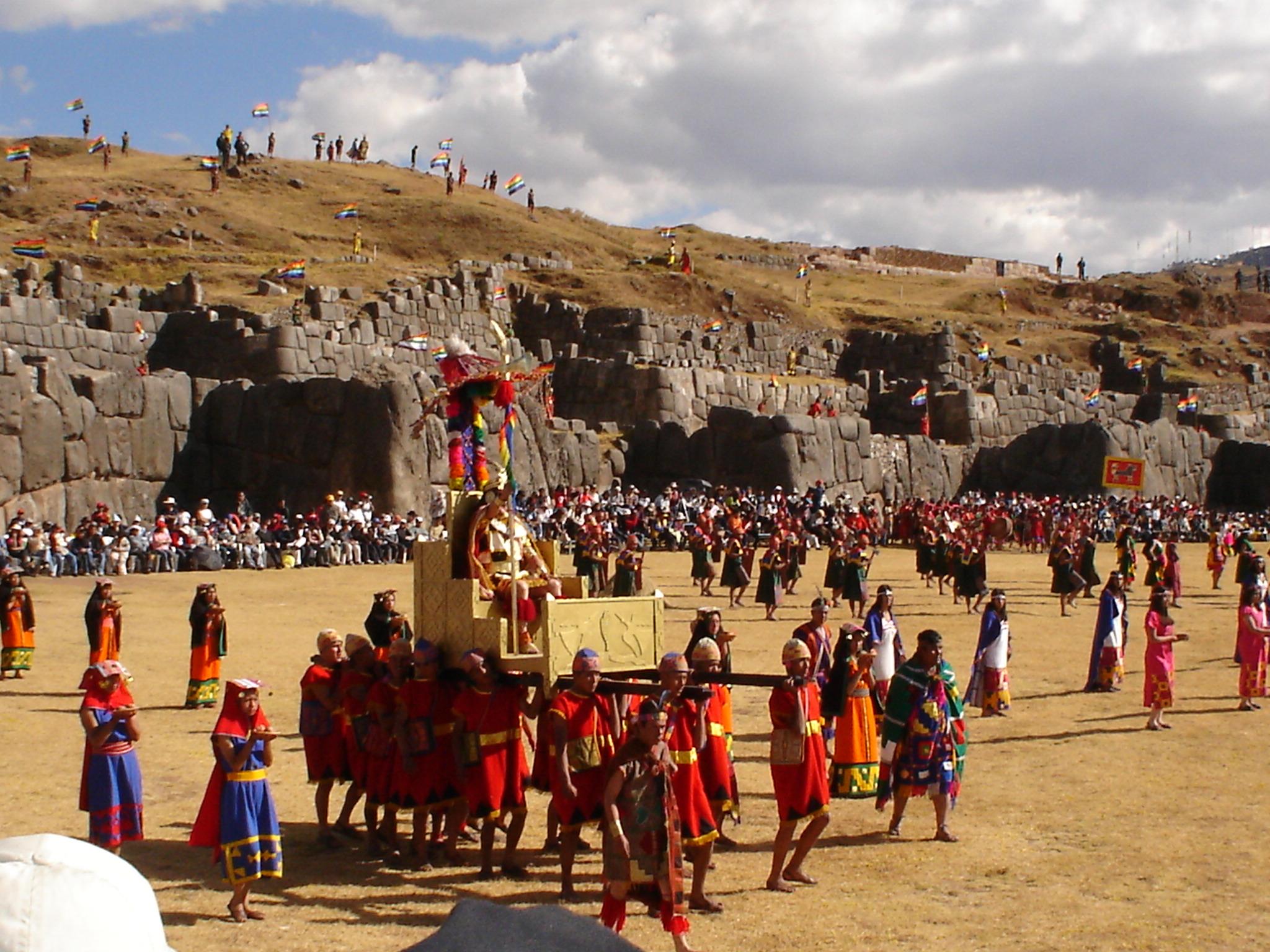
Inti Raymi, or the Festival of the Sun, is one of the most important Quechua festivals, celebrated on June 24th during the winter solstice. This festival honors Inti, the Sun God, and marks the beginning of the Inca New Year.
Pachamama Raymi
Celebrated on August 1st, Pachamama Raymi is a festival dedicated to Pachamama, the Earth Mother. Offerings, known as “pagos,” include coca leaves, chicha (corn beer), food, and other items, which are buried in the earth as a symbolic gesture of gratitude.
Qoyllur Rit’i
Held in late May or early June, Qoyllur Rit’i, meaning “Snow Star,” is a pilgrimage festival that takes place in the Sinakara Valley near Cusco. It combines elements of Catholicism and indigenous beliefs, attracting thousands of Quechua pilgrims who hike to the snow-capped mountains.
Customs of the Quechua
-
Coca leaves are often chewed to alleviate hunger, fatigue, and altitude sickness.
-
When traveling through the Andes, it is customary to build small stone cairns, known as apachitas, as offerings to the mountain spirits (apus).
-
In Quechua communities, courtship often involves the “raccay” ceremony, where the groom’s family visits the bride’s family to formally request her hand in marriage, bringing gifts as a sign of respect and goodwill.
-
In some Quechua communities, ayahuasca ceremonies are a customary practice for spiritual healing and guidance. Led by a shaman, participants consume a brew made from the ayahuasca vine and other plants, inducing visions and deep introspective experiences.
-
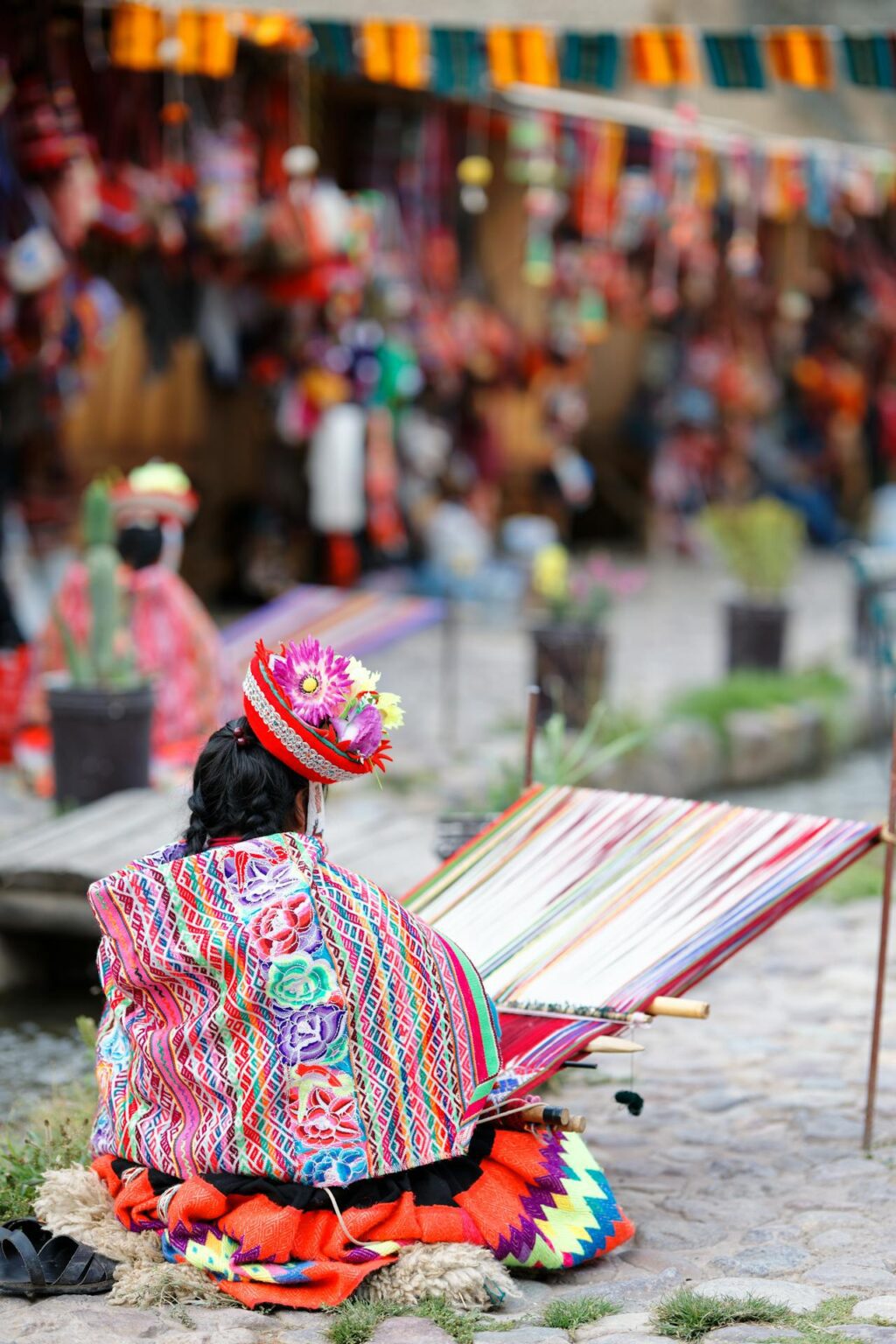
Women typically wear colorful skirts (polleras), woven belts (chumpis), and shawls (lliqllas), while men wear ponchos and hats that vary by region.
-
In many Quechua communities, greeting someone with a double cheek kiss is a customary way to show affection and respect.
Plan Your Trip to Peru | Best Travel Resources
Book Your Accommodations
- Booking.com – the world’s leading online booking platform for accomodations around the world, they have an extensive amount of available listings with zero booking fees and best price guarantees.
- Hostelworld – a backpacker’s best friend, Hostelworld has the largest collection of hostels and guesthouses for affordable prices.
Don’t Forget Insurance
- SafetyWing – from Nomad Insurance, an insurance by nomads for nomads. They understand our lifestyle well and have really comprehensive and flexible plans that cater to any traveler.
Find Cheap Flights
- Kiwi.com – my go-to for booking and finding the cheapest flights and it’s helped me save tons of money. They do virtual interlining which is connecting flights from airlines that do not codeshare, so you can find routes that you wouldn’t be able to find normally.
Join Tours & Activities
- GetYourGuide – is one of the best places to find unique tours and activities. I found that it’s an excellent way to meet fellow travelers and create fond memories. They are not only limited to tours as they also offer niche services such as skip-the-line tickets or private transfers.
Catch a Ride
- Rentalcars.com – nothing beats the freedom of the road, Rentalcars.com is the world’s largest online car rental service. They operate across 160 countries so they’re the perfect partner to work with if you find yourself wanting a ride.