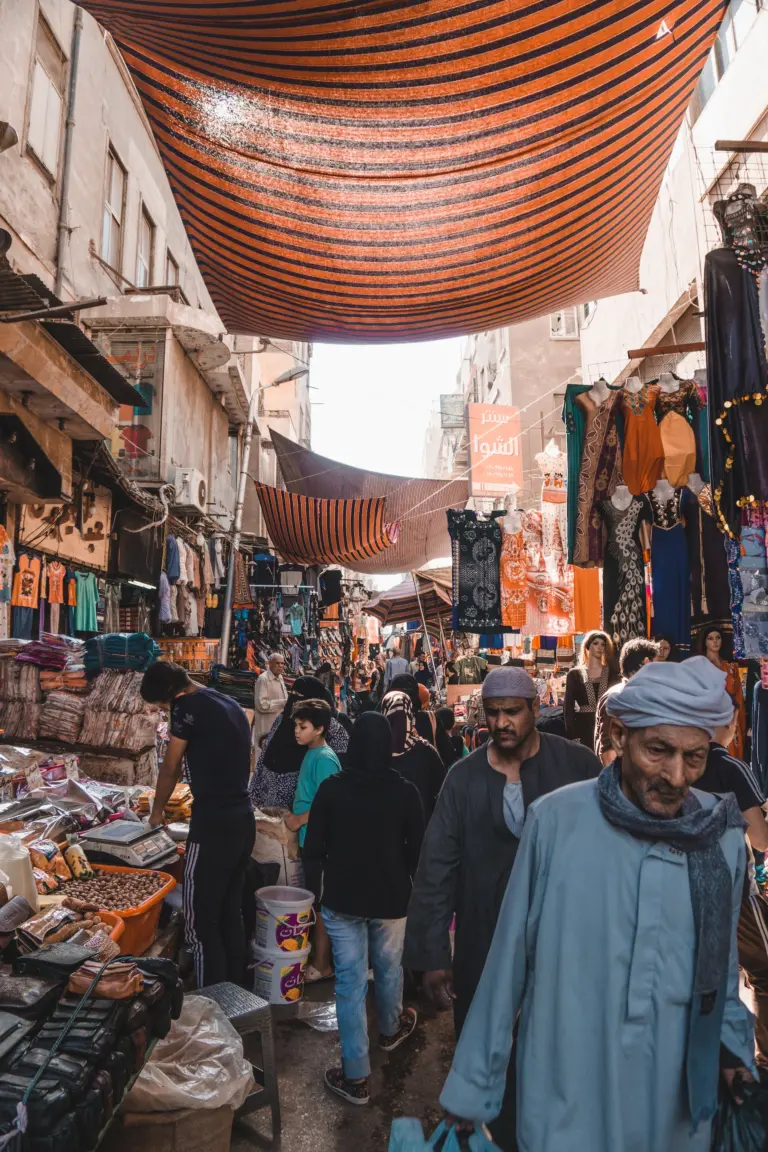
Kathmandu, the heart of Nepal, is more than its capital; it’s a reflection of the country’s soul. The architecture here is a mix of historic styles influenced by various dynasties, offering a glimpse into the city’s layered past. Amidst these historical echoes, the present vibrates with the energy of a growing, dynamic urban environment.
The people of Kathmandu are its true essence. A melting pot of ethnicities and cultures, the city thrives on the diversity of its inhabitants. This diversity is visible in the everyday life of the city, where traditional practices are preserved even as residents embrace the changes brought by globalization.
What I particularly loved the most about Kathmandu is that it’s essentially the spiritual hub of Nepal. With both Buddhist and Hindu communities co-existing in harmony, the scent of incense wafting through the air, and traditional shops in every street corner. It’s one of those cities where I totally felt at peace while exploring it’s ancient alleys.
Table of Contents
Toggle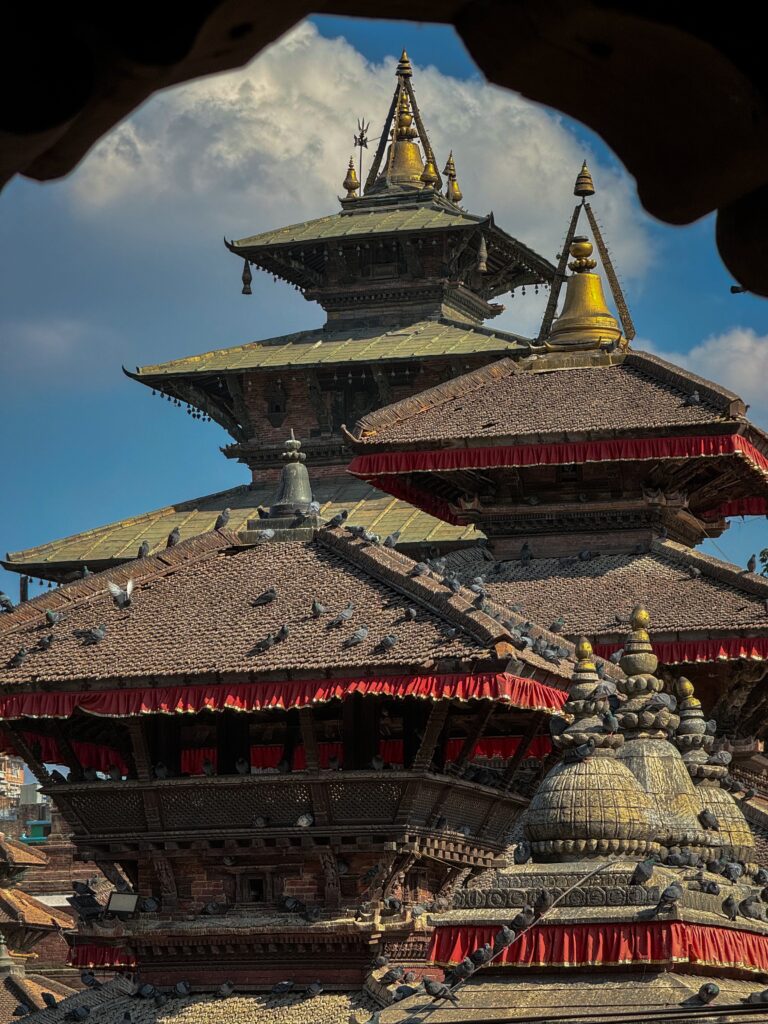
History of Kathmandu
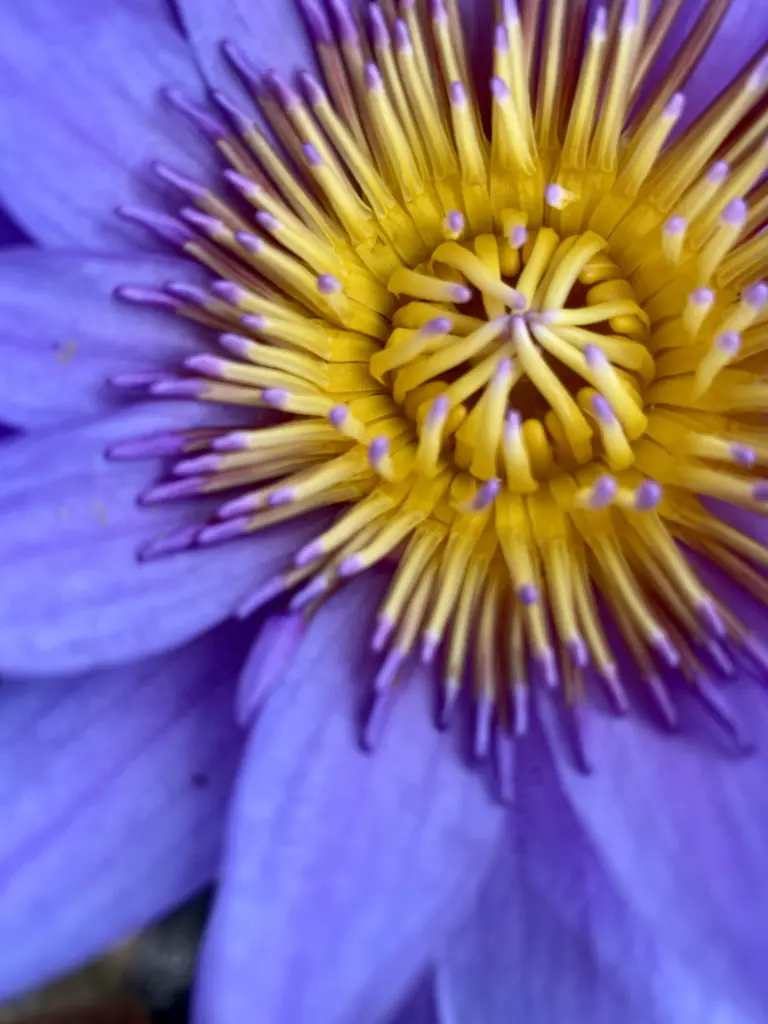
It’s believed that the Kathmandu Valley was once a vast lake, and according to legend, a Bodhisattva named Manjushri saw a lotus flower in the center of this lake and cut a gorge at Chovar to drain the water and make the land habitable.
This valley became the cradle of Nepalese civilization. Over centuries, Kathmandu blossomed into a thriving city, with its history deeply rooted in the dynasties that ruled it. The Malla kings, in particular, left an indelible mark during their reign from the 12th to the 18th century, building many of the city’s most iconic temples and palaces that you’ll see on this article.
Throughout its history, Kathmandu has faced challenges, from invasions to natural disasters, but its spirit has remained unbroken.
Best Tours in Kathmandu
If you’re looking for activities to join from Kathmandu, look no further as there are plenty of awesome tours to join right from your hotel’s doorstep. Here are some of the top-rated ones:
- Mount Everest Scenic Tour by Plane with Transfers – See Mount Everest from the sky as you depart from Kathmandu on a scenic tour by plane. Gaze down at the vast glaciers of the Himalayas and benefit from a return hotel transfer.
- Nepali Cooking Class & Momo Making with Pickup – Immerse yourself into Nepali culture through its food. During this workshop, hands-on cooking class, participants start from scratch by learning how to choose the best ingredients for selective meal.
- Kathmandu City Flavors Guided Walking Tour – Take a bite out of Kathmandu on this guided walking tour with delicious tastings. Immerse yourself in local culture through dishes like momo dumplings and selroti (rice flour donuts).
- 2 Stupas and Kapan Monastery Spiritual Tour – Find peace at the Jamche Vijaya Stupa, connect with monks at Kapan Monastery, and absorb sacred energy at the Boudhanath Stupa on this tour from Katmandu. Discover Buddhist sites with a licensed guide.
- Nagarkot Sunrise and Hike Tour to Changu Narayan– Soak in the fresh mountain air and sweeping views of the Himalayas on a day trip from Kathmandu. Travel between the towns of Nagarkot and Changu Narayan, traversing a rugged mountain landscape.
- Rafting in Trisuli River from Kathmandu with Private Vehicle – Experience thrilling Trisuli River rafting from Kathmandu with the comfort of a private vehicle. Enjoy rapid adventures and scenic beauty, with all equipment and meals included.
Nepalese Cultural Overview
Nepal’s culture is rich and varied, shaped by the over 120 ethnic groups that live across its landscapes. These groups each contribute their own traditions, languages, and beliefs, creating a diverse cultural landscape that mirrors the physical diversity of Nepal itself.
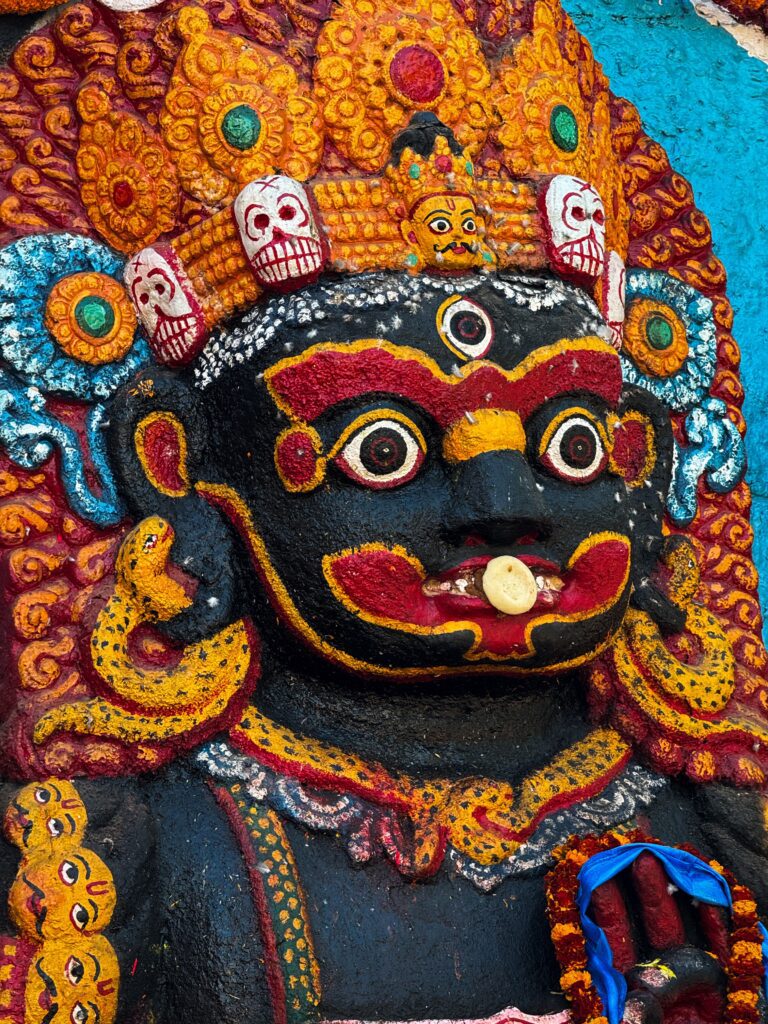
Spirituality is a core part of life here, with most Nepalis following Hinduism or Buddhism, particularly Tibetan or Vajrayana Buddhism. The syncretic blend of these religions can be seen in the daily rituals, the many temples and monasteries, and the vibrant festivals that bring people together in celebration. These events are filled with music, dance, and a rainbow of colors!
The Nepalese are known for their exceptional hospitality, treating guests with great respect and kindness. This welcoming spirit is also evident in their arts, cuisine, and crafts, which reflect a strong connection to their heritage as well as a willingness to embrace new influences.
If you’re interested in a deeper look at how these many ethnic groups shape Nepalese culture, check out my detailed article that offers an in-depth exploration of their traditions, practices, and daily life.
Top Things to Do in Kathmandu
1. Circumbabulate the Boudhanath Stupa
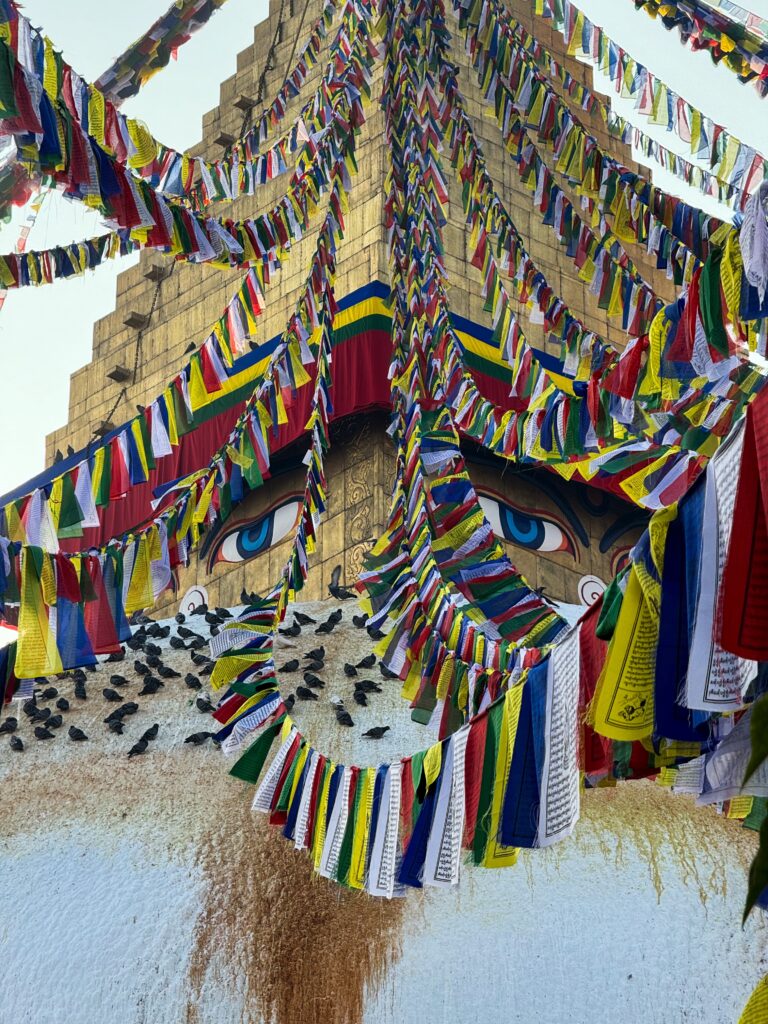
The Boudhanath Stupa is central to the spiritual life of Kathmandu. Originating in the 5th century, the stupa’s origins are tied to ancient legends; one popular tale recounts that it was constructed by an old woman seeking a place for devotion, after obtaining permission from a king.
This structure is particularly notable for its massive size, making it one of the largest spherical stupas in Nepal and the world. Its design is a precise representation of the Buddhist cosmos, with the dome symbolizing the void from which everything emanates. The square tower adorned with the Buddha’s eyes looks out in the four cardinal directions, a symbol of the Buddha’s omnipresence.
Around the base of the stupa, numerous smaller shrines and statues contribute to a complex of devotion. The area is a hive of activity, with monks and laypeople alike performing kora—circumambulations that are a meditative practice. The site is also surrounded by monasteries and hosts many important Buddhist ceremonies throughout the year, which attract devotees from around the world.
This is the first place we visited on our first day exploring Kathmandu and it makes for an extravagant welcome into Nepal’s cultural heritage.

2. Take a Rest at Boudhanath Buddha Park
Boudhanath Buddha Park is a lesser-known yet profoundly serene part of Kathmandu’s spiritual landscape, located just a short distance from the bustling Boudhanath Stupa. We accidentally stumbled here while walking towards the Shechen Monastery.
The park is a quiet oasis that stands in contrast to the lively atmosphere around the stupa.
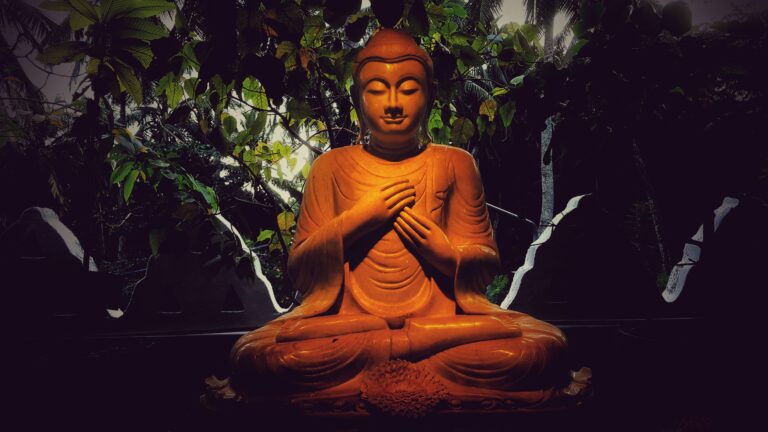
At the heart, stands an impressive and revered statue of Guru Rinpoche, also known as Padmasambhava. This statue, considered a founding father of Tibetan Buddhism, is situated in the center of a beautiful pond.
3. Check out the Shechen Monastery
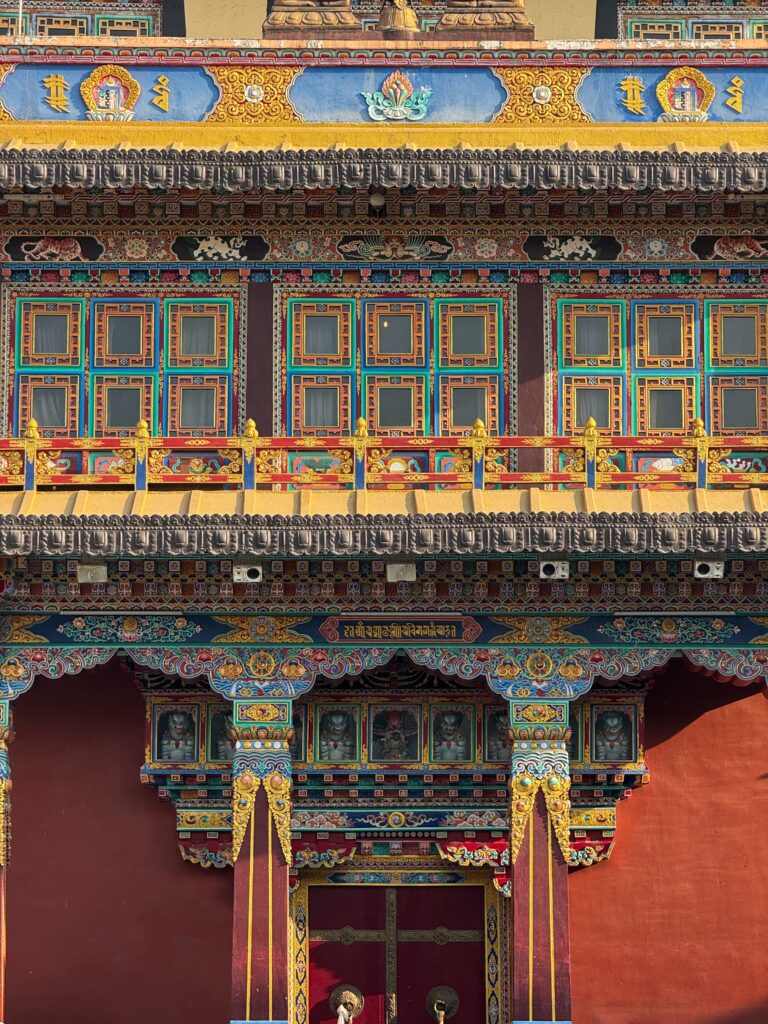
If you’ve never seen a Tibetan Buddhist monastery before, now is a good as time as any. I really recommend dropping by Shechen as the architecture is simply jaw-dropping. It’s only a short walk away from Boudanath as well!
Shechen Monastery is a significant center for the study and practice of Tibetan Buddhism, particularly the Nyingma tradition.
Founded by Dilgo Khyentse Rinpoche, a renowned Tibetan Buddhist master, Shechen Monastery has become a sanctuary for those seeking deeper understanding and practice of Buddhist teachings. The monastery is known for its richly decorated prayer hall, extensive library of Buddhist texts, and a vibrant community of monks who engage in daily rituals, teachings, and meditation.
4. Enjoy Nightlife in Thamel
Thamel is a neighborhood that captures the essence of Nepal’s urban culture. Known as the main tourist hub, Thamel is a blend of traditional charm and modern convenience, filled with an array of shops, restaurants, and accommodations to suit every traveler’s needs.
The area is a treasure trove for shoppers, offering everything from handmade Nepali crafts like thangka paintings and singing bowls to trekking gear and souvenirs. Heck, it’s where I even got my chillum! It’s also the perfect spot to sample local cuisine, with restaurants serving up dishes ranging from traditional Nepalese momos and dal bhat to global favorites.
Nightlife in Thamel is vibrant, with numerous bars, pubs, and live music venues offering a chance to unwind and socialize after a day of exploration. Though the nightlife in Pokhara can definitely give Thamel a run for its money!
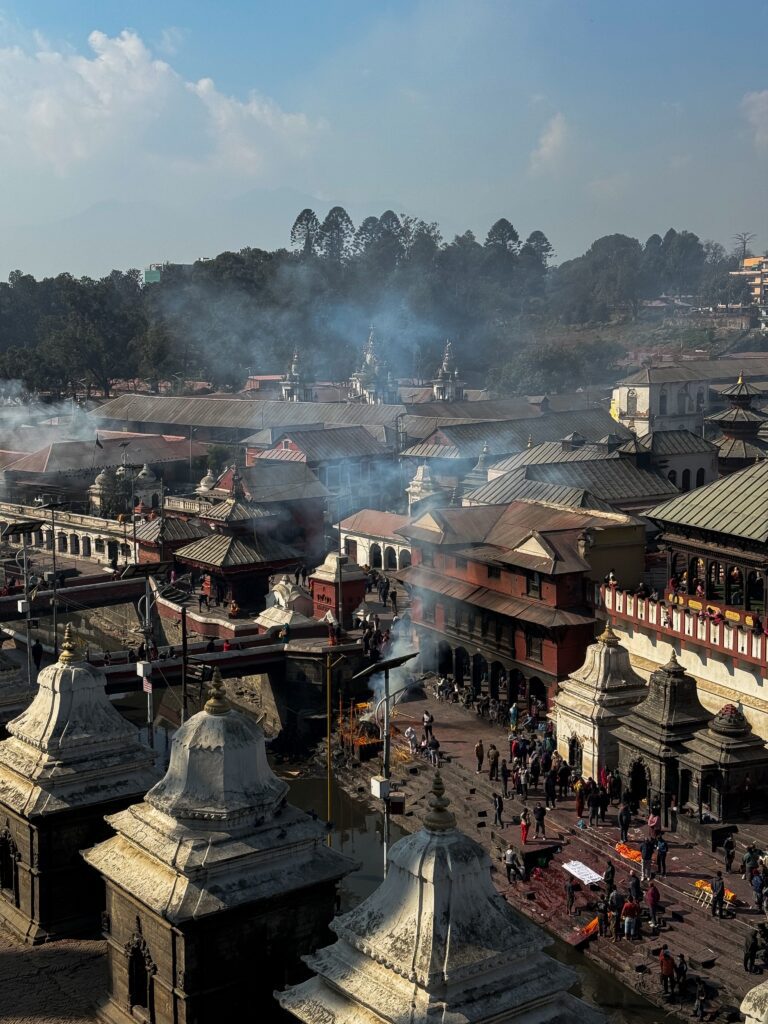
5. Visit the Pashupatinath Temple
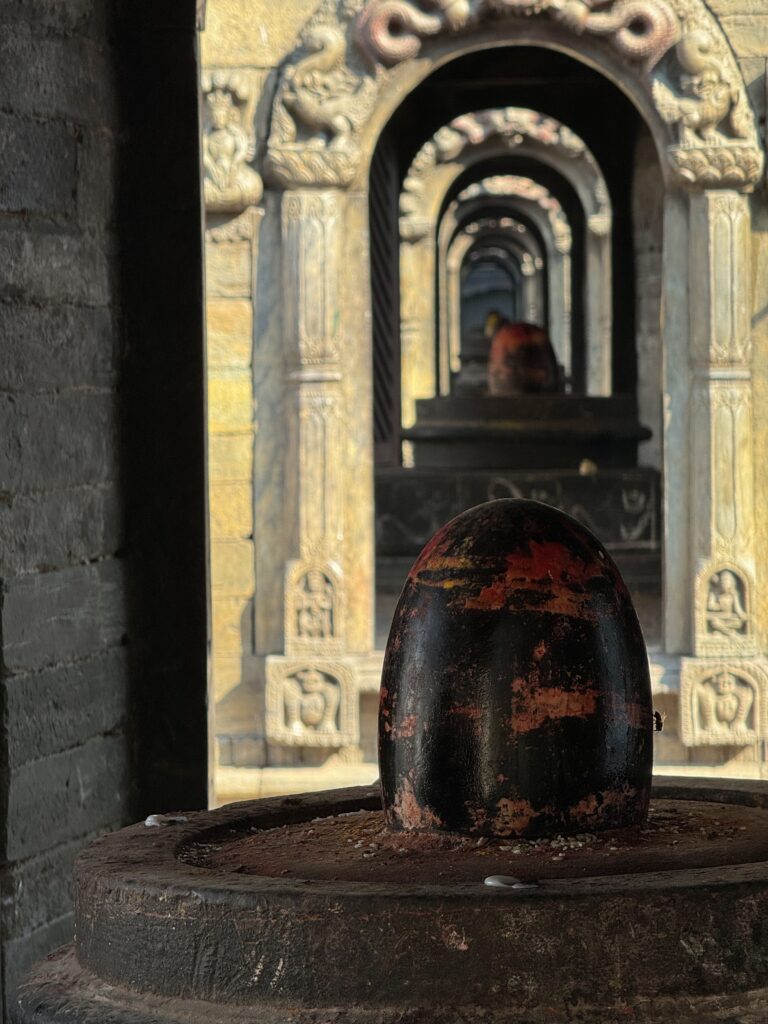
Pashupatinath Temple, located on the banks of the Bagmati River, is one of the most sacred Hindu temples in Nepal. This temple is dedicated to Lord Shiva, known here as Pashupati, which means “Lord of Animals.”
It’s a complex of temples, ashrams, images, and inscriptions that date back to the 5th century, though the current main temple was built in the 15th century after the previous one was destroyed by termites.
The main temple is only allowed for Hindus but the complex is huge and there is still so much to see, it’s definitely worth it. It is famous for its open-air cremation ghats along the river, where families perform last rites for their deceased loved ones in accordance with Hindu traditions.
I’ve heard that seeing death right before you enter the sacred grounds, also helps dissolve the ego. You can also join a tour that visit Pashupatinath and 6 other UNESCO World Heritage sites around Kathmandu through here.
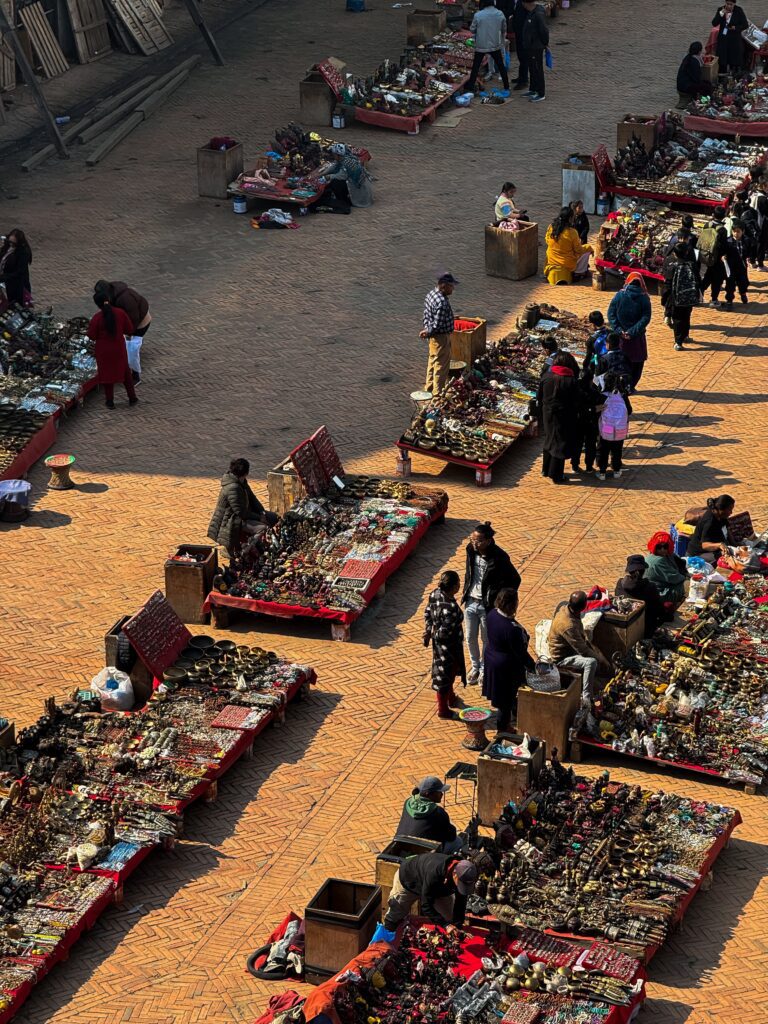
6. Marvel at the Kathmandu Durbar Square
Kathmandu Durbar Square is THE historic heart of Kathmandu. This square was the royal Nepalese residence until the 19th century and remains the center of important ceremonial events, including the coronation of Nepalese monarchs.
The square is an architectural marvel, featuring a mix of palaces, courtyards, and temples built between the 12th and 18th centuries. These structures display the skills of the Newar artisans of Kathmandu, renowned for their intricate woodcarving, metalwork, and stonemasonry.
Key highlights include the Taleju Temple, one of the tallest and most sacred in the square, and the Kumari Ghar, the home of the living goddess Kumari. This tradition involves a young girl selected as the human incarnation of the divine female energy. You can even catch a glimpse of the Kumari as she appears briefly at her window.
7. Stroll Around the Garden of Dreams
The Garden of Dreams, also known as the Garden of Six Seasons, is a neoclassical garden originally built in the 1920s by Field Marshal Kaiser Sumsher Rana. After a period of neglect, the garden has been meticulously restored.
The garden covers an area of about 6,895 square meters and is designed in a European style, featuring pavilions, fountains, pergolas, and urns. The layout and planting schemes were influenced by the formal European gardens, but it also incorporates traditional Nepali elements, making it a unique blend of Eastern and Western garden designs.
One of the most striking features of the Garden of Dreams is its six pavilions, each dedicated to one of the six seasons of Nepal: spring, summer, monsoon, early autumn, late autumn, and winter.
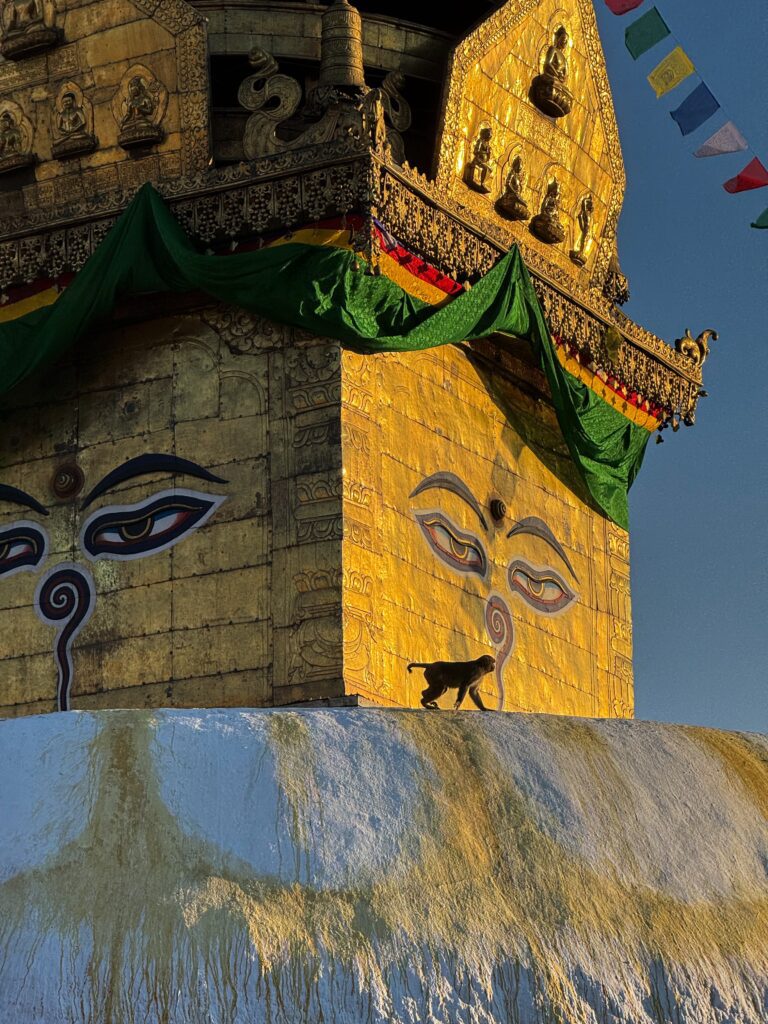
8. Watch the Sunset at Swoyambhu Mahachaitya
Swoyambhu Mahachaitya, commonly known as Swayambhunath or the Monkey Temple, is located atop a hill, so get ready for a short and rewarding hike! This site is revered in both Buddhism and Hinduism and is recognized for its iconic stupa with the Buddha’s eyes looking in all four cardinal directions, except this time it’s golden.
The history of Swayambhunath dates back to the 5th century, making it one of the oldest and most important landmarks in Nepal. The stupa itself is a symbol of enlightenment, with the white dome representing the earth and the spire symbolizing the path to nirvana. Around the base of the stupa are prayer wheels that devotees spin while circumambulating the stupa in a clockwise direction, reciting mantras.
The site also offers panoramic views of Kathmandu and is frequented by monkeys, hence the name. It’s also the perfect place to watch the sunset which is exactly what we did!
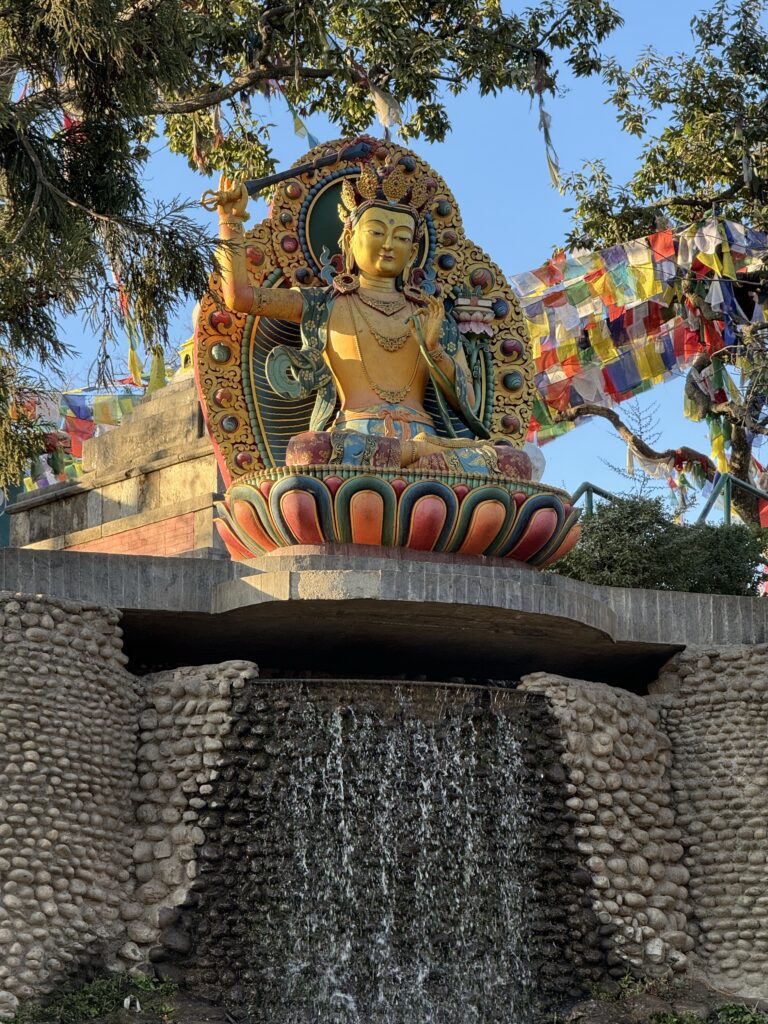
9. Don't Forget the Maha Manjushri Temple
Maha Manjushri Temple in Kathmandu is less well-known among the major tourist sites but holds great significance in Buddhist tradition. This temple is dedicated to Manjushri, the bodhisattva of wisdom, who is often depicted with a sword in one hand to cut through ignorance and a book of transcendent wisdom in the other.
It’s actually on the other side of the hill, opposed to the Monkey Temple. A lot of people miss out on this one, but I found the views and atmosphere to be much more intimate.
10. Explore Freak Street
Freak Street, officially known as Jhochhen Tole, is a historic street in Kathmandu that gained international fame during the 1960s and 1970s as the epicenter of the hippie movement in Nepal. Situated near the iconic Kathmandu Durbar Square, Freak Street was a haven for Western travelers seeking spiritual enlightenment and alternative lifestyles.
The street became synonymous with the countercultural revolution, attracting hippies, artists, and seekers from around the world.
During its heyday, Freak Street was lined with budget guesthouses, cafes, and shops that catered specifically to the needs of the hippie community. These establishments offered cheap accommodation, local and Western food, and a variety of substances that were part of the countercultural experience. Marijuana and hashish were openly sold and consumed.
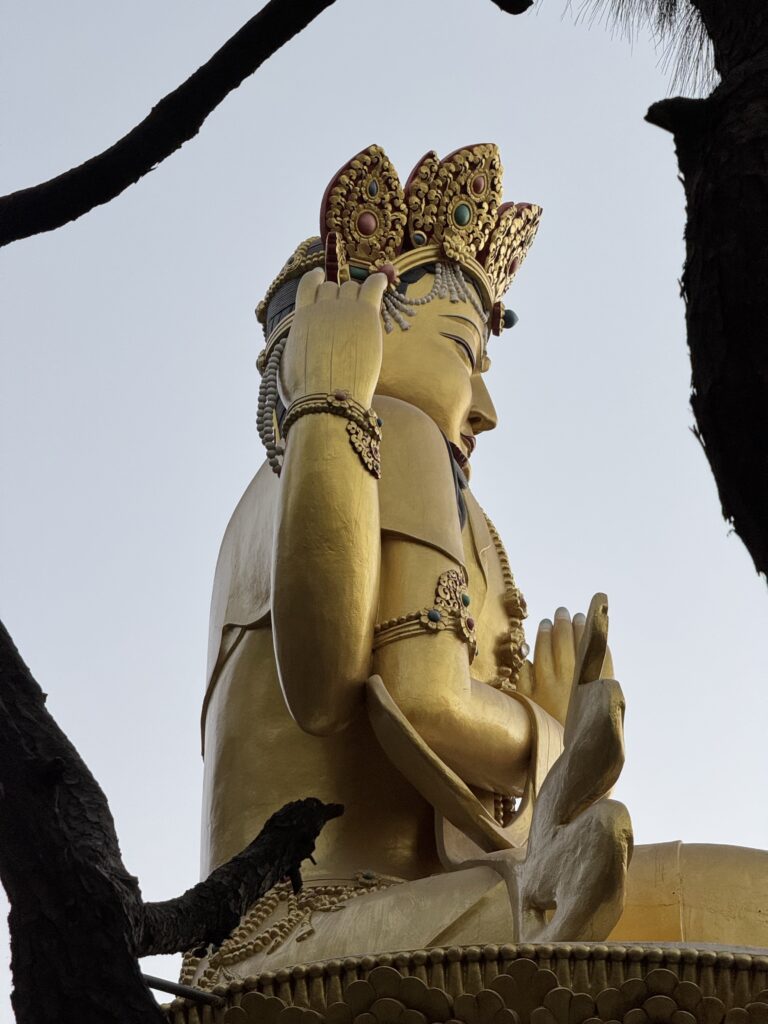
11. Pass by the Swoyambhu Buddha Park
This is another Buddha Park found at the bottom of Swayambhunath Temple. Established in 2003, the park is renowned for its majestic trio of statues, with the centerpiece being the largest Buddha statue in Nepal.
This impressive 20 m (67 ft) Shakyamuni Buddha represents the Amitabha form, symbolizing longevity and holding a bowl with the nectar of immortality.
Flanking this central figure are two other significant statues, each 64 feet tall. To the left stands Avalokitesvara, embodying compassion with many arms extended to aid those in need. This figure is closely associated with the mantra “Om Mani Padme Hum” and is believed to be connected to the Dalai Lama as an incarnation. On the right is Guru Rinpoche once again.
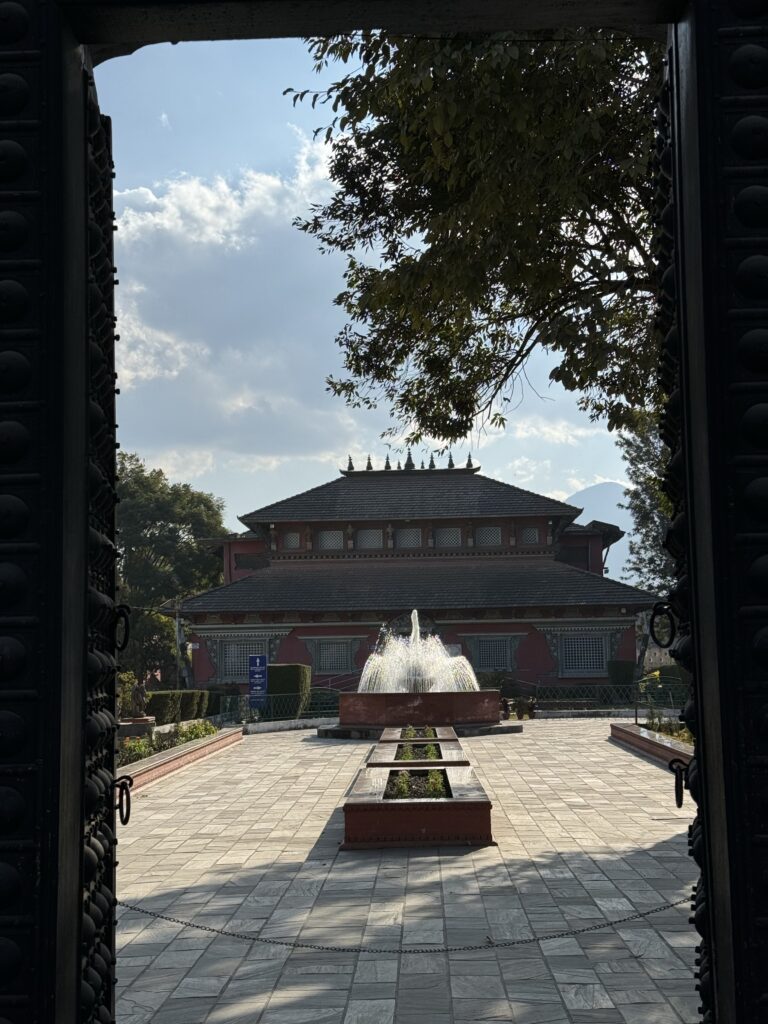
12. Take Your Time at the National Museum of Nepal
The National Museum of Nepal, also known as the Rashtriya Museum, serves as a repository of Nepal’s rich history, art, and culture, spanning several centuries.
Its collections include a wide range of artifacts, from ancient sculptures and manuscripts to traditional weapons and historical photographs. The exhibits showcase the diverse cultural heritage of Nepal, including Hindu and Buddhist art, as well as items from the various ethnic groups that make up the nation.
One of the highlights of the National Museum of Nepal is its extensive collection of coins and currency, which offers insight into the economic history of the region. It’s a term we weren’t even familar with “Numismatics.”
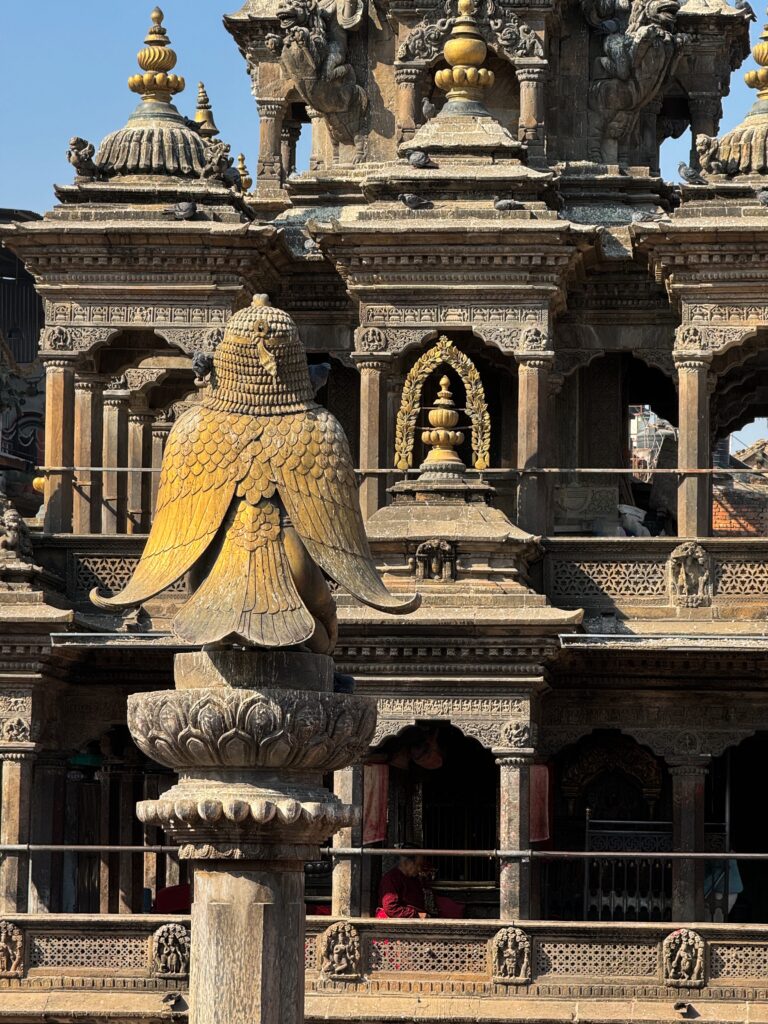
13. Go on a Daytrip to Lalitpur
A day trip to Lalitpur, also known as Patan, is a must! It’s located just south of Kathmandu and one of the oldest cities in Nepal, with roots tracing back to the 3rd century BC. Known as the “City of Beauty,” Lalitpur is celebrated for its well-preserved architecture and vibrant artistic traditions.
The city’s centerpiece is Patan Durbar Square, another UNESCO World Heritage Site. This square is an architectural marvel, filled with ancient palaces, temples, and courtyards. The square is particularly famous for its intricate wood and stone carvings, showcasing the exceptional craftsmanship of Newar artisans. Key structures include the old royal palace and the Krishna Mandir, a stone temple built in the 17th century.
There’s so much more to see here than it meets the eye that it garners a whole article which you can check out here.
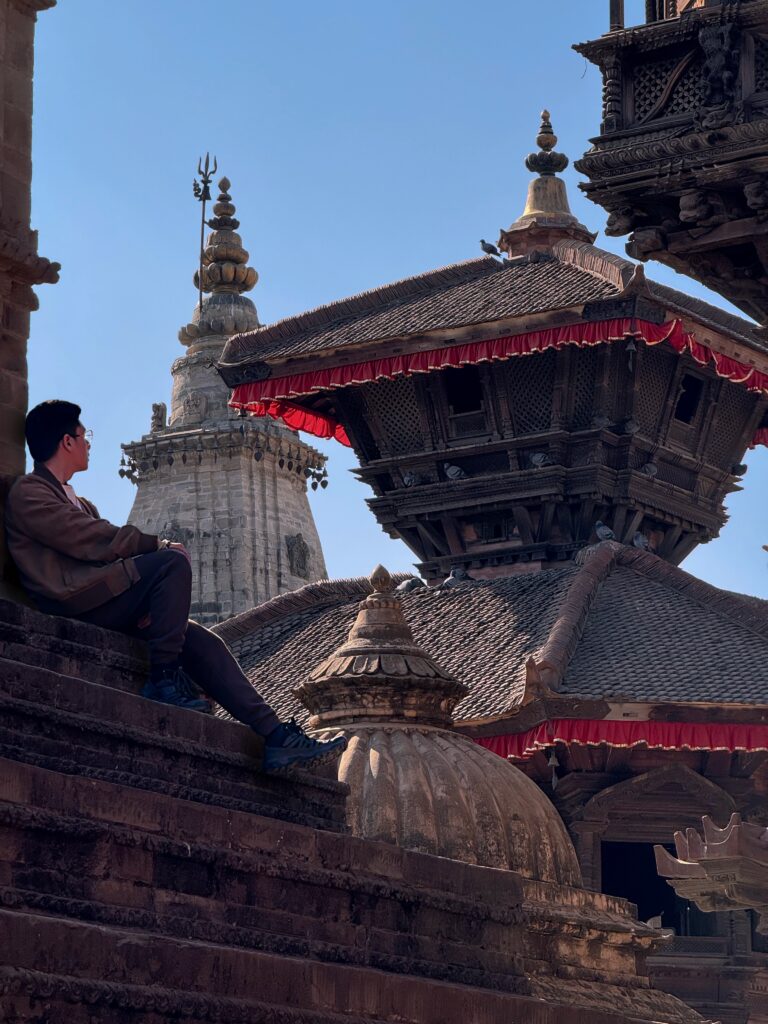
14. Continue on to Bhaktapur
Bhaktapur, also known as Bhadgaon or Khwopa, is one of the three ancient cities in the Kathmandu Valley. If you’re going to Lalitpur, you should also check out Bhaktapur. It’s easily doable on the same day or as another separate day trip. Bhaktapur is bound to blow you away.
Historically, Bhaktapur was the capital of Nepal during the great Malla Kingdom until the second half of the 15th century. The city is filled with monuments, temples, and traditional houses that reflect the city’s glorious history and the artistic prowess of the Newar community. The entire city is a UNESCO World Heritage Site!
The heart of Bhaktapur is its very own Durbar Square, a magnificent plaza filled with ancient temples, palaces, and statues. The 55-Window Palace, built by King Bhupatindra Malla, is a standout structure known for its intricately carved windows and doors. Nearby, the Vatsala Temple, dedicated to a mother goddess, and the towering Nyatapola Temple, the tallest pagoda in Nepal. Though the Peace Pagoda in Pokhara is also a must-see!
There’s still a lot more to see in Bhaktapur as well, and if you’re planning on dropping by, make sure to check out this article.
15. Learn more at the Military Museum
The Military Museum is an institution dedicated to preserving and showcasing the military history of Nepal. Located within the premises of the Nepali Army Headquarters, this museum offers a detailed look into the evolution of the Nepalese military, its key battles, and significant figures who have shaped the nation’s defense history.
The museum features a wide range of exhibits, including historical artifacts, weaponry, uniforms, and military documents. You can explore displays that detail the Gurkha soldiers’ legendary bravery and skill, which have made them renowned worldwide. The collection includes traditional weapons like kukris (curved knives) and modern firearms, reflecting the transition from ancient to contemporary warfare.
It’s a short walking distance from the Monkey Temple or the National Temple so if you have some time, it’s worth checking out!
Where to Stay in Kathmandu
Kathmandu is not only a charming and fascinating city, but it’s also a very affordable place to hole up in for a few days.
While it caters to travelers of every budget, I can honestly say that your wallet can definitely handle a couple of days and even a few more. The quality of life is also pretty good though it does get a bit cold in the winter.
Here are some of the best places to stay in Kathmandu:
Best Hotels in Kathmandu:
- Swarga Heritage Hotel – provides free WiFi, a restaurant, free private parking, a bar, a terrace, and a shared lounge, with family rooms available. Each room includes air conditioning, a flat-screen TV with cable, an electric kettle, a private bathroom with a shower, slippers, a desk, and a closet. Daily breakfast options include à la carte, continental, or American.
- Kailash Boutique Hotel – features concierge services, non-smoking rooms, a restaurant, free WiFi, and a terrace. Amenities include free shuttle service, a 24-hour front desk, room service, a shared lounge, and currency exchange. Rooms are air-conditioned and come with a desk, electric kettle, minibar, safety deposit box, flat-screen TV, and private bathroom. Breakfast options include buffet, à la carte, or continental.
- Everest Boutique Hotel – features a fitness center, private parking, a terrace, and a bar. Amenities include a restaurant, a 24-hour front desk, a shared kitchen, free WiFi, room service, concierge service, and currency exchange. You can enjoy a buffet, continental, or Full English/Irish breakfast each morning.
Best Hostels in Kathmandu:
- Elbrus Home – a well-known hostel that has been around for a long time. This is where we stayed and all I can say is it feels like home. The rooms are unassuming yet it was enough, with a private bathroom and working hot water as well. I really enjoyed the laidback vibes of the mornings. Breakfast is always good with some fruits, grains, and tea. I particularly liked the portraits of Hindu and Buddhist deities around the halls and rooms. The garden is another nice place to relax and the staff are exceptionally friendly and accomodating.
- Flock Hostel Kathmandu – offers air-conditioned dorms with privacy curtains, luxury private rooms, a communal lounge, a library, a workspace, and a travel desk. Enjoy modern amenities like super-fast Wi-Fi, 24-hour security, smart RFID room access, luggage storage lockers, and a rooftop cocktail bar. Flock Hostel also has an excellent travel desk through its in-house agency to assist with treks, hikes, day tours, and adventure sports.
- WanderThirst Hostels – provides a warm, shared environment for travelers from around the world, offering clean and spacious rooms categorized into dorm rooms, private rooms, and female dorm rooms, all with comfortable beds and bathrooms with hot and cold water. Each room is uniquely themed to inspire your wanderlust spirit even while relaxing.
How to Get Around Kathmandu
Navigating Kathmandu can be an adventure in itself, offering various options depending on your preferences and budget. Here’s an overview of the most common ways to get around the city:
- Minibuses: These are the primary mode of public transportation in Kathmandu. They are affordable and frequent but can be crowded and confusing for newcomers. Routes are usually fixed, and destinations are written in Nepali, so it’s helpful to ask locals or drivers for assistance.
- Tempos: These are three-wheeled electric vehicles that operate on fixed routes. They are a bit more comfortable than buses and are a popular choice for short distances within the city.
- Taxis: are widely available throughout Kathmandu. They are relatively inexpensive and convenient for door-to-door travel. Negotiate the fare before starting your journey. Ride-sharing apps like Pathao and Tootle are also gaining popularity, but I found the taxi drivers in Nepal to be very honest and fair.
- Motorcycle: There are also motorbike “taxis” that can be a great and immersive way to explore Kathmandu. They can get you to your destination more quickly during rush hour as they can swerve through traffic.
How to Stay Safe in Kathmandu
While Nepal is a relatively safe country, personal safety is still paramount. Always be conscious of your surroundings, especially in crowded areas such as markets and tourist attractions. Pickpocketing can be common, so keep your belongings secure. Avoid walking alone at night, especially in poorly lit areas, though this has never really been a problem in our experience.
Having comprehensive travel insurance is crucial for covering unexpected events such as medical emergencies, theft, or trip cancellations. I recommend checking out SafetyWing if you need travel insurance.
Best Time to Visit Kathmandu
The best time to visit Kathmandu is during the spring (March to May) and autumn (September to November) seasons.
In spring, Kathmandu experiences moderate temperatures with daytime highs ranging from 16°C to 25°C (61°F to 77°F). The season is marked by blooming flowers and clear skies, although occasional rain showers can occur.
Autumn is another excellent time to visit Kathmandu. From September to November, the temperatures range from 15°C to 24°C (59°F to 75°F). This season is characterized by clear skies and dry weather, providing excellent visibility of the surrounding mountains. The post-monsoon atmosphere ensures that the air is clean and fresh.
Plan Your Trip to Nepal | Best Travel Resources
Book Your Accommodations
- Booking.com – the world’s leading online booking platform for accomodations around the world, they have an extensive amount of available listings with zero booking fees and best price guarantees.
- Hostelworld – a backpacker’s best friend, Hostelworld has the largest collection of hostels and guesthouses for affordable prices.
Don’t Forget Insurance
- SafetyWing – from Nomad Insurance, an insurance by nomads for nomads. They understand our lifestyle well and have really comprehensive and flexible plans that cater to any traveler.
Find Cheap Flights
- Kiwi.com – my go-to for booking and finding the cheapest flights and it’s helped me save tons of money. They do virtual interlining which is connecting flights from airlines that do not codeshare, so you can find routes that you wouldn’t be able to find normally.
Join Tours & Activities
- GetYourGuide – is one of the best places to find unique tours and activities. I found that it’s an excellent way to meet fellow travelers and create fond memories. They are not only limited to tours as they also offer niche services such as skip-the-line tickets or private transfers.
Catch a Ride
- Rentalcars.com – nothing beats the freedom of the road, Rentalcars.com is the world’s largest online car rental service. They operate across 160 countries so they’re the perfect partner to work with if you find yourself wanting a ride.