Tottori is one of Japan’s best-kept secret and also its least populated prefecture.
Vast, undulating sand dunes that stretch towards the horizon. That’s the Tottori Sand Dunes for you, a place so surreal it almost feels like stepping onto another planet. It’s not something you’d expect in Japan, and that’s exactly what makes Tottori so special.
It’s a place where you can wander along rugged coastlines, explore quaint historic towns, and lose yourself in the serenity of its natural parks. Tottori might be quiet, but it’s quite full of surprises.
In Tottori, every moment is an invitation to slow down and savor the simple joys of life. It’s a place where you can connect with nature, delight in delicious food, and discover a truly unique side of Japan.
Table of Contents
Toggle
History of Tottori
Tottori’s story stretches back to ancient times. The region was prominently featured during the Yayoi period, around 300 BC to 300 AD, known for its significant role in early iron production in Japan.
As Japan transitioned into the feudal era, Tottori emerged as a strategic location in the power plays of samurai clans. The 16th century saw the Amago and Yamana clans vying for control over the region.
After the unification under Toyotomi Hideyoshi and later under the Tokugawa shogunate, Tottori experienced a period of peace and stability during the Edo period (1603-1868). The Ikeda clan, appointed by the Tokugawa shogunate, ruled the region, allowing for economic development.
Best Places to Visit in Tottori

1. Tottori Sand Dunes
As the largest dunes in Japan, the Tottori Sand Dunes present an otherworldly landscape right in the heart of the country, a stark contrast to the lush greenery Japan is typically known for.
Spanning about 16 km (10 mi) in length and reaching heights of up to 50 m (164 ft), these dunes have been sculpted over 100,000 years, primarily by the wind from the sea, resulting in an ever-changing natural sculpture that never looks the same on any two visits.
The best time to visit these dunes is early morning or late afternoon when the play of light and shadow brings out the contours of the sand, creating a stunning visual effect.
2. The Sand Museum
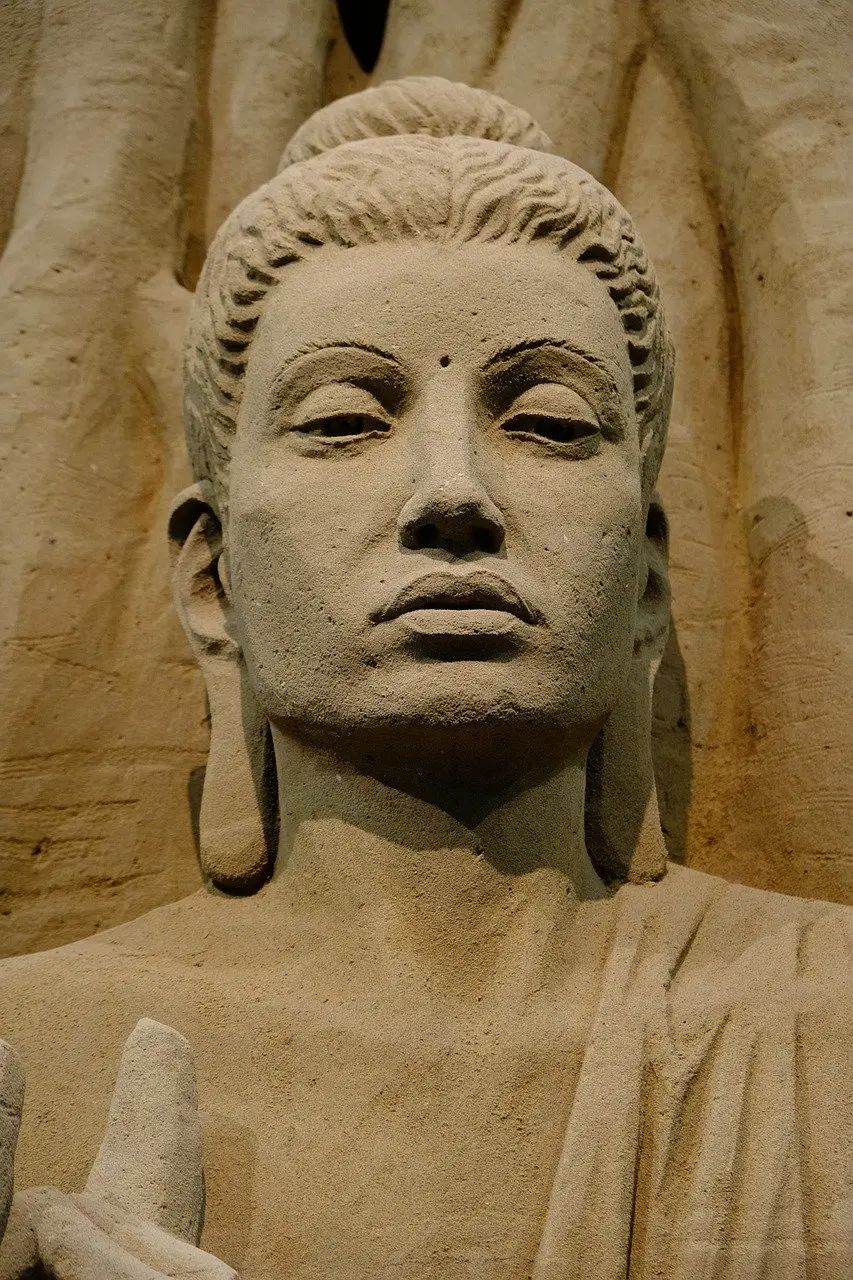
Located near the Tottori Sand Dunes, The Sand Museum is the first of its kind in the world, dedicated entirely to sand sculptures.
What makes the Sand Museum truly special is the ephemeral nature of its exhibits. Talented artists from around the globe gather here to create large, intricate sculptures entirely out of sand.
Each year, the museum has a different theme which means the displays are not only artistic but also very culturally enlightening.
The level of detail in each sculpture is astonishing – from delicate facial expressions to the intricate folds of clothing, all carved from sand!

3. Kanikko Kan
Kanikko Kan, also known as the Tottori Karo Crab Aquarium, is particularly appealing for families and offers a fascinating glimpse into well…crabs!
Opened in 2003, Kanikko Kan aims to educate visitors about aquatic life, with a special emphasis on crabs, and to promote tourism by highlighting Tottori Prefecture’s significant role in the fishing industry. The aquarium houses approximately 1,700 aquatic animals of around 160 species.
One of the unique features of Kanikko Kan is its display of preserved snow crabs and a Japanese spider crab, which has been a highlight for many visitors. The aquarium initially expected around 110,000 visitors per year, but it quickly surpassed these expectations!
4. Tottori Castle Ruins
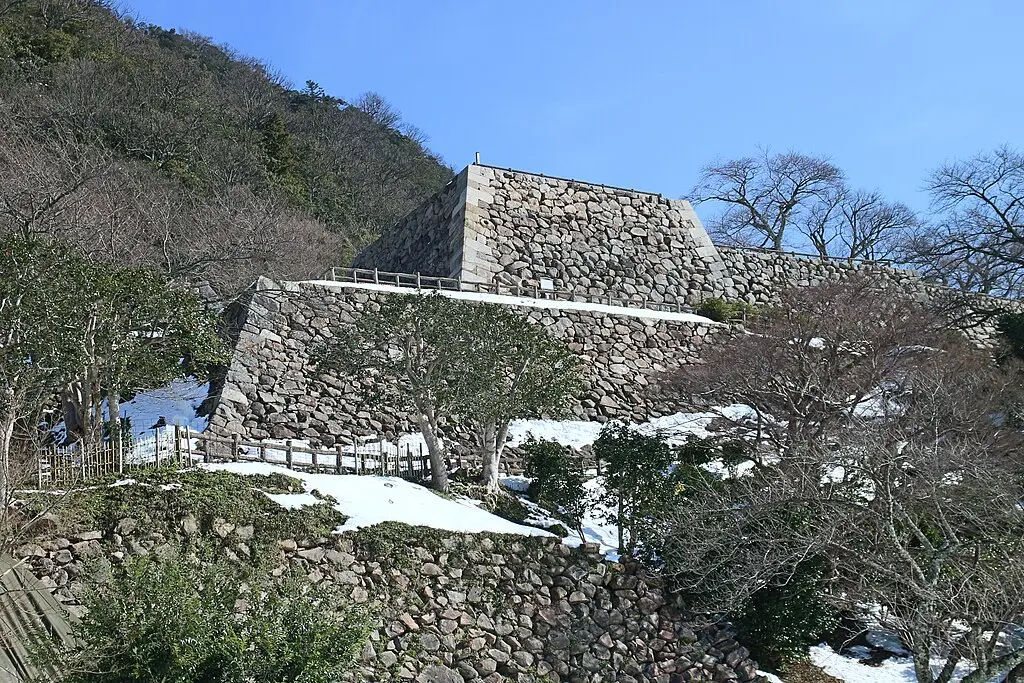
The Tottori Castle Ruins, locally known as Tottori-jo, were established in the mid-16th century by Yamana Nobumichi.
Perched on Mt. Kyusho, Tottori Castle was a quintessential yamashiro (mountain castle), utilizing the natural landscape for its defenses. Its strategic location, with steep slopes and natural barriers, made it a formidable fortress during the Sengoku period.
The most famous event in the castle’s history is the 200-day-long siege in 1581, led by Toyotomi Hideyoshi. The castle’s defenders, led by Tsuneie Kikkawa, were eventually starved into submission.
Today, the castle is mostly in ruins, but its remnants continue to tell its story. You can explore the stone walls, the foundations, and the gate, which are all that remain of this once-mighty structure. The site, part of Kyusho Park, is particularly beautiful during cherry blossom season, when the ruins are framed by the soft hues of blooming cherry trees.
5. Warabekan
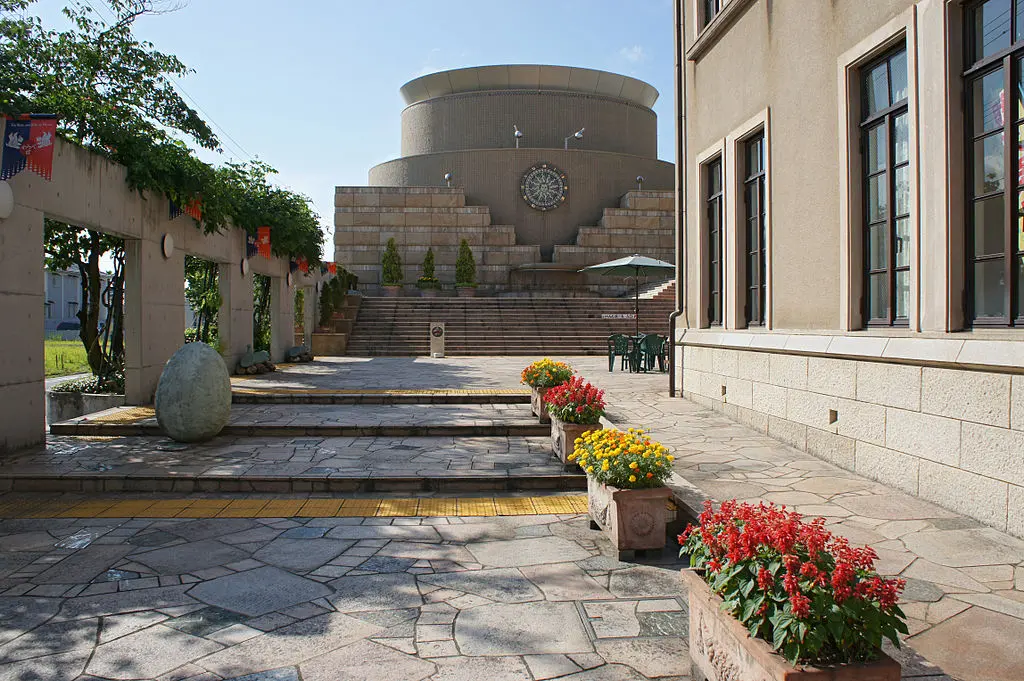
Warabekan in Tottori is a delightful museum that captures the essence of childhood joy.
It’s a special place in Tottori Prefecture that takes adults back to their childhood and offers children a fun and engaging experience. The museum, which opened in 1995, is housed in a building that was once the Prefectural Library but has since been refurbished.
Spanning three floors, Warabekan is filled with an array of attractions. The first floor is dedicated to children’s songs, showcasing a variety of music boxes and phonographs. This floor gives you a chance to hear traditional Japanese children’s songs.
The top two floors are a paradise for toy enthusiasts. Here, you’ll find a wide range of toys from different eras, including dolls, trains, board games, and card games. Many of these toys are not just for display; you’re actually encouraged to play with them, making it a very hands-on experience.
The museum also features karakuri, traditional Japanese mechanical toys, dating all the way back to the Edo Period!
6. Tottori Prefectural Museum
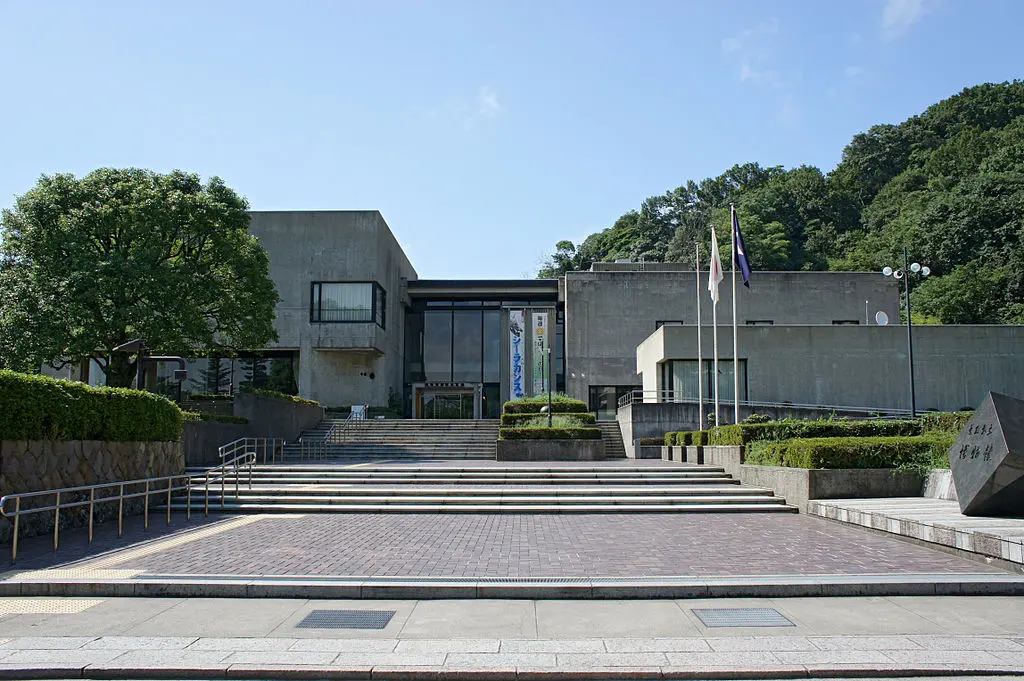
Opened in 1972, the Tottori Prefectural Museum is dedicated to showcasing Tottori Prefecture’s rich heritage through various permanent and temporary exhibitions.
The museum houses over 3,000 items in its permanent collection. These exhibits encompass a wide range of subjects, including the unique flora and fauna of Tottori, the distinct landscapes like the Tottori Sand Dunes, and the local giant salamander.
The history and folklore section is particularly intriguing, tracing the region’s past from the Paleolithic period all the way to the Edo period!
There is also an on-site restaurant, Cafe d’ art Musee, offering a variety of light snacks, main meals, drinks, and desserts.
7. Jinpukaku Mansion
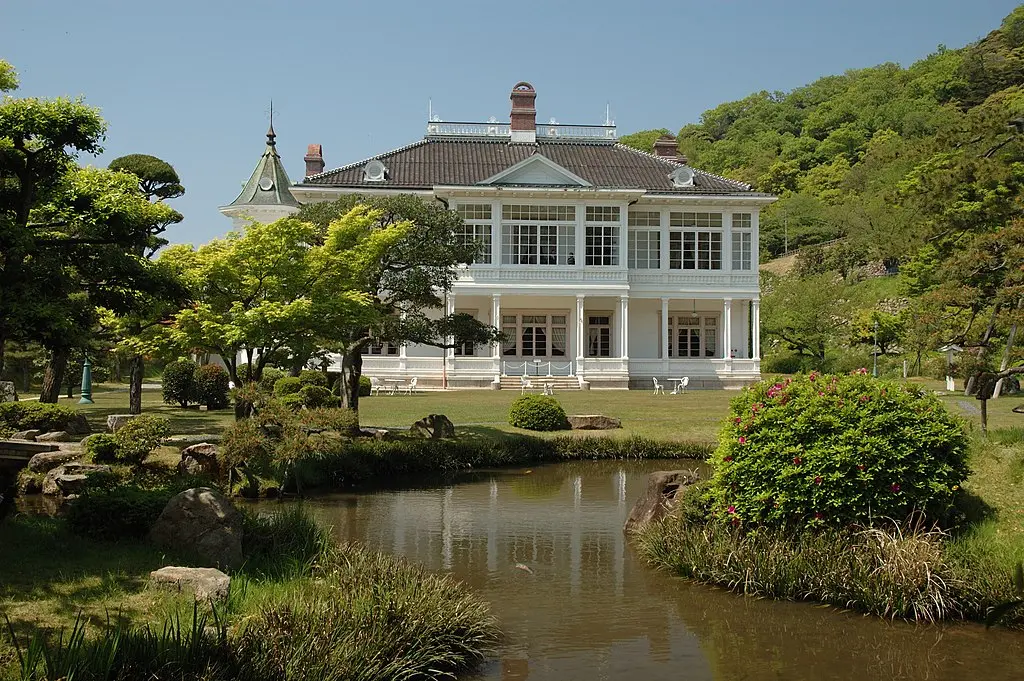
Jinpukaku Mansion is a remarkable example of early 20th-century architecture, blending Western design with the scenic beauty of Japan.
This grand Western-style mansion was built in 1907 by Nakahiro Ikeda, the head of the Ikeda clan, which had a long history in the region including the construction of the nearby Tottori Castle.
Designed by Tokuma Katayama, a prominent Meiji period architect, Jinpukaku Mansion stands out for its Neo-Renaissance style. In fact, this mansion was one of the first buildings in the area to be equipped with electric power!
Initially, it is believed that Jinpukaku was constructed to accommodate Crown Prince Yoshihito, who later became Emperor Taisho, during his tour of the San’in Region. However, its role evolved over time. After serving as a residence for the Ikeda family, it became a public hall and even housed the Tottori Prefectural Museum for a time.
Today, Jinpukaku is open to the public, allowing you to explore its spacious interiors and experience a piece of Tottori’s history. The mansion is located near the Tottori Castle ruins, making it a convenient and enriching stop.
8. Daigakuin Temple
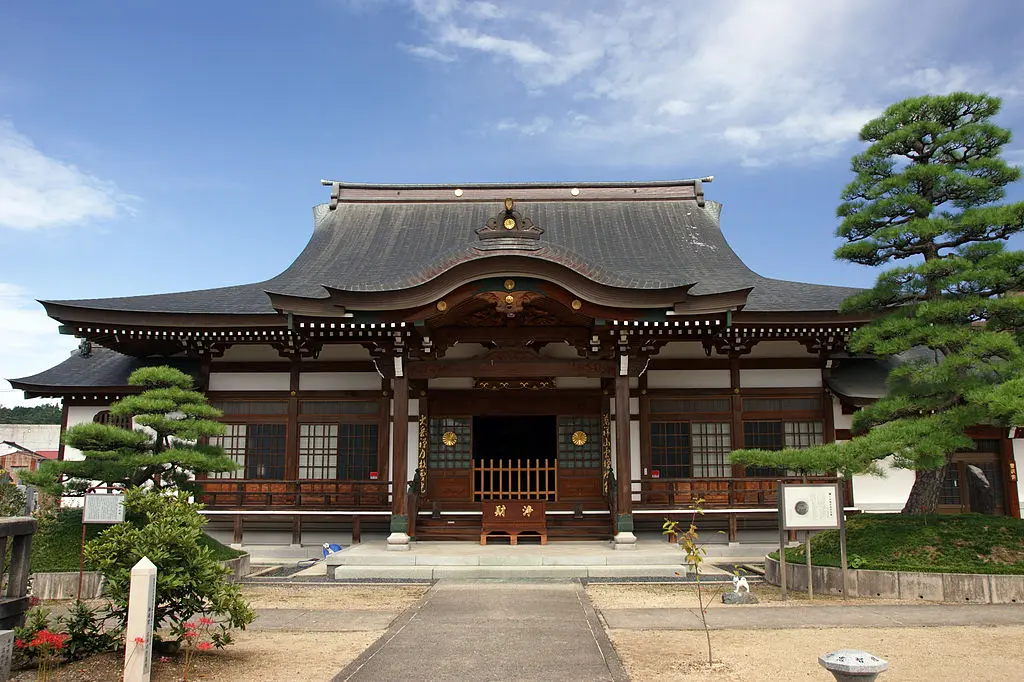
Daigakuin Temple, previously known as Keikuji Temple, was founded in 1605. This ancient Soto Buddhist temple was originally the family temple of Nakamura Hikozaemon Kazushige, lord of Numazu Castle in Suruga Province (now part of Shizuoka Prefecture). The temple was relocated to its current location in Yabase following Nakamura’s forced relocation by the government.
The temple is also notable for its connection to Satomi Tadayoshi, the last lord of Tateyama Castle in Awa Province (now Chiba Prefecture). Satomi Tadayoshi is a historical figure whose tale inspired Takizawa Bakin’s novel “Nanso Satomi Hakkenden”.
Both Tadayoshi and eight of his retainers, who loyally followed him in death, are buried on the temple grounds. You can also find eight stone statues of dogs facing the graves, symbolizing loyalty.
Hidden Gems in Tottori
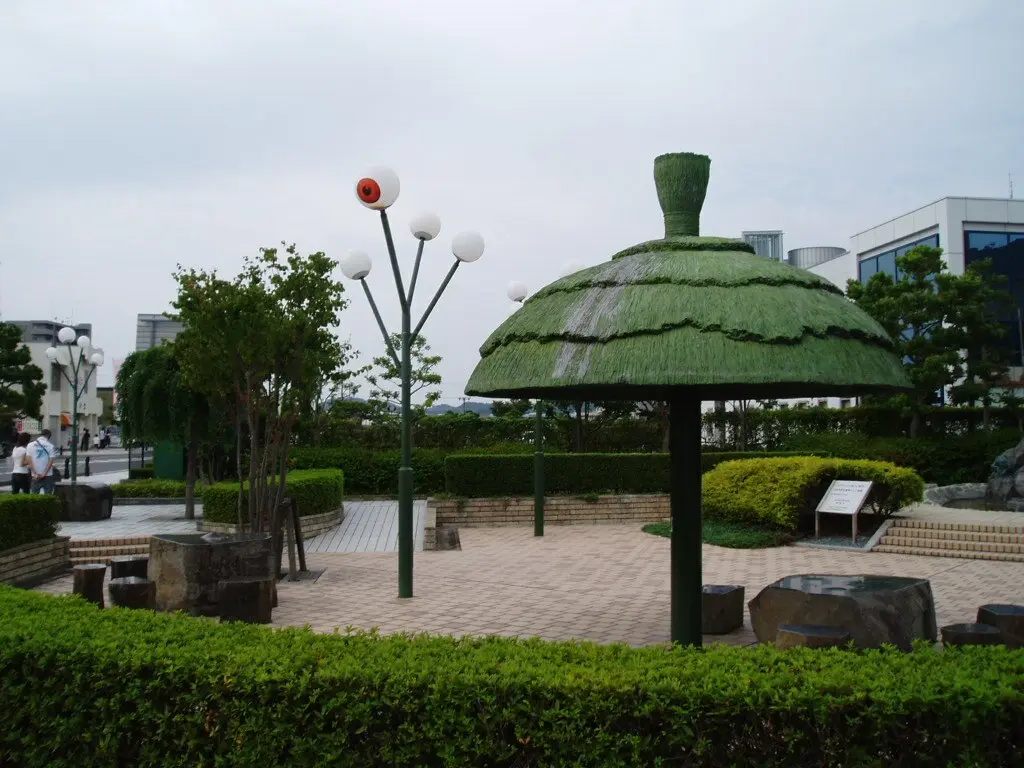
11. Mizuki Shigeru Road
Mizuki Shigeru Road celebrates the world of “GeGeGe no Kitaro,” a famous manga series by the renowned Japanese artist Mizuki Shigeru.
This special road, which stretches from JR Sakaiminato Station to the Mizuki Shigeru Museum in Sakaiminato City, is adorned with 177 bronze statues of Yokai (Japanese monsters) characters from Mizuki’s manga.
Enjoy a whimsical walk along the 800-meter Mizuki Shigeru Road, where you can take memorable photos with the various Yokai statues, each representing different themes across five zones. The road underwent a significant renewal in 2018, which dramatically increased the number of statues!
At the end of the road lies the Mizuki Shigeru Museum, where you can delve deeper into the life and works of Shigeru Mizuki. The museum showcases various artworks and offers insights into the creative process of the artist.
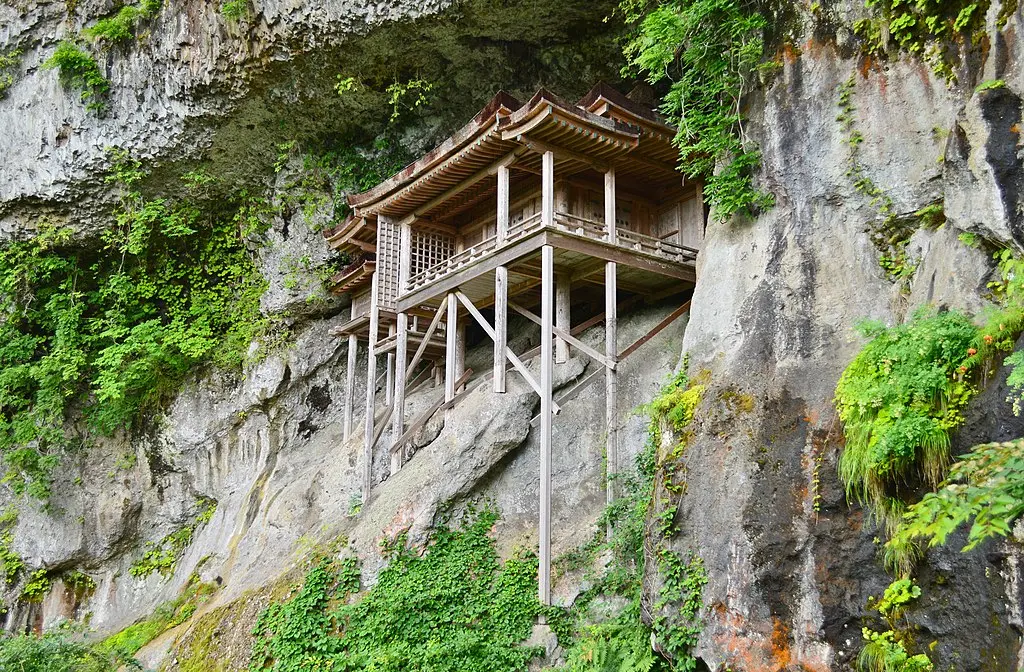
12. Mitokusan Sanbutsu Temple
Mitokusan Sanbutsuji Temple, located in the mountainous region of Tottori, is a site of profound spiritual significance. I find it is quite reminiscent of Bhutan’s Paro Takstang in terms of its precarious location.
Established in 849, the temple’s most notable feature is the Nageire Hall, a Heian period architectural marvel that is designated as a National Treasure of Japan.
Nageire Hall, built into the side of a cliff, is a remarkable example of traditional Japanese craftsmanship. The temple’s location on a sheer precipice and its unique construction make it an architectural wonder!
By tradition, Sanbutsuji was founded by En no Gyoja, the legendary ascetic and mystic who founded Shugendo, a syncretic religion that blends aspects of ancient Shinto, animism, shamanism, Taoism, and Vajrayana Buddhism. This blend of religious influences is reflected in the temple’s serene yet powerful atmosphere.
Top Things to Do in Tottori
13. Try SandBoarding
As the largest sand dunes in Japan, Tottori’s dunes provide the perfect landscape for sandboarding, which is akin to snowboarding but on sand!
As you glide down the smooth, sandy slopes, you’re treated to stunning views of the surrounding landscape and the Sea of Japan. The contrast between the vast expanse of sand and the deep blue sea creates such a breathtaking backdrop!
For beginners, there are local operators who offer sandboarding lessons and equipment rentals. They’ll guide you on the techniques of sandboarding, ensuring a fun and safe experience. For the more experienced adventurers, there’s the freedom to explore and enjoy the dunes at your own pace.
If you’re keen, you can check out the Tottori Sand Dunes Travel Guide website for more info.

14. Meet Camels
In Tottori, you also have the opportunity to interact with camels right at the Sand Dunes. This experience adds an exotic twist to your visit that feels almost like a desert oasis in Asia.
For those who simply want to capture a memory, you can take a picture with a camel for just 100 JPY.
If you’re looking for a bit more interaction, you can opt to take a photo while seated on a stationary camel for 600 JPY. This gives you a chance to get up close with these gentle animals, feel their unique texture, and experience what it’s like to sit atop a camel, even if just for a photo.
For the ultimate camel experience, you can take a ride on one of these magnificent creatures along a designated three-minute route for 1500 JPY.
15. Go Paragliding
Paragliding over the Tottori Sand Dunes offers another exhilarating way to experience the beauty of this natural wonder. As you soar above the sand dunes, you’ll be treated to a bird’s-eye view of the sprawling sands against the backdrop of the deep blue sea.
This activity is perfect for those seeking an adrenaline rush combined with a unique perspective of Tottori’s natural landscape. For newcomers, tandem flights with experienced instructors are available, allowing you to enjoy the thrill of flying without any prior experience. During these tandem flights, you’re securely harnessed to an instructor who manages the navigation.
The sensation of gently lifting off the ground and gliding over the dunes is both thrilling and serene. The quietness of the air, interrupted only by the sound of the wind, adds to the surreal experience of floating above one of Japan’s most unique landscapes.
The same website also provides information on paragliding around the sand dunes on this page.
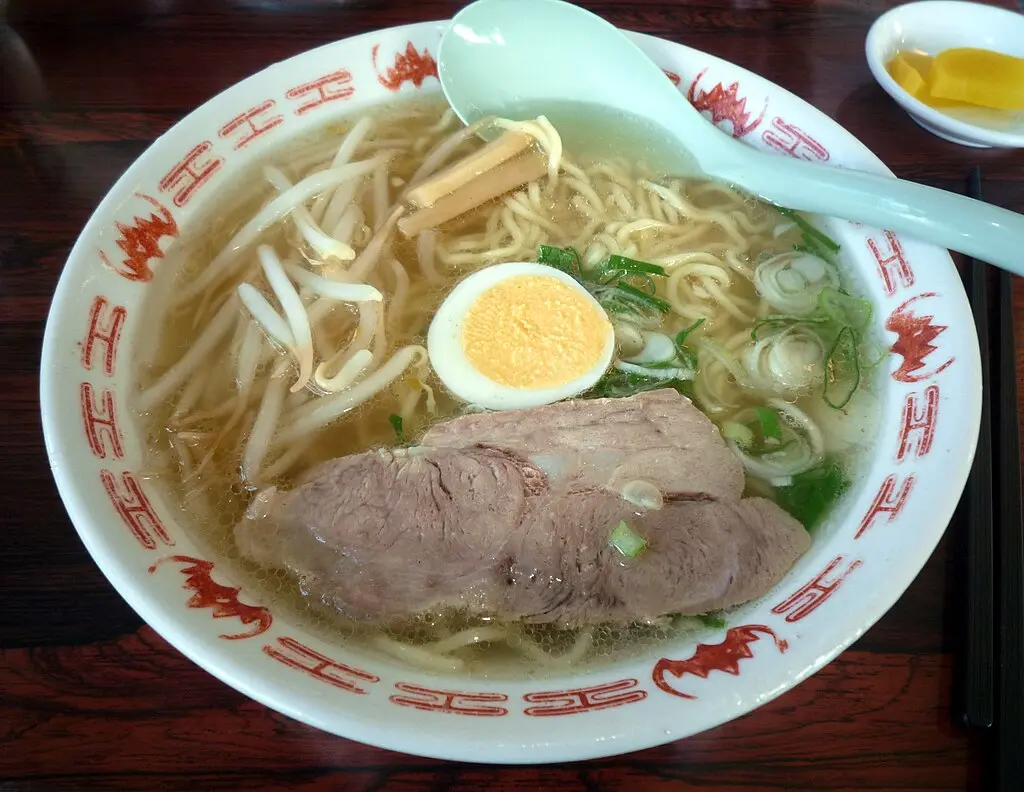
16. EAt Gyukotsu Ramen
You may have had Tonkotsu Ramen but I’m sure you’ve never even heard of Gyukotsu! Gyukotsu, which means “beef bone,” is the key ingredient that sets this ramen apart, giving the broth a rich and deep flavor that is super hearty.
Gyukotsu Ramen is made by simmering beef bones for hours, extracting every ounce of flavor to create a broth that’s robust and full-bodied. The result is a soup with a distinctive taste and aroma, different from the more commonly known pork-based tonkotsu broth.
One of the best ramen restaurants for Gyukotsu would have to be Kamitoku. I’ve had the opportunity to taste their Gyukotsu back when they still had a branch open at Otsuka though their flagship is based in Tottori.
Most other Gyukotsu ramen I’ve tried has been a bit hit or miss, sometimes there’s not much flavor to the soup but Kamitoku’s ramen have such a rich and creamy broth that’s almost reminiscent of milk. Definitely give it a go when you get the chance!
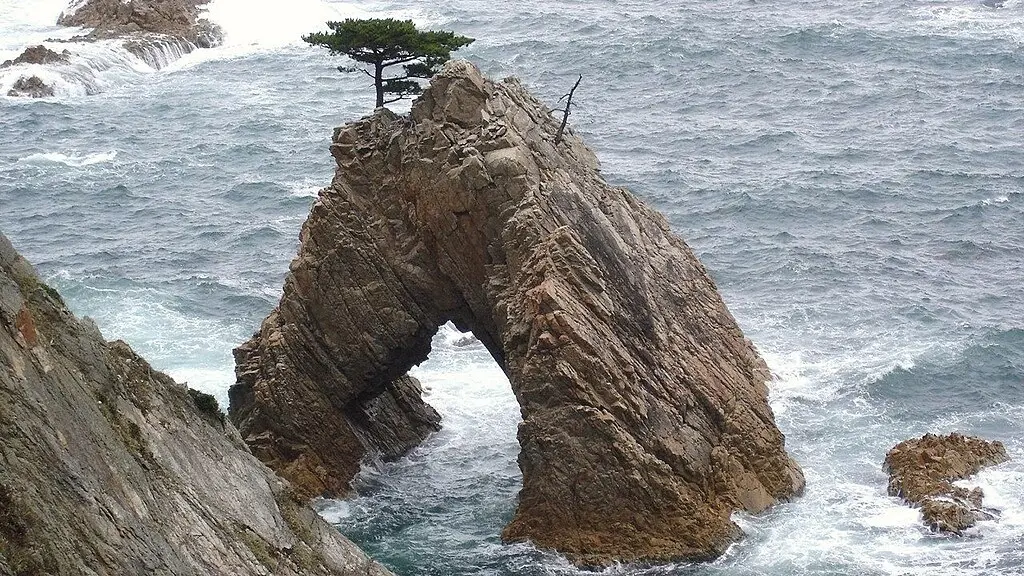
17. Take a Trip to Uradome Coast
Uradome Coast is renowned for its crystal-clear waters, rugged cliffs, and picturesque beaches, making it a perfect escape if you’re a nature lover.
As you explore Uradome Coast, you’ll be captivated by its dramatic coastline stretching approximately 15 km (9 mi). The area is characterized by its unique rock formations, sculpted by centuries of wind and wave action. These formations create a series of coves and white sandy beaches.
One of the best ways to experience Uradome Coast is by taking a boat tour. These tours offer a close-up view of the intricate coastline, including hidden caves and arches that can’t be seen from land. The clarity of the water also allows for excellent visibility of the marine life below!
For those who prefer to stay on land, there are well-maintained walking trails along the coast. These trails provide stunning views of the sea and lead to various viewpoints, where you can take in the breathtaking panorama of the Japan Sea against the precipitous cliffs.
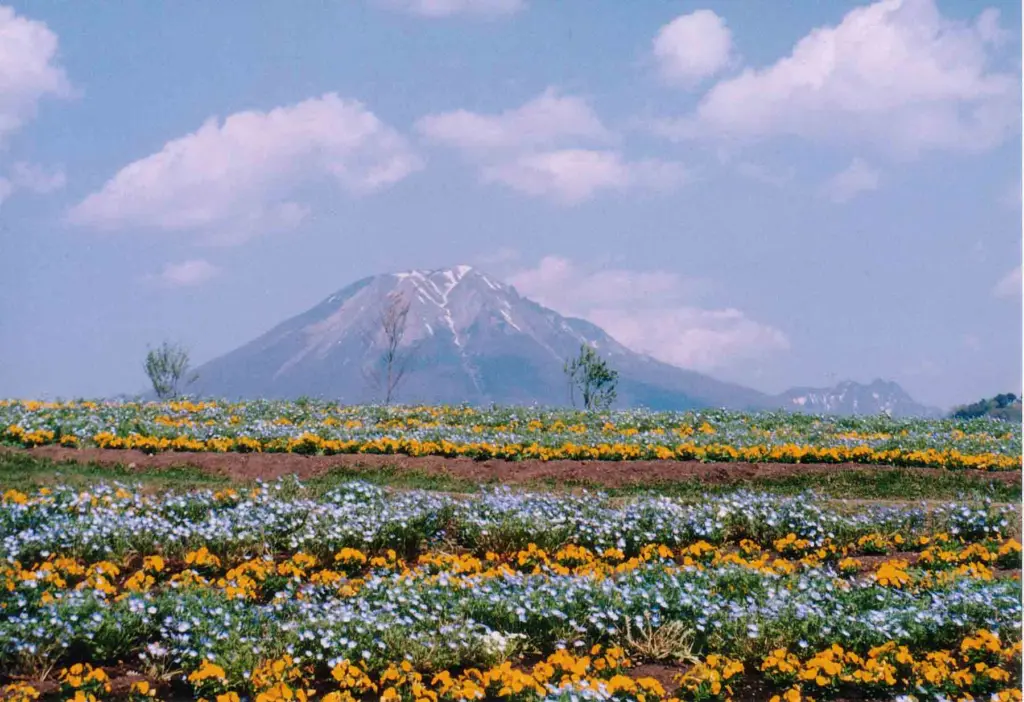
18. Delight your Senses at Hanakairo Flower Park
Located in Nanbu town, this extensive flower park is one of the largest in Japan, covering an area of about 50 hectares. It’s a floral paradise that changes with the seasons (just like Ashikaga Flower Park over at Tochigi Prefecture), offering a stunning array of colors and fragrances throughout the year.
One of the highlights of Hanakairo is the large greenhouse, which houses tropical and subtropical plants. Besides its floral displays, the park offers panoramic views of the surrounding mountains and the Tottori countryside.
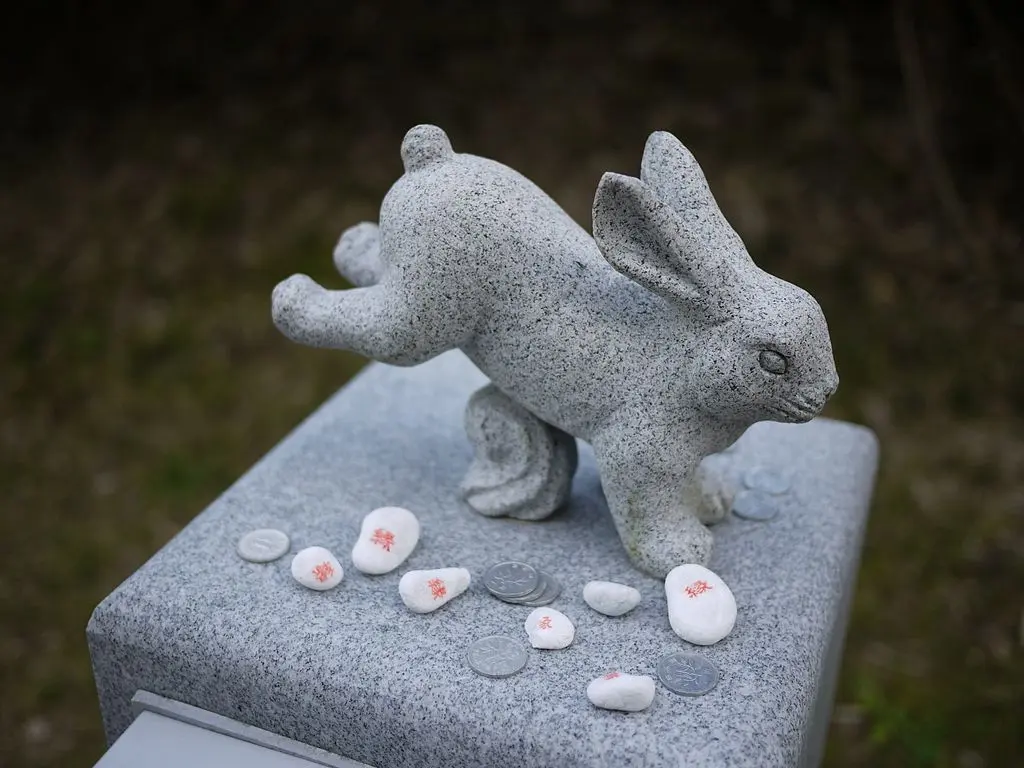
19. Visit Hakuto Shrine
The Hakuto Shrine is deeply associated with the legend of the Hare of Inaba.
According to the legend, a cunning white rabbit residing on an island devised a clever plan to count a group of sharks, betting on whether their numbers were greater than his own kin. To do this, he tricked the sharks into lining up in the sea, allowing him to hop across their backs under the guise of counting them.
However, before reaching the safety of the shore, the rabbit boasted about his deception to the sharks. Angered by the trickery, the sharks attacked the rabbit, tearing away its fur.
Which is why you’ll find plenty of rabbit statues around Hakuto Shrine if you ever drop by!
Where to Stay in Tottori
Tottori City is a very quiet and quaint place to stay in, offering a pleasant escape from the usually crowded cities of Japan. You can easily get a taste of a much more simple and laidback lifestyle. Here are some of the best recommendations in the area:
Best Hotels in Tottori:
- Green Rich Hotel Tottori Ekimae – featuring an artificial hot spring, this 3-star establishment offers round-the-clock front desk service and facilities for storing luggage. You can enjoy amenities such as a sauna, a hot spring bath, an on-site restaurant, and complimentary WiFi access. The hotel’s guest rooms are well-appointed with modern conveniences including air conditioning, satellite flat-screen TVs, refrigerators, electric tea pots, and bidets. Complimentary toiletries, desks, and private bathrooms equipped with showers, hairdryers, and slippers.
- Super Hotel Tottori Ekimae – offers air-conditioned rooms with complimentary WiFi and private bathrooms, ensuring a comfortable stay. You can also benefit from the convenience of on-site private parking. Each room at the hotel is equipped with a desk and a flat-screen TV, and the hotel provides bed linen and towels in all rooms. Additionally, there is a shared lounge available for guests.
- Tottori Guest House Miraie Base – a sustainable accommodation option. This guest house offers air-conditioned rooms with the added benefits of free private parking and complimentary WiFi. You can enjoy views of a tranquil street from their units, which are equipped with amenities like a washing machine, a fully equipped kitchen with a microwave, and a shared bathroom featuring slippers and a hair dryer. For those looking to explore the area, the guest house provides a bicycle rental service.

How to Get Around Tottori
Navigating Tottori Prefecture is relatively straightforward, with various transportation options available to suit different travel needs. Here’s a guide to help you get around Tottori:
-
Train: The JR West rail network serves Tottori, connecting major towns and cities within the prefecture. The JR San-in Line is particularly useful for traveling along the coast, including stops at Tottori City and Yonago. For those planning to travel extensively by train, consider purchasing a JR rail pass.
-
Bus: The Tottori Prefecture Bus System covers a wide area, including routes to key tourist spots like the Tottori Sand Dunes and Mount Daisen. For tourists, the Tottori Prefecture One-day Bus Pass can be a cost-effective option.
-
Rental Car: Renting a car offers the most flexibility, especially for exploring rural areas and attractions off the beaten path. Driving in Tottori is relatively easy with well-maintained roads and scenic routes.
-
Taxi: Taxis are readily available in cities, convenient for short distances or when public transportation is less frequent. They can be a bit pricey though.

Best Time to Visit Tottori
Autumn is often considered the best time to visit, with September to November featuring pleasant weather. During this time, temperatures range from 15°C – 25°C (59°F – 77°F), and the vibrant fall foliage creates a stunning backdrop at places like the Mitokusan Sanbutsuji Temple.
In spring, from March to May, Tottori is adorned with cherry blossoms, making the landscapes particularly picturesque. The mild weather, with temperatures around 10°C – 20°C (50°F – 68°F), makes it another one of the best times to visit.
Summer, from June to August, brings warm weather, with temperatures between 25°C – 30°C (77°F – 86°F). It’s a great time for beach activities and for enjoying the natural beauty of Uradome Coast. It’s also possible to see the Milky Way from the Sand Dunes at this time of the year.
Winter, from December to February, offers a serene experience with snow-covered landscapes, including the unique sight of snow on the Tottori Sand Dunes. The colder temperatures, ranging from 0°C – 10°C (32°F – 50°F), provide a great opportunities for winter sports.
Plan Your Trip to Tottori | Best Travel Resources
Book Your Accommodations
- Booking.com – the world’s leading online booking platform for accomodations around the world, they have an extensive amount of available listings with zero booking fees and best price guarantees.
- Hostelworld – a backpacker’s best friend, Hostelworld has the largest collection of hostels and guesthouses for affordable prices.
Don’t Forget Insurance
- SafetyWing – from Nomad Insurance, an insurance by nomads for nomads. They understand our lifestyle well and have really comprehensive and flexible plans that cater to any traveler.
Find Cheap Flights
- Kiwi.com – my go-to for booking and finding the cheapest flights and it’s helped me save tons of money. They do virtual interlining which is connecting flights from airlines that do not codeshare, so you can find routes that you wouldn’t be able to find normally.
Join Tours & Activities
- GetYourGuide – is one of the best places to find unique tours and activities. I found that it’s an excellent way to meet fellow travelers and create fond memories. They are not only limited to tours as they also offer niche services such as skip-the-line tickets or private transfers.
Catch a Ride
- Rentalcars.com – nothing beats the freedom of the road, Rentalcars.com is the world’s largest online car rental service. They operate across 160 countries so they’re the perfect partner to work with if you find yourself wanting a ride.