Cusco, the ancient heart of the Inca Empire, is surrounded by a wealth of archaeological treasures that offer a fascinating glimpse into the past. Beyond the well-known sites like Machu Picchu, there are numerous Inca ruins that are easily accessible from Cusco, each with its own unique story. From impressive fortresses to sacred temples, here are 11 Inca ruins around Cusco that you can easily visit!
Table of Contents
ToggleWhere to Stay in Cusco
hether you’re seeking luxury accommodations with breathtaking views, a cozy boutique hotel in a historic neighborhood, or a budget-friendly hostel close to the action, Cusco offers a wide range of options to suit every traveler’s style and budget. Let’s explore the best places to stay in this vibrant Andean city:
Best Hotels in Cusco
- Casa Cristobal Siete Cuartones Casona Colonial – features a garden. The hotel is near key attractions and you can can enjoy amenities such as a 24-hour front desk, airport transportation, room service, and free WiFi. Rooms come with a patio, closet, and flat-screen TV. Bed linen and towels are provided.
- Amaru Colonial – a charming colonial inn that features a beautifully lit central courtyard with a colorful flower garden. Rooms are decorated with bold Peruvian accents and offer private bathrooms and central heating, with free WiFi available in public areas.
- MOAF Cusco Boutique Hotel – enjoy a 24-hour front desk, airport transportation, a shared kitchen, and free WiFi throughout the property. Room offer city views and all are equipped with a private bathroom, flat-screen TV, and hairdryer. A buffet, continental, or American breakfast is served daily.
Best Hostels in Cusco
- Samay Wasi Youth Hostels – offers a safe, clean, and comfortable stay with stunning views of the city. The hostel provides cozy single, double, and shared rooms, all with private bathrooms and heating. You enjoy free internet, breakfast, cable TV, a fully equipped kitchen, and 24-hour hot water.
- Viajero Kokopelli Hostel – housed in a unique 200-year-old building with a focus on providing everything a traveler needs, the hostel offers free WiFi throughout, 24/7 reception and security, and a range of amenities including a restaurant, bar, and live music events.
- Pariwana Hostel Cusco – where high-quality accommodation meets affordability, ensuring an exceptional stay without breaking the bank. Pariwana offers both shared and private rooms with exceptional comfort, putting you close to the vibrant local culture. With a variety of daily activities and the chance to connect with travelers from around the world, your time here promises to be an exciting adventure.
11 Inca Ruins Around Cusco
1. Pisac
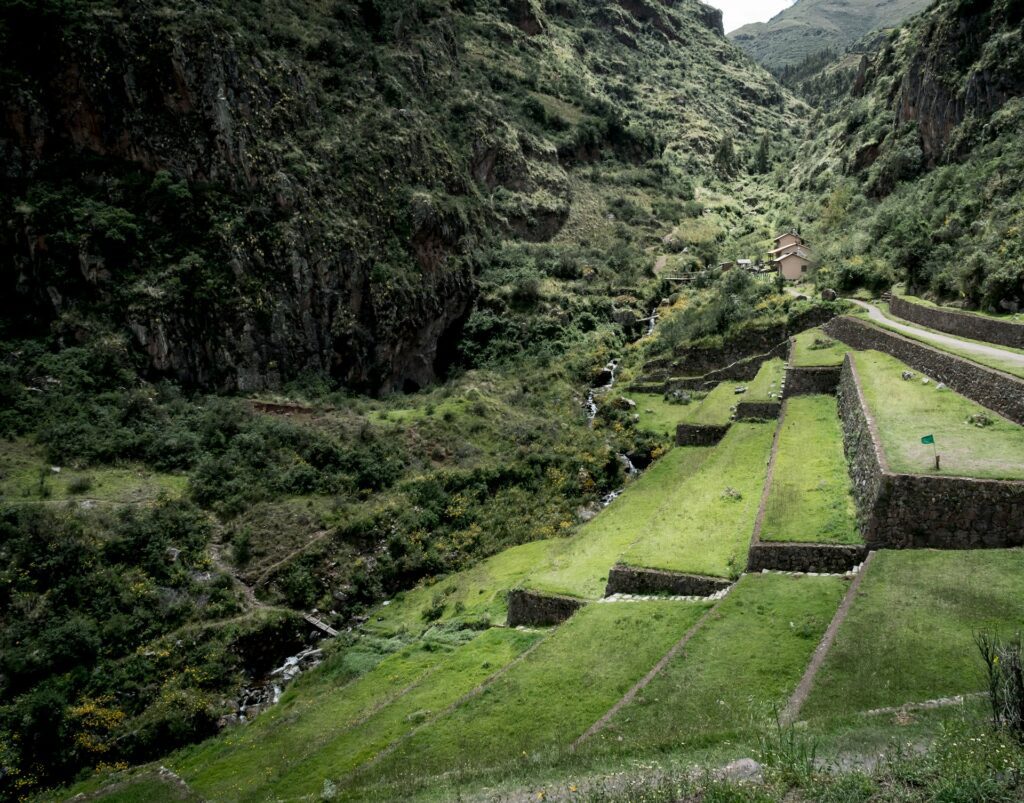
The Pisac ruins are divided into four main sections: Pisaqa, Intihuatana, Q’allaqasa, and Kinchiracay. =
Pisaqa is believed to have been a residential area, likely home to the elite of Inca society. Here, you’ll find finely crafted stone houses that showcase the Inca’s exceptional masonry skills, with stones so precisely cut that they fit together without the need for mortar.
Intihuatana, often referred to as the “hitching post of the sun,” is the ceremonial center of the site. This area houses the Intihuatana stone, a ritual stone associated with the Inca’s astronomical practices. It was used to track the sun’s movements and played a crucial role in their agricultural calendar.
Q’allaqasa, known as the “citadel,” is strategically positioned on a steep cliff, offering panoramic views of the Sacred Valley. While, Kinchiracay is the agricultural sector, with extensive terraces that cascade down the mountainside.
If you’re keen, you can visit Pisac and other ruins mentioned on this list through this highly-rated tour here.
2. Q'enqo
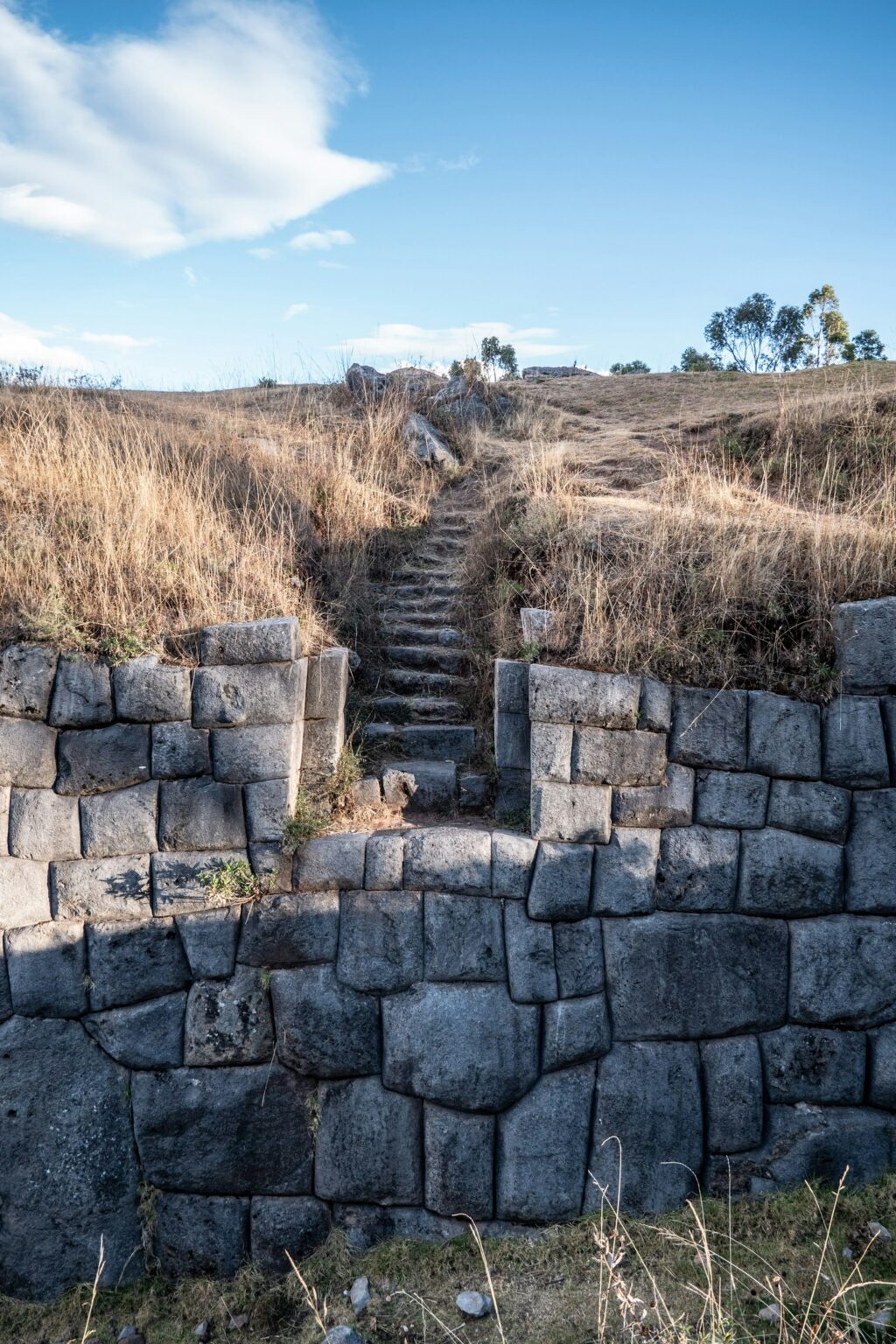
The name “Q’enqo” translates to “labyrinth” in Quechua. Unlike the grand fortresses and temples of other Inca sites, Q’enqo is characterized by its unique rock formations, subterranean passages, and carved stone altars.
The site is divided into two main parts: Q’enqo Grande and Q’enqo Chico. Q’enqo Grande is the more prominent of the two, featuring a large limestone rock that has been intricately carved with a series of channels, steps, and niches.
3. Tambomachay
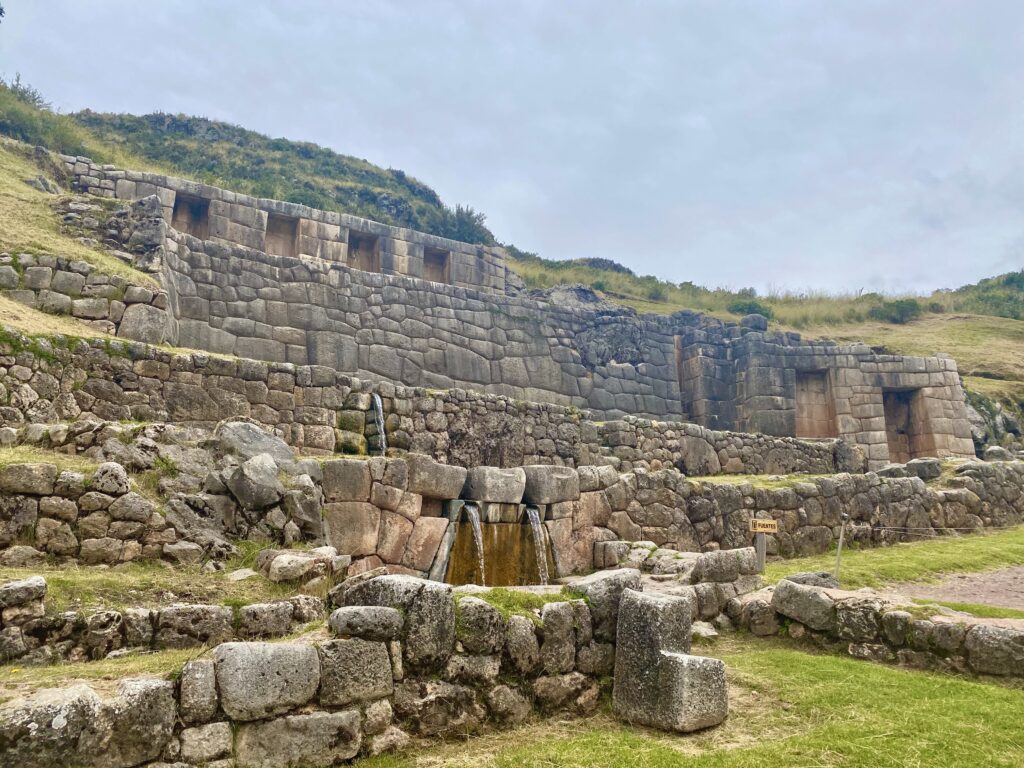
Tambomachay, often referred to as “The Inca’s Bath,” is believed to have been a place dedicated to water worship and possibly a royal retreat for the Inca elite.
The site features a series of aqueducts, canals, and waterfalls that are fed by natural springs in the area. The water flows through a carefully constructed system of stone channels, which still function remarkably well today, centuries after they were built. The water from the springs is channeled into four trapezoidal niches, which some scholars believe could have held ritual objects.
Tambomachay is composed of three terraced platforms, each with its own set of water channels and small cascades. The highest platform contains a small pool, which is fed by a pair of fountains that have been flowing steadily for centuries. The constant flow of water, even during dry seasons, suggests that the Inca had a deep understanding of the natural water sources in the region and were able to harness them effectively for their needs.
4. Puka Pukara
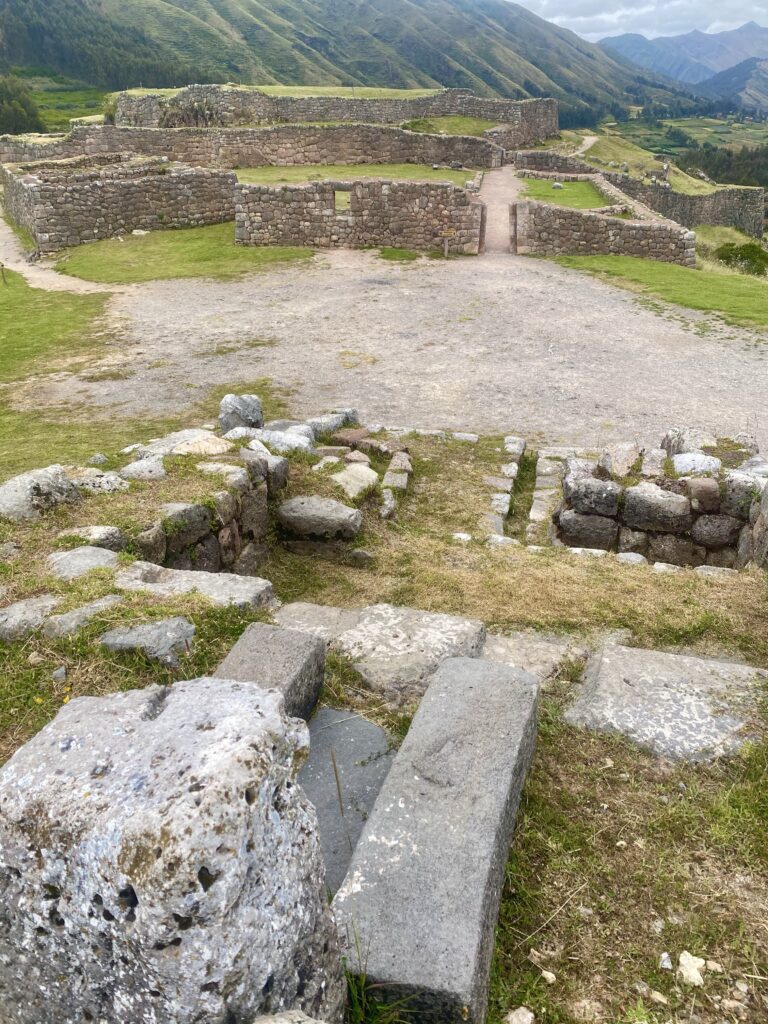
Puka Pukara, meaning “Red Fortress” in Quechua, is an Inca military site strategically located on a hilltop overlooking the Cusco Valley. The name comes from the reddish hue of the stones used in its construction, which glow warmly in the light of the setting sun.
Unlike the finely cut stones used in more significant Inca structures, the stones at Puka Pukara are more roughly hewn, suggesting that the site may have been built quickly to fulfill a practical, rather than ceremonial, purpose.
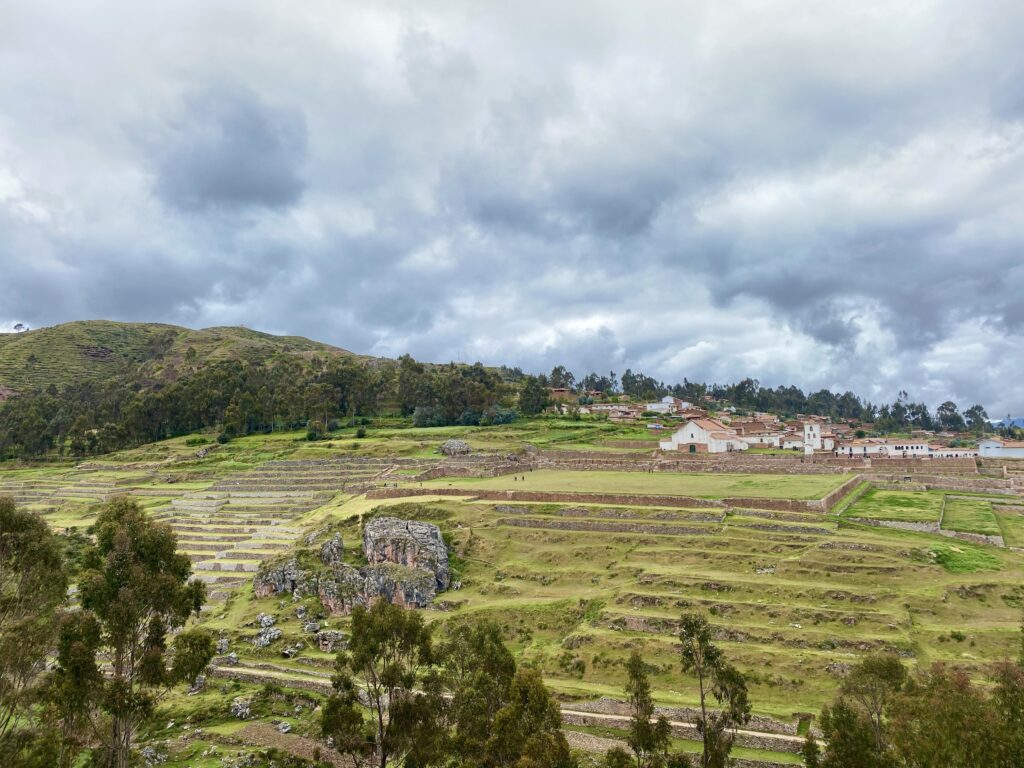
5. Chinchero
Chinchero or the “Birthplace of the Rainbow,” (different from Rainbow Mountain) while known today for its vibrant textile market and colonial church, the town is believed to have been the country estate of Inca Emperor Tupac Yupanqui, who ordered the construction of terraces, a palace, and other structures that reflect the grandeur of Inca architecture.
The ruins of Chinchero are characterized by expansive agricultural terraces that cascade down the hillsides, showcasing the Inca’s advanced techniques in land management and crop cultivation. These terraces are still in use today.
One of the most remarkable features of Chinchero is the Inca royal palace complex, which, though partially destroyed and overbuilt by the Spanish, still retains much of its original splendor. The remaining walls and doorways are classic examples of Inca stonework, with perfectly cut and fitted stones that have withstood centuries of weathering and seismic activity.

6. Moray
Moray is one of the most intriguing and visually striking Inca sites in the Sacred Valley. Unlike the fortresses and temples that characterize many other Inca ruins, Moray is a sophisticated agricultural laboratory. The site consists of a series of enormous, terraced circular depressions, which resemble ancient amphitheaters and are thought to have been used for agricultural experimentation.
The most famous feature of Moray is the three main circular terraces, with the largest depression reaching a depth of approximately 30 meters. These terraces descend in concentric circles, creating a visually stunning pattern that is as beautiful as it is functional. The purpose of these terraces is believed to be related to the Inca’s study of different crop varieties and their adaptation to various microclimates. Each terrace experiences a slightly different temperature due to the varying levels of exposure to sunlight and wind, allowing the Inca to simulate a range of climatic conditions.
At the bottom of each depression, the temperature can be significantly warmer than at the top, sometimes by as much as 15 degrees Celsius. This temperature variation allowed the Inca to cultivate a wide variety of crops, from maize and potatoes to more exotic plants that might not have otherwise thrived in the high-altitude Andean environment.
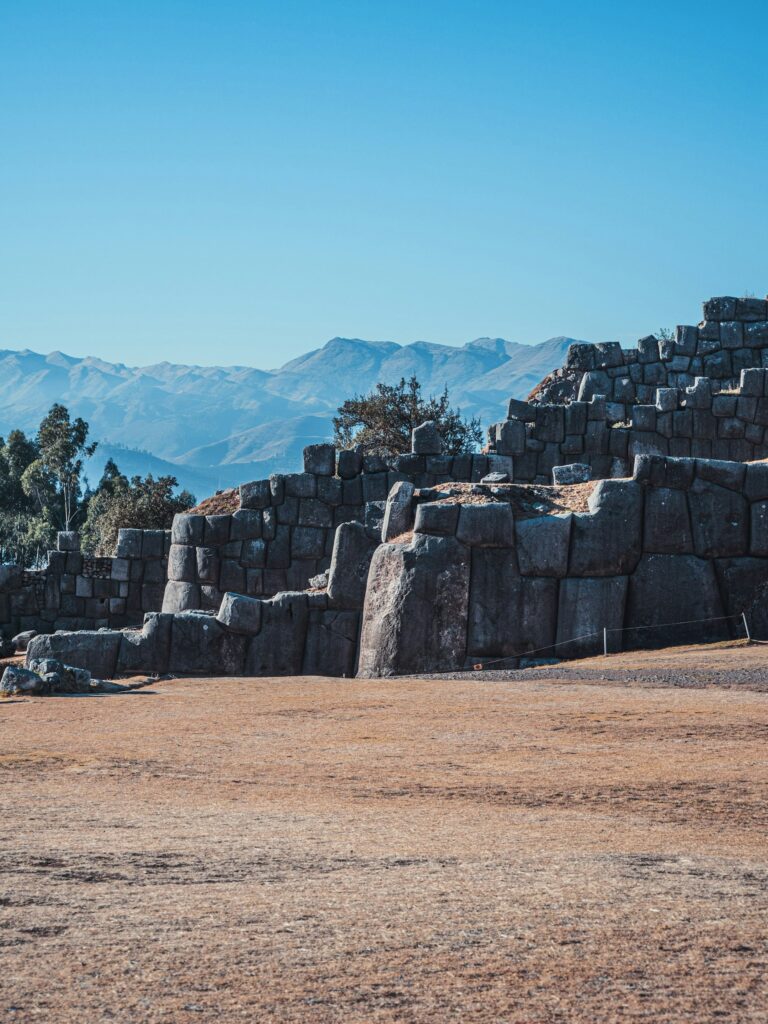
7. Sacsayhuaman
Sacsayhuaman or as our guide likes to call it “Sexy Woman” is one of the most impressive and imposing Inca ruins in the region. This massive fortress complex was constructed in the 15th century and played a crucial role in the defense of the Inca Empire’s capital, Cusco.
The most striking feature of Sacsayhuamán is its enormous zigzagging walls, which are composed of massive limestone blocks, some weighing as much as 200 tons. The precision with which these stones are joined is so exact that even a piece of paper cannot be inserted between them, and the walls have withstood centuries of earthquakes and weathering with little damage.
The fortress is laid out in a series of three terraced walls that run parallel to each other, creating a formidable defensive barrier. The zigzag pattern of the walls not only served a defensive purpose—creating multiple angles from which to fend off attackers—but also symbolized the teeth of a puma, an animal sacred to the Inca. The site’s design is believed to represent the head of a puma, with Cusco itself forming the body.
If you’re interested, you can visit Sacsayhuaman amongst the other ruins around Cusco through this tour here.
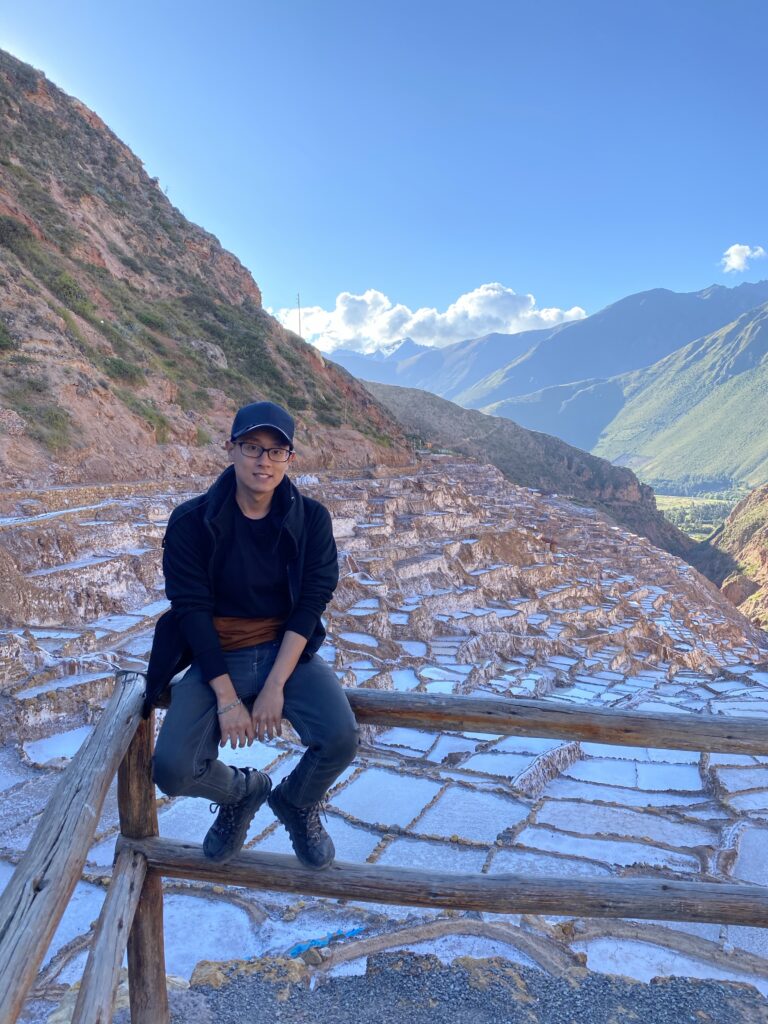
8. Maras Salt Mines
The Maras Salt Mines or Salineras de Maras is a remarkable site that consists of thousands of small, terraced salt evaporation ponds nestled in a deep valley, creating a dazzling mosaic of white and brown in the Andean landscape.
The origins of the Maras Salt Mines date back to pre-Inca times, and the site has been continuously used for salt extraction for over 500 years. The salt ponds are fed by a naturally saline subterranean spring, which emerges from the Qoripujio mountain. The highly saline water is channeled through an intricate network of irrigation channels and into the ponds. Once the water fills the shallow pools, it is left to evaporate under the intense Andean sun, leaving behind a layer of salt crystals that are harvested by local families.
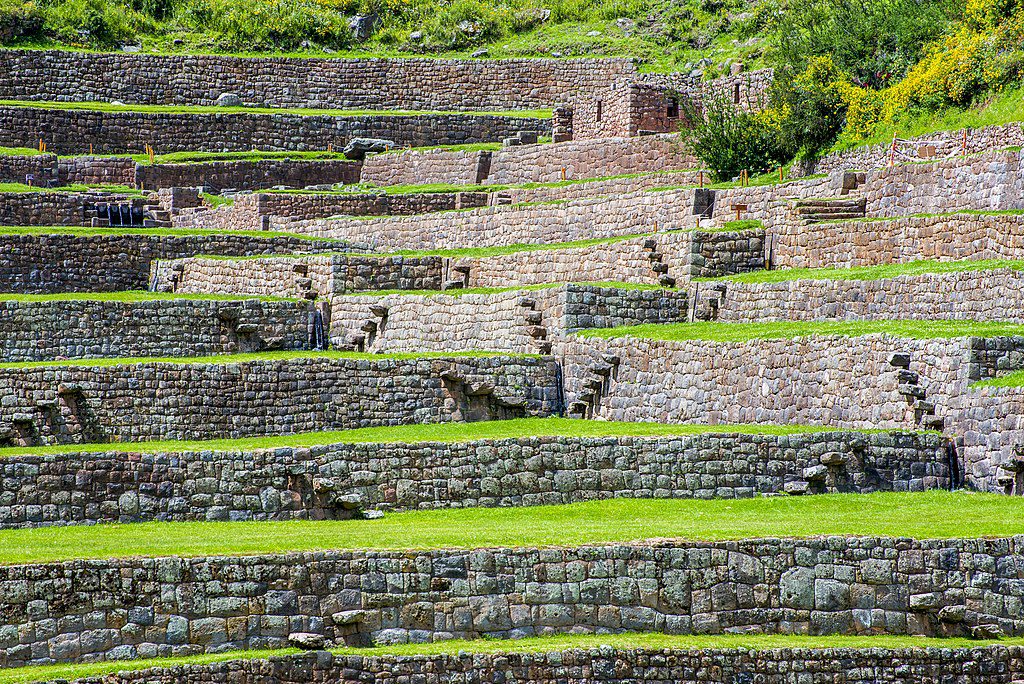
9. Tipon
Tipon is known primarily for its advanced hydraulic engineering. The site is believed to have been a royal estate, possibly commissioned by the Inca emperor Wiracocha, and it served both practical and ceremonial purposes.
The centerpiece of Tipon is its extensive system of agricultural terraces, which cascade down the mountainside in a series of beautifully constructed steps. These terraces are fed by an intricate network of stone-lined canals and aqueducts that channel water from a natural spring located high above the site. The water is distributed across the terraces in a controlled and consistent manner, ensuring that each level receives the right amount of irrigation for optimal crop growth.
The main canal that brings water to the site is over a kilometer long, and the water flows smoothly over stone steps and through channels that have been engineered with exacting precision. Even today, after centuries of use, the system functions perfectly, with water flowing consistently throughout the year.
10. Quillarumiyoc
Quillarumiyoc is one of the more enigmatic and less-visited Inca sites located about 45 kilometers northwest of Cusco, near the small village of Ancahuasi. This archaeological site is particularly significant for its connection to lunar worship, a key aspect of Inca religion. The name “Quillarumiyoc” means “Stone of the Moon” in Quechua.
The centerpiece of Quillarumiyoc is the large, semi-circular stone carving, which is thought to depict the moon or serve as a lunar calendar. This stone is meticulously carved with a series of steps and niches, which may have been used for astronomical observations, rituals, or offerings related to lunar cycles. The Inca revered the moon as a goddess known as Mama Killa, who was associated with fertility, timekeeping, and agricultural cycles. Quillarumiyoc likely served as a site for ceremonies and rituals dedicated to her, where priests would have tracked the phases of the moon and conducted rituals to ensure the fertility of the land.

11. Machu Picchu
This list wouldn’t be complete without Machu Picchu, often referred to as the “Lost City of the Incas” which is undoubtedly the most famous and iconic of all Inca ruins. Located high in the Andes Mountains, about 80 kilometers northwest of Cusco, this extraordinary site was built in the 15th century at the height of the Inca Empire. Here you’ll get to see some cute llamas!
One of the most iconic features of Machu Picchu is the Temple of the Sun, a semi-circular building that was dedicated to Inti, the sun god. The temple is built around a large granite rock, and during the winter solstice, sunlight shines through a window and illuminates a specific spot on the stone. Nearby, the Intihuatana stone, often referred to as the “hitching post of the sun,” served as an astronomical clock. If you’re feeling adventerous, you can check out this popular 1 day Machu Picchu tour from Cusco.
You can read more about the intricacies of Machu Picchu’s archaeoastronomy through here.
Plan Your Trip to Peru | Best Travel Resources
Book Your Accommodations
- Booking.com – the world’s leading online booking platform for accomodations around the world, they have an extensive amount of available listings with zero booking fees and best price guarantees.
- Hostelworld – a backpacker’s best friend, Hostelworld has the largest collection of hostels and guesthouses for affordable prices.
Don’t Forget Insurance
- SafetyWing – from Nomad Insurance, an insurance by nomads for nomads. They understand our lifestyle well and have really comprehensive and flexible plans that cater to any traveler.
Find Cheap Flights
- Kiwi.com – my go-to for booking and finding the cheapest flights and it’s helped me save tons of money. They do virtual interlining which is connecting flights from airlines that do not codeshare, so you can find routes that you wouldn’t be able to find normally.
Join Tours & Activities
- GetYourGuide – is one of the best places to find unique tours and activities. I found that it’s an excellent way to meet fellow travelers and create fond memories. They are not only limited to tours as they also offer niche services such as skip-the-line tickets or private transfers.
Catch a Ride
- Rentalcars.com – nothing beats the freedom of the road, Rentalcars.com is the world’s largest online car rental service. They operate across 160 countries so they’re the perfect partner to work with if you find yourself wanting a ride.