What is it about Peru that makes its culture stand out?
The answer lies in its deep blend of indigenous traditions, colonial influences, and the natural world. In Peru, every corner offers something unique—whether it’s in the food, the festivals, or the daily rhythm of life.
From the ancient ruins that tell stories of past civilizations to the colorful markets bustling with modern energy, Peruvian culture thrives on diversity and a sense of deep-rooted connection to the land.
Let’s explore what makes this culture so distinct and why it continues to fascinate.
Table of Contents
ToggleCultural Concepts in Peru
Ayni
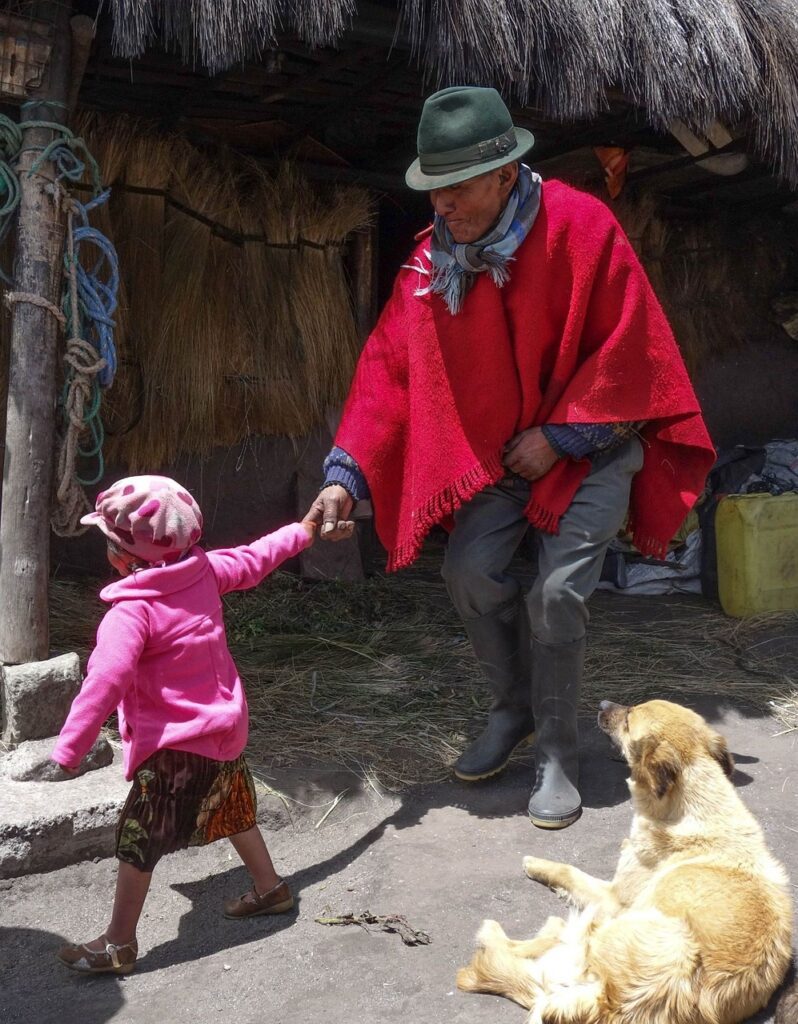
Ayni is an ancient concept rooted in the Andean worldview, representing the principle of reciprocity. It is the idea that everything in life is interconnected, and people must give back to the community and nature what they have received. For example, when someone in a village needs help building a house, the community comes together to assist, with the understanding that the favor will be returned in the future. This concept of reciprocity extends beyond people to nature, where offerings are made to Mother Earth in gratitude for what she provides.
Sumaq Kawsay
Sumaq Kawsay, which translates to “good living” in Quechua, is a concept that emphasizes harmony with nature, community, and personal fulfillment. It is a holistic view of life where the goal is not material wealth but rather balance and wellbeing. Sumaq Kawsay promotes sustainability, respect for nature, and the importance of social and spiritual balance. This concept has gained attention in recent years as a philosophy that counters the consumerism and individualism often seen in Western culture, advocating instead for a lifestyle that prioritizes collective welfare and ecological respect.
Tinkuy
The concept of Tinkuy is about coming together and uniting opposites. In Andean culture, it refers to the meeting of different forces, people, or ideas to create something harmonious and balanced. Tinkuy is often seen in rituals where the joining of different elements—such as the merging of indigenous and Catholic practices—is celebrated. The idea is that these meetings are opportunities for growth, renewal, and transformation. It is a celebration of diversity and a recognition that strength comes from unity.
What is the Religion in Peru?
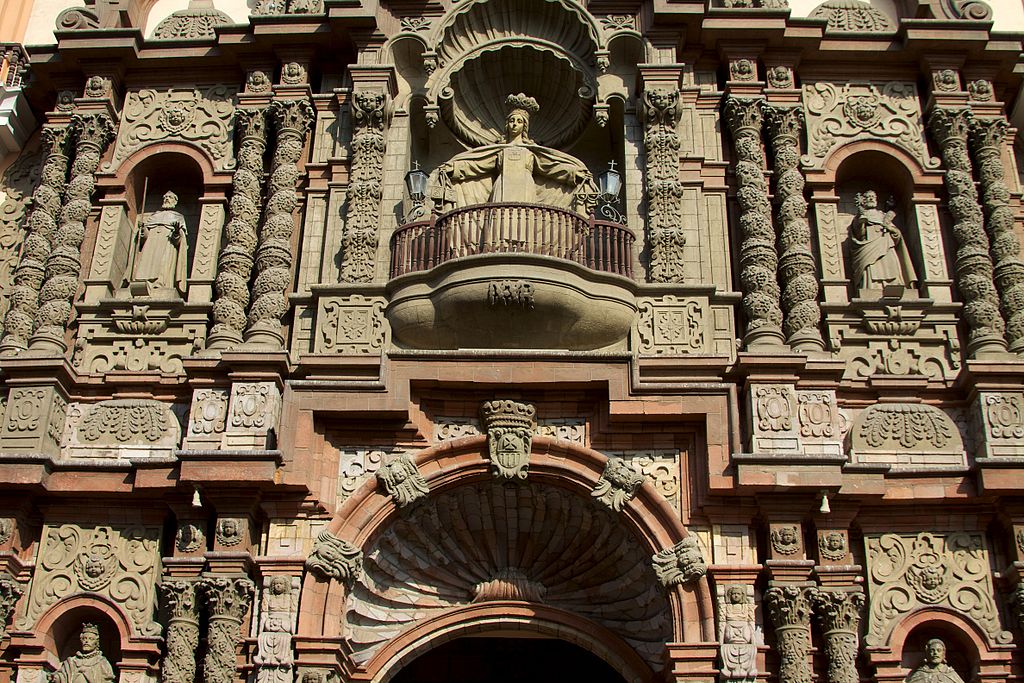
In Peru, about 76% of the population identifies as Roman Catholic, making it the dominant religion in the country. Another 14% of Peruvians identify as Evangelical Christians, a growing religious group in recent decades. The remaining 10% includes smaller religious affiliations, indigenous spiritual practices, and those who are non-religious.
However, what makes religion in Peru truly unique is how Catholic practices have blended with indigenous beliefs, known as Religious Syncretism. Many Peruvians incorporate ancient Andean traditions, such as worship of the earth goddess Pachamama, alongside Catholic rituals.
This syncretism is especially evident during festivals like Inti Raymi, which honors the Inca sun god while coexisting with Catholic celebrations.
What are the Traditions in Peru?
Pago a la Tierra
One of the most enduring traditions in Peru is Pago a la Tierra, or the Offering to Pachamama (Mother Earth). This ancient Andean ritual is a way of giving thanks to Pachamama for providing sustenance and protecting communities. Offerings typically include coca leaves, food, chicha (corn beer), and sometimes even small animals like guinea pigs. These ceremonies are especially common in rural Andean regions and are held before planting or harvesting crops, or during other important life events.
Coca Leaf Rituals
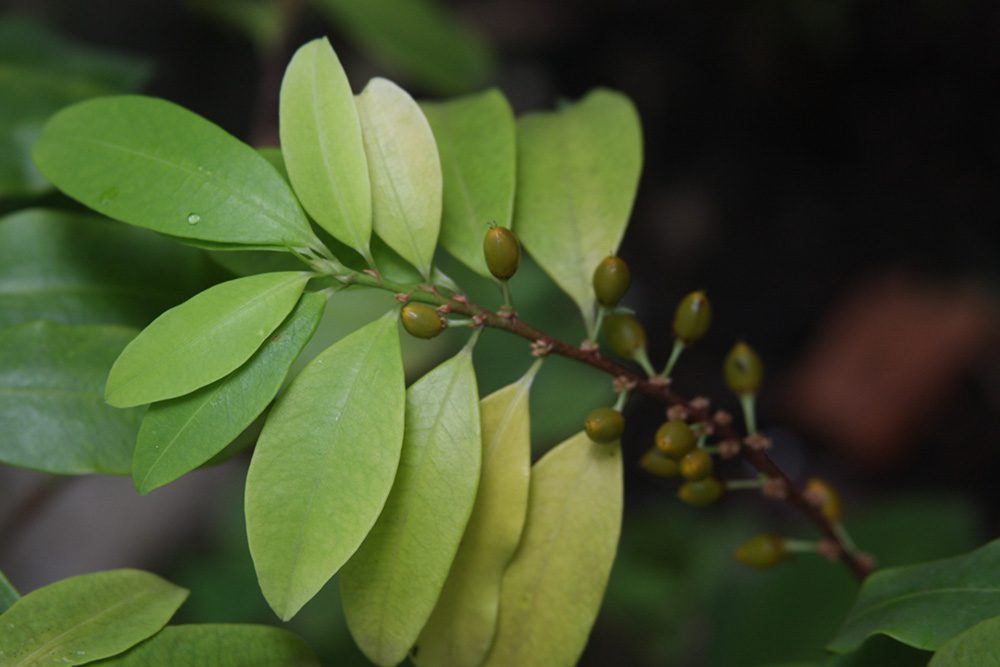
The coca leaf holds a special place in Peruvian tradition, especially in the Andean highlands. Coca leaves are used in rituals to honor the Apus (mountain spirits) and to seek guidance or protection. Chewing coca leaves or brewing them into tea is also part of daily life for many Peruvians, helping with altitude sickness and physical endurance in high-altitude regions. There is also the coca leaf reading where a shaman can read through the leaves, the various aspects of your life.
Curanderismo
Peru has a long history of curanderismo, or traditional healing practices, which combine indigenous knowledge with Catholic elements. Curanderos (traditional healers) often use herbs, rituals, and spiritual practices to cure ailments of both the body and the soul. In the Amazon, ayahuasca ceremonies—led by shamans—are a form of spiritual healing using the ayahuasca vine. PIn other regions, curanderos may use herbs, energy cleanses (such as Palo Santo), and prayers to help people restore balance in their lives.

Peruvian Traditional Dance
Here are a few of the most important traditional dances from Peru:
- Marinera: The Marinera is often considered Peru’s national dance and is most popular along the coastal regions. This graceful and romantic dance mimics a courtship between a man and a woman, who use handkerchiefs as part of their performance.
- Huayno: Huayno is usually performed in pairs and involves energetic foot stomping and rhythmic hops, often accompanied by lively Andean music. Huayno is a key part of celebrations like the Inti Raymi festival.
- Festejo: Festejo is a vibrant Afro-Peruvian dance with roots in the coastal areas, particularly in the towns south of Lima. It is lively and rhythmic, often performed to celebrate freedom and joy. The dance highlights the rhythmic beats of African-inspired percussion instruments such as the cajon, along with fast footwork and expressive body movements.
Peruvian Traditional Music
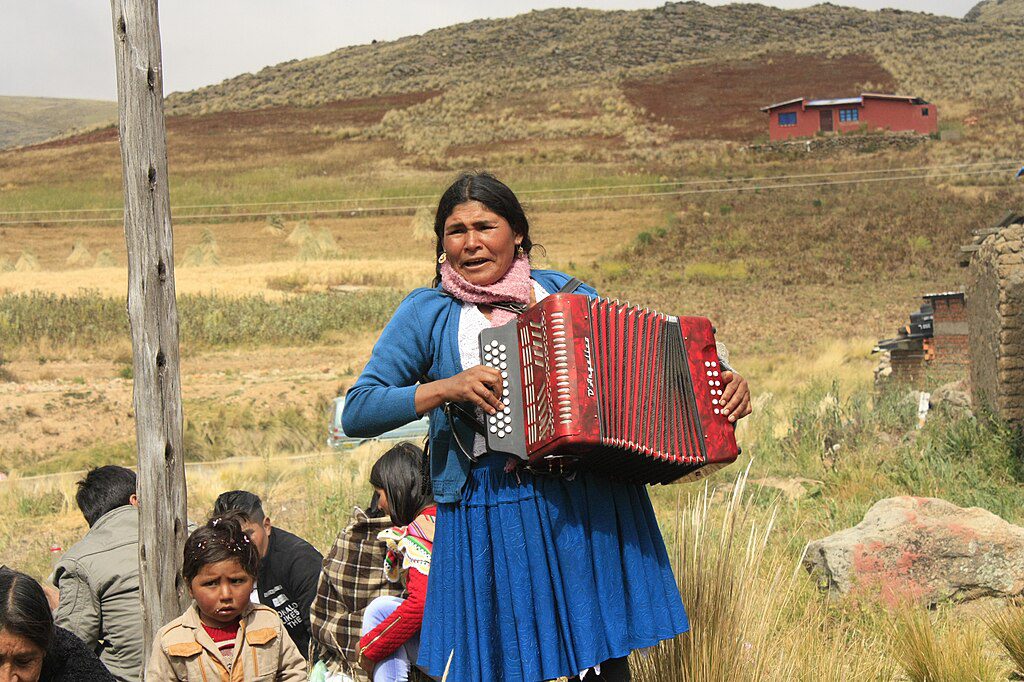
Each region of Peru has its own distinctive sound, often defined by the instruments used. Here’s a look at some of the most important traditional Peruvian instruments:
- Charango: The charango is a small stringed instrument, similar to a lute, and is a staple of Andean music. Traditionally, it was made from the shell of an armadillo, though today wood is more commonly used. The charango typically has ten strings and produces a bright, lively sound.
- Quena: The quena is a traditional Andean flute made from bamboo or wood, with six front holes and one back hole. The quena produces a haunting, airy sound that is perfect for the high-pitched, melancholic melodies of the Andes.
- Siku: The siku, or Andean panpipes, are one of the oldest instruments in Peruvian music, dating back to pre-Inca times. Made from reeds of different lengths, the siku is played by blowing across the pipes to produce different notes, creating the signature sound of Andean music.
- Bombo: The bombo is made from wood and animal skins, it produces a powerful bass tone and is often played alongside instruments like the charango and quena in traditional festivals. It helps to maintain the rhythmic structure of the music.
What to Eat in Peru
Peruvian cuisine is a flavorful fusion of indigenous ingredients and influences from Spanish, African, Chinese, and Japanese cultures, making it one of the most diverse and exciting culinary scenes in the world. Here are some must-try dishes when you’re in Peru:
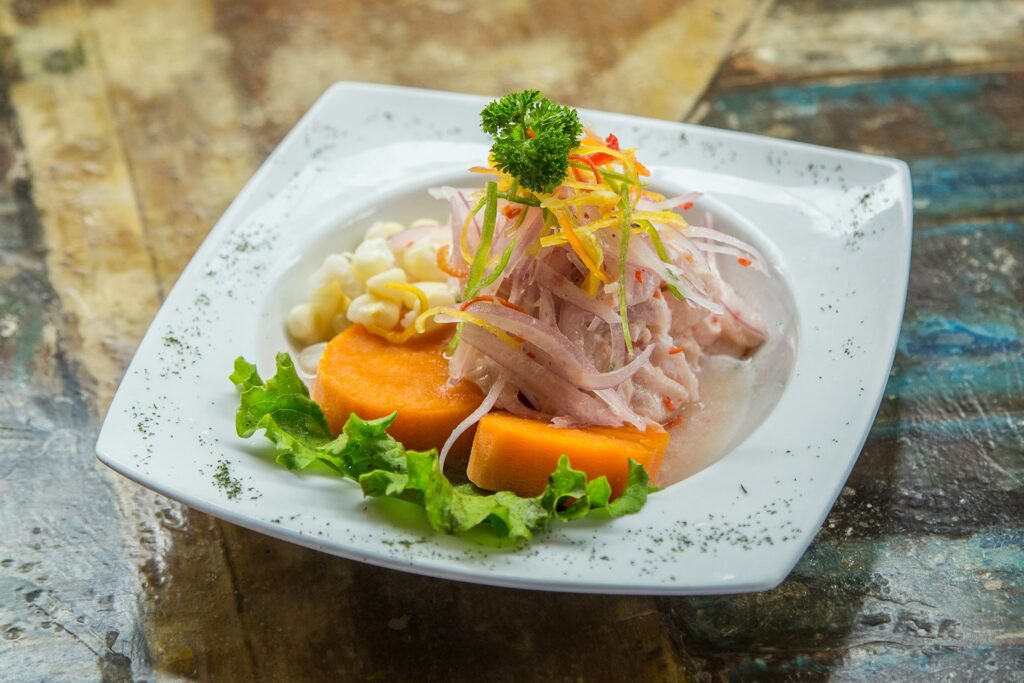
Ceviche – Peru’s national dish, ceviche consists of fresh fish marinated in lime juice, mixed with onions, cilantro, and spicy peppers. It’s typically served with corn and sweet potatoes to balance out the sharp citrus flavors.
Lomo Saltado – This popular stir-fry dish is a mix of marinated beef strips, onions, tomatoes, and Peruvian spices, all sautéed and served with French fries and rice. The influence of Chinese cooking techniques (chifa) is clear in this delicious fusion dish.
Aji de Gallina – A creamy and spicy chicken stew made with shredded chicken, bread soaked in milk, cheese, and aji amarillo (yellow chili pepper). It’s typically served with boiled potatoes, rice, and hard-boiled eggs.
Cuy (Guinea Pig) – A traditional dish from the Andean region, cuy is often roasted or fried and served whole. While it may seem exotic to some, guinea pig has been a staple protein source in Peru for centuries.
Anticuchos – Skewers of marinated and grilled meat, typically made with beef heart. This street food is popular throughout Peru, often served with a side of boiled potatoes or corn.
Alpaca Steak – Alpaca meat is lean and flavorful, often compared to lean beef. It’s commonly grilled or made into stews and is a must-try for meat lovers visiting the Andes.
Papa a la Huancaína – A cold appetizer featuring boiled potatoes smothered in a creamy, spicy sauce made from aji amarillo peppers, cheese, milk, and crackers. It’s typically garnished with hard-boiled eggs and olives.
What is the Language like in Peru?
The official language of Peru is Spanish, spoken by around 82% of the population. However, what makes the linguistic landscape in Peru particularly unique is its rich diversity of indigenous languages. The most widely spoken indigenous language is Quechua, the language of the Inca Empire, still spoken by approximately 13% of Peruvians, particularly in the Andean regions. Following Quechua, Aymara is spoken by around 2% of the population, mainly in the southern regions near Lake Titicaca.
There are also over 40 indigenous languages still spoken in the Amazon region, including Ashaninka, Shipibo, and Awajun.
Useful Spanish Phrases for Travel
|
Spanish
|
English
|
|---|---|
|
Hola
|
Hello
|
|
Buenos dias
|
Good morning
|
|
Buenas tardes
|
Good afternoon
|
|
Buenas noches
|
Good evening
|
|
¿Como estas?
|
How are you?
|
|
Por favor
|
Please
|
|
Gracias
|
Thank you
|
|
De nada
|
You’re welcome
|
|
¿Cuanto cuesta?
|
How much does it cost?
|
|
¿Hablas ingles?
|
Do you speak English?
|
|
No hablo español
|
I don’t speak Spanish
|
|
Quisiera un taxi
|
I would like a taxi
|
|
Necesito ayuda
|
I need help
|
Traditional Festivals in Peru

Inti Raymi
Inti Raymi is one of Peru’s most important festivals, celebrated on June 24th in Cusco. This festival honors the Inca sun god, Inti, and draws thousands of people to the city for colorful parades and dramatic reenactments of ancient Inca ceremonies. The highlight takes place at the Sacsayhuaman ruins, where participants dressed in traditional costumes recreate the rituals once performed by the Incas to welcome the sun and ensure good harvests. It’s a grand spectacle that connects modern Peruvians with their ancient heritage.
Fiesta de la Candelaria
Fiesta de la Candelaria, held in February in Puno, is a vibrant celebration that blends Catholic devotion and Andean folklore. The festival is dedicated to the Virgin of Candelaria, Puno’s patron saint, and features massive parades, energetic folk dances, and traditional music from various cultural groups. As one of the largest festivals in South America, it brings together over 200 different cultural communities, showcasing the deep fusion of indigenous and Spanish influences in the region.
Semana Santa
Semana Santa, or Holy Week, is especially grand in Ayacucho, where it is marked by elaborate processions and religious reenactments in the days leading up to Easter Sunday. This solemn yet beautiful festival includes intricate representations of biblical events, candlelit vigils, and religious parades. Ayacucho’s celebrations are among the most famous in Peru, drawing visitors to experience the deep spiritual devotion and artistic expression that fills the city during this week.
Customs in Peru
- In Peru, it’s customary to greet people, especially women, with a light kiss on the right cheek. This custom is common in social settings and even when meeting someone for the first time. Men often greet each other with a handshake, though a cheek kiss may also be used if they are close friends or family.
- The concept of a quick meal doesn’t resonate strongly in Peru; meals, particularly the main lunch (known as “almuerzo”), can last for several hours and are seen as one of the most important parts of the day.
- When visiting someone’s home, it is customary for the host to offer food, even if the visit is unplanned. Similarly, when drinking chicha (corn beer) or pisco, it’s common to share a single cup, passing it around the group as a sign of trust and camaraderie. Refusing food or drink in these settings can be seen as impolite.
- It is also common for multiple generations to live together, with elder family members receiving special care.
- When offered a gift, it’s polite to express gratitude but not to open it immediately in front of the giver, as this may be seen as greedy.
- In Peru, there’s a widespread belief that giving someone a sharp object, such as a knife or scissors, can sever the relationship between the giver and the recipient. To avoid this, a common custom is to “pay” for the gift by exchanging a small amount of money, even just a coin. This is believed to neutralize any bad luck and preserve the relationship.
Plan Your Trip to Peru | Best Travel Resources
Book Your Accommodations
- Booking.com – the world’s leading online booking platform for accomodations around the world, they have an extensive amount of available listings with zero booking fees and best price guarantees.
- Hostelworld – a backpacker’s best friend, Hostelworld has the largest collection of hostels and guesthouses for affordable prices.
Don’t Forget Insurance
- SafetyWing – from Nomad Insurance, an insurance by nomads for nomads. They understand our lifestyle well and have really comprehensive and flexible plans that cater to any traveler.
Find Cheap Flights
- Kiwi.com – my go-to for booking and finding the cheapest flights and it’s helped me save tons of money. They do virtual interlining which is connecting flights from airlines that do not codeshare, so you can find routes that you wouldn’t be able to find normally.
Join Tours & Activities
- GetYourGuide – is one of the best places to find unique tours and activities. I found that it’s an excellent way to meet fellow travelers and create fond memories. They are not only limited to tours as they also offer niche services such as skip-the-line tickets or private transfers.
Catch a Ride
- Rentalcars.com – nothing beats the freedom of the road, Rentalcars.com is the world’s largest online car rental service. They operate across 160 countries so they’re the perfect partner to work with if you find yourself wanting a ride.