The Shipibo-Konibo people are one of the most prominent indigenous groups residing in the Amazon Basin of Peru.
As one of the many indigenous groups who have lived in the Amazon for generations, the Shipibo play a key role in preserving the environmental and cultural heritage of the region. Their traditions, beliefs, and ways of life offer insight into how ancient knowledge and practices can provide solutions to contemporary challenges, such as environmental degradation and cultural homogenization.
Table of Contents
Toggle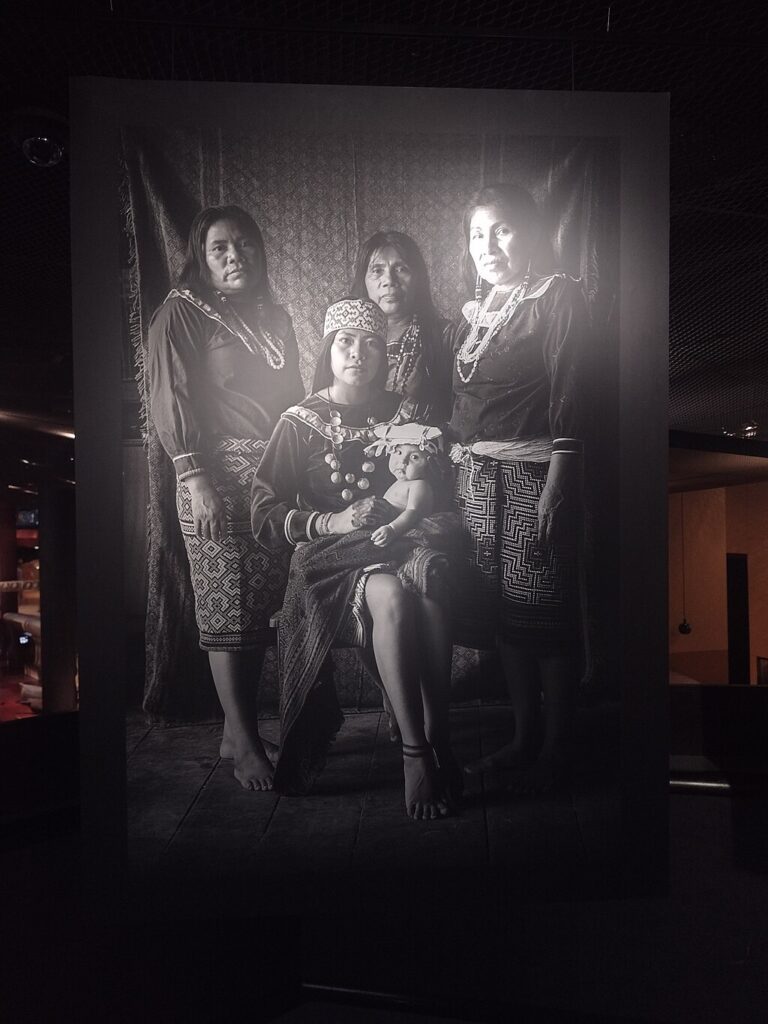
History of the Shipibo
Like many indigenous groups of the Amazon, the Shipibo’s early history is closely tied to the river systems, which provided food, transport, and fertile grounds for agriculture.
The arrival of the Spanish colonizers in the 16th century brought drastic changes to the Shipibo, as it did to many indigenous populations across South America. Initially shielded from direct contact due to their remote location in the Amazon, the Shipibo eventually encountered missionaries who sought to spread Christianity and exploit the region’s natural resources.
The 19th and 20th centuries were a time of further upheaval for the Shipibo, particularly during the rubber boom in the Amazon. As demand for rubber grew, so did the exploitation of the Amazonian environment and its indigenous peoples. Shipibo lands were invaded by rubber tappers, leading to forced labor, violence, and further cultural disruption. During this period, many Shipibo communities were displaced, forced into exploitative labor conditions, and stripped of their traditional ways of life.
In the 1960s, the Peruvian government’s push for modernization led to efforts to assimilate indigenous groups into mainstream society, often through boarding schools and policies that discouraged the use of indigenous languages. In modern times, the Shipibo have become more politically active, advocating for their rights, preserving their cultural heritage, and seeking recognition of their land and environmental rights amidst growing threats from deforestation, mining, and climate change.
The Shipibo Way of Life
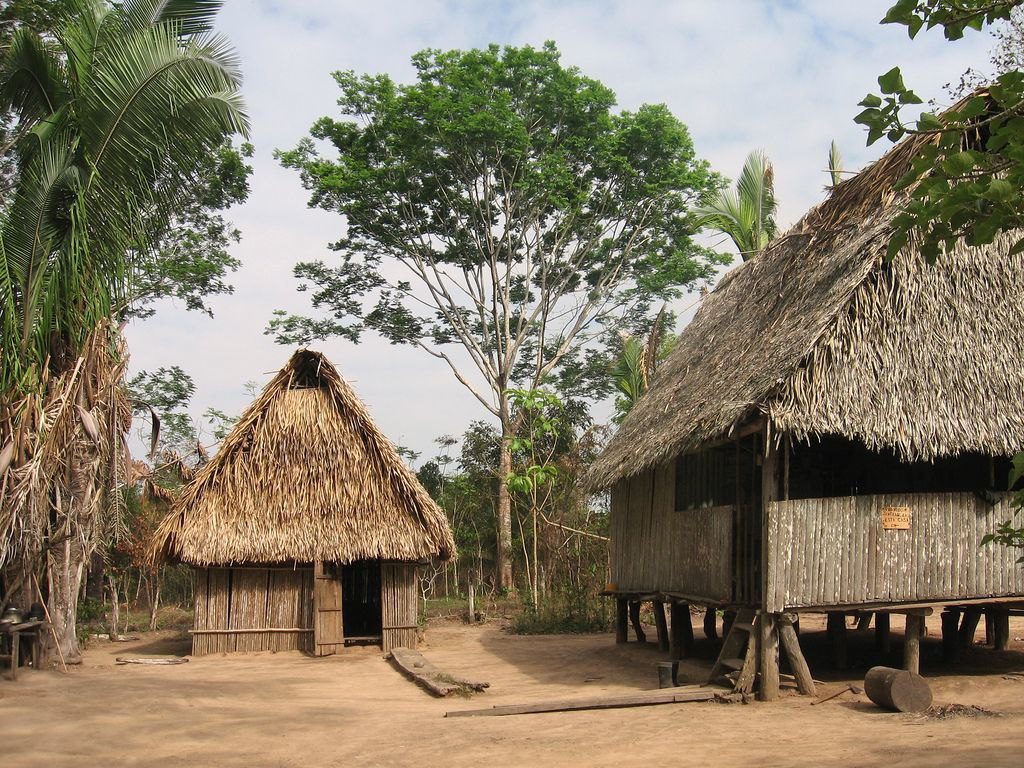
The Shipibo-Konibo people are primarily located along the Ucayali River, one of the main tributaries of the Amazon River. This region is characterized by dense rainforests, vast river networks, and diverse wildlife, all of which play an essential role in shaping the Shipibo way of life. The rainforest and rivers provide the Shipibo with food, materials for building, and medicinal plants that are integral to their shamanistic practices. The Shipibo have traditionally lived in small, self-sustaining communities that rely on the natural resources of the Amazon, practicing agriculture, fishing, and hunting in ways that are in harmony with their environment.
Most Shipibo villages are built along the riverbanks, with houses constructed on stilts to protect against seasonal flooding. Canoes are a primary means of transportation, as the river serves as both a source of sustenance and a major route for trade and communication between communities. The surrounding forest is not only a source of livelihood but also deeply embedded in the Shipibo’s spiritual worldview, where plants and animals are believed to be imbued with spirits.
The current population of the Shipibo-Konibo is estimated to be around 35,000 to 40,000 people, making them one of the larger indigenous groups in the Peruvian Amazon. Despite their strong cultural identity, the Shipibo people face numerous modern pressures that have begun to alter their traditional way of life. One of the most significant challenges is urban migration. Many young Shipibo have moved to cities like Pucallpa and Lima in search of education and employment opportunities. This migration often leads to the fragmentation of their communities and a gradual loss of traditional knowledge and language.
Culture & Traditions of the Shipibo
Shipibo-Konibo
The Shipibo-Konibo people speak their own indigenous language, known as Shipibo-Konibo, which belongs to the Panoan language family. The current status of the Shipibo-Konibo language is precarious. While it is still spoken by many members of the older generation in rural villages, it is increasingly under threat from modernization. Younger generations often adopt Spanish as their primary language, leaving the Shipibo-Konibo language vulnerable to decline.
Kene
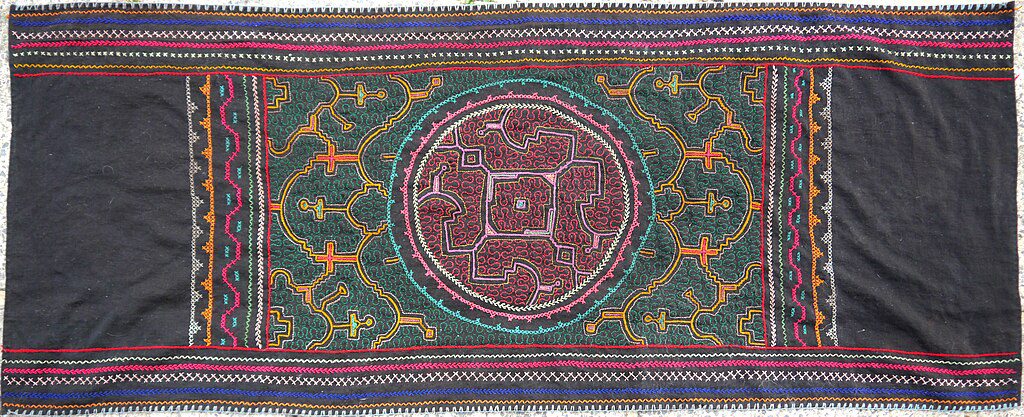
Shipibo textiles are highly valued for their intricate patterns and vibrant colors, with each piece reflecting the artist’s unique interpretation of the Shipibo cosmology. The textiles are often woven from natural fibers like cotton, dyed with plant-based pigments, and decorated with complex geometric designs known as kene. These designs are more than aesthetic patterns; they represent the harmony of the universe, embodying the interconnections between humans, nature, and the spiritual realm. The Shipibo believe that these patterns are a visual manifestation of songs and visions that come to them during spiritual practices, particularly ayahuasca ceremonies.
Similarly, Shipibo pottery is also adorned with kene patterns similar to those found on textiles. Each design has its own meaning, often representing spiritual journeys, healing, or protective symbols. The symmetry and precision of these designs reflect the Shipibo’s deep understanding of balance, both in the physical world and in the metaphysical one.
Icaro
One of the most important forms of traditional music in Shipibo culture is the Icaro, which are healing songs chanted by Shipibo shamans during ayahuasca ceremonies. These songs are believed to have been gifted by the spirits during visions and are used to guide participants through their spiritual journey. The Icaro songs are thought to have the power to heal, protect, and bring clarity. Each song is unique to the shaman and the specific needs of the individual being treated, creating a deeply personal connection between the spiritual world and the physical. The music in these ceremonies is often slow and hypnotic, fostering a meditative state that allows for spiritual communication and healing.
Clothing
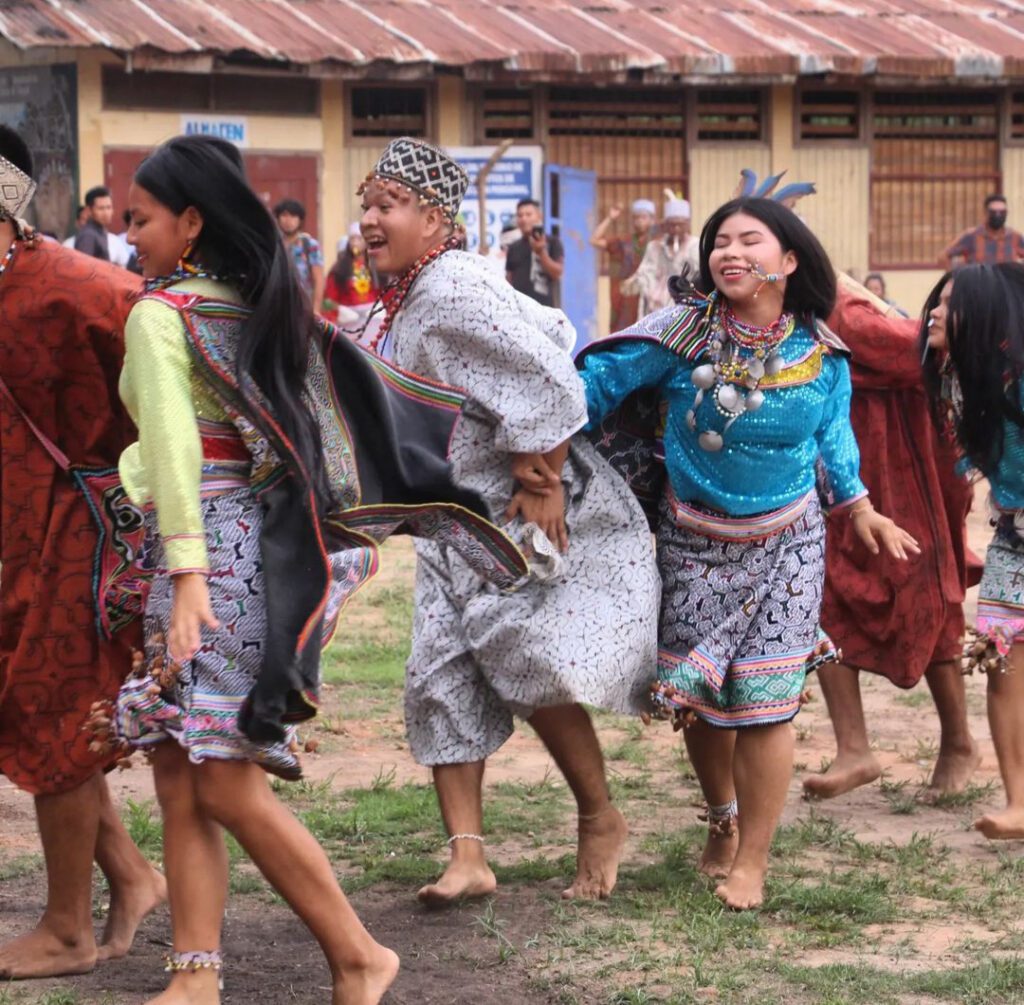
Shipibo women traditionally wear a long wrap-around skirt called a “chitonti,” which is often dyed in bright colors like red, purple, or blue, using natural plant-based dyes. The skirt is wrapped around the waist and tied securely, usually paired with a loose blouse or top. The fabric used for these garments is typically cotton, which is either hand-woven or obtained through trade.
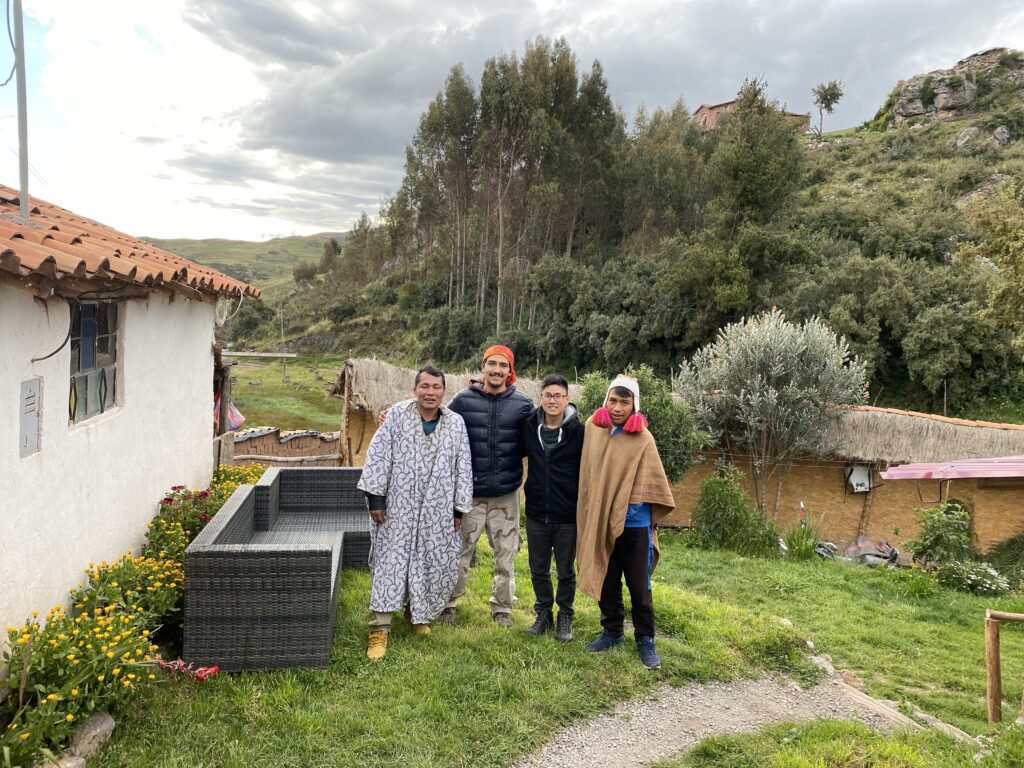
Men’s traditional clothing is simpler, usually consisting of a tunic-like garment called a “cushma.” The cushma is a loose, sleeveless garment that falls to the knees and is typically dyed with natural pigments in shades of brown or black. Like the women’s clothing, men’s garments are often decorated with kene patterns, though the designs tend to be more subdued. The kené on men’s clothing might reflect their spiritual path or the protection of their ancestors, and the simplicity of the design is thought to signify a more focused connection with the spiritual world.
Spirituality of the Shipibo
Animism and Shamanism
For the Shipibo, the physical world is inseparable from the spiritual realm, and all elements of nature—rivers, trees, animals, plants—are imbued with spirits that must be respected and honored. This worldview shapes every aspect of their lives, from their daily interactions with the environment to their healing practices.
To maintain harmony between the physical and spiritual worlds, the Shipibo engage in regular rituals that honor the spirits and seek their guidance. The kene geometric designs are believed to be visual representations of the energy pathways that connect all living things and spirits. These designs often serve as maps to the spiritual world.
At the heart of Shipibo spirituality are the shamans, known as curanderos. Shamans are highly respected figures who possess specialized knowledge of the spiritual and natural realms, gained through years of apprenticeship and experience. They are believed to have the ability to communicate with spirits, navigate spiritual realms, and perform healing ceremonies to restore balance to the body and soul.
Mythology
One of the most significant stories in Shipibo mythology is the creation myth, which explains the origins of the universe, humans, and the natural world. According to this myth, the world was born from a primordial serpent known as Ronin, a giant anaconda-like being that swam through the waters of chaos before the earth was formed. Ronin is considered a powerful creator figure, whose movements shaped the rivers and landscapes of the Amazon. The river systems, so crucial to the Shipibo way of life, are believed to be the trails left by Ronin as it carved the world into existence. This connection between the serpent and water emphasizes the Shipibo’s deep spiritual link to rivers.
Another central figure in Shipibo mythology is Inka, a benevolent sky god who is believed to have descended to the earth to teach the Shipibo people how to live in balance with nature. Inka imparted knowledge about agriculture, hunting, fishing, and the use of medicinal plants (such as coca leaves and palo santo), as well as the spiritual laws governing the world. These stories are quite different from the Inca mythology found in the Andean parts of Peru.
Ayahuasca Ceremonies
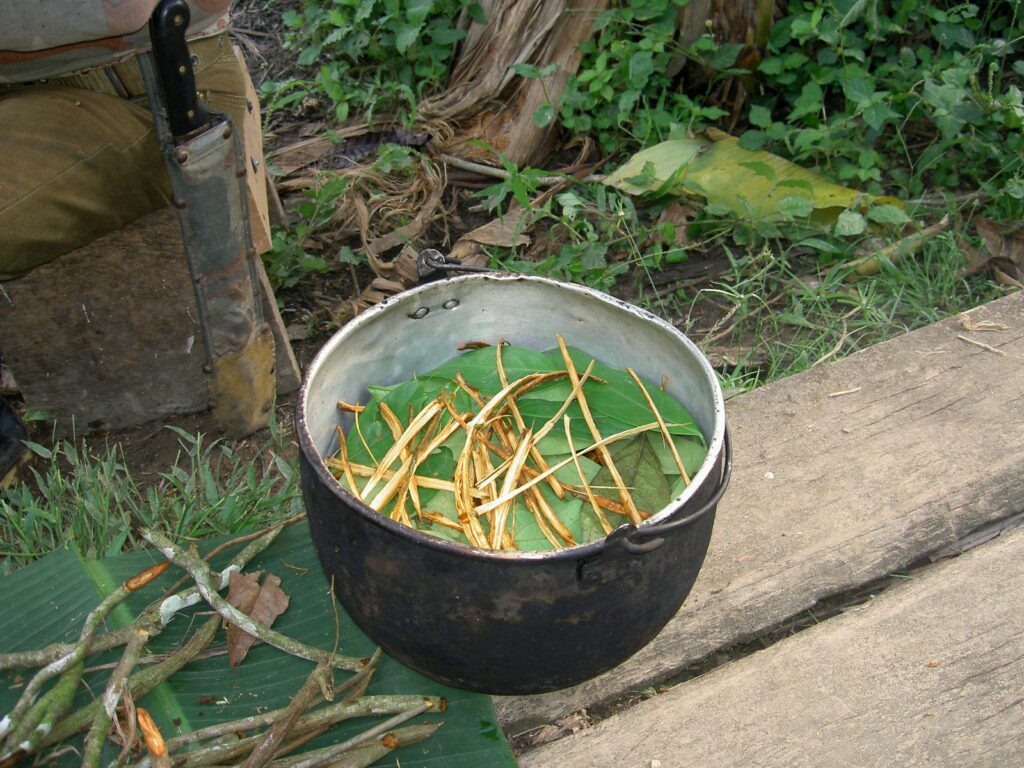
Ayahuasca, a powerful psychoactive brew made from the Banisteriopsis caapi vine and other plant ingredients, has been at the core of Shipibo spiritual practices, serving as a sacred tool for healing, divination, and communication with the spirit world. The brew is not simply consumed for recreational purposes but is revered as a sacred medicine, imbued with the ability to reveal deep truths, provide spiritual guidance, and offer physical and emotional healing.
In Shipibo culture, ayahuasca is primarily used in ceremonial settings, led by shamans who have undergone extensive training to guide individuals through the powerful and often challenging experiences induced by the brew. The ceremonies are held in the evening, usually in a communal space, where participants gather to drink the brew and enter altered states of consciousness. The effects of ayahuasca can include intense visual and auditory hallucinations, physical sensations, and emotional or psychological experiences that are believed to connect the individual to the spiritual realm.
The Shipibo believe that the visions and experiences induced by ayahuasca are not mere hallucinations but actual interactions with spiritual entities. These spirits, whether they come in the form of animals, ancestors, or natural forces, offer wisdom, guidance, and healing to those who seek it. The geometric patterns seen during ayahuasca ceremonies, often likened to the kene designs in Shipibo art, are believed to represent the fundamental structures of the universe and the flow of spiritual energy. These visions allow individuals to see the interconnectedness of all life and gain insight into the deeper workings of the cosmos.
Social Structure of the Shipibo
The Shipibo community is traditionally organized into clans, which are extended family groups that share a common ancestry. These clans form the backbone of Shipibo social life, as they provide a sense of belonging and identity. Within these clans, family roles are clearly defined. The family is considered the most important social unit, and it includes not only the nuclear family but also extended relatives. Elders hold a particularly respected position, as they are considered the keepers of wisdom and tradition. Knowledge of spiritual practices, healing, and cultural heritage is passed down through the generations within these family structures.
Traditionally, men and women have distinct but complementary roles. Men are typically responsible for activities such as hunting, fishing, and building, while women take on roles related to agriculture, cooking, and the creation of art, particularly textiles and pottery.
Leadership positions are often held by those who have demonstrated wisdom, strength, or spiritual knowledge. In many communities, the curaca, or chief, holds the highest position of authority. The curaca is responsible for overseeing important community decisions, mediating conflicts, and leading negotiations with outsiders.

The Shipibo and the Environment
One of the traditional farming methods employed by the Shipibo people is slash-and-burn agriculture, known as swidden farming. This technique involves clearing small plots of land by cutting down trees and burning the underbrush. The ash left behind acts as a natural fertilizer, enriching the soil for planting crops like cassava, maize, and bananas. While slash-and-burn techniques have been criticized when practiced on a large scale, the Shipibo’s method is sustainable because they rotate plots over several years, allowing the forest to regenerate before reusing the land. This method has been carefully managed to ensure the long-term fertility of the soil and the health of the surrounding ecosystem.
Fishing is often done using traditional methods, such as hand-woven nets, traps, or fishing spears, and the Shipibo have deep knowledge of fish species, their breeding patterns, and the seasonal rhythms of the rivers. Hunting, too, is carried out with sustainability in mind, with the Shipibo people avoiding overhunting and respecting the animals they rely on. They only take what is necessary for their immediate needs, ensuring that the natural populations of fish and game are not depleted.
The Shipibo people also practice forest management techniques that maintain biodiversity and protect the fragile ecosystem of the Amazon rainforest. This includes gathering medicinal plants, fruits, and other forest products in a way that minimizes harm to the environment. In Shipibo spirituality, the forest is a sacred space, with each tree and plant believed to have a spirit. As such, the Shipibo treat the forest with great reverence, ensuring that their activities do not disturb its natural balance.
Plan Your Trip to Peru | Best Travel Resources
Book Your Accommodations
- Booking.com – the world’s leading online booking platform for accomodations around the world, they have an extensive amount of available listings with zero booking fees and best price guarantees.
- Hostelworld – a backpacker’s best friend, Hostelworld has the largest collection of hostels and guesthouses for affordable prices.
Don’t Forget Insurance
- SafetyWing – from Nomad Insurance, an insurance by nomads for nomads. They understand our lifestyle well and have really comprehensive and flexible plans that cater to any traveler.
Find Cheap Flights
- Kiwi.com – my go-to for booking and finding the cheapest flights and it’s helped me save tons of money. They do virtual interlining which is connecting flights from airlines that do not codeshare, so you can find routes that you wouldn’t be able to find normally.
Join Tours & Activities
- GetYourGuide – is one of the best places to find unique tours and activities. I found that it’s an excellent way to meet fellow travelers and create fond memories. They are not only limited to tours as they also offer niche services such as skip-the-line tickets or private transfers.
Catch a Ride
- Rentalcars.com – nothing beats the freedom of the road, Rentalcars.com is the world’s largest online car rental service. They operate across 160 countries so they’re the perfect partner to work with if you find yourself wanting a ride.